
Les 7 sites sacrés les plus représentés dans l'art aborigène Pintupi
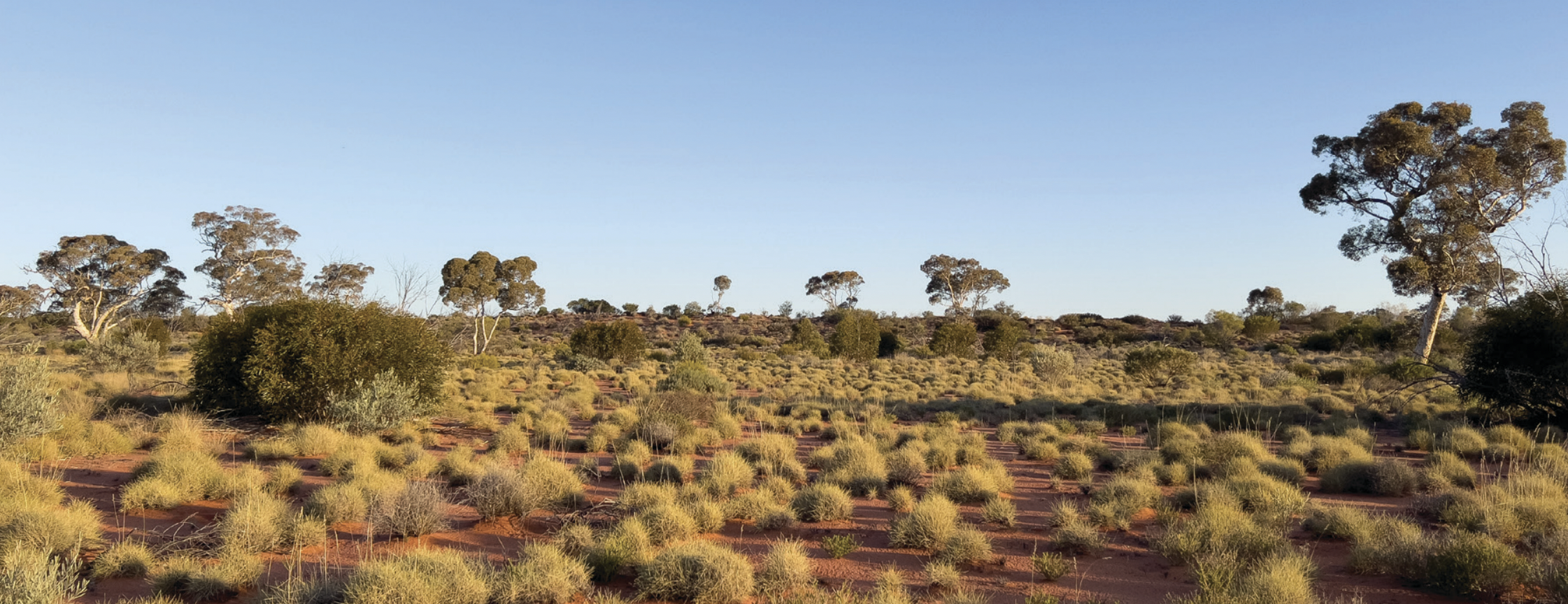
Sept sites sacrés dominent l'art aborigène Pintupi depuis 1971 : Wirrulnga, le site du pouvoir spirituel féminin où Ningura Napurrula créait ses cercles monumentaux ; Marrapinti, le carrefour des chemins Tingari que Bob Gibson peint avec ses réseaux interconnectés ; Yunala, les plaines de spinifex aux compositions horizontales ; Kiwirrkura, le cœur spirituel Pintupi et site du dernier contact en 1984 ; Lupul, avec ses acacias et ses motifs rayonnants ; Tjukula, les formations rocheuses spectaculaires aux compositions verticales ; et Mantarta, le lieu de confluence et de rassemblement social. Chaque cercle concentrique dans une peinture Pintupi représente un site réel du désert de Gibson, chargé d'histoires du Temps du Rêve transmises depuis des millénaires, ce qui transforme l'abstraction géométrique en une véritable cartographie spirituelle qui documente la géographie, la mythologie et les responsabilités culturelles des artistes. Comprendre ces sites enrichit l'appréciation des œuvres en révélant plusieurs niveaux de lecture : esthétique (le dot painting sophistiqué), géographique (la carte du territoire), culturel (les récits du Dreaming spécifiques), et spirituel (les dimensions sacrées réservées aux initiés). Les artistes majeurs peignent les sites selon leurs droits culturels légitimes : Ningura, Makinti et Wentja Morgan pour Wirrulnga féminin ; Bob Gibson et George Ward pour Marrapinti Tingari ; les artistes de Kiwirrkura qui bénéficient d'une authenticité exceptionnelle grâce à leur proximité avec le pays ancestral. Inma Galerie propose des œuvres authentifiées qui représentent ces sites sacrés, avec une documentation exhaustive, des certifications, des explications culturelles respectueuses, et un accompagnement pour une lecture à la fois informée et éthique.
The Tingari Cycle Tingari Sacred Stories of the Pintupi People Pintupi Their Expression inAboriginal art
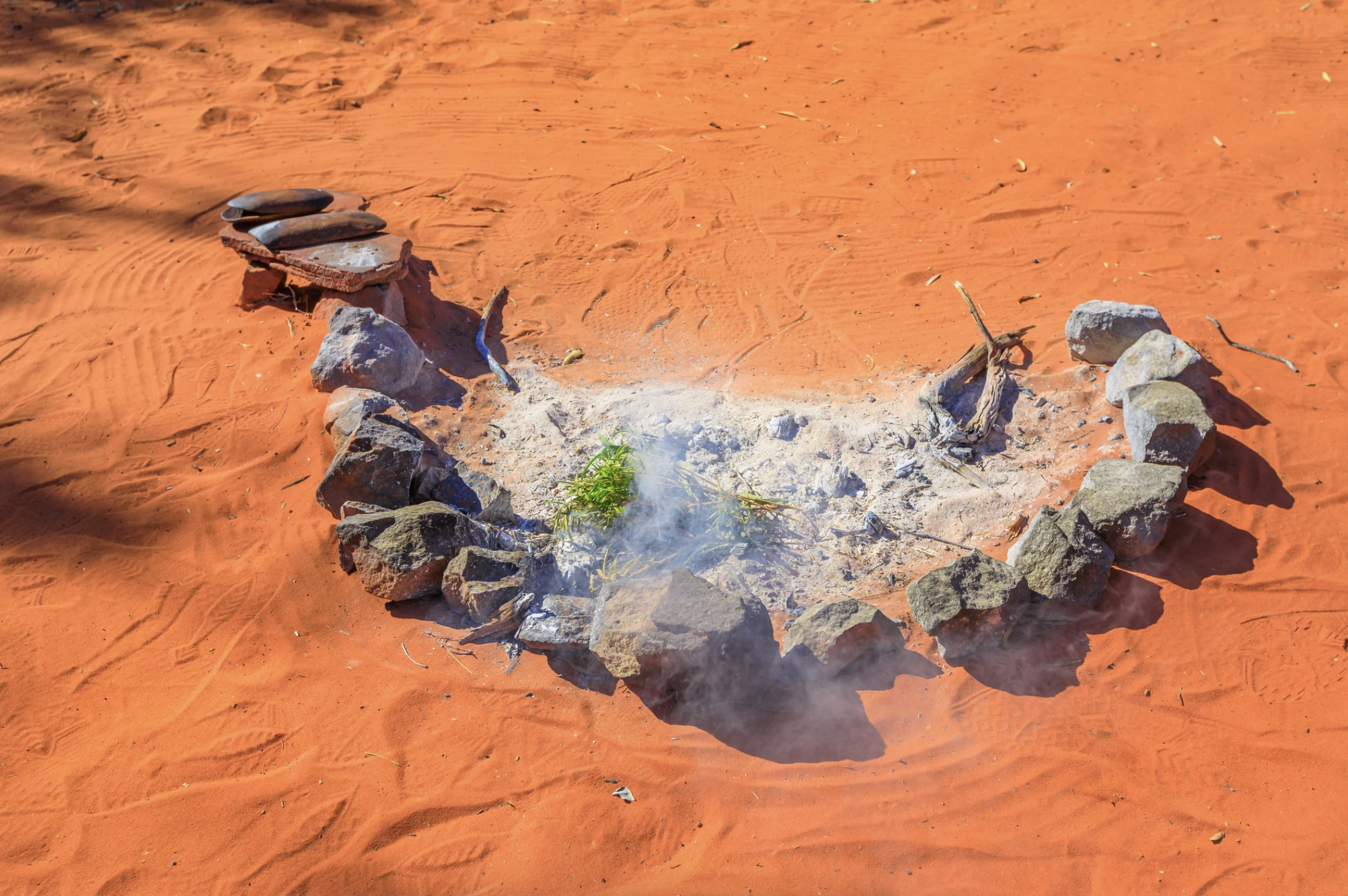
The Tingari Cycle Tingari one of the most sacred and complex sets of stories in the Aboriginal Dreamtime, specific to the Pintupi people Pintupi Australia’s central desert. These ancestral stories recount the epic journeys of groups of creator Ancestors who traversed the desert during the time of creation, shaping the landscape, establishing waterholes, and instituting the social laws that still structure Aboriginal culture today. The Tingari cycle Tingari a multi-layered structure of knowledge, revealed progressively during male initiations, ensuring that the most sacred aspects remain protected. InAboriginal art , the Tingari cycle Tingari a major source of inspiration since the Papunya movement in 1971. Aboriginal artists such as Bob Gibson Tjungurrayi, George Ward Tjungurrayi, Wentja Morgan Napaltjarri, and Turkey Tolson Tjupurrula have dedicated their careers to visually conveying these sacred stories through their exceptional Aboriginal paintings. Aboriginal paintings of the Tingari cycle Tingari characterized by concentric circles representing sacred sites, lines indicating ancestral journeys, and a dot painting technique that creates depth and texture. These works function simultaneously as art, spiritual maps of the territory, and documents of cultural preservation. The Tingari Cycle Tingari a true system of Aboriginal laws governing the social organization, relationship to the land, and ceremonial practices of the Pintupi people. Inma Galerie, a specialist inAboriginal art , offers an exclusive collection of authentic paintings from the Tingari Cycle, complete Tingari documentation and a guarantee of authenticity. Collecting a work from the Tingari cycle means becoming a guardian of a fragment of ancestral knowledge and actively participating in the preservation of this intangible cultural heritage of humanity.
Bob Gibson Tjungurrayi: Master ofAboriginal art guardian of the Pintupi Dreaming
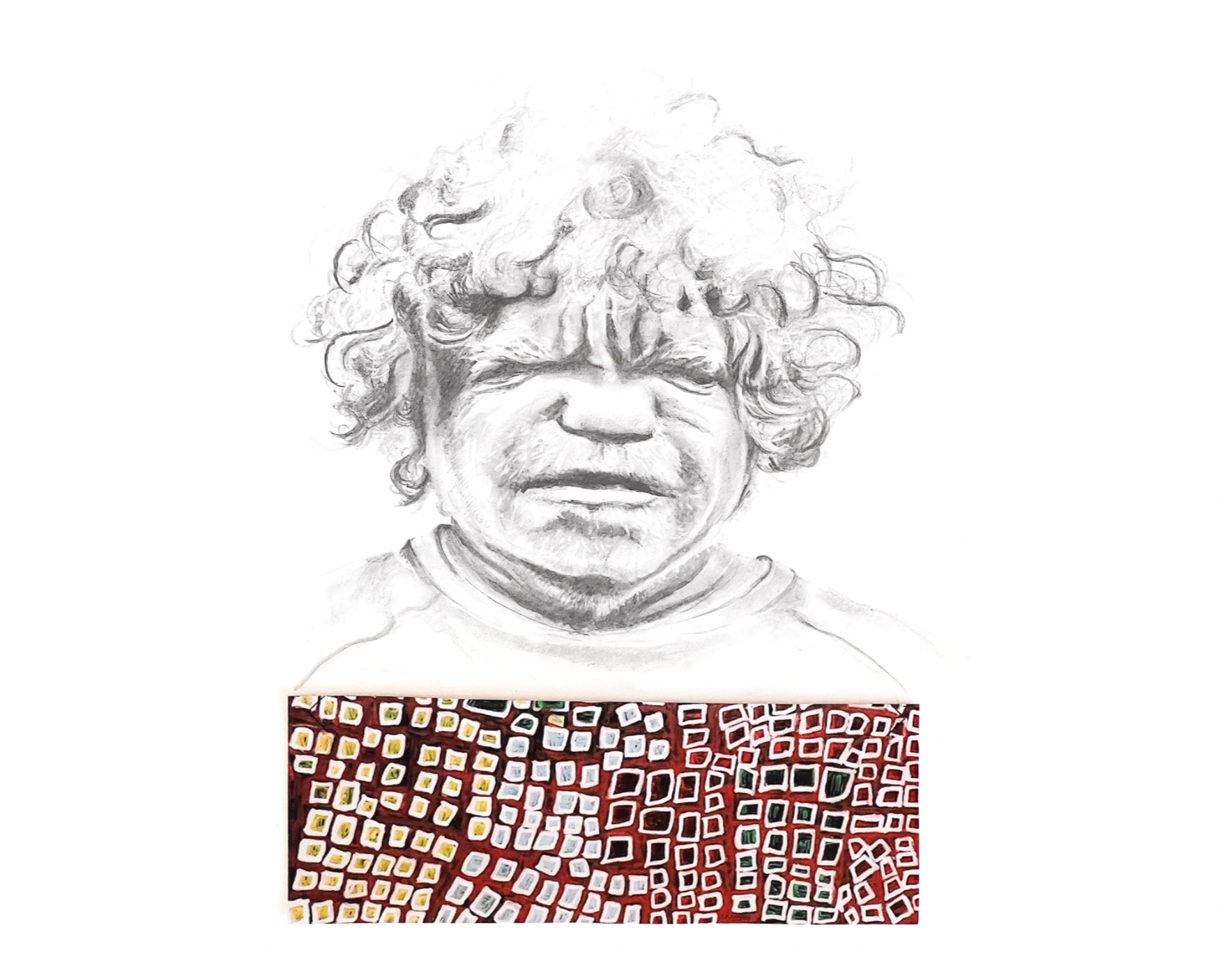
Bob Gibson Tjungurrayi (born around 1940) is one of the most important figures in contemporaryAboriginal art . A respected member of the Pintupi people, he embodies the generation of Aboriginal artists who transformed the sacred stories of the Dreamtime into a globally recognized artistic movement. Born in the Australian outback, Bob Gibson spent his early years living the traditional Pintupi nomadic lifestyle, which imparted to him a deep knowledge of Dreaming stories and sacred sites. The central theme of his Aboriginal art the Tingari cycle, a complex set of stories specific to the Pintupi people Pintupi the journeys of the creator Ancestors across the Gibson Desert. A longtime member of Papunya Tula Artists, the historic organization founded in 1972, Bob Gibson has developed a distinctive style characterized by balanced geometric compositions and an exceptional mastery of dot painting. His Aboriginal paintings use a subdued palette evoking the natural colors of the desert and accurately depict sacred sites and essential waterholes. Bob Gibson Tjungurrayi’s Aboriginal paintings are featured in the permanent collections of prestigious institutions such as the National Gallery of Australia and the Musée du Quai Branly. As a respected elder, he plays a crucial role in passing on artistic knowledge to younger generations Pintupi. Inma Galerie, a recognized specialist inAboriginal art , offers authentic works by Bob Gibson with full documentation via Papunya Tula Artists. Each acquisition represents a significant cultural investment and an active contribution to the preservation of millennia-old Aboriginal heritage.
George Ward Tjungurrayi: Master of Central Australian desert Aboriginal art
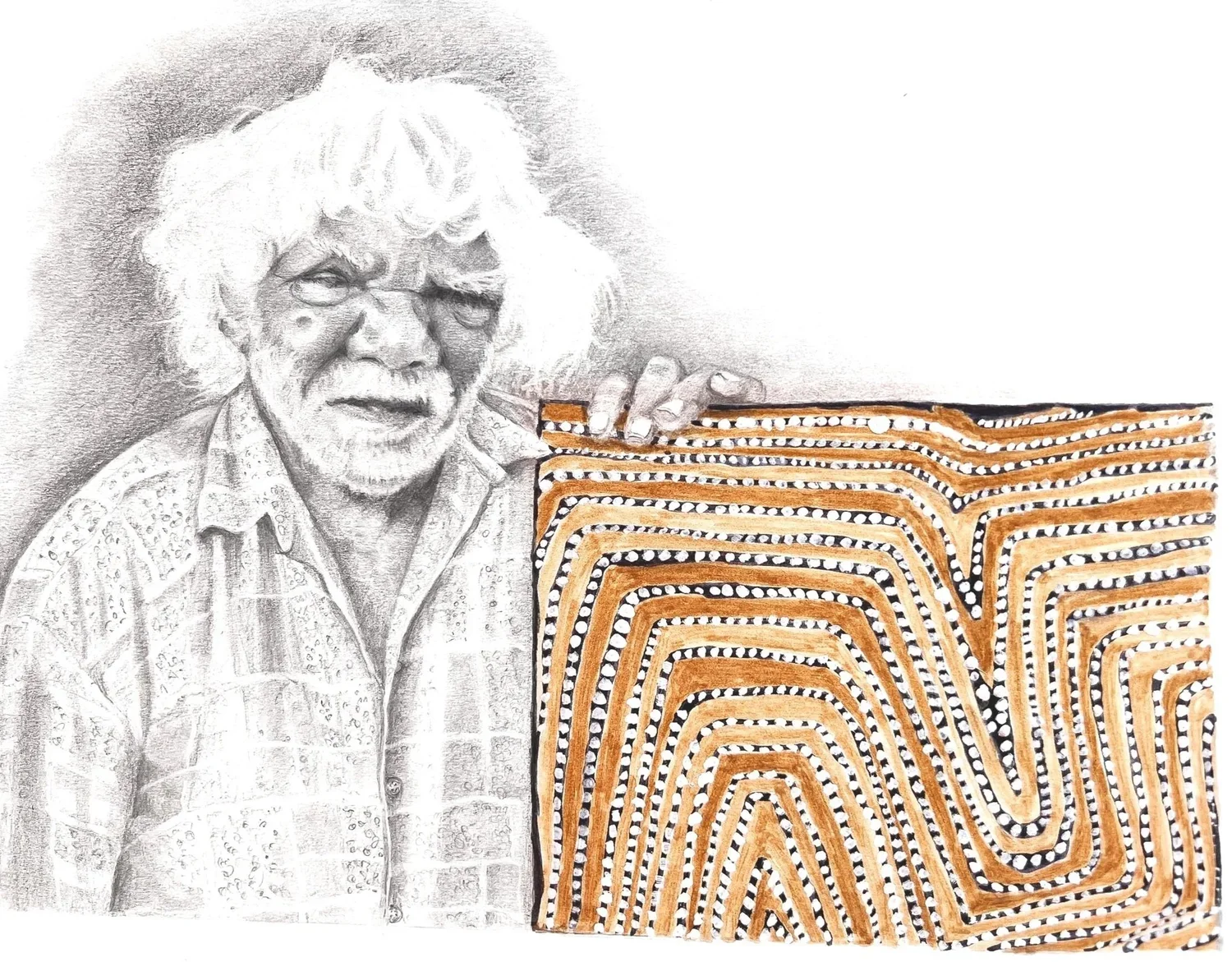
George Ward Tjungurrayi (c. 1943–2020) is one of the most respected Aboriginal artists in the AustralianAboriginal art movement. A member of the Pintupi people, he dedicated his life to passing down the sacred stories of the Dreamtime through his exceptional Aboriginal paintings. Born in the Gibson Desert, one of Australia’s most remote regions, George Ward Tjungurrayi lived according to ancestral traditions before becoming a pillar of the artistic community in Kintore and Kiwirrkura. His Aboriginal art a deep understanding of the land and the ancestral stories that shape it. The dominant theme of his work is the Tingari cycle, a complex set of Dreaming narratives unique to the Pintupi people Pintupi the journeys of the creator Ancestors across the desert. His style is distinguished by balanced geometric compositions, a subdued palette evoking the colors of the desert, and an exceptional mastery of dot painting (Aboriginal pointillism). George Ward Tjungurrayi’s Aboriginal paintings are featured in major international collections, from the National Gallery of Australia to the Musée du Quai Branly. His sister, Lorna Ward Napanangka, is also a renowned artist, illustrating the family’s transmission of artistic knowledge. Inma Galerie, a specialist inAboriginal art , offers authentic works by this master artist with complete documentation and a guarantee of authenticity. Each painting tells a story from the Dreaming, keeping alive the spiritual connection to the Central Desert.