
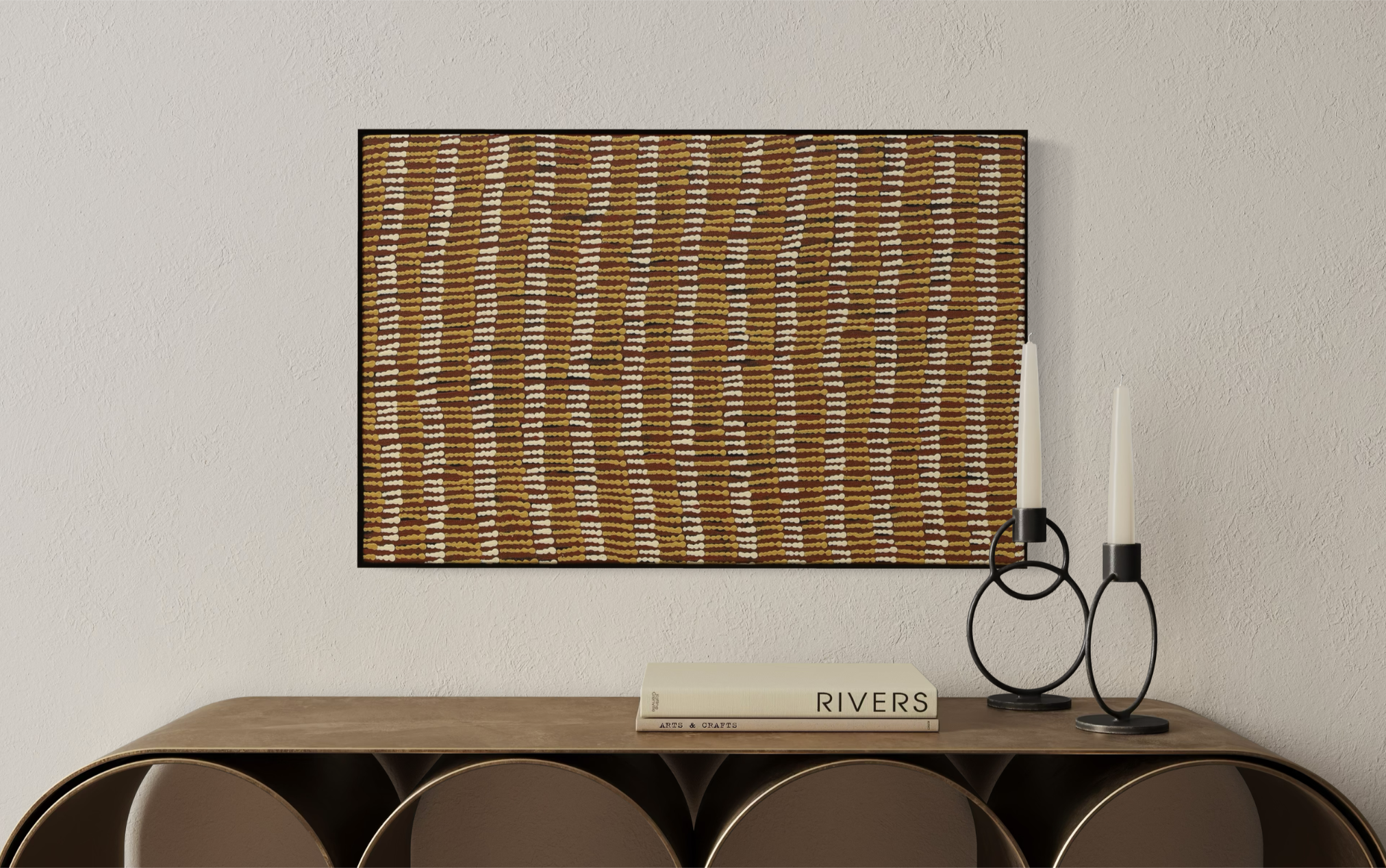
Yukultji Napangati : de la dernière tribu du désert à la scène internationale
Enfant, elle vivait en nomade dans le désert de Gibson : Yukultji Napangati est l'une des « Pintupi Nine » entrés en contact avec la société australienne en 1984. Devenue artiste majeure et lauréate du Wynne Prize, elle peint son pays en toiles hypnotiques. Découvrez son parcours et l'œuvre disponible chez Inma.
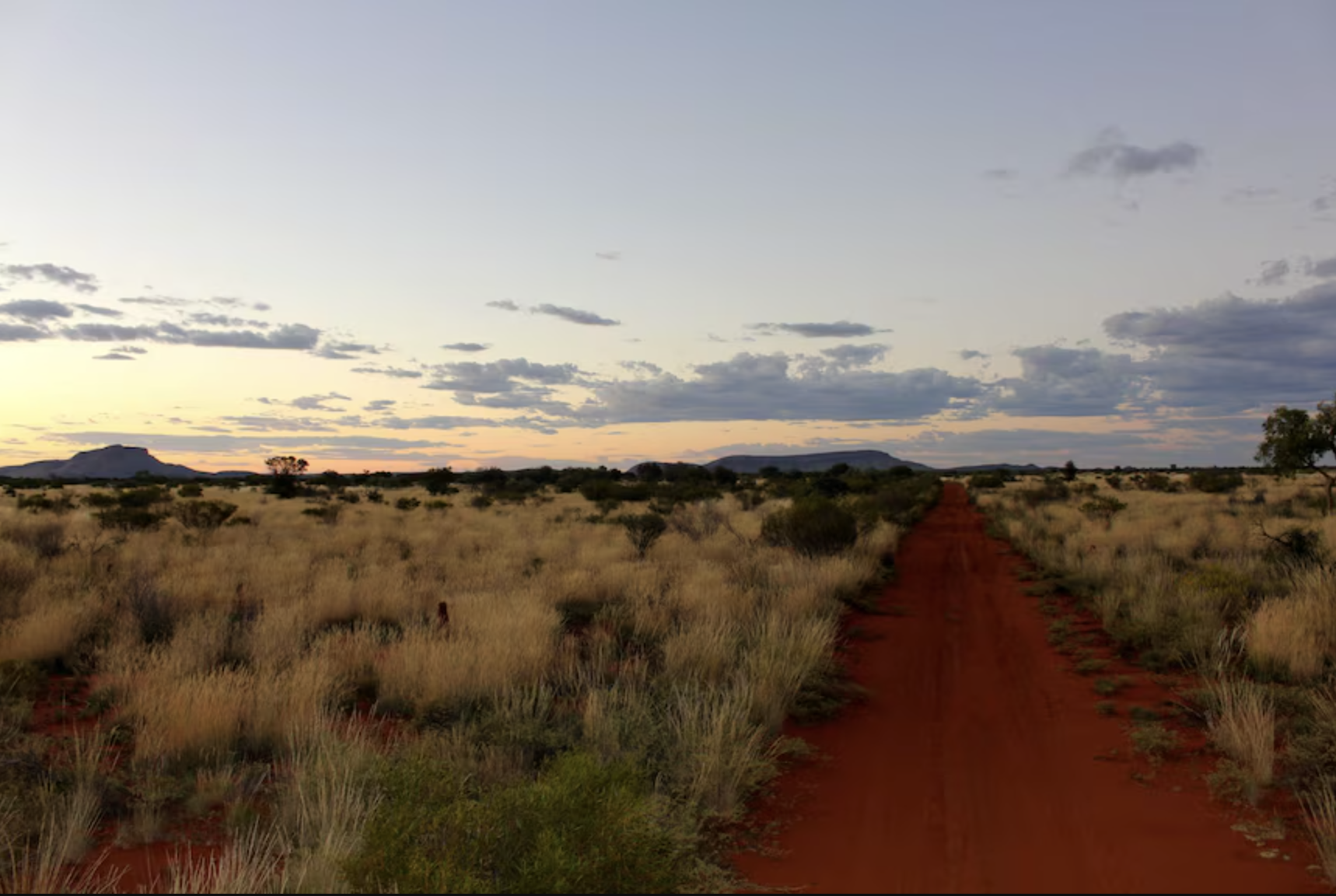
Voyager dans le désert australien : Sur les traces des artistes aborigènes
Voyager dans le désert australien sur les traces des artistes aborigènes, c'est comprendre que la peinture n'est pas séparable du territoire qui l'engendre. De Papunya, berceau de l'art aborigène contemporain né en 1971 autour de Geoffrey Bardon, aux communautés reculées de Kintore et Kiwirrkura, en passant par le pays féminin d'Utopia et les gorges du Kimberley, chaque région porte une tradition picturale distincte, enracinée dans un Tjukurpa — un Temps du Rêve — qui est à la fois cosmologie, cartographie et mémoire vivante. Les artistes Pintupi, Anmatyerre ou Goolarabooloo peignent encore à même le sol, en vue de dessus, comme leurs ancêtres traçaient des signes dans le sable lors des cérémonies rituelles. Pour le collectionneur, faire ce voyage transforme une relation intellectuelle à des œuvres en une expérience sensorielle profonde — la poussière rouge, le silence, la lumière implacable — qui change définitivement la façon dont on lit une toile. Inma travaille exclusivement avec des art centres reconnus, signataires de l'Indigenous Art Code, propose à ceux qui ne peuvent pas faire le voyage d'accéder à cette authenticité depuis Paris, avec la même rigueur documentaire et éthique.
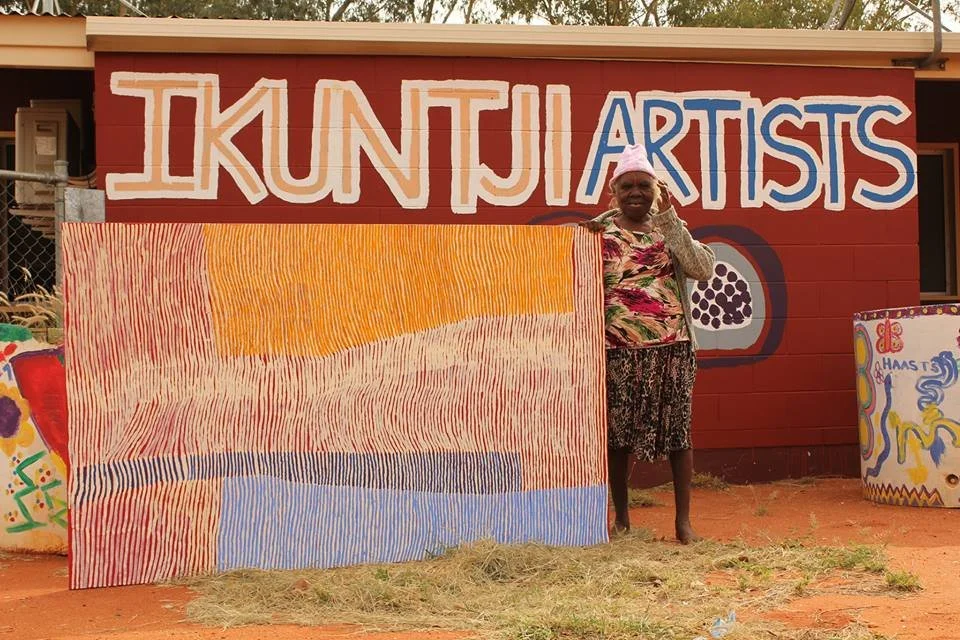
Papunya Tula Artists vs autres art centres : Comprendre les labels de qualité
Les art centres aborigènes reconnus — Papunya Tula Artists (standard d'or depuis 1972, désert Pintupi), Warlukurlangu Artists (Yuendumu, Warlpiri), Warmun Art Centre (Kimberley, Gija), Mowanjum Art Centre (Wandjina, Worrorra/Ngarinyin/Wunambal) — garantissent authenticité culturelle absolue, rémunération équitable des artistes (minimum 50% prix de vente, souvent 60%+), et respect rigoureux des protocoles traditionnels dans marché malheureusement infesté d'exploitation et de contrefaçons. Papunya Tula Artists maintient standards exceptionnels depuis 50+ ans : vérification culturelle rigoureuse (artistes peignent uniquement récits dont ils ont droits légitimes), documentation exhaustive (certificats avec photo haute qualité, numéro unique, signatures coordinateurs), contrôle qualité constant (œuvres insuffisantes rejetées), reconnaissance muséale mondiale (National Gallery Australia, Quai Branly, MET). Les red flags à éviter absolument incluent absence de certificat d'art centre reconnu, prix anormalement bas suggérant exploitation ou contrefaçon, vendeurs non spécialisés sans expertise démontrable, descriptions vagues ou incorrectes, et marchands privés du "marché gris" payant artistes 10-20% de valeur réelle sans documentation appropriée. La vérification d'authenticité nécessite examen minutieux du certificat (logo officiel, informations complètes, photo correspondant exactement, signatures vérifiables), contact direct avec l'art centre pour confirmer numéro d'enregistrement, et évaluation qualité de l'œuvre elle-même (dot painting sophistiqué vs irrégulier, composition équilibrée vs formulaire, matériaux artist-grade vs bon marché). Inma Galerie maintient relations directes exclusivement avec art centres reconnus, vérifie méticuleusement chaque certificat, refuse œuvres de provenance douteuse même si profitables, et garantit que chaque acquisition soutient directement artistes et communautés selon pratiques éthiques les plus rigoureuses.
Les 7 sites sacrés les plus représentés dans l'art aborigène Pintupi
Sept sites sacrés dominent l'art aborigène Pintupi depuis 1971 : Wirrulnga, le site du pouvoir spirituel féminin où Ningura Napurrula créait ses cercles monumentaux ; Marrapinti, le carrefour des chemins Tingari que Bob Gibson peint avec ses réseaux interconnectés ; Yunala, les plaines de spinifex aux compositions horizontales ; Kiwirrkura, le cœur spirituel Pintupi et site du dernier contact en 1984 ; Lupul, avec ses acacias et ses motifs rayonnants ; Tjukula, les formations rocheuses spectaculaires aux compositions verticales ; et Mantarta, le lieu de confluence et de rassemblement social. Chaque cercle concentrique dans une peinture Pintupi représente un site réel du désert de Gibson, chargé d'histoires du Temps du Rêve transmises depuis des millénaires, ce qui transforme l'abstraction géométrique en une véritable cartographie spirituelle qui documente la géographie, la mythologie et les responsabilités culturelles des artistes. Comprendre ces sites enrichit l'appréciation des œuvres en révélant plusieurs niveaux de lecture : esthétique (le dot painting sophistiqué), géographique (la carte du territoire), culturel (les récits du Dreaming spécifiques), et spirituel (les dimensions sacrées réservées aux initiés). Les artistes majeurs peignent les sites selon leurs droits culturels légitimes : Ningura, Makinti et Wentja Morgan pour Wirrulnga féminin ; Bob Gibson et George Ward pour Marrapinti Tingari ; les artistes de Kiwirrkura qui bénéficient d'une authenticité exceptionnelle grâce à leur proximité avec le pays ancestral. Inma Galerie propose des œuvres authentifiées qui représentent ces sites sacrés, avec une documentation exhaustive, des certifications, des explications culturelles respectueuses, et un accompagnement pour une lecture à la fois informée et éthique.
Aboriginal art as a Heritage Investment
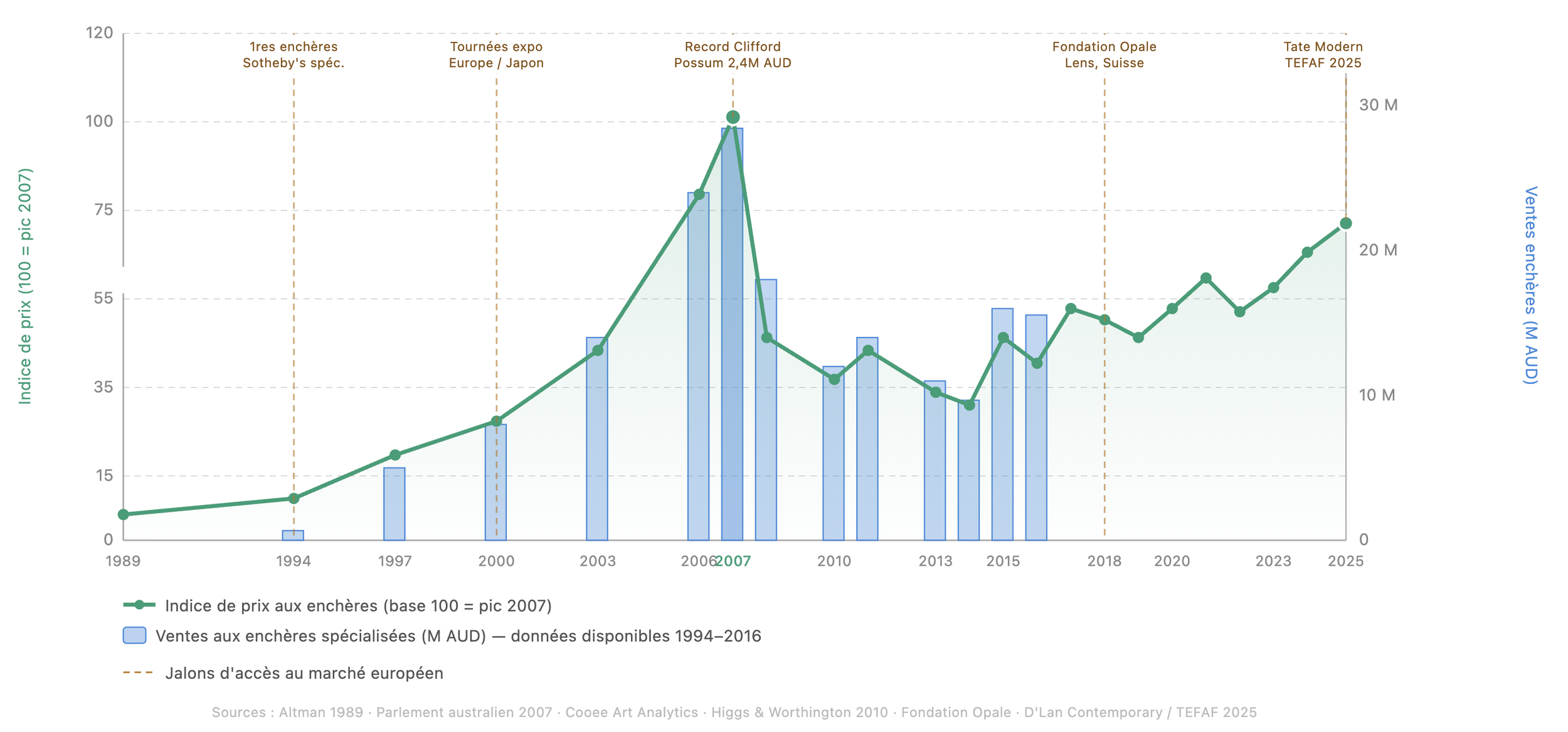
Aboriginal art is establishing itself as a legitimate heritage asset class, combining strong performance (12–18% annually from 2019 to 2025 in certain segments) with exceptional intangible cultural value. Its robust fundamentals include growing international museum recognition (National Gallery of Australia, Quai Branly, MET), structural scarcity (deaths of pioneers, institutional acquisitions) amid expanding global demand, and favorable French tax treatment (5.5% VAT on acquisition, full exemption from the IFI tax, and tax-optimized resale schemes with exemption after 22 years). The market is organized in a pyramid structure: established legends €100,000–€2,000,000 (Emily Kame, Clifford Possum, Ningura), recognized masters €20,000–€100,000 (Bob Gibson, Gloria Petyarre, George Ward), established quality artists €5,000–€20,000, and emerging artists €1,000–€5,000, with each segment presenting a distinct risk/return profile. Prudent investment requires impeccable authenticity (certificates from art centers, traceable provenance), exceptional artistic quality, sensible diversification, a long-term horizon of at least 7–15 years, and guidance from specialists such as Inma Galerie, ensuring exhaustive due diligence and an optimized acquisition strategy.
L'évolution des techniques de peinture aborigène : Du traditionnel au contemporain
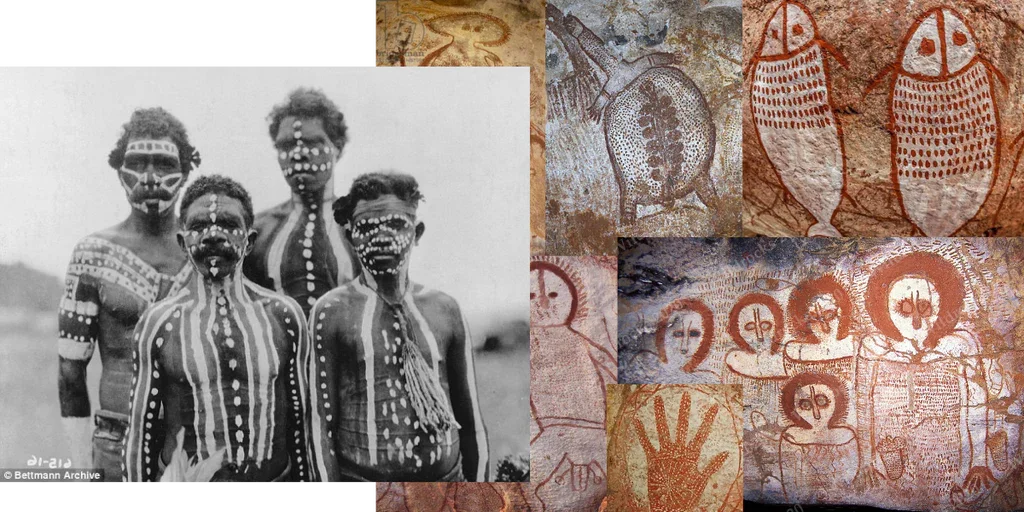
L'art aborigène australien possède l'une des histoires continues les plus longues de l'humanité (65 000+ ans), évoluant de l'art rupestre ancestral et peintures éphémères (corps, sable) vers peintures acryliques contemporaines sur toile tout en préservant authenticité spirituelle profonde. La révolution de Papunya en 1971, catalysée par Geoffrey Bardon, a transféré motifs traditionnels vers supports permanents, développant technique iconique du dot painting et établissant modèle coopératif (Papunya Tula Artists) garantissant rémunération équitable des artistes. L'évolution des matériaux (panneaux bois années 1970 vers toiles lin professionnelles, acryliques industrielles vers pigments artist-grade) a permis formats monumentaux et conservation optimale tout en diversifiant possibilités expressives. Les innovations stylistiques contemporaines incluent abandon partiel dots par artistes d'Utopia (Emily Kame Kngwarreye, Gloria Petyarre) pour gestes libres, expérimentations avec échelle monumentale et formats non conventionnels, et exploration émergente de techniques mixtes et médiums numériques. Inma Galerie accompagne collectionneurs dans compréhension de ces évolutions techniques, proposant œuvres authentiques documentées couvrant styles régionaux distinctifs (Papunya/Pintupi, Utopia, APY Lands, Terre d'Arnhem) et conseils conservation professionnelle préservant investissements à long terme.
Ningura Napurrula: Legend of Pintupi Aboriginal art and guardian of sacred sites
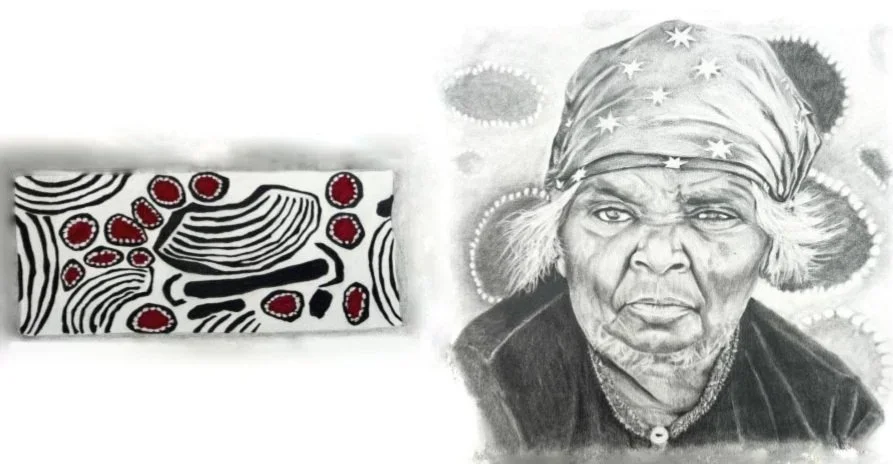
Ningura Napurrula (c. 1938–2013) ranks among the most significant Aboriginal artists in contemporary history, having lived a nomadic life in the Gibson Desert before creating Aboriginal paintings of exceptional power that have captivated collectors and institutions worldwide. A respected Pintupi woman and Pintupi of Papunya Tula Artists, she developed an iconic style characterized by monumental concentric circles representing sacred sites, a sober yet dramatic palette (ochres, blacks, whites), and exceptional mastery of dot painting, reaching the pinnacle of refinement. Her works have set auction records for female Aboriginal artists (up to €200,000+) and are featured in the collections of the National Gallery of Australia, the Musée du Quai Branly, and major international institutions. Structural scarcity (she passed away in 2013, production has ceased, and the majority of her works are in museum collections) supports continued appreciation and makes every acquisition opportunity exceptional. Inma Galerie occasionally offers rare pieces by this legendary artist, complete with comprehensive documentation, traceable provenance, a lifetime authenticity guarantee, and premium support for serious collectors.
Barney Campbell Tjakamarra : Gardien des Ancêtres Tingari et maître de l'art aborigène Pintupi
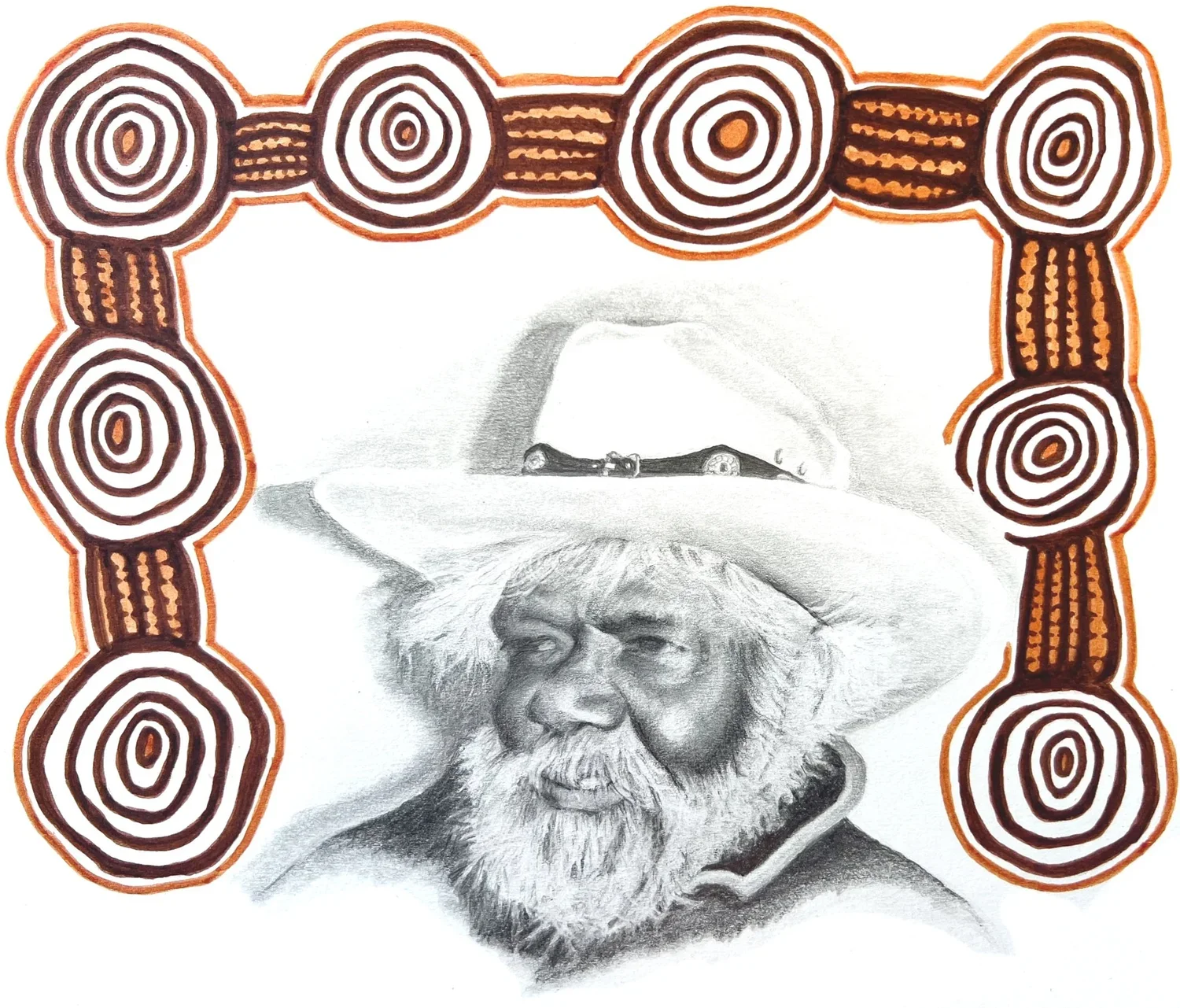
Barney Campbell Tjakamarra (v. 1928-2012) représente l'une des figures les plus respectées de l'art aborigène contemporain, ayant consacré plus de quarante ans à transmettre les récits sacrés des Ancêtres Tingari du désert de Gibson. Artiste Pintupi membre de longue date de Papunya Tula Artists, il possédait une connaissance profonde du cycle Tingari acquise par initiation traditionnelle et vie nomade dans le désert occidental australien. Ses peintures aborigènes se caractérisent par des compositions géométriques équilibrées cartographiant les sites sacrés, une maîtrise exceptionnelle du dot painting, et une palette sobre évoquant le désert (ocres, rouges, noirs, blancs). Ses œuvres figurent dans les collections du National Gallery of Australia et du Musée du Quai Branly, avec une valorisation solide sur le marché (4 000€ - 60 000€ selon format et période). Inma Galerie propose des pièces authentiques de ce maître gardien des Ancêtres Tingari avec documentation complète et garantie d'authenticité.
Turkey Tolson Tjupurrula : Innovateur de la représentation Tingari et pionnier de l'art aborigène
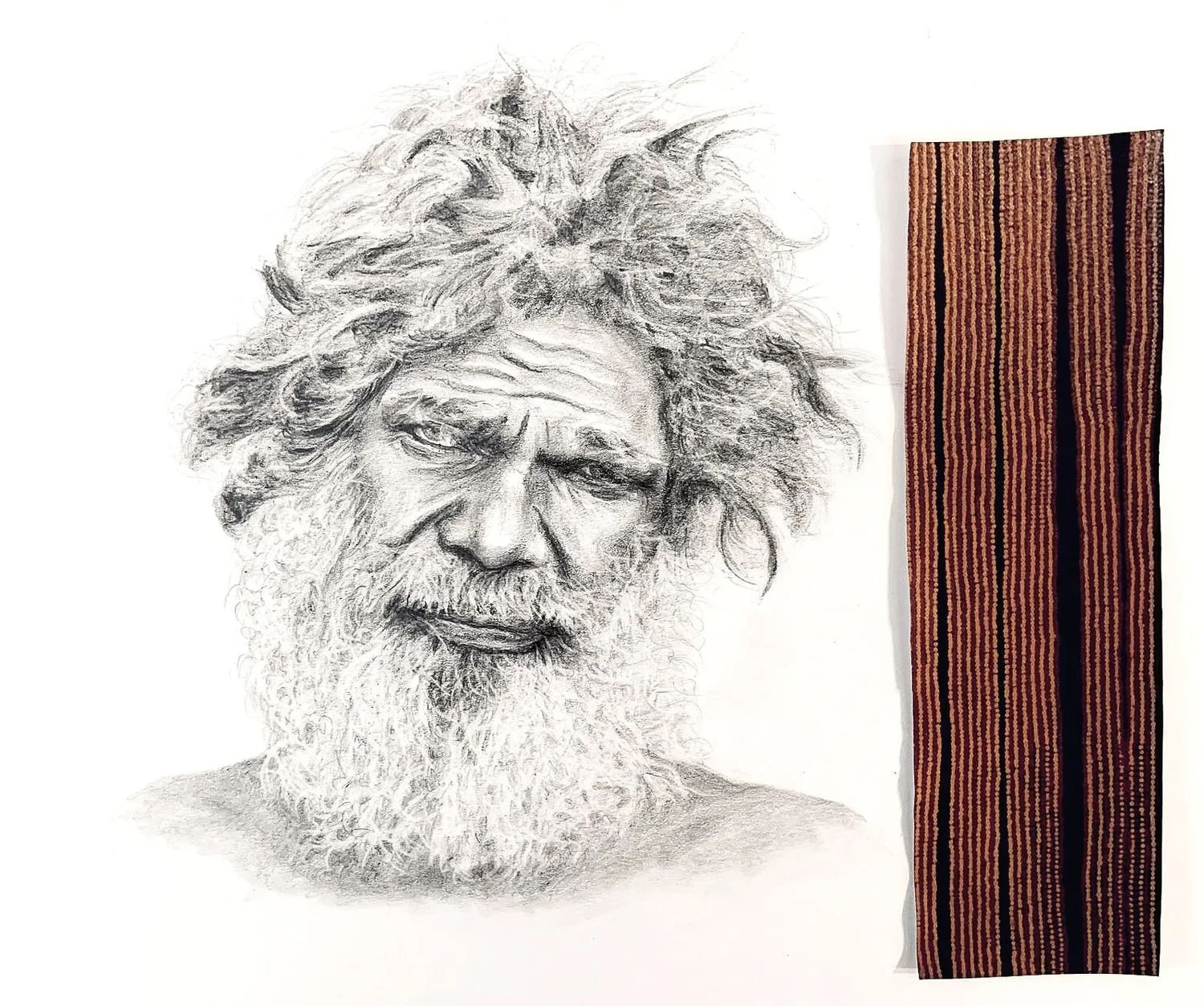
Turkey Tolson Tjupurrula (1943-2001) demeure l'un des innovateurs les plus audacieux de l'art aborigène contemporain, ayant révolutionné la représentation du cycle Tingari avec un style abstrait géométrique puissant. Artiste Pintupi pionnier du mouvement de Papunya en 1971, il a progressivement développé des compositions circulaires monumentales qui dialoguaient avec l'abstraction occidentale tout en préservant l'authenticité culturelle des récits sacrés du Temps du Rêve. Son style mature des années 1990 se caractérise par des cercles concentriques à grande échelle, une palette réduite dramatique (rouge ocre, noir, blanc), et une maîtrise exceptionnelle du dot painting créant des surfaces vibrantes hypnotiques. Ses œuvres figurent dans les collections du National Gallery of Australia, Musée du Quai Branly et autres institutions majeures, avec une valorisation constante sur le marché (40 000€ - 250 000€ pour œuvres majeures). Inma Galerie, partenaire de Papunya Tula Artists, propose occasionnellement des pièces rares de ce maître visionnaire avec authentification complète et documentation exhaustive.
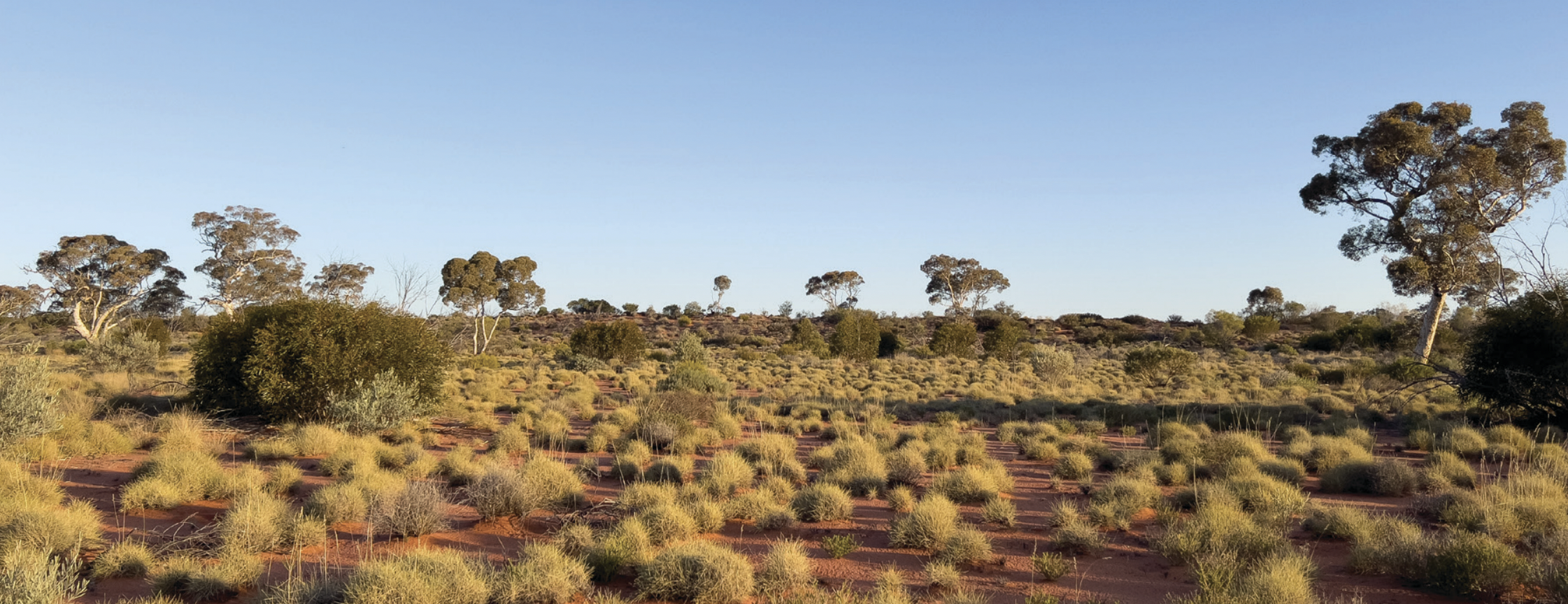
Gibson's Desert: A Spiritual Geography ofAboriginal art
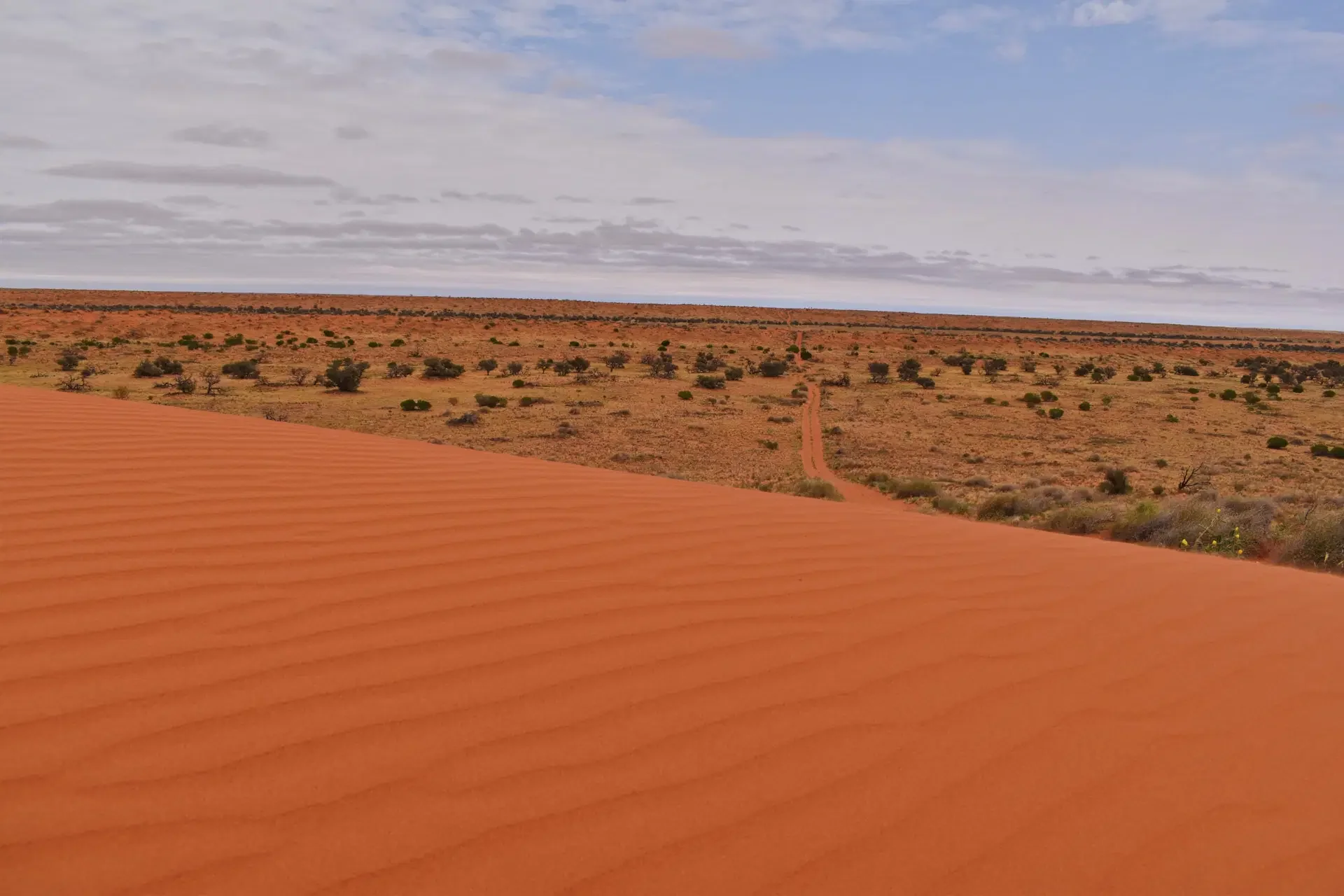
The Gibson Desert is much more than just an arid expanse in Western Australia: it is the spiritual heart of the Pintupi people Pintupi the birthplace of some of the greatest contemporary Aboriginal artists. This inhospitable region, with its extreme temperatures and scarcity of water, has shaped a culture of exceptional resilience and given rise to Aboriginal art unique spiritual depth. From Bob Gibson Tjungurrayi to George Ward Tjungurrayi, from Wentja Morgan Napaltjarri to Turkey Tolson Tjupurrula, the masters of the Gibson Desert have transformed their intimate knowledge of this land into paintings that captivate collectors around the world.
Old Mick Wallankari Tjakamarra: Pioneer ofAboriginal art guardian of the Dreaming
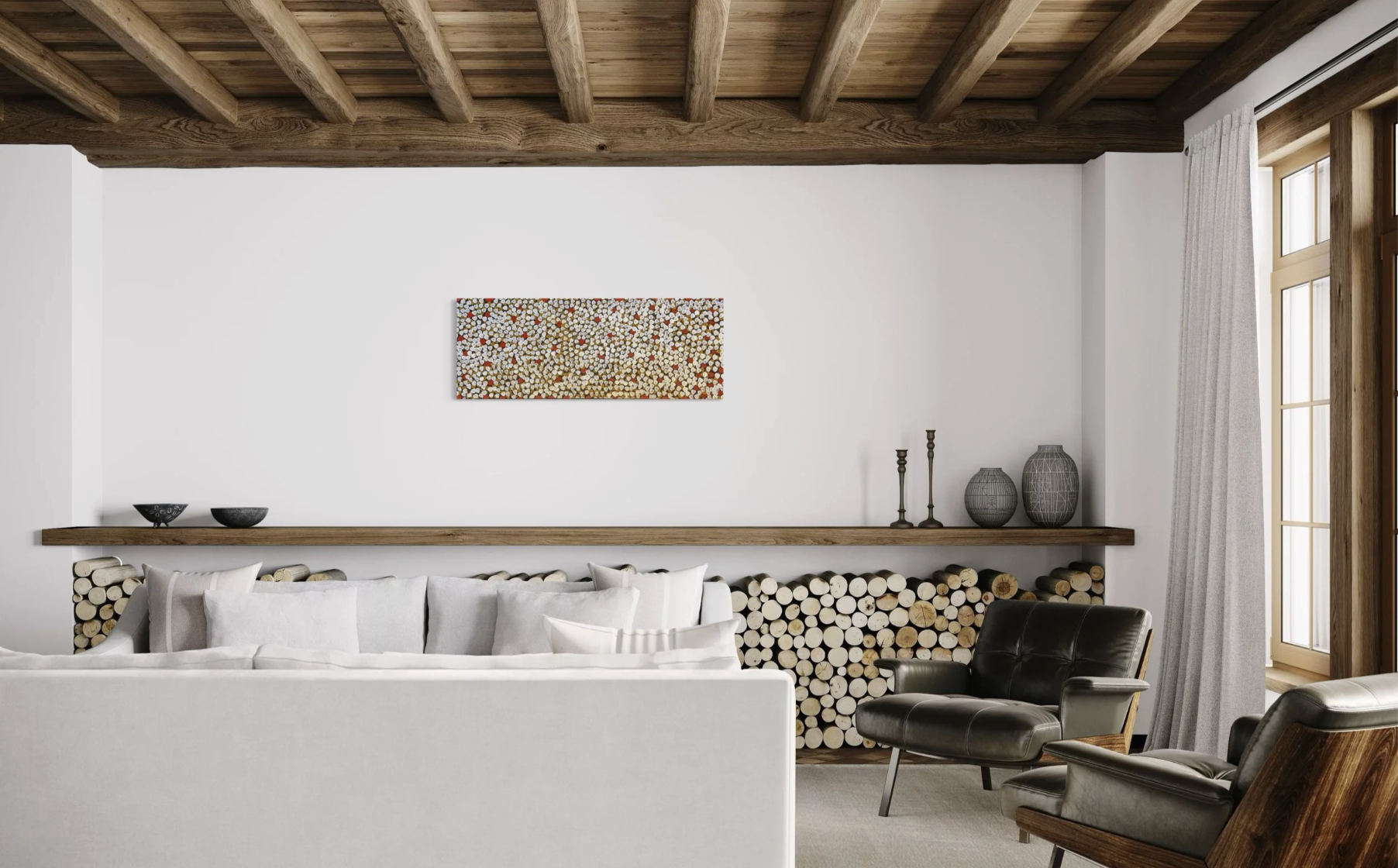
Old Mick Wallankari Tjakamarra (c. 1925–1998) was one of the most important founding artists of theAboriginal art movement launched in Papunya in 1971. A respected member of the Pintupi people, he played a crucial role in transforming the sacred stories of the Dreamtime into revolutionary acrylic paintings. Born in the Western Desert and having lived according to Pintupi nomadic traditions Pintupi adulthood, Old Mick possessed an authentic knowledge of Dreaming stories and ancestral ceremonies. In 1971, alongside Geoffrey Bardon and pioneers such as Clifford Possum Tjapaltjarri and Johnny Warangkula Tjupurrula, he participated in the early experiments that created the visual language ofAboriginal art . Old Mick contributed to the development of the dot painting technique, which became the iconic signature of CentralAboriginal art . His Aboriginal paintings are characterized by narrative compositions mapping the sacred sites and ancestral journeys of the Tingari cycle. A founding member of Papunya Tula Artists 1972, he participated in the historic exhibitions of the 1970s and 1980s that introducedAboriginal art the world. His Aboriginal paintings are included in the permanent collections of the National Gallery of Australia, the Art Gallery of NSW, and other prestigious institutions. Old Mick’s works possess exceptional heritage value as direct testimonies to the emergence ofAboriginal art . Inma Galerie, a specialist inAboriginal art , occasionally offers these rare historical works with Papunya Tula Artists authentication Papunya Tula Artists comprehensive documentation.
The Tingari Cycle Tingari Sacred Stories of the Pintupi People Pintupi Their Expression inAboriginal art
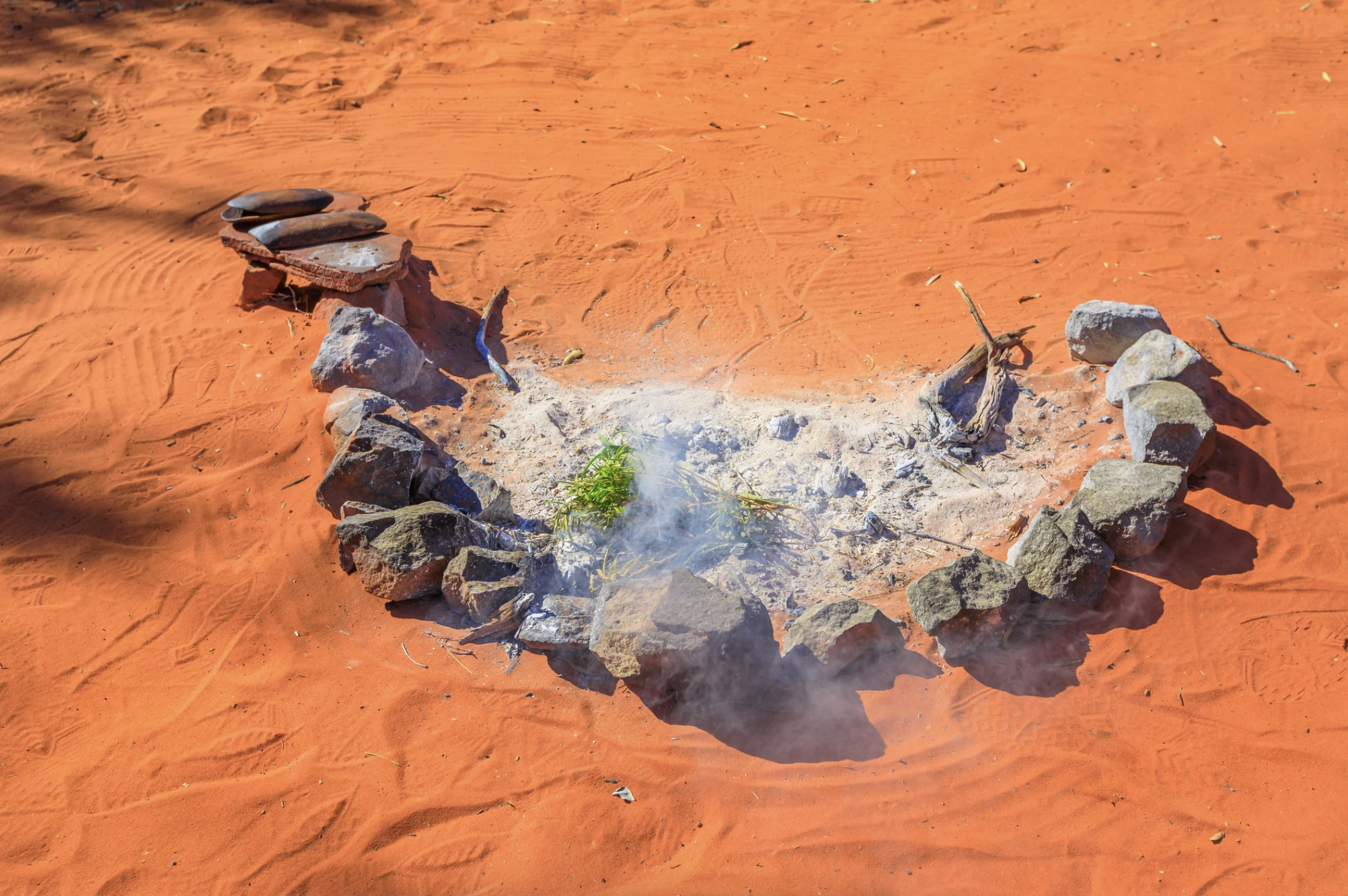
The Tingari Cycle Tingari one of the most sacred and complex sets of stories in the Aboriginal Dreamtime, specific to the Pintupi people Pintupi Australia’s central desert. These ancestral stories recount the epic journeys of groups of creator Ancestors who traversed the desert during the time of creation, shaping the landscape, establishing waterholes, and instituting the social laws that still structure Aboriginal culture today. The Tingari cycle Tingari a multi-layered structure of knowledge, revealed progressively during male initiations, ensuring that the most sacred aspects remain protected. InAboriginal art , the Tingari cycle Tingari a major source of inspiration since the Papunya movement in 1971. Aboriginal artists such as Bob Gibson Tjungurrayi, George Ward Tjungurrayi, Wentja Morgan Napaltjarri, and Turkey Tolson Tjupurrula have dedicated their careers to visually conveying these sacred stories through their exceptional Aboriginal paintings. Aboriginal paintings of the Tingari cycle Tingari characterized by concentric circles representing sacred sites, lines indicating ancestral journeys, and a dot painting technique that creates depth and texture. These works function simultaneously as art, spiritual maps of the territory, and documents of cultural preservation. The Tingari Cycle Tingari a true system of Aboriginal laws governing the social organization, relationship to the land, and ceremonial practices of the Pintupi people. Inma Galerie, a specialist inAboriginal art , offers an exclusive collection of authentic paintings from the Tingari Cycle, complete Tingari documentation and a guarantee of authenticity. Collecting a work from the Tingari cycle means becoming a guardian of a fragment of ancestral knowledge and actively participating in the preservation of this intangible cultural heritage of humanity.
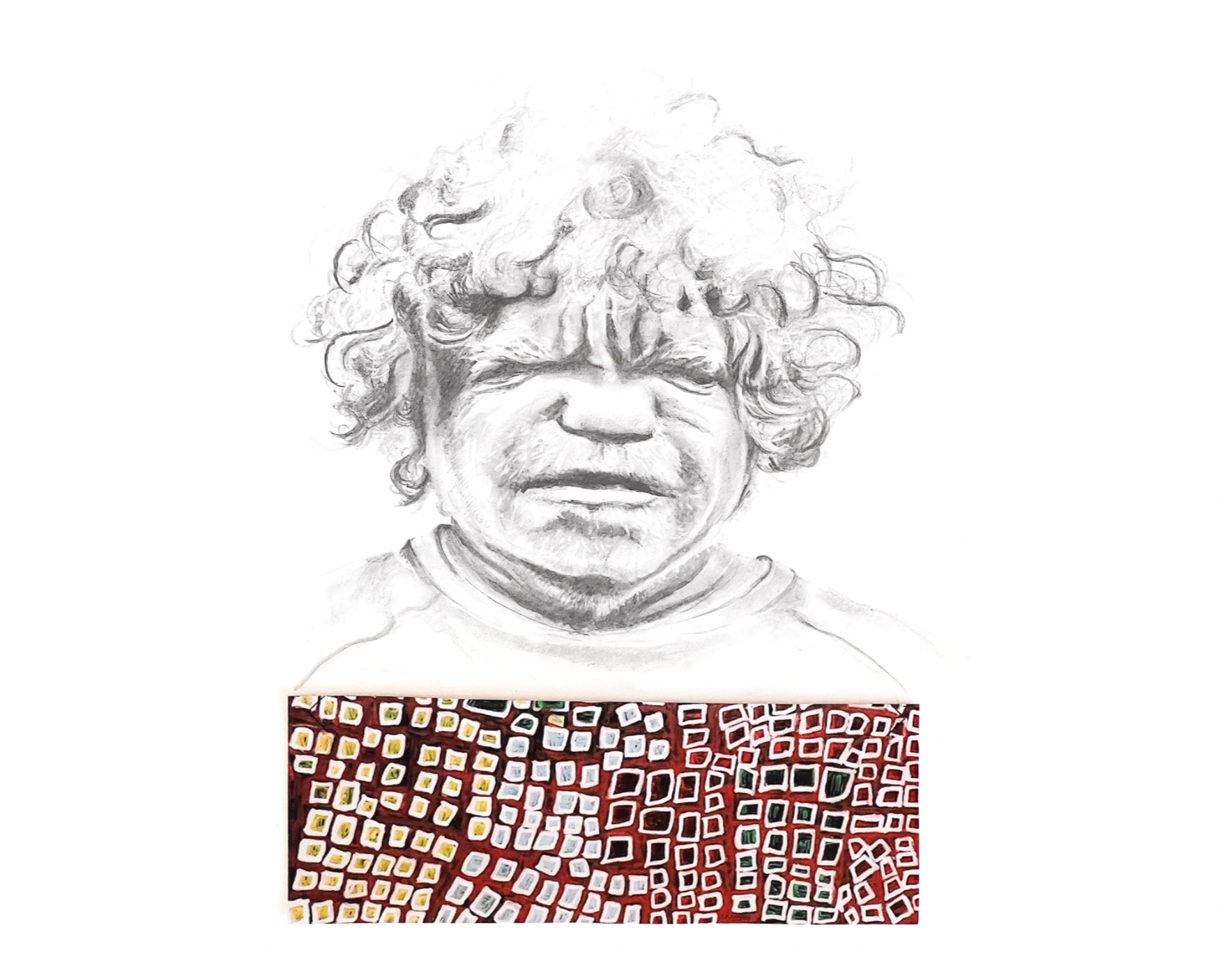
Bob Gibson Tjungurrayi: Master ofAboriginal art guardian of the Pintupi Dreaming
Bob Gibson Tjungurrayi (born around 1940) is one of the most important figures in contemporaryAboriginal art . A respected member of the Pintupi people, he embodies the generation of Aboriginal artists who transformed the sacred stories of the Dreamtime into a globally recognized artistic movement. Born in the Australian outback, Bob Gibson spent his early years living the traditional Pintupi nomadic lifestyle, which imparted to him a deep knowledge of Dreaming stories and sacred sites. The central theme of his Aboriginal art the Tingari cycle, a complex set of stories specific to the Pintupi people Pintupi the journeys of the creator Ancestors across the Gibson Desert. A longtime member of Papunya Tula Artists, the historic organization founded in 1972, Bob Gibson has developed a distinctive style characterized by balanced geometric compositions and an exceptional mastery of dot painting. His Aboriginal paintings use a subdued palette evoking the natural colors of the desert and accurately depict sacred sites and essential waterholes. Bob Gibson Tjungurrayi’s Aboriginal paintings are featured in the permanent collections of prestigious institutions such as the National Gallery of Australia and the Musée du Quai Branly. As a respected elder, he plays a crucial role in passing on artistic knowledge to younger generations Pintupi. Inma Galerie, a recognized specialist inAboriginal art , offers authentic works by Bob Gibson with full documentation via Papunya Tula Artists. Each acquisition represents a significant cultural investment and an active contribution to the preservation of millennia-old Aboriginal heritage.