
Le Serpent Arc-en-ciel : histoire et sens dans l'art aborigène
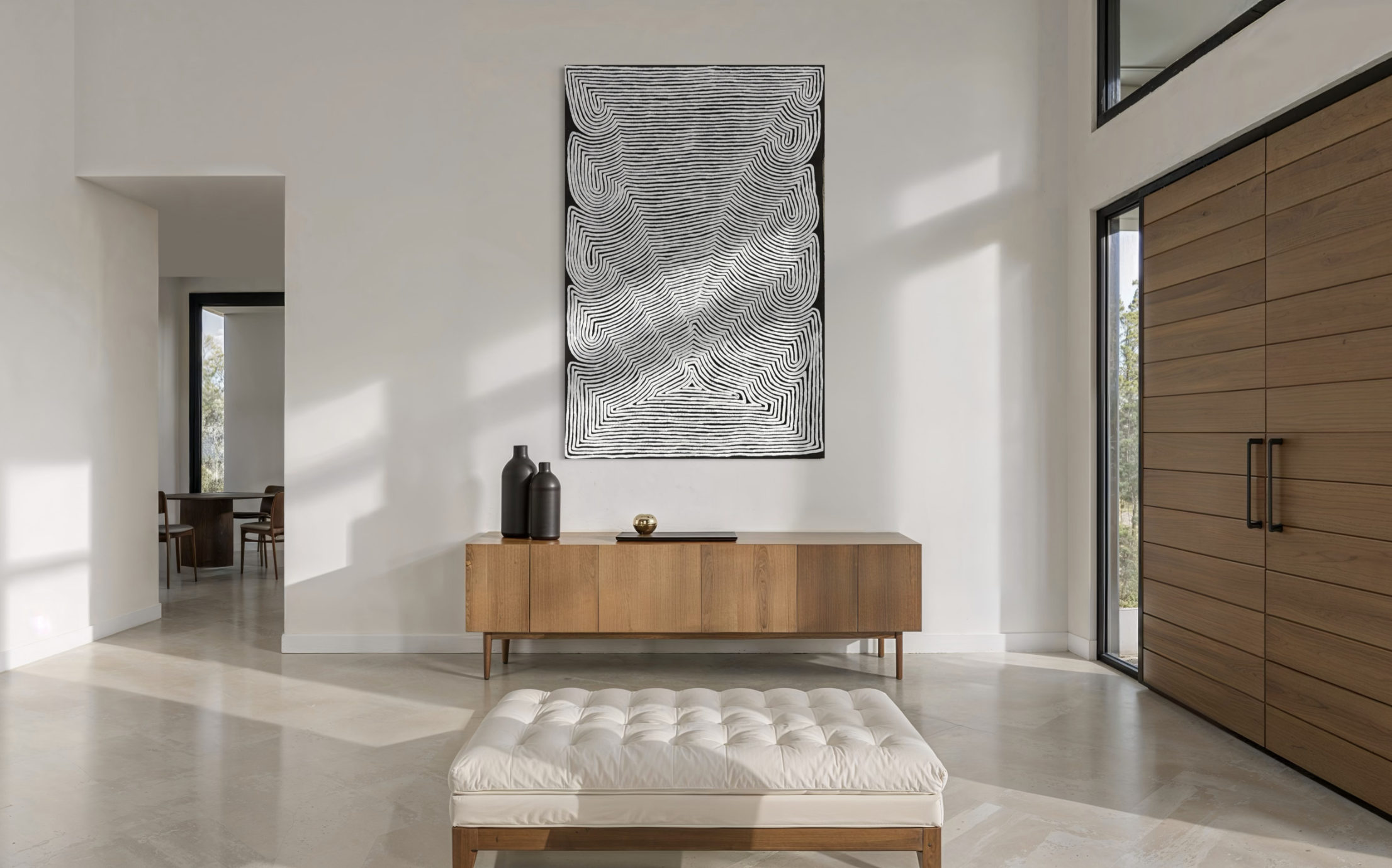
Être créateur surgi des eaux, le Serpent Arc-en-ciel a sculpté les fleuves et les points d'eau de l'Australie au commencement des temps. Découvrez l'histoire de cette figure majeure du Temps du Rêve, ses multiples noms à travers le continent, et sa place dans l'art aborigène — de l'art rupestre aux toiles contemporaines.
Emily Kame Kngwarreye : l'artiste aborigène qui a bouleversé l'histoire de l'art contemporain
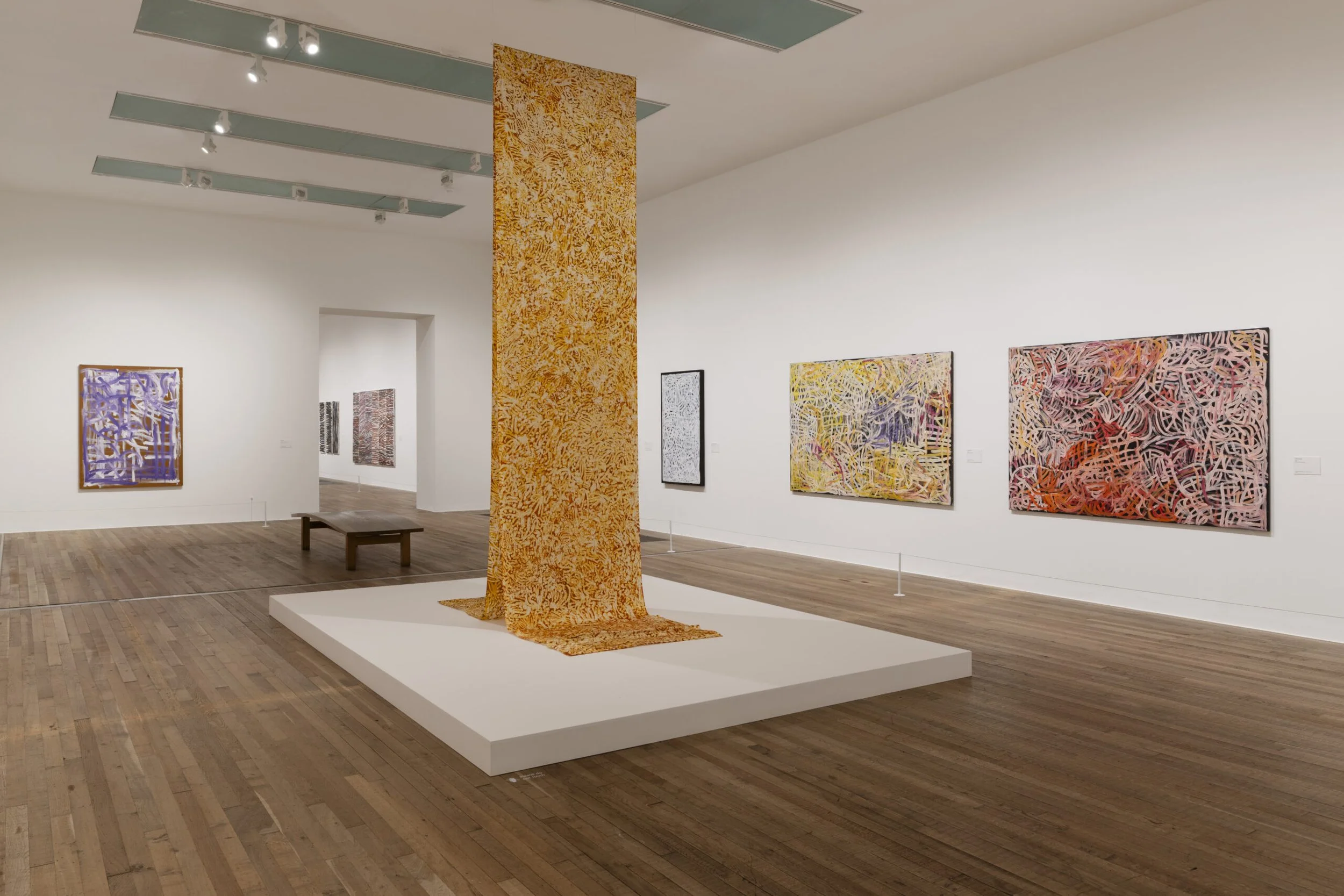
Emily Kame Kngwarreye (c.1910-1996) est l'une des figures les plus extraordinaires de l'art contemporain mondial : artiste Anmatyerre d'Utopia, dans le désert australien, elle a commencé à peindre à plus de 70 ans et produit près de 3 000 toiles en huit ans. Comparée à Monet, Rothko et Pollock par les critiques internationaux, elle représente l'Australie à la Biennale de Venise 1997 à titre posthume. Earth's Creation I (1994) établit le record de 2,1 millions de dollars australiens aux enchères en 2017. En 2025, la Tate Modern lui consacre la plus grande rétrospective jamais organisée en Europe pour un artiste australien. Ce guide complet retrace sa vie, son œuvre — les cinq périodes stylistiques, l'Awelye, le Dreaming d'Alhalkere — et les dynamiques du marché, avec les clés pour collectionner l'art d'Utopia en France.
Symboles de l'art aborigène : comprendre le langage visuel qui traverse 50 000 ans
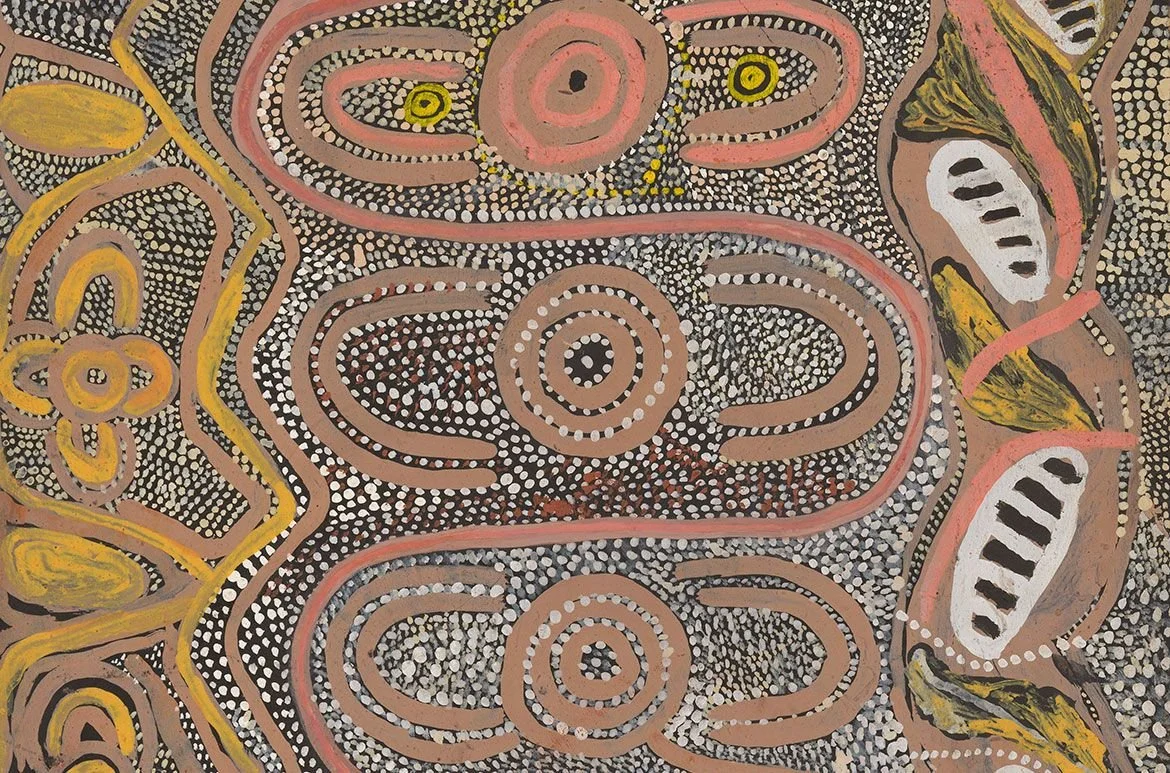
Les symboles de l'art aborigène australien — cercles, lignes, points, U inversés — sont bien plus qu'un code décoratif à mémoriser. Ils forment un système de transmission culturelle millénaire, conçu pour cartographier le territoire, raconter les récits du Tjukurpa et préserver des savoirs à plusieurs niveaux de lecture selon le degré d'initiation du regardeur. Ce guide va au-delà des définitions de base : il explique pourquoi ces symboles existent, comment les lire en pratique — avec trois exercices concrets — et ce qui reste délibérément opaque. Une clé de lecture qui, une fois tenue en main, change définitivement votre façon de regarder ces peintures.
Les techniques de narration visuelle dans la peinture aborigène
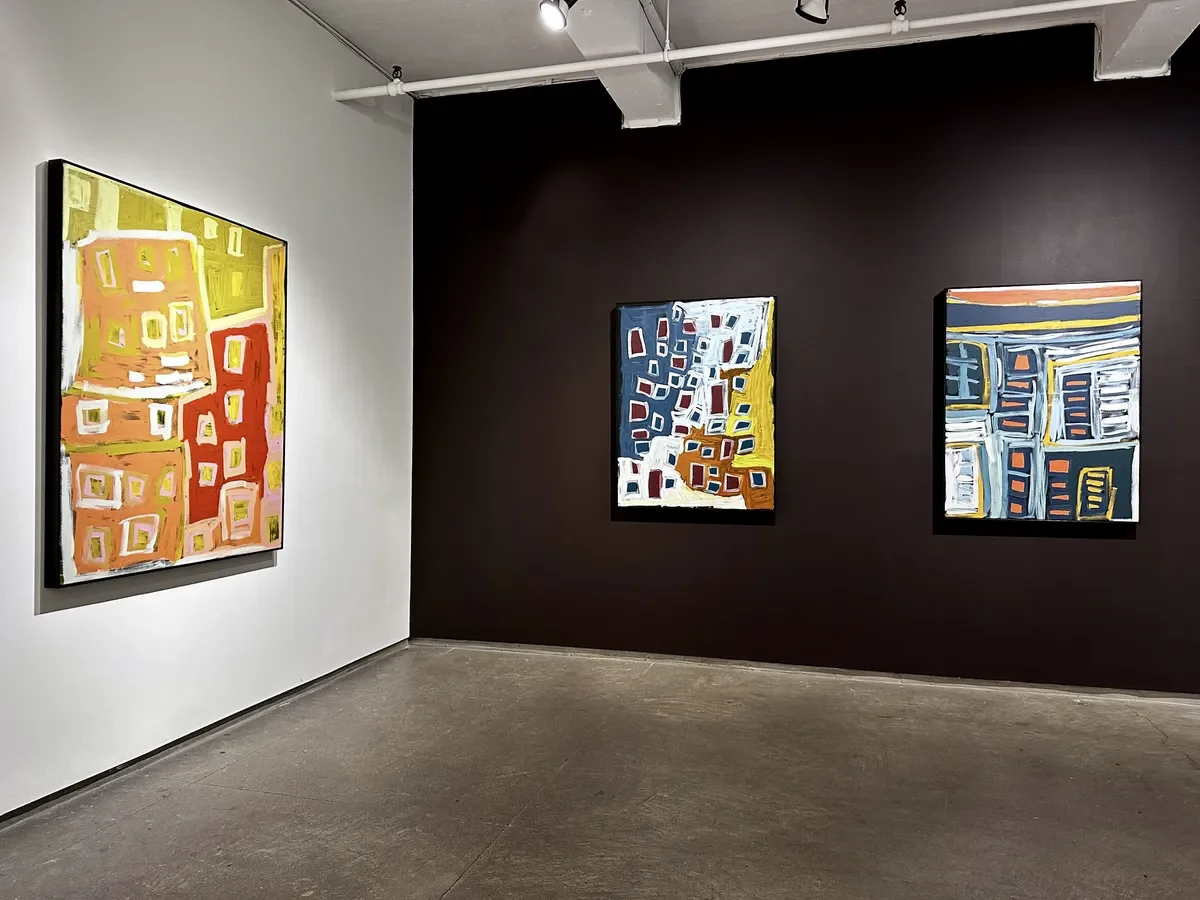
Les techniques de narration visuelle dans la peinture aborigène révèlent sophistication exceptionnelle qui dépasse largement la simple représentation : narration simultanée (Clifford Possum superposant cinq à sept récits distincts sur même toile), temporalité non-linéaire (montrer simultanément début, milieu et fin d'histoire du Temps du Rêve), compression spatiale (centaines de kilomètres de voyage Tingari condensés en format 120x90cm), et révélation sélective via dot painting qui camoufle dimensions sacrées accessibles uniquement aux initiés. La vue aérienne caractéristique permet cartographie spirituelle complexe où cercles concentriques représentent sites sacrés, lignes tracent itinéraires des Ancêtres, formes en U indiquent personnes assises, et dots remplissent multiples fonctions (paysage, camouflage, texture visuelle). Les variations régionales reflètent géographies et cultures distinctes : Pintupi (cartographie précise, palette sobre, panoramas compréhensifs), Utopia (expressivité gestuelle, évocation sensorielle, narration poétique), Kimberley (abstraction minimale, aplats puissants, intégration histoire coloniale). Chaque peinture offre niveaux de lecture multiples selon connaissances du spectateur — esthétique pure pour tous, reconnaissance éléments narratifs avec formation basique, identification récits spécifiques avec expertise, et compréhension dimensions sacrées réservée aux initiés aborigènes. Inma Galerie fournit documentation exhaustive expliquant techniques narratives et contextes culturels pour chaque œuvre, enrichissant appréciation tout en respectant limites appropriées sur informations confidentielles sacrées.
Le système des 8 skin names aborigènes : Comprendre Tjapaltjarri, Napurrula, Tjungurrayi
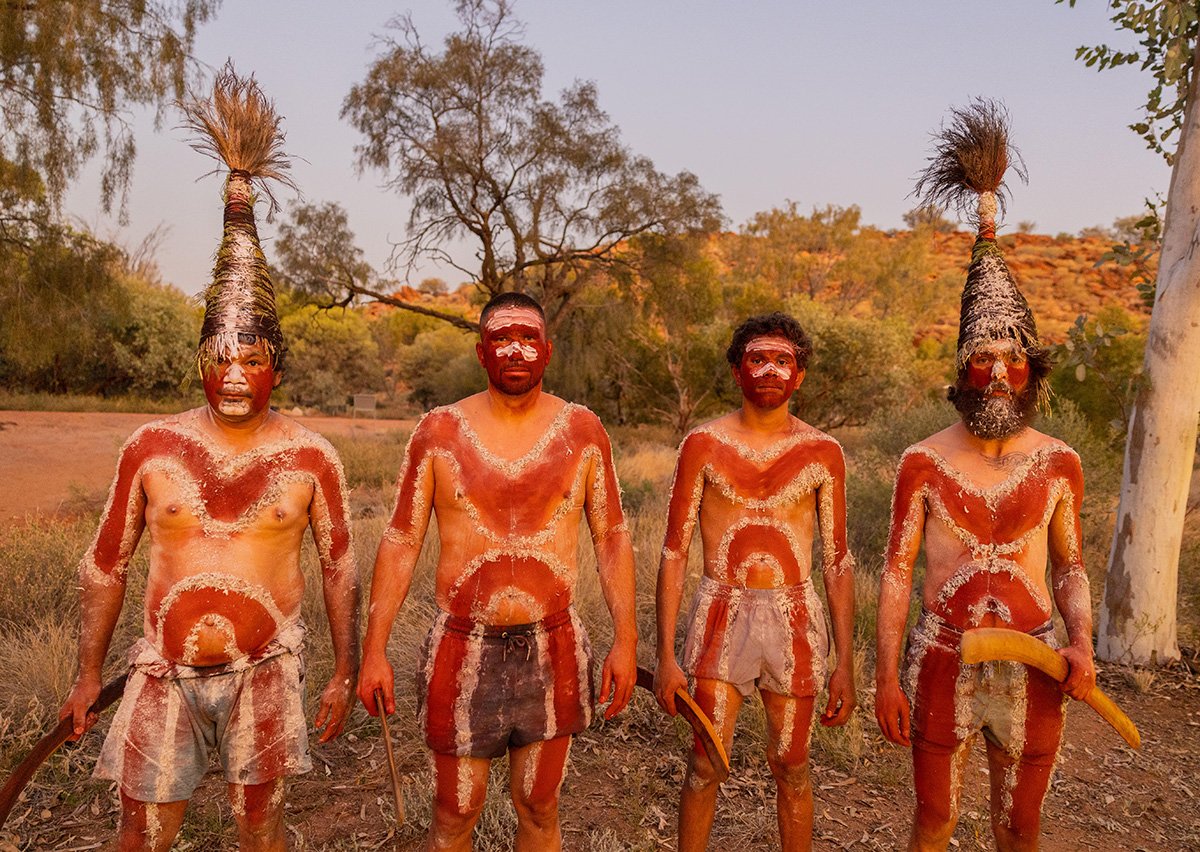
Le système des 8 skin names aborigènes — Tjapaltjarri, Tjampitjinpa, Tjungurrayi, Tjakamarra (masculins) et Napaltjarri, Nampitjinpa, Napurrula, Nakamarra (féminins) — structure la société Pintupi et Warlpiri depuis des millénaires en déterminant les mariages autorisés, les responsabilités cérémonielles, et les droits sur les récits du Temps du Rêve que chaque artiste peut légitimement peindre. Comprendre ce système transforme l'appréciation de l'art aborigène : Ningura Napurrula peignait Wirrulnga non par choix arbitraire mais par droit héréditaire lié à son statut de Napurrula et à sa lignée familiale ; Bob Gibson Tjungurrayi possède des responsabilités spécifiques sur le cycle Tingari liées à son skin name de Tjungurrayi. Le système prescrit les combinaisons matrimoniales (Tjapaltjarri épouse Nampitjinpa, Tjungurrayi épouse Napaltjarri, etc.), prévient la consanguinité sur quatre générations minimum, et régule toutes les relations sociales selon des protocoles millénaires d'une sophistication remarquable. Les variations orthographiques (Tjungurrayi/Tjupurrula, Nakamarra/Napanangka) reflètent les différences dialectales et les choix de transcription, mais le système sous-jacent reste identique à travers le désert central australien. Inma Galerie documente systématiquement les skin names dans les certificats d'authenticité, cette information confirmant l'identité culturelle de l'artiste, ses droits légitimes sur les récits représentés, et l'authenticité absolue de chaque œuvre selon les protocoles traditionnels respectés depuis des millénaires.
Les 7 sites sacrés les plus représentés dans l'art aborigène Pintupi
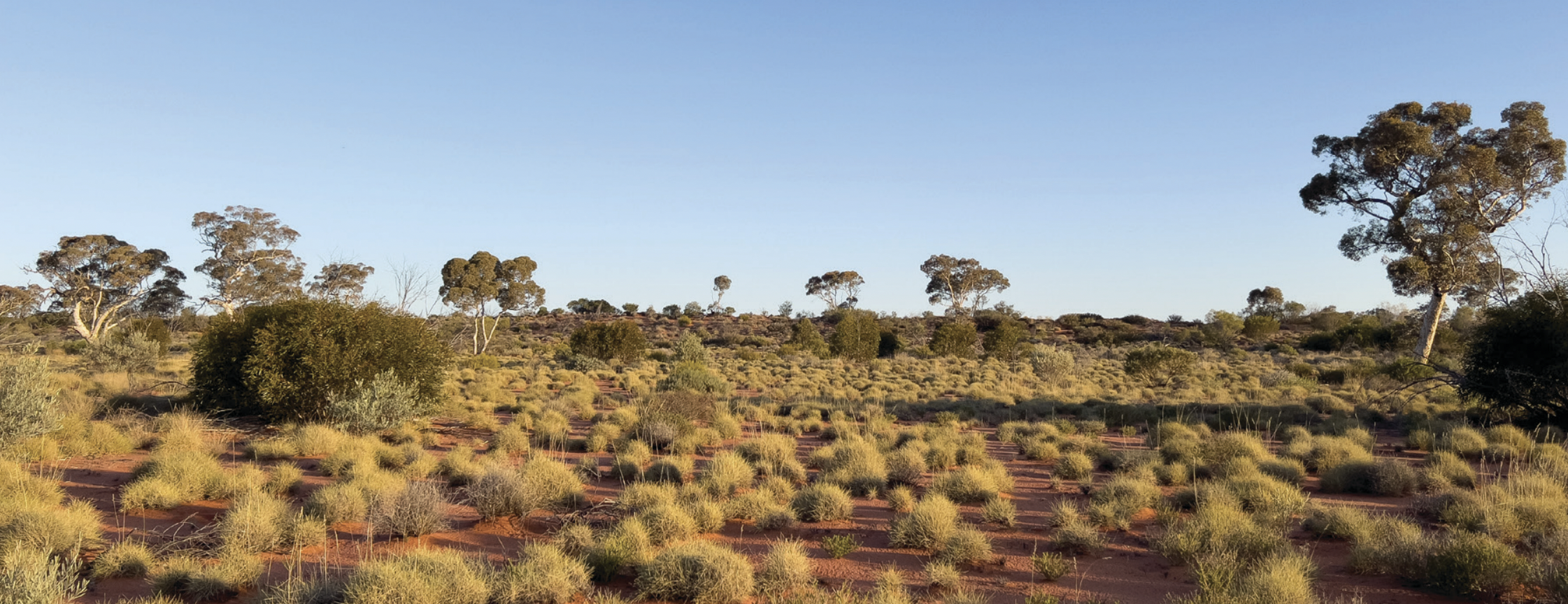
Sept sites sacrés dominent l'art aborigène Pintupi depuis 1971 : Wirrulnga, le site du pouvoir spirituel féminin où Ningura Napurrula créait ses cercles monumentaux ; Marrapinti, le carrefour des chemins Tingari que Bob Gibson peint avec ses réseaux interconnectés ; Yunala, les plaines de spinifex aux compositions horizontales ; Kiwirrkura, le cœur spirituel Pintupi et site du dernier contact en 1984 ; Lupul, avec ses acacias et ses motifs rayonnants ; Tjukula, les formations rocheuses spectaculaires aux compositions verticales ; et Mantarta, le lieu de confluence et de rassemblement social. Chaque cercle concentrique dans une peinture Pintupi représente un site réel du désert de Gibson, chargé d'histoires du Temps du Rêve transmises depuis des millénaires, ce qui transforme l'abstraction géométrique en une véritable cartographie spirituelle qui documente la géographie, la mythologie et les responsabilités culturelles des artistes. Comprendre ces sites enrichit l'appréciation des œuvres en révélant plusieurs niveaux de lecture : esthétique (le dot painting sophistiqué), géographique (la carte du territoire), culturel (les récits du Dreaming spécifiques), et spirituel (les dimensions sacrées réservées aux initiés). Les artistes majeurs peignent les sites selon leurs droits culturels légitimes : Ningura, Makinti et Wentja Morgan pour Wirrulnga féminin ; Bob Gibson et George Ward pour Marrapinti Tingari ; les artistes de Kiwirrkura qui bénéficient d'une authenticité exceptionnelle grâce à leur proximité avec le pays ancestral. Inma Galerie propose des œuvres authentifiées qui représentent ces sites sacrés, avec une documentation exhaustive, des certifications, des explications culturelles respectueuses, et un accompagnement pour une lecture à la fois informée et éthique.
Comment lire une peinture aborigène : Déchiffrer les symboles et les histoires du Temps du Rêve
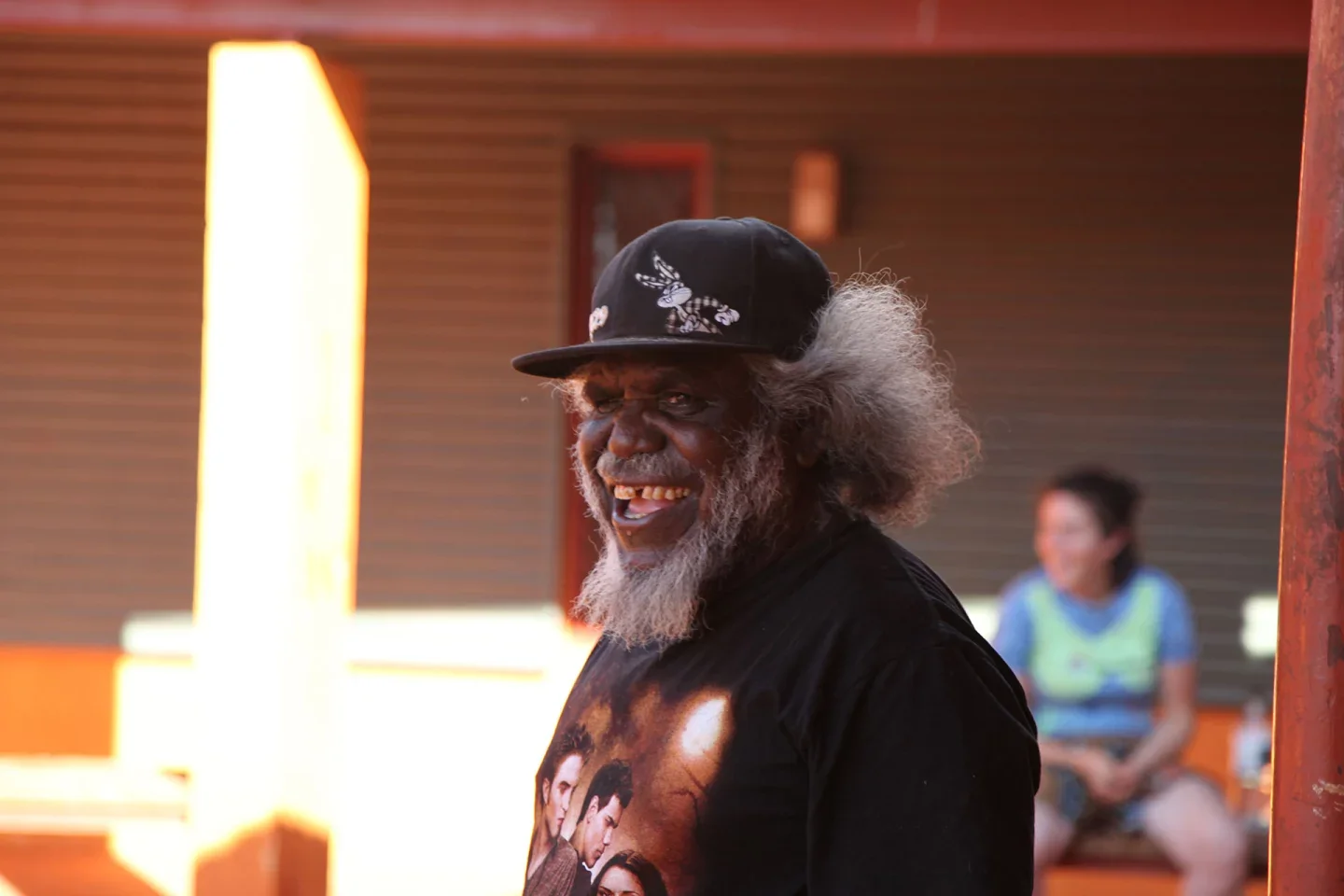
Apprendre à lire une peinture aborigène transforme votre expérience d'observation esthétique en véritable voyage culturel à travers 65 000 ans de traditions vivantes. Chaque peinture aborigène authentique fonctionne simultanément comme carte géographique du territoire, récit du Temps du Rêve, document de transmission culturelle et affirmation identitaire. Les symboles fondamentaux - cercles concentriques (points d'eau, sites sacrés), lignes (chemins ancestraux), U inversés (personnes), dots (paysage) - créent un langage visuel sophistiqué nécessitant documentation et contexte culturel pour être déchiffré correctement. Ce guide complet d'Inma Galerie vous enseigne les quatre étapes essentielles : observer la structure globale, identifier les éléments principaux, comprendre le contexte culturel, et apprécier les multiples niveaux de lecture (esthétique, géographique, narratif, spirituel). Chaque acquisition chez Inma Galerie inclut documentation exhaustive permettant de lire authentiquement votre peinture aborigène : certificat, explication du Dreaming, guide des symboles, biographie artiste, accompagnement personnalisé.
Gibson's Desert: A Spiritual Geography ofAboriginal art
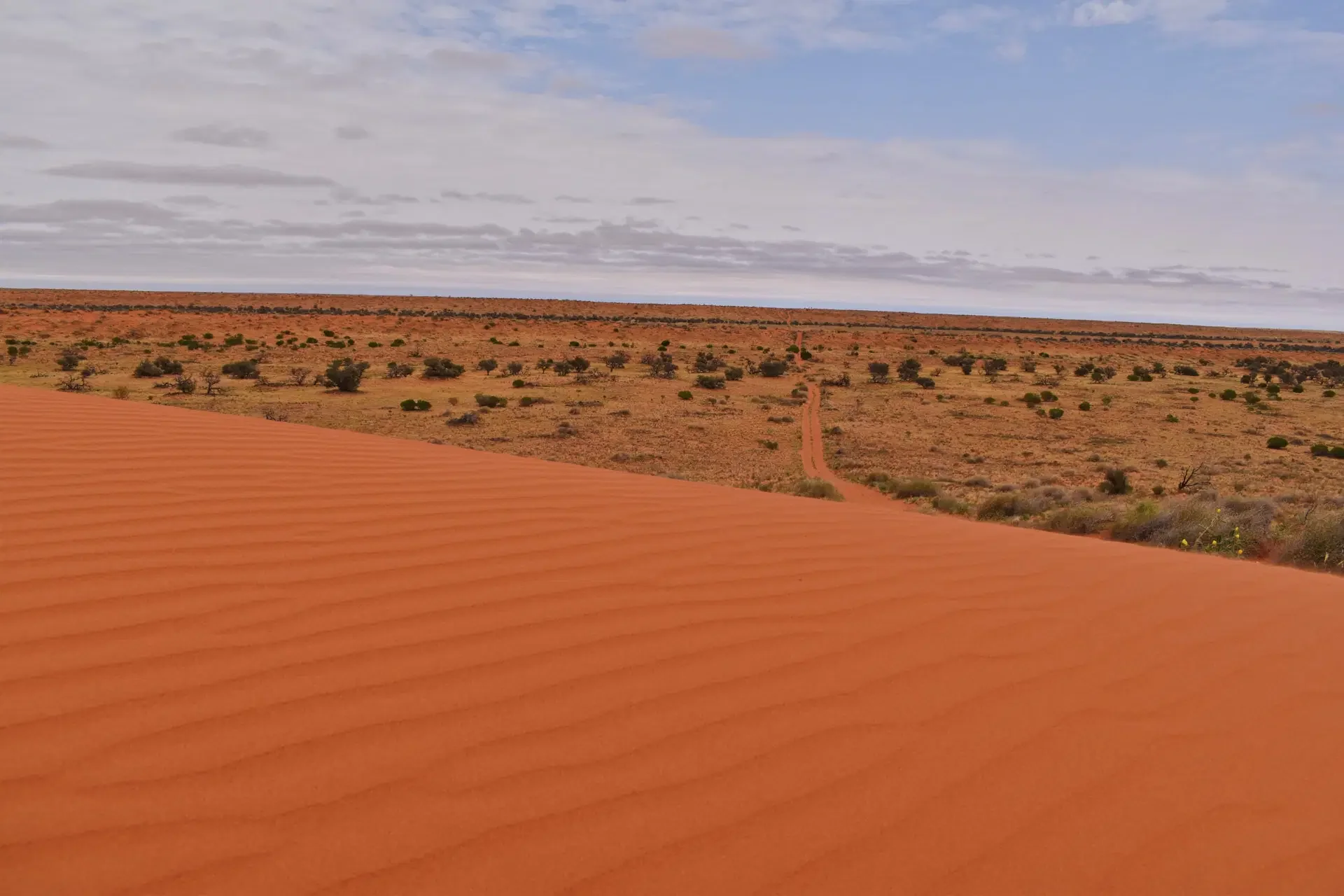
The Gibson Desert is much more than just an arid expanse in Western Australia: it is the spiritual heart of the Pintupi people Pintupi the birthplace of some of the greatest contemporary Aboriginal artists. This inhospitable region, with its extreme temperatures and scarcity of water, has shaped a culture of exceptional resilience and given rise to Aboriginal art unique spiritual depth. From Bob Gibson Tjungurrayi to George Ward Tjungurrayi, from Wentja Morgan Napaltjarri to Turkey Tolson Tjupurrula, the masters of the Gibson Desert have transformed their intimate knowledge of this land into paintings that captivate collectors around the world.
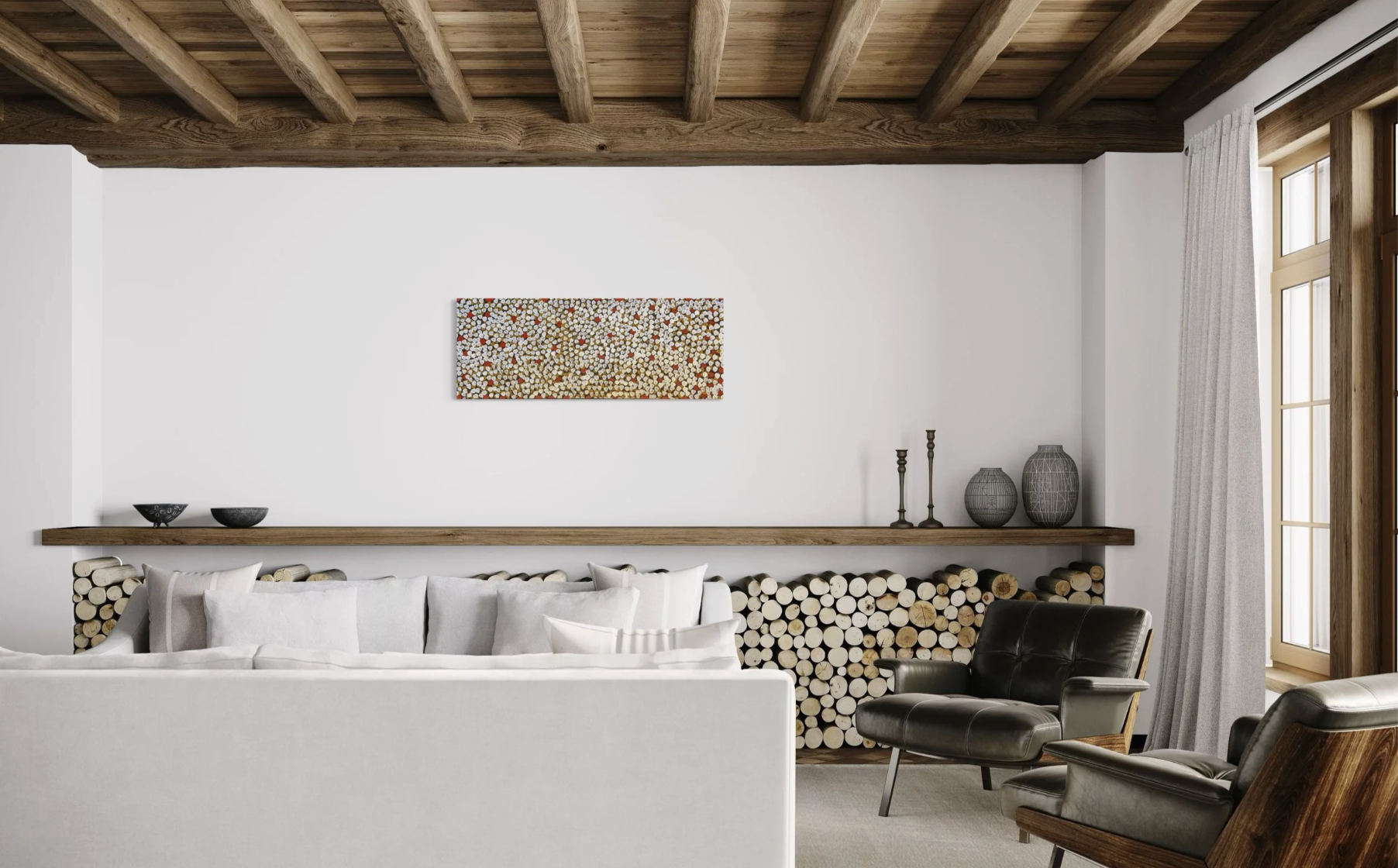
Old Mick Wallankari Tjakamarra: Pioneer ofAboriginal art guardian of the Dreaming
Old Mick Wallankari Tjakamarra (c. 1925–1998) was one of the most important founding artists of theAboriginal art movement launched in Papunya in 1971. A respected member of the Pintupi people, he played a crucial role in transforming the sacred stories of the Dreamtime into revolutionary acrylic paintings. Born in the Western Desert and having lived according to Pintupi nomadic traditions Pintupi adulthood, Old Mick possessed an authentic knowledge of Dreaming stories and ancestral ceremonies. In 1971, alongside Geoffrey Bardon and pioneers such as Clifford Possum Tjapaltjarri and Johnny Warangkula Tjupurrula, he participated in the early experiments that created the visual language ofAboriginal art . Old Mick contributed to the development of the dot painting technique, which became the iconic signature of CentralAboriginal art . His Aboriginal paintings are characterized by narrative compositions mapping the sacred sites and ancestral journeys of the Tingari cycle. A founding member of Papunya Tula Artists 1972, he participated in the historic exhibitions of the 1970s and 1980s that introducedAboriginal art the world. His Aboriginal paintings are included in the permanent collections of the National Gallery of Australia, the Art Gallery of NSW, and other prestigious institutions. Old Mick’s works possess exceptional heritage value as direct testimonies to the emergence ofAboriginal art . Inma Galerie, a specialist inAboriginal art , occasionally offers these rare historical works with Papunya Tula Artists authentication Papunya Tula Artists comprehensive documentation.
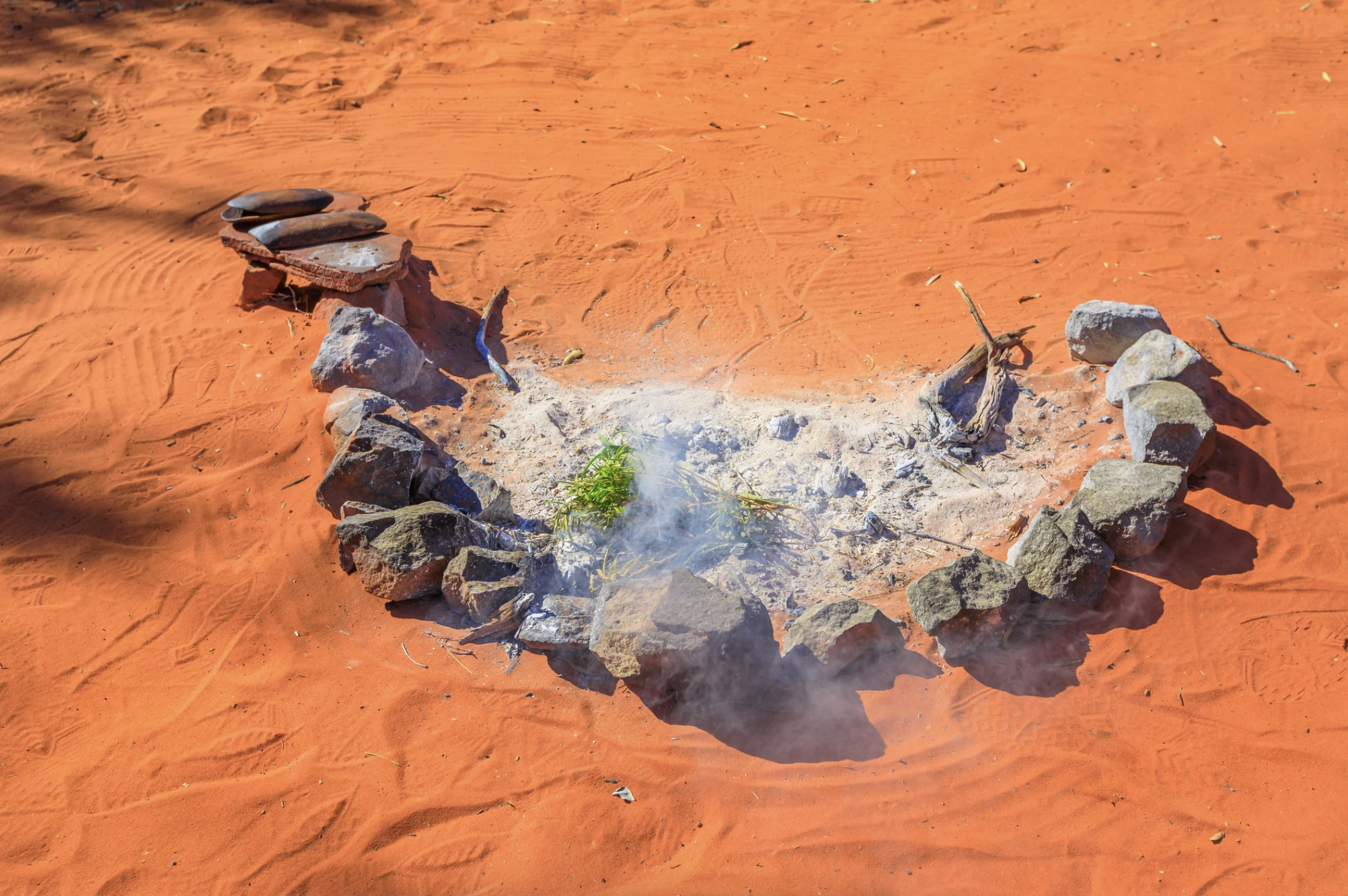
The Tingari Cycle Tingari Sacred Stories of the Pintupi People Pintupi Their Expression inAboriginal art
The Tingari Cycle Tingari one of the most sacred and complex sets of stories in the Aboriginal Dreamtime, specific to the Pintupi people Pintupi Australia’s central desert. These ancestral stories recount the epic journeys of groups of creator Ancestors who traversed the desert during the time of creation, shaping the landscape, establishing waterholes, and instituting the social laws that still structure Aboriginal culture today. The Tingari cycle Tingari a multi-layered structure of knowledge, revealed progressively during male initiations, ensuring that the most sacred aspects remain protected. InAboriginal art , the Tingari cycle Tingari a major source of inspiration since the Papunya movement in 1971. Aboriginal artists such as Bob Gibson Tjungurrayi, George Ward Tjungurrayi, Wentja Morgan Napaltjarri, and Turkey Tolson Tjupurrula have dedicated their careers to visually conveying these sacred stories through their exceptional Aboriginal paintings. Aboriginal paintings of the Tingari cycle Tingari characterized by concentric circles representing sacred sites, lines indicating ancestral journeys, and a dot painting technique that creates depth and texture. These works function simultaneously as art, spiritual maps of the territory, and documents of cultural preservation. The Tingari Cycle Tingari a true system of Aboriginal laws governing the social organization, relationship to the land, and ceremonial practices of the Pintupi people. Inma Galerie, a specialist inAboriginal art , offers an exclusive collection of authentic paintings from the Tingari Cycle, complete Tingari documentation and a guarantee of authenticity. Collecting a work from the Tingari cycle means becoming a guardian of a fragment of ancestral knowledge and actively participating in the preservation of this intangible cultural heritage of humanity.
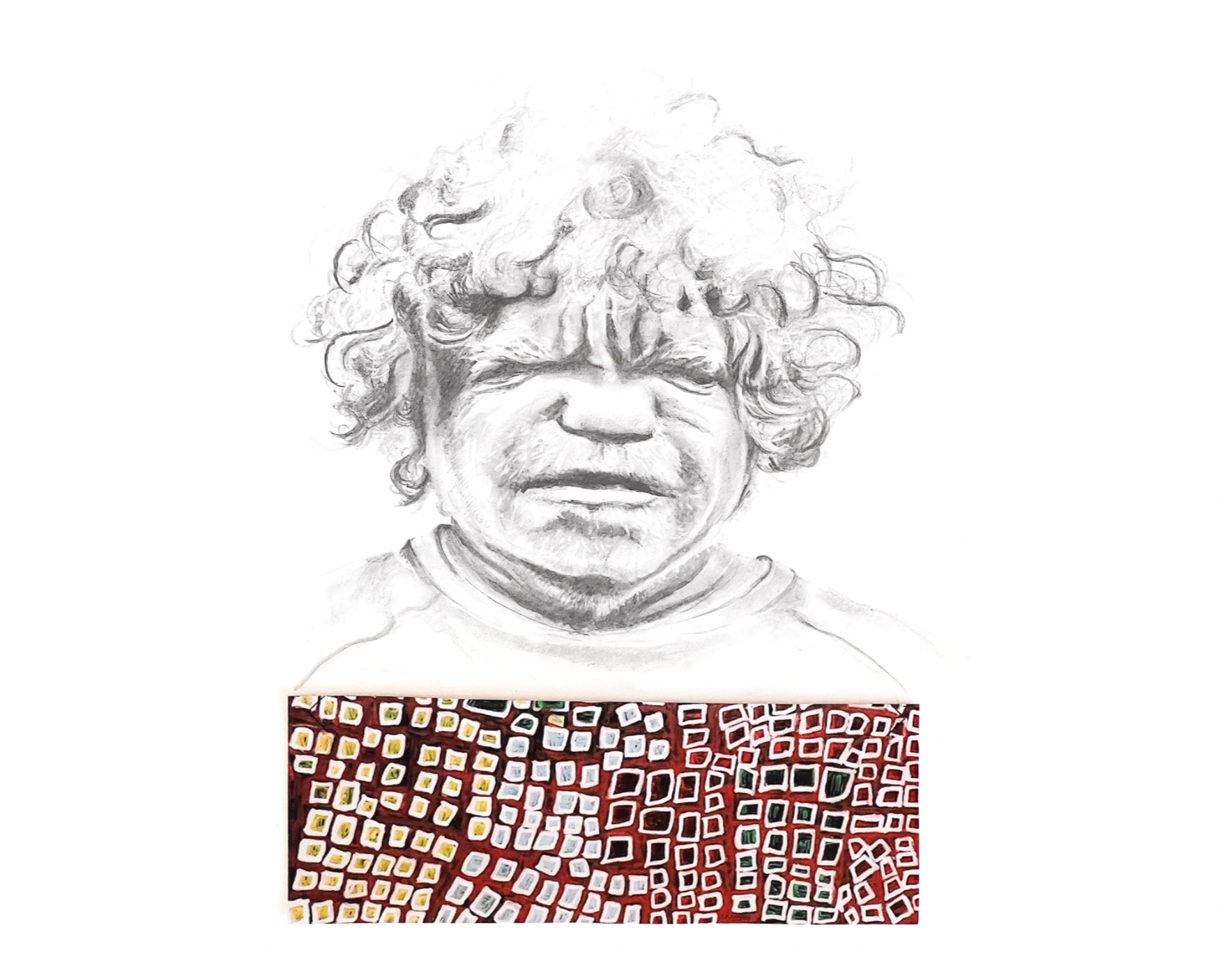
Bob Gibson Tjungurrayi: Master ofAboriginal art guardian of the Pintupi Dreaming
Bob Gibson Tjungurrayi (born around 1940) is one of the most important figures in contemporaryAboriginal art . A respected member of the Pintupi people, he embodies the generation of Aboriginal artists who transformed the sacred stories of the Dreamtime into a globally recognized artistic movement. Born in the Australian outback, Bob Gibson spent his early years living the traditional Pintupi nomadic lifestyle, which imparted to him a deep knowledge of Dreaming stories and sacred sites. The central theme of his Aboriginal art the Tingari cycle, a complex set of stories specific to the Pintupi people Pintupi the journeys of the creator Ancestors across the Gibson Desert. A longtime member of Papunya Tula Artists, the historic organization founded in 1972, Bob Gibson has developed a distinctive style characterized by balanced geometric compositions and an exceptional mastery of dot painting. His Aboriginal paintings use a subdued palette evoking the natural colors of the desert and accurately depict sacred sites and essential waterholes. Bob Gibson Tjungurrayi’s Aboriginal paintings are featured in the permanent collections of prestigious institutions such as the National Gallery of Australia and the Musée du Quai Branly. As a respected elder, he plays a crucial role in passing on artistic knowledge to younger generations Pintupi. Inma Galerie, a recognized specialist inAboriginal art , offers authentic works by Bob Gibson with full documentation via Papunya Tula Artists. Each acquisition represents a significant cultural investment and an active contribution to the preservation of millennia-old Aboriginal heritage.
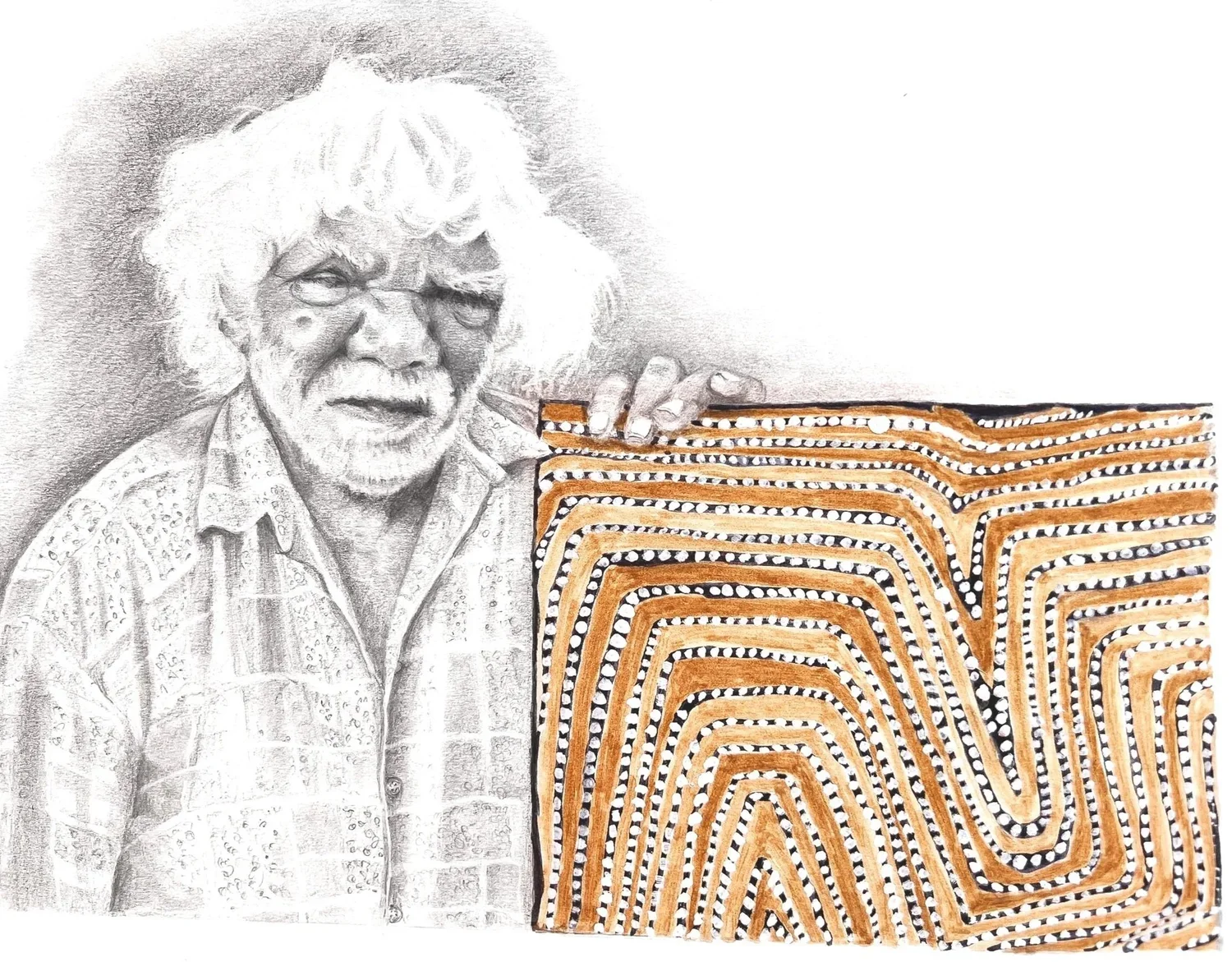
George Ward Tjungurrayi: Master of Central Australian Aboriginal Art
George Ward Tjungurrayi (c. 1943–2020) is one of the most respected Aboriginal artists in the AustralianAboriginal art movement. A member of the Pintupi people, he dedicated his life to passing down the sacred stories of the Dreamtime through his exceptional Aboriginal paintings. Born in the Gibson Desert, one of Australia’s most remote regions, George Ward Tjungurrayi lived according to ancestral traditions before becoming a pillar of the artistic community in Kintore and Kiwirrkura. His Aboriginal art a deep understanding of the land and the ancestral stories that shape it. The dominant theme of his work is the Tingari cycle, a complex set of Dreaming narratives unique to the Pintupi people Pintupi the journeys of the creator Ancestors across the desert. His style is distinguished by balanced geometric compositions, a subdued palette evoking the colors of the desert, and an exceptional mastery of dot painting (Aboriginal pointillism). George Ward Tjungurrayi’s Aboriginal paintings are featured in major international collections, from the National Gallery of Australia to the Musée du Quai Branly. His sister, Lorna Ward Napanangka, is also a renowned artist, illustrating the family’s transmission of artistic knowledge. Inma Galerie, a specialist inAboriginal art , offers authentic works by this master artist with complete documentation and a guarantee of authenticity. Each painting tells a story from the Dreaming, keeping alive the spiritual connection to the Central Desert.

The Dreaming in Aboriginal Art: History, Symbolism, and Contemporary Influence
TheDreamtime is the spiritual heart ofAboriginal art and fascinates art lovers around the world. This ancestral concept, which is much more than mere mythology, represents the worldview of the Aboriginal peoples who have lived in Australia for over 65,000 years. Every Aboriginal painting tells a story from the Dreamtime: the creation of the world by the Ancestors, the spiritual laws established, and the living connection between past, present, and future. In this comprehensive article, discover the fascinating history of Dreamtime, the symbolism of Aboriginal motifs (concentric circles, dots, lines), the artistic techniques of Aboriginal pointillism, and the influence of the Dreamtime on international contemporary art. Inma Galerie, a specialist inAboriginal art , guides you in understanding, appreciating, and collecting these exceptional works that convey 65,000 years of living culture. Explore the stories of the creator Ancestors, the Rainbow Serpent, the Seven Sisters, and many other sacred tales.

Ronnie Tjampitjinpa : maître pionnier de l'art aborigène contemporain du désert occidental
Découvrez l'œuvre exceptionnelle de Ronnie Tjampitjinpa, pionnier de l'art aborigène contemporain du désert occidental australien. De ses débuts à Papunya Tula à sa reconnaissance internationale, cet article explore l'influence considérable de cet artiste Pintupi dont les compositions géométriques puissantes ont révolutionné l'art aborigène et continuent de fasciner collectionneurs et institutions du monde entier.

Investing inAboriginal art A Comprehensive Guide for Collectors
Are you passionate aboutAboriginal art and considering investing in this unique art form? The Inma Gallery offers a comprehensive guide to help you understand the specifics of this rapidly growing market. From authenticating works to selecting promising artists, and from acquisition strategies tailored to every budget, discover expert advice on building aAboriginal art collectionAboriginal art that combines cultural enrichment with investment potential.

Glossaire de l’Art Aborigène Australien : Comprendre les Symboles et les Traditions
Découvrez l'univers fascinant de l’art aborigène australien à travers notre glossaire détaillé. Des concepts fondateurs comme le Temps du Rêve et les songlines aux techniques emblématiques telles que la peinture en points et l’art aux rayons X, cet article vous plonge dans une tradition millénaire, riche en symboles et en spiritualité. Apprenez à décrypter les motifs, les objets sacrés et les animaux totémiques qui façonnent cette expression artistique unique. Un voyage immersif au cœur de l’un des plus anciens patrimoines artistiques du monde.

L’art aborigène à travers les régions d’Australie : un voyage culturel et spirituel
L’art aborigène australien est bien plus qu’une simple expression artistique : c’est un langage visuel ancestral, profondément ancré dans la spiritualité et la transmission des savoirs. Chaque région d’Australie possède ses propres styles, techniques et symboles, reflétant les croyances et la connexion des peuples autochtones à leurs terres.
Des peintures sur écorce de la Terre d’Arnhem aux motifs pointillistes du désert des Pinnacles, en passant par l’influence sacrée d’Uluru et la faune emblématique du Queensland, plongez dans un voyage à la découverte des traditions artistiques aborigènes.
Les symboles dans l’art aborigène : un langage sacré et intemporel
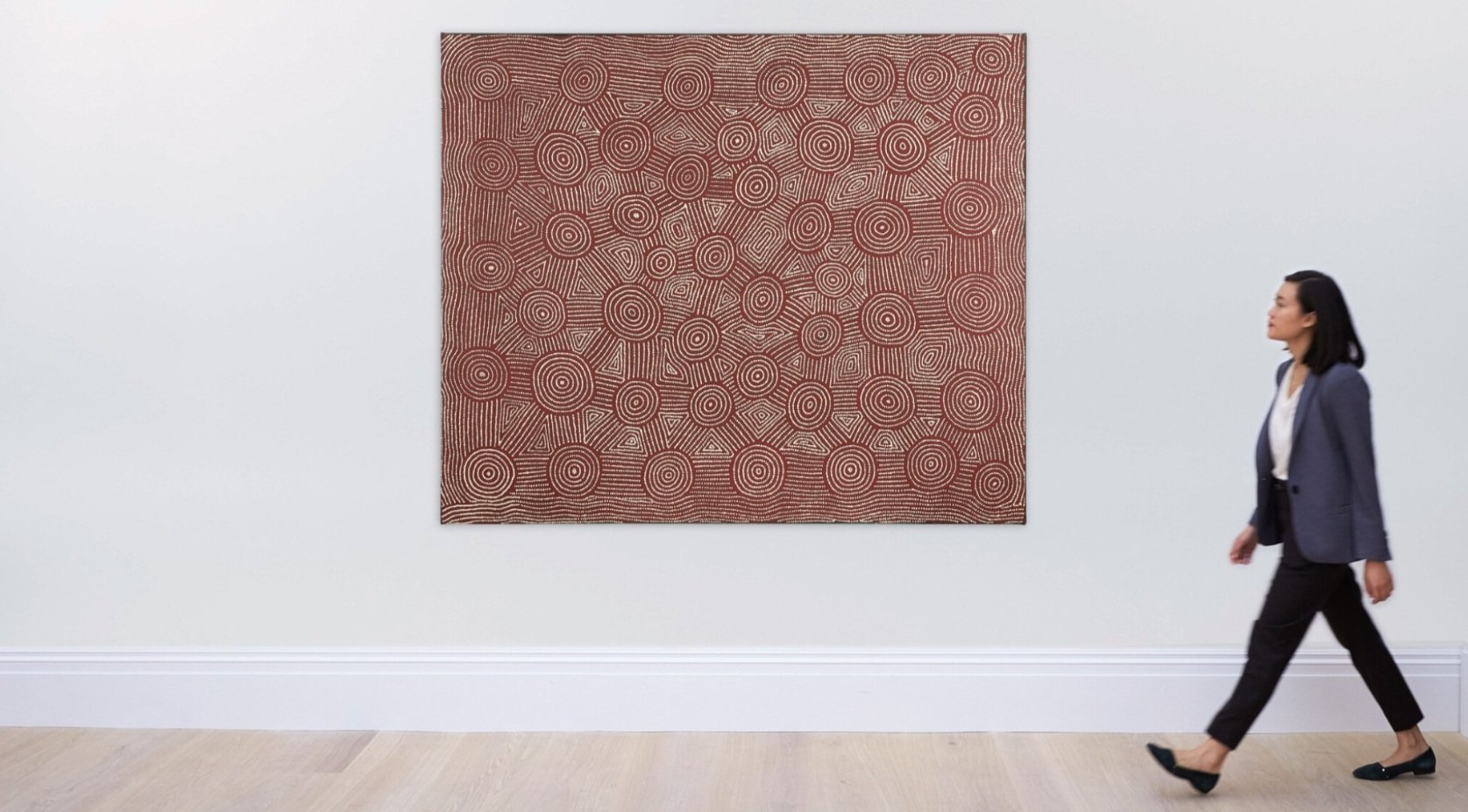
L’art aborigène est une forme d’expression visuelle unique, utilisée depuis plus de 50 000 ans par les peuples autochtones d’Australie. Bien plus qu’un simple art décoratif, il constitue un véritable langage servant à transmettre les histoires, croyances et connaissances d’une civilisation ancestrale. Chaque peinture, chaque motif est porteur de sens profond, ancré dans une tradition millénaire.
Le Temps du Rêve dans l’art aborigène : histoire, symbolisme et influence
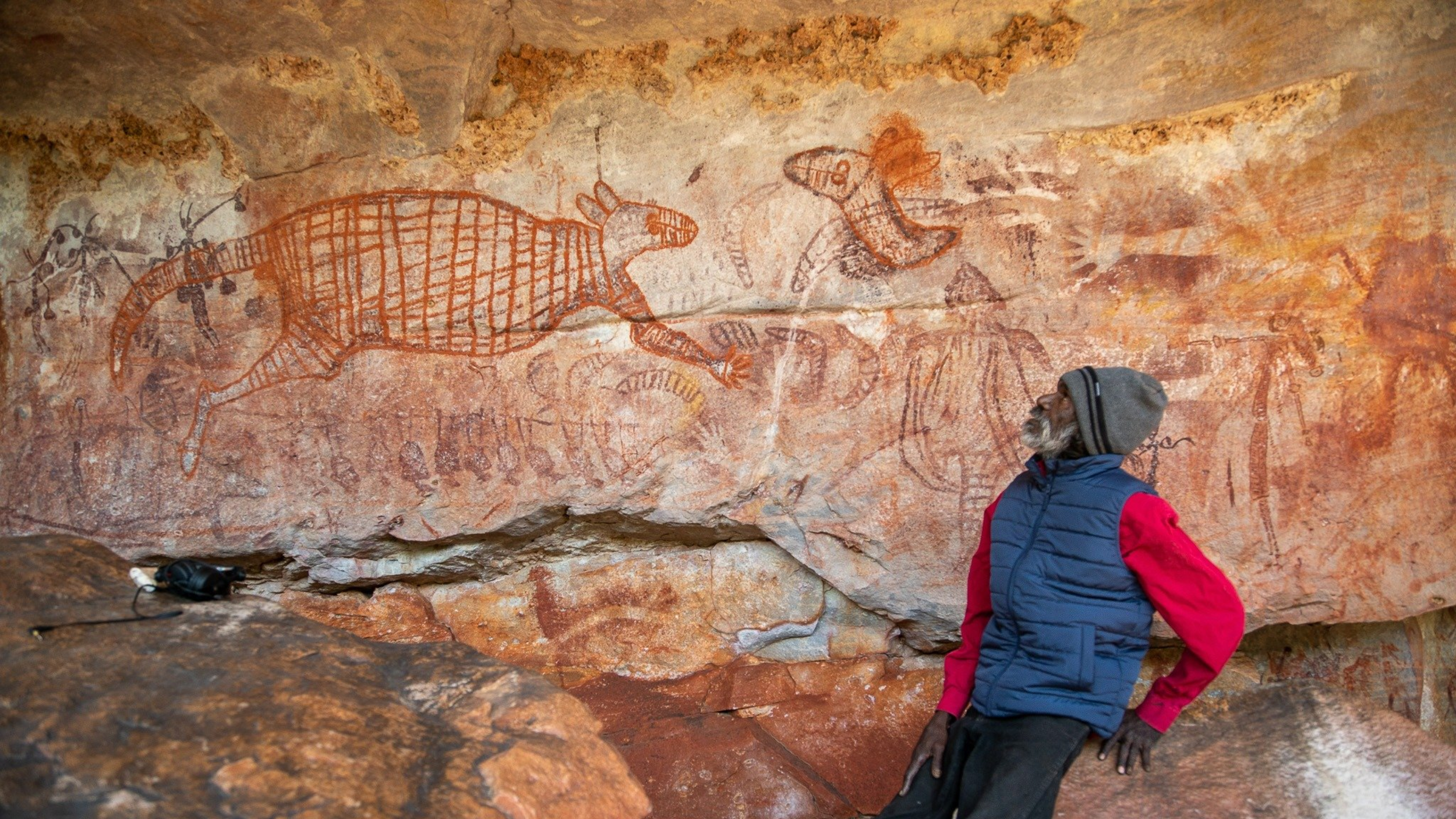
L’art aborigène australien est bien plus qu’une simple expression artistique : il incarne une transmission culturelle et spirituelle ancrée dans le Temps du Rêve. Ce concept fondateur relie les peuples autochtones à leur territoire et à leurs ancêtres à travers des motifs symboliques et des peintures à points fascinantes.
Dans cet article, explorez l’histoire et le symbolisme de l’art aborigène, son lien profond avec la cosmogonie autochtone et son influence croissante sur la scène artistique contemporaine. Plongez au cœur d’un patrimoine ancestral où chaque œuvre raconte une histoire sacrée.