
Investing inAboriginal art : A Comprehensive Guide for French Collectors (2026)
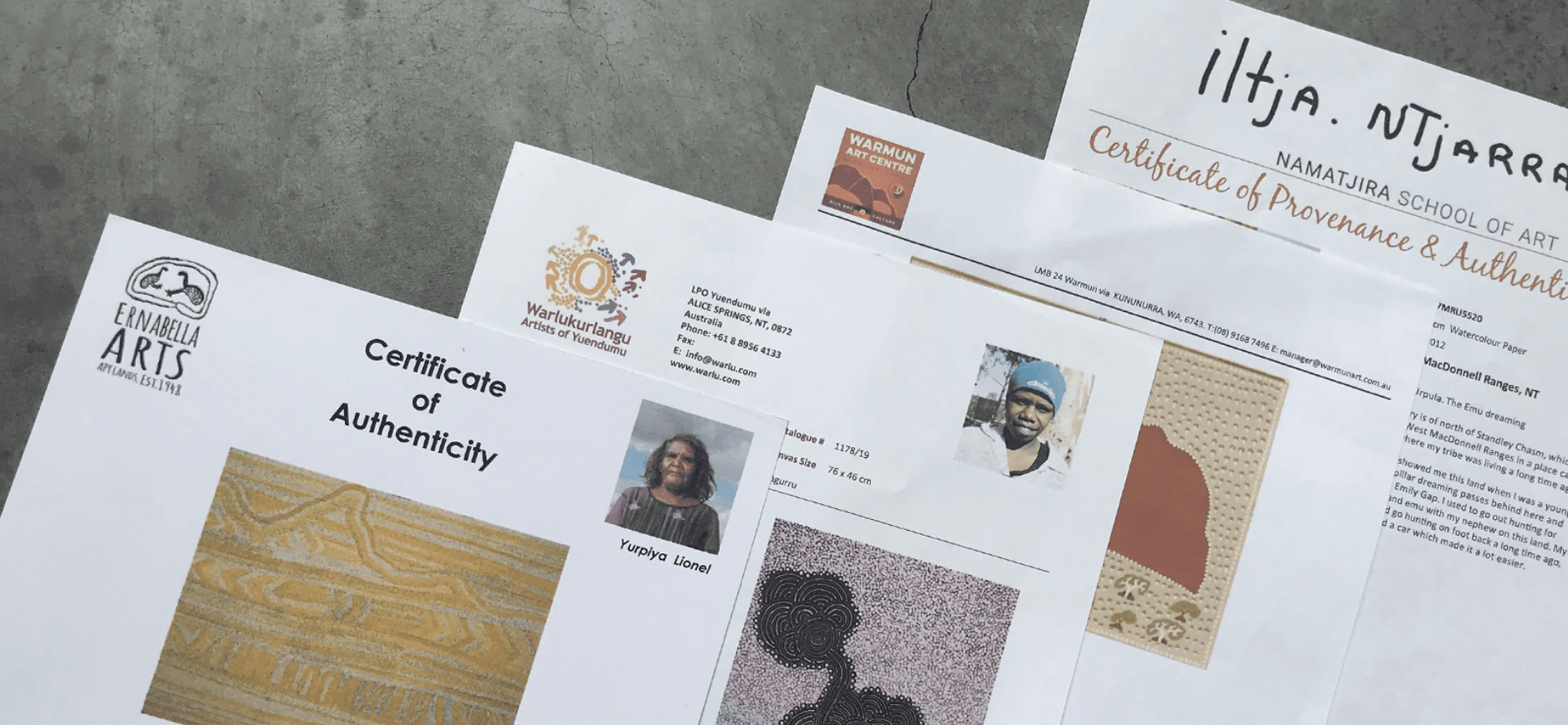
L'art aborigène australien connaît une croissance spectaculaire avec une appréciation moyenne de 12-18% annuelle entre 2019 et 2025, surpassant de nombreux segments de l'art contemporain occidental. Pour les collectionneurs français, cet art représente une opportunité d'investissement patrimonial exceptionnelle combinant authenticité culturelle millénaire et potentiel de valorisation solide, tout en bénéficiant d'une fiscalité avantageuse (TVA 5,5%, exonération IFI). Cependant, le succès commercial a attiré contrefaçons et pratiques non éthiques, rendant essentielle l'acquisition auprès de galeries spécialisées garantissant authenticité et traçabilité. Inma travaille exclusivement avec des art centres reconnus, signataires de l'Indigenous Art Code, propose ce guide complet 2026 couvrant authentification, artistes incontournables (Emily Kame Kngwarreye, Clifford Possum, Gloria Petyarre), fourchettes de prix par budget (3 000€-100 000€+), et stratégies d'investissement intelligent. Au-delà de l'investissement financier, collectionner l'art aborigène signifie devenir gardien d'un patrimoine immatériel de l'humanité, préservant des récits du Temps du Rêve transmis depuis 65 000 ans.

How do I start a collection ofAboriginal art ?
Discover how to start a collection ofAboriginal art with this expert guide from Inma Galerie. From understanding the ancestral traditions of the Dreamtime to modern acquisition techniques, learn how to identify authentic works, choose the right artists, and invest with confidence. Explore selection criteria, budget ranges, and best practices for preservation to build an exceptional collection that honors Aboriginal cultural richness while enhancing your artistic legacy.
How to recognize the different regional styles ofAboriginal art
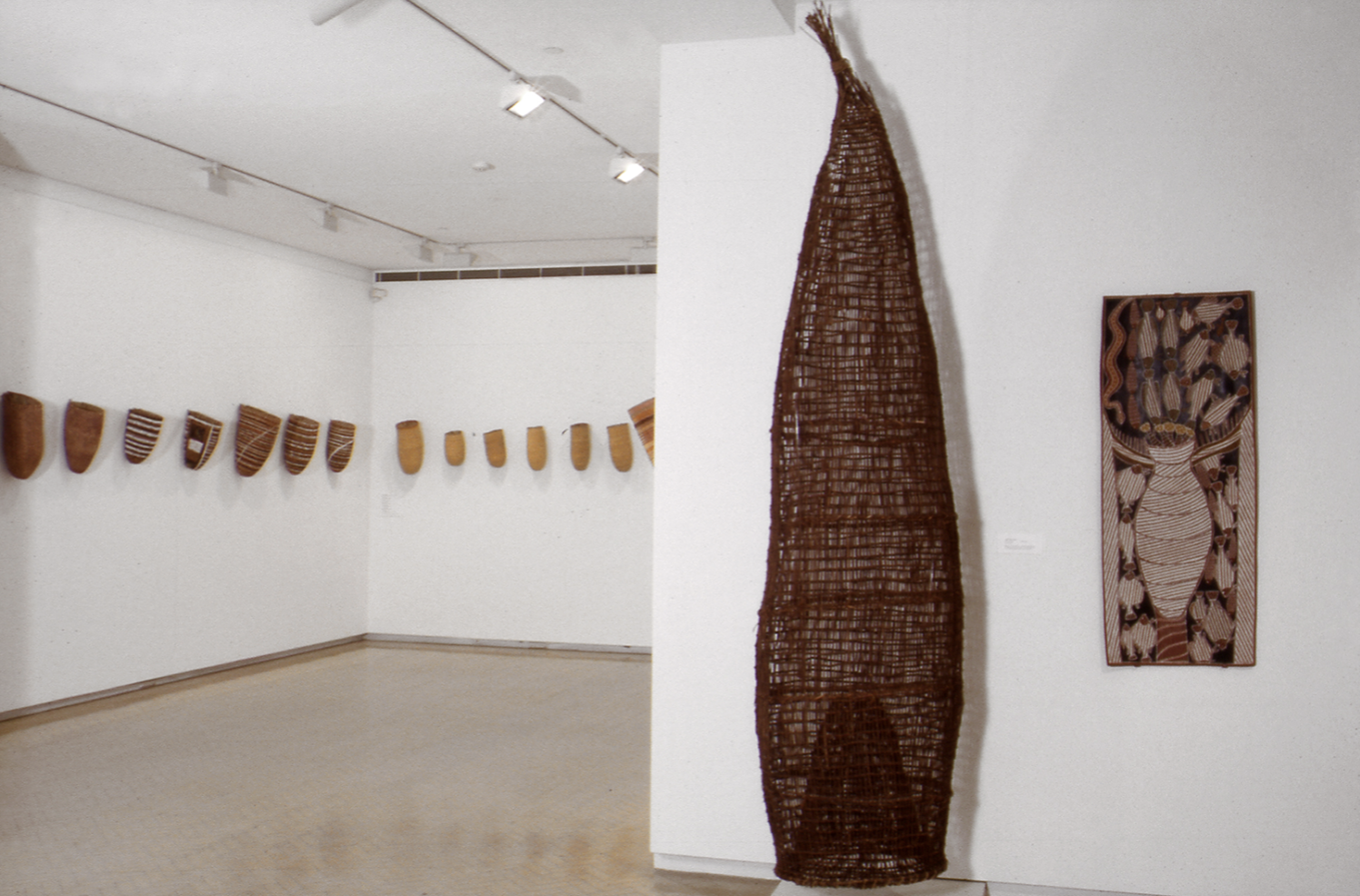
Aboriginal art reveals a mosaic of fascinating regional styles, each carrying millennia-old stories and unique techniques. From dot painting in the Central Desert to painted bark in Arnhem Land, the Wandjina figures of the Kimberley, and the geometric patterns of the Tiwi Islands, discover the distinctive visual codes that characterize each region. This comprehensive guide helps you recognize different styles, identify traditional techniques, and appreciate the contemporary evolution of this ancestral art. You’ll also learn how to authenticate works and adopt an ethical approach to collecting that respects Aboriginal cultural traditions.