
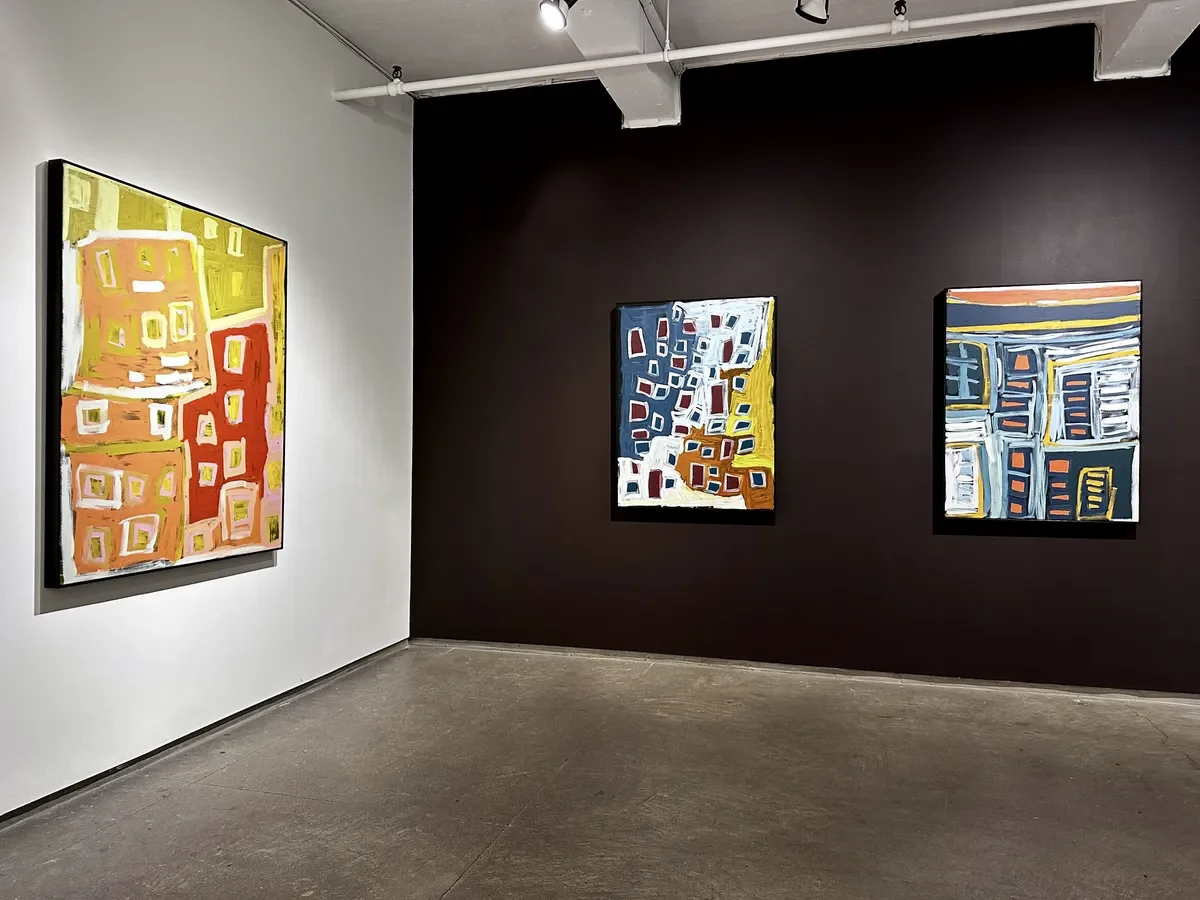
Les techniques de narration visuelle dans la peinture aborigène
Les techniques de narration visuelle dans la peinture aborigène révèlent sophistication exceptionnelle qui dépasse largement la simple représentation : narration simultanée (Clifford Possum superposant cinq à sept récits distincts sur même toile), temporalité non-linéaire (montrer simultanément début, milieu et fin d'histoire du Temps du Rêve), compression spatiale (centaines de kilomètres de voyage Tingari condensés en format 120x90cm), et révélation sélective via dot painting qui camoufle dimensions sacrées accessibles uniquement aux initiés. La vue aérienne caractéristique permet cartographie spirituelle complexe où cercles concentriques représentent sites sacrés, lignes tracent itinéraires des Ancêtres, formes en U indiquent personnes assises, et dots remplissent multiples fonctions (paysage, camouflage, texture visuelle). Les variations régionales reflètent géographies et cultures distinctes : Pintupi (cartographie précise, palette sobre, panoramas compréhensifs), Utopia (expressivité gestuelle, évocation sensorielle, narration poétique), Kimberley (abstraction minimale, aplats puissants, intégration histoire coloniale). Chaque peinture offre niveaux de lecture multiples selon connaissances du spectateur — esthétique pure pour tous, reconnaissance éléments narratifs avec formation basique, identification récits spécifiques avec expertise, et compréhension dimensions sacrées réservée aux initiés aborigènes. Inma Galerie fournit documentation exhaustive expliquant techniques narratives et contextes culturels pour chaque œuvre, enrichissant appréciation tout en respectant limites appropriées sur informations confidentielles sacrées.
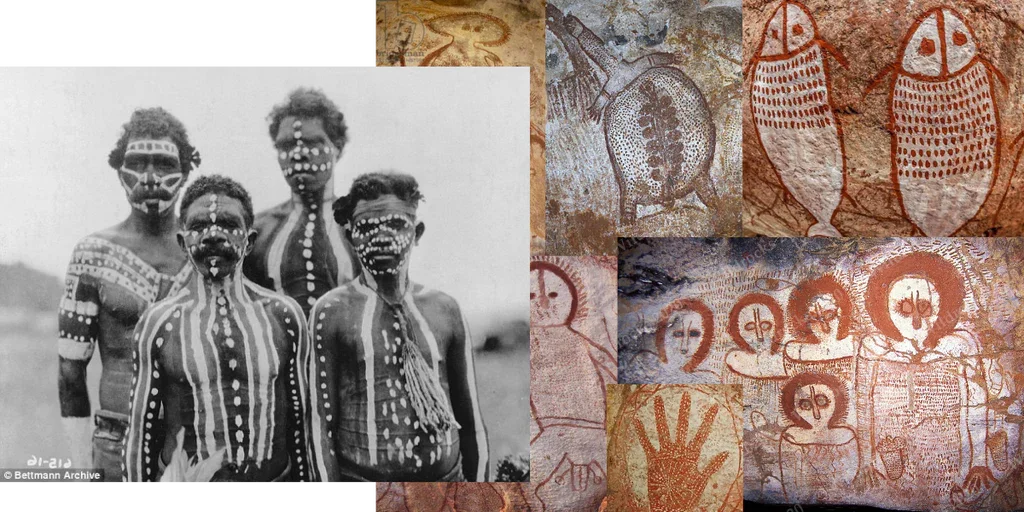
L'évolution des techniques de peinture aborigène : Du traditionnel au contemporain
L'art aborigène australien possède l'une des histoires continues les plus longues de l'humanité (65 000+ ans), évoluant de l'art rupestre ancestral et peintures éphémères (corps, sable) vers peintures acryliques contemporaines sur toile tout en préservant authenticité spirituelle profonde. La révolution de Papunya en 1971, catalysée par Geoffrey Bardon, a transféré motifs traditionnels vers supports permanents, développant technique iconique du dot painting et établissant modèle coopératif (Papunya Tula Artists) garantissant rémunération équitable des artistes. L'évolution des matériaux (panneaux bois années 1970 vers toiles lin professionnelles, acryliques industrielles vers pigments artist-grade) a permis formats monumentaux et conservation optimale tout en diversifiant possibilités expressives. Les innovations stylistiques contemporaines incluent abandon partiel dots par artistes d'Utopia (Emily Kame Kngwarreye, Gloria Petyarre) pour gestes libres, expérimentations avec échelle monumentale et formats non conventionnels, et exploration émergente de techniques mixtes et médiums numériques. Inma Galerie accompagne collectionneurs dans compréhension de ces évolutions techniques, proposant œuvres authentiques documentées couvrant styles régionaux distinctifs (Papunya/Pintupi, Utopia, APY Lands, Terre d'Arnhem) et conseils conservation professionnelle préservant investissements à long terme.
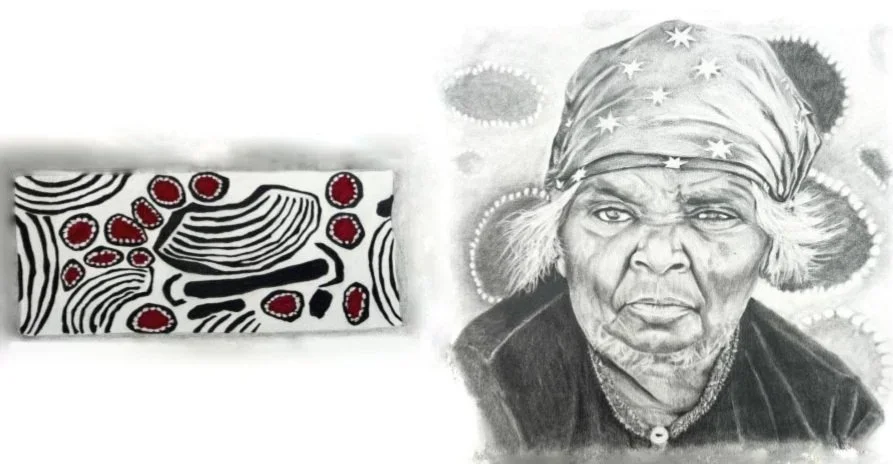
Ningura Napurrula: Legend of Pintupi Aboriginal art and guardian of sacred sites
Ningura Napurrula (c. 1938–2013) ranks among the most significant Aboriginal artists in contemporary history, having lived a nomadic life in the Gibson Desert before creating Aboriginal paintings of exceptional power that have captivated collectors and institutions worldwide. A respected Pintupi woman and Pintupi of Papunya Tula Artists, she developed an iconic style characterized by monumental concentric circles representing sacred sites, a sober yet dramatic palette (ochres, blacks, whites), and exceptional mastery of dot painting, reaching the pinnacle of refinement. Her works have set auction records for female Aboriginal artists (up to €200,000+) and are featured in the collections of the National Gallery of Australia, the Musée du Quai Branly, and major international institutions. Structural scarcity (she passed away in 2013, production has ceased, and the majority of her works are in museum collections) supports continued appreciation and makes every acquisition opportunity exceptional. Inma Galerie occasionally offers rare pieces by this legendary artist, complete with comprehensive documentation, traceable provenance, a lifetime authenticity guarantee, and premium support for serious collectors.
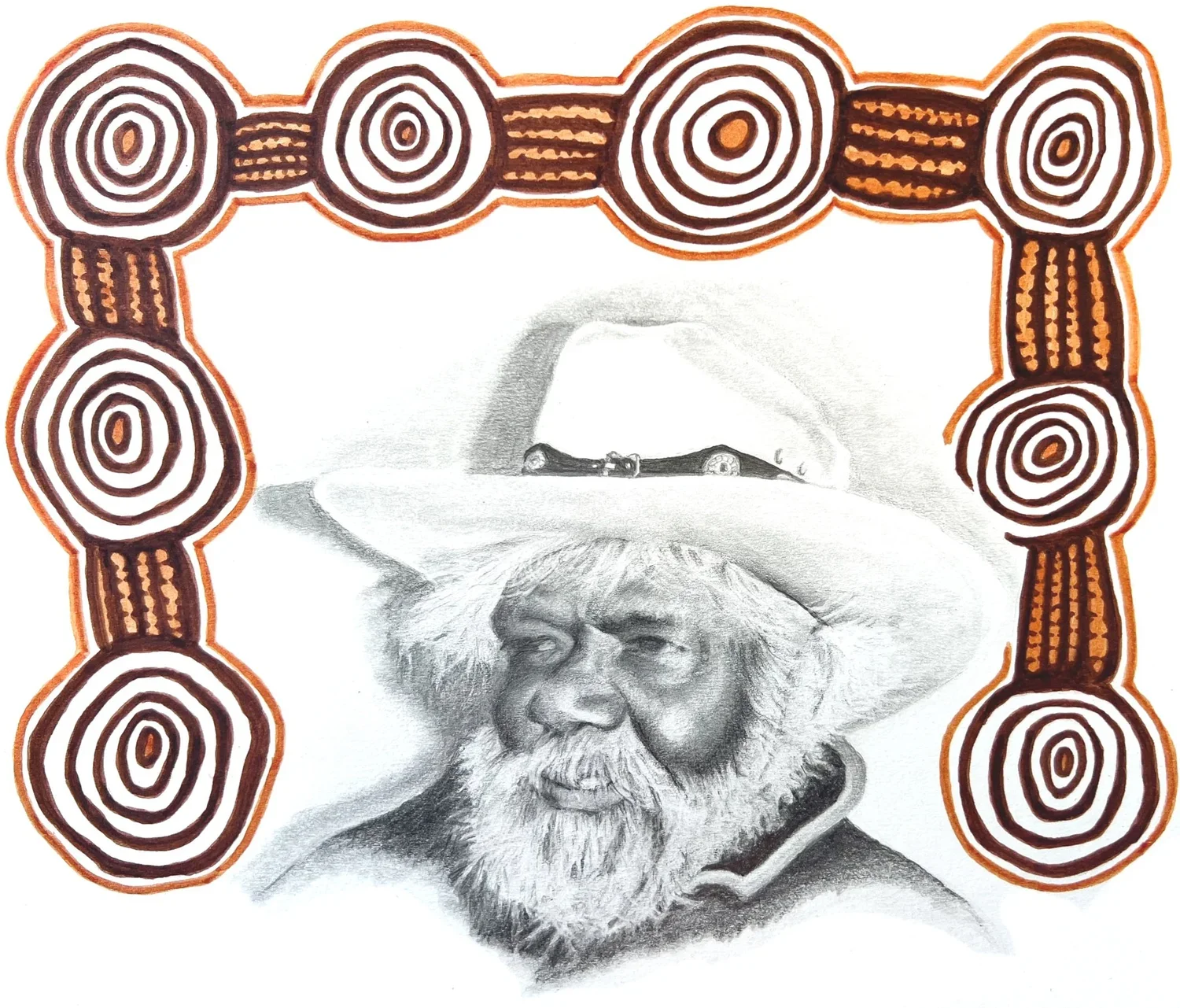
Barney Campbell Tjakamarra : Gardien des Ancêtres Tingari et maître de l'art aborigène Pintupi
Barney Campbell Tjakamarra (v. 1928-2012) représente l'une des figures les plus respectées de l'art aborigène contemporain, ayant consacré plus de quarante ans à transmettre les récits sacrés des Ancêtres Tingari du désert de Gibson. Artiste Pintupi membre de longue date de Papunya Tula Artists, il possédait une connaissance profonde du cycle Tingari acquise par initiation traditionnelle et vie nomade dans le désert occidental australien. Ses peintures aborigènes se caractérisent par des compositions géométriques équilibrées cartographiant les sites sacrés, une maîtrise exceptionnelle du dot painting, et une palette sobre évoquant le désert (ocres, rouges, noirs, blancs). Ses œuvres figurent dans les collections du National Gallery of Australia et du Musée du Quai Branly, avec une valorisation solide sur le marché (4 000€ - 60 000€ selon format et période). Inma Galerie propose des pièces authentiques de ce maître gardien des Ancêtres Tingari avec documentation complète et garantie d'authenticité.
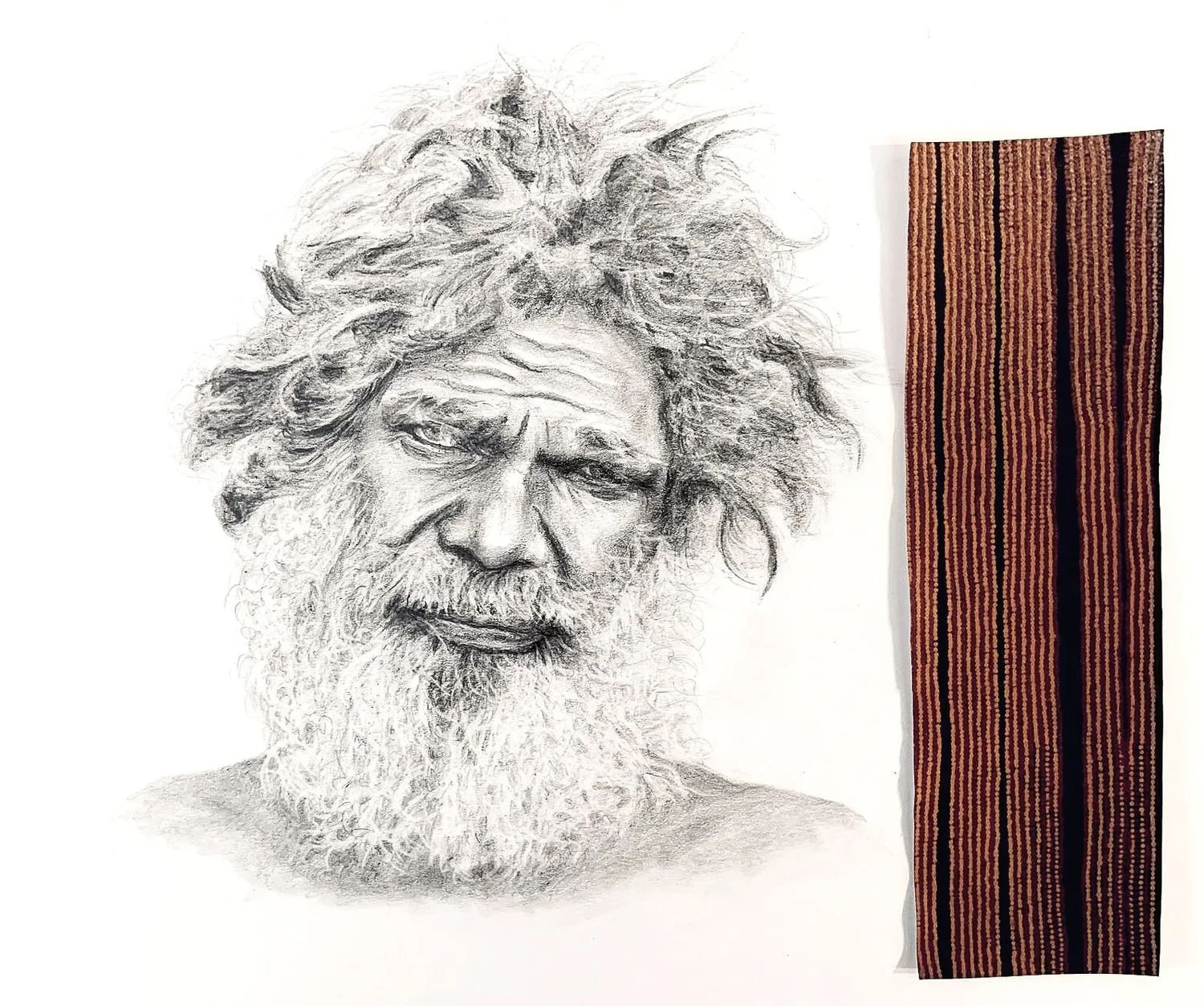
Turkey Tolson Tjupurrula : Innovateur de la représentation Tingari et pionnier de l'art aborigène
Turkey Tolson Tjupurrula (1943-2001) demeure l'un des innovateurs les plus audacieux de l'art aborigène contemporain, ayant révolutionné la représentation du cycle Tingari avec un style abstrait géométrique puissant. Artiste Pintupi pionnier du mouvement de Papunya en 1971, il a progressivement développé des compositions circulaires monumentales qui dialoguaient avec l'abstraction occidentale tout en préservant l'authenticité culturelle des récits sacrés du Temps du Rêve. Son style mature des années 1990 se caractérise par des cercles concentriques à grande échelle, une palette réduite dramatique (rouge ocre, noir, blanc), et une maîtrise exceptionnelle du dot painting créant des surfaces vibrantes hypnotiques. Ses œuvres figurent dans les collections du National Gallery of Australia, Musée du Quai Branly et autres institutions majeures, avec une valorisation constante sur le marché (40 000€ - 250 000€ pour œuvres majeures). Inma Galerie, partenaire de Papunya Tula Artists, propose occasionnellement des pièces rares de ce maître visionnaire avec authentification complète et documentation exhaustive.
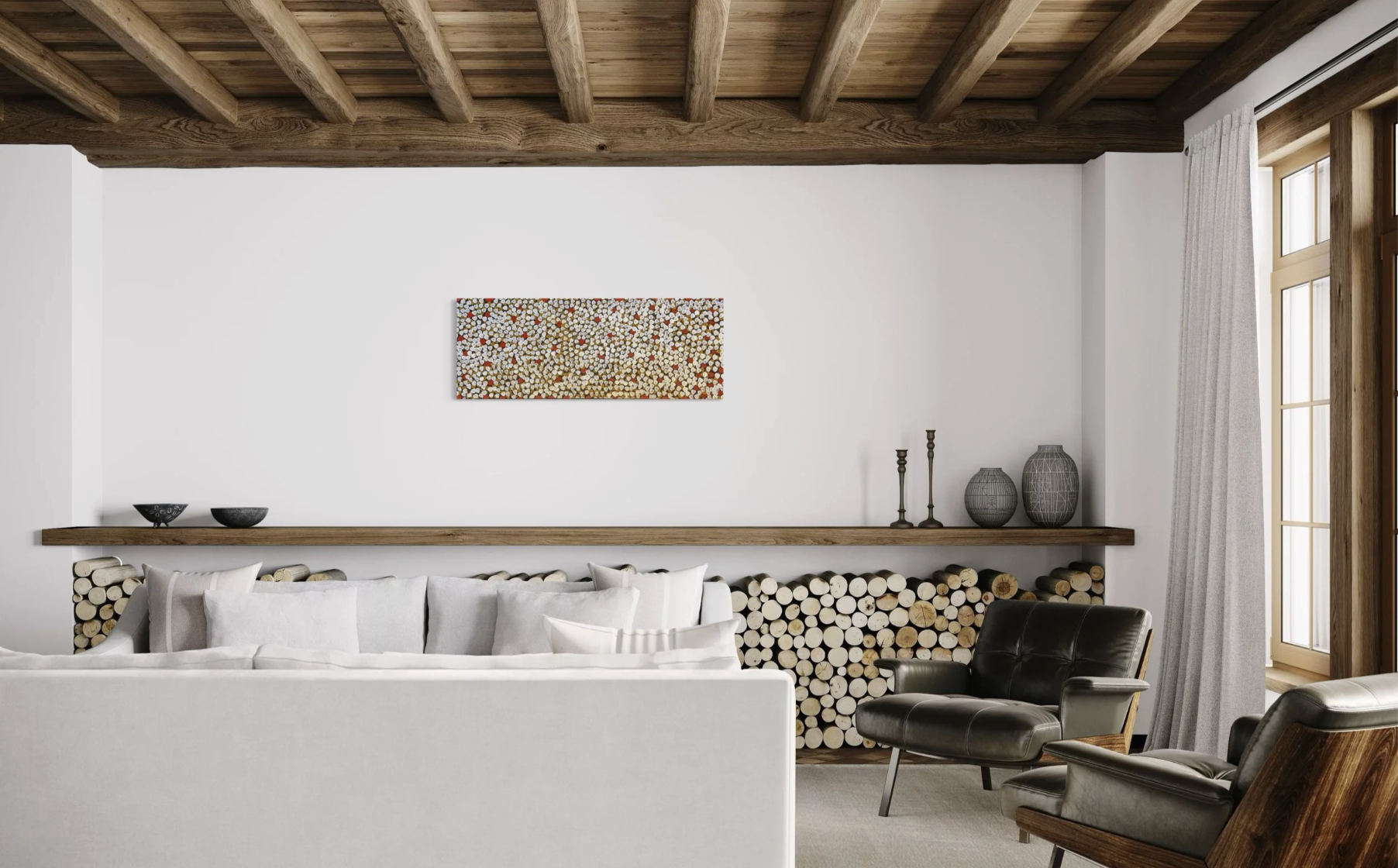
Old Mick Wallankari Tjakamarra: Pioneer ofAboriginal art guardian of the Dreaming
Old Mick Wallankari Tjakamarra (c. 1925–1998) was one of the most important founding artists of theAboriginal art movement launched in Papunya in 1971. A respected member of the Pintupi people, he played a crucial role in transforming the sacred stories of the Dreamtime into revolutionary acrylic paintings. Born in the Western Desert and having lived according to Pintupi nomadic traditions Pintupi adulthood, Old Mick possessed an authentic knowledge of Dreaming stories and ancestral ceremonies. In 1971, alongside Geoffrey Bardon and pioneers such as Clifford Possum Tjapaltjarri and Johnny Warangkula Tjupurrula, he participated in the early experiments that created the visual language ofAboriginal art . Old Mick contributed to the development of the dot painting technique, which became the iconic signature of CentralAboriginal art . His Aboriginal paintings are characterized by narrative compositions mapping the sacred sites and ancestral journeys of the Tingari cycle. A founding member of Papunya Tula Artists 1972, he participated in the historic exhibitions of the 1970s and 1980s that introducedAboriginal art the world. His Aboriginal paintings are included in the permanent collections of the National Gallery of Australia, the Art Gallery of NSW, and other prestigious institutions. Old Mick’s works possess exceptional heritage value as direct testimonies to the emergence ofAboriginal art . Inma Galerie, a specialist inAboriginal art , occasionally offers these rare historical works with Papunya Tula Artists authentication Papunya Tula Artists comprehensive documentation.
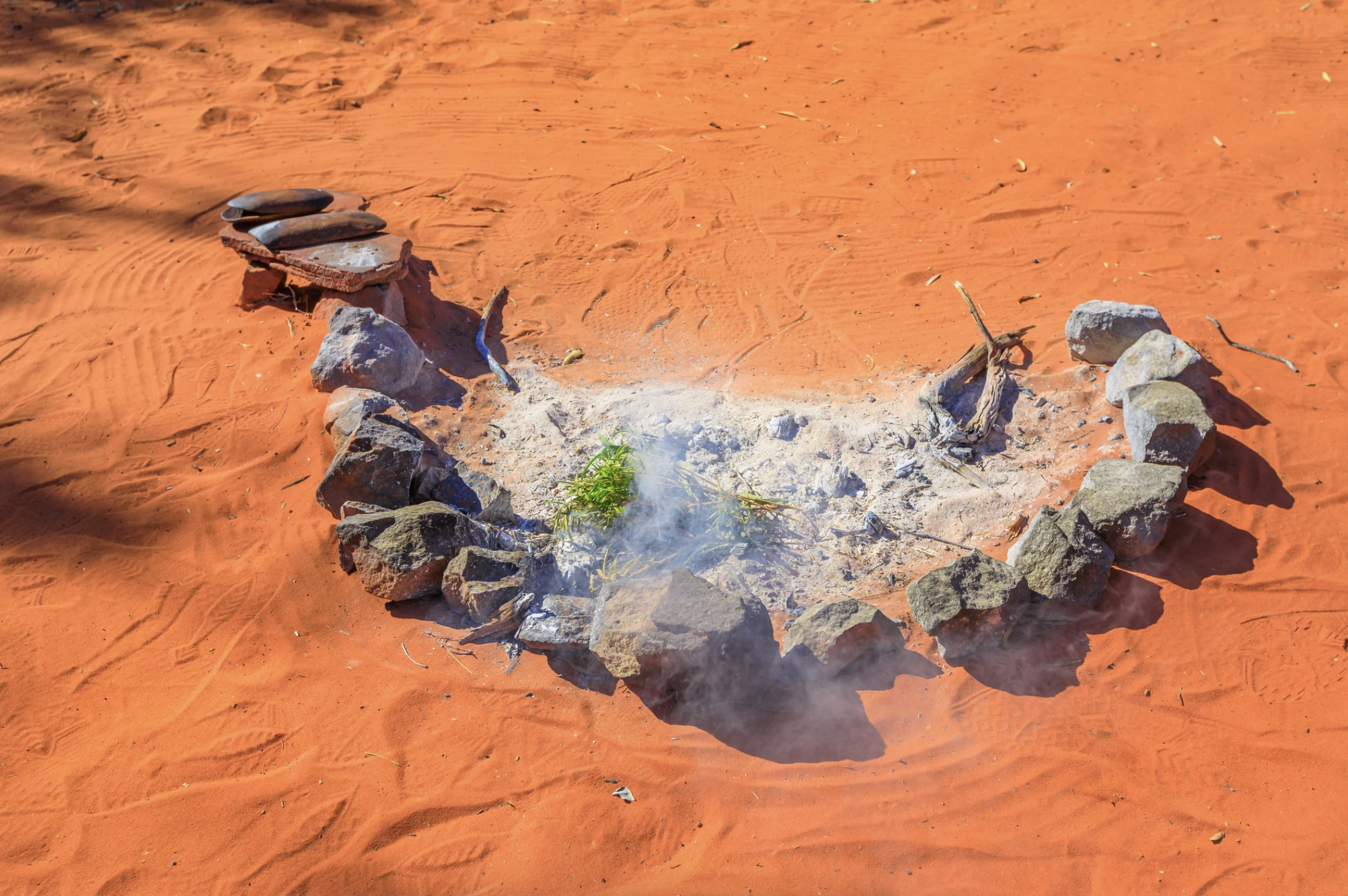
The Tingari Cycle Tingari Sacred Stories of the Pintupi People Pintupi Their Expression inAboriginal art
The Tingari Cycle Tingari one of the most sacred and complex sets of stories in the Aboriginal Dreamtime, specific to the Pintupi people Pintupi Australia’s central desert. These ancestral stories recount the epic journeys of groups of creator Ancestors who traversed the desert during the time of creation, shaping the landscape, establishing waterholes, and instituting the social laws that still structure Aboriginal culture today. The Tingari cycle Tingari a multi-layered structure of knowledge, revealed progressively during male initiations, ensuring that the most sacred aspects remain protected. InAboriginal art , the Tingari cycle Tingari a major source of inspiration since the Papunya movement in 1971. Aboriginal artists such as Bob Gibson Tjungurrayi, George Ward Tjungurrayi, Wentja Morgan Napaltjarri, and Turkey Tolson Tjupurrula have dedicated their careers to visually conveying these sacred stories through their exceptional Aboriginal paintings. Aboriginal paintings of the Tingari cycle Tingari characterized by concentric circles representing sacred sites, lines indicating ancestral journeys, and a dot painting technique that creates depth and texture. These works function simultaneously as art, spiritual maps of the territory, and documents of cultural preservation. The Tingari Cycle Tingari a true system of Aboriginal laws governing the social organization, relationship to the land, and ceremonial practices of the Pintupi people. Inma Galerie, a specialist inAboriginal art , offers an exclusive collection of authentic paintings from the Tingari Cycle, complete Tingari documentation and a guarantee of authenticity. Collecting a work from the Tingari cycle means becoming a guardian of a fragment of ancestral knowledge and actively participating in the preservation of this intangible cultural heritage of humanity.
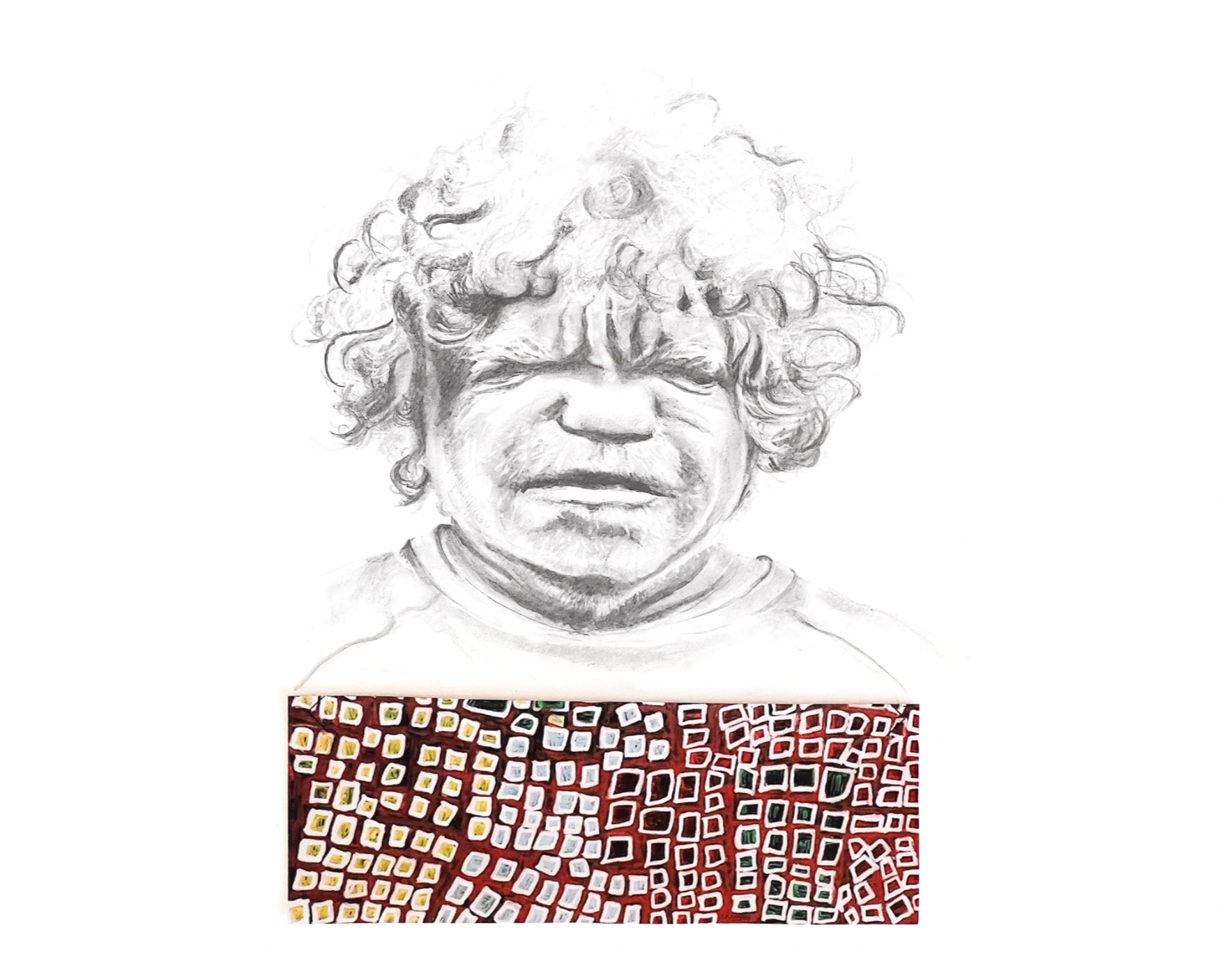
Bob Gibson Tjungurrayi: Master ofAboriginal art guardian of the Pintupi Dreaming
Bob Gibson Tjungurrayi (born around 1940) is one of the most important figures in contemporaryAboriginal art . A respected member of the Pintupi people, he embodies the generation of Aboriginal artists who transformed the sacred stories of the Dreamtime into a globally recognized artistic movement. Born in the Australian outback, Bob Gibson spent his early years living the traditional Pintupi nomadic lifestyle, which imparted to him a deep knowledge of Dreaming stories and sacred sites. The central theme of his Aboriginal art the Tingari cycle, a complex set of stories specific to the Pintupi people Pintupi the journeys of the creator Ancestors across the Gibson Desert. A longtime member of Papunya Tula Artists, the historic organization founded in 1972, Bob Gibson has developed a distinctive style characterized by balanced geometric compositions and an exceptional mastery of dot painting. His Aboriginal paintings use a subdued palette evoking the natural colors of the desert and accurately depict sacred sites and essential waterholes. Bob Gibson Tjungurrayi’s Aboriginal paintings are featured in the permanent collections of prestigious institutions such as the National Gallery of Australia and the Musée du Quai Branly. As a respected elder, he plays a crucial role in passing on artistic knowledge to younger generations Pintupi. Inma Galerie, a recognized specialist inAboriginal art , offers authentic works by Bob Gibson with full documentation via Papunya Tula Artists. Each acquisition represents a significant cultural investment and an active contribution to the preservation of millennia-old Aboriginal heritage.
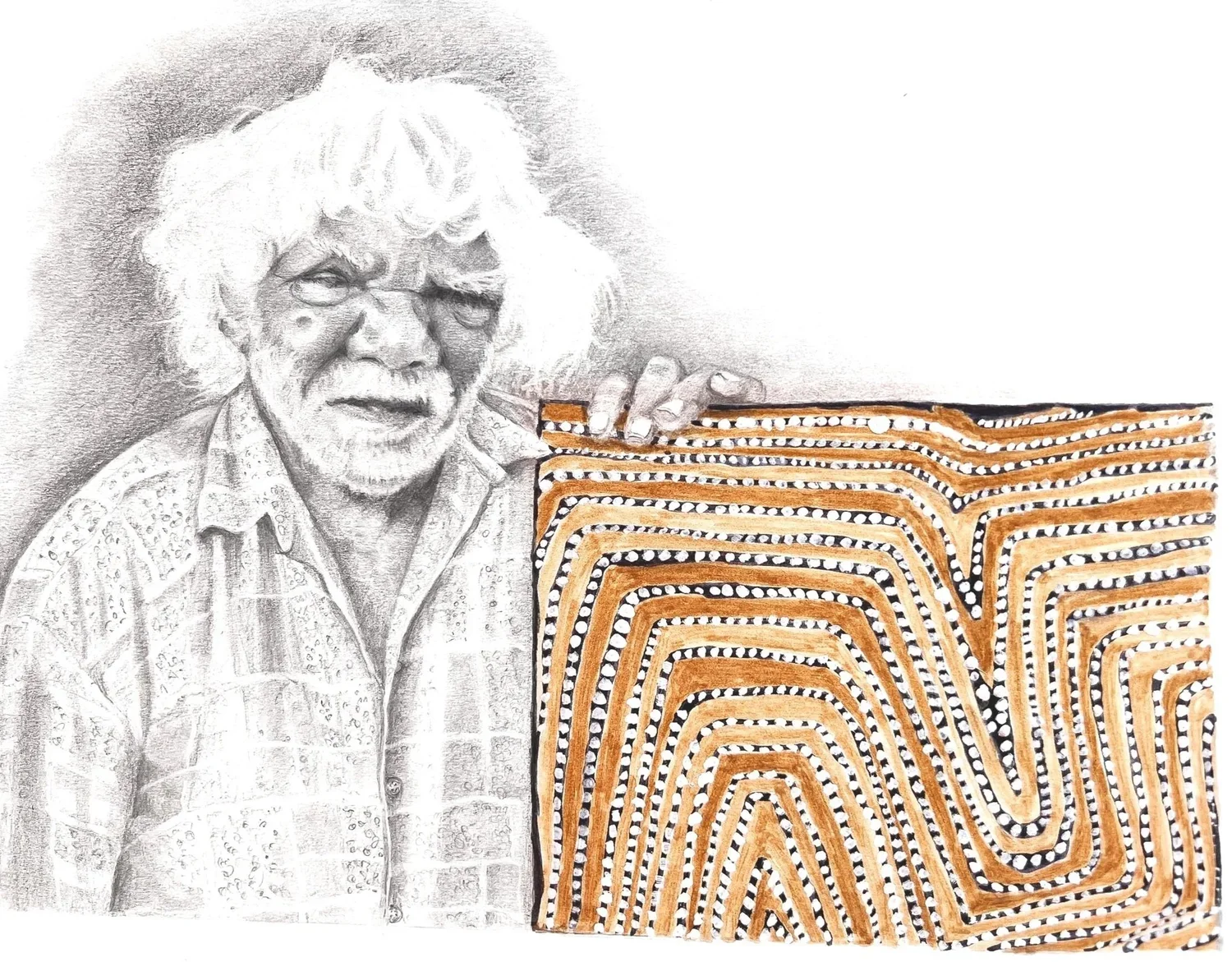
George Ward Tjungurrayi: Master of Central Australian Aboriginal Art
George Ward Tjungurrayi (c. 1943–2020) is one of the most respected Aboriginal artists in the AustralianAboriginal art movement. A member of the Pintupi people, he dedicated his life to passing down the sacred stories of the Dreamtime through his exceptional Aboriginal paintings. Born in the Gibson Desert, one of Australia’s most remote regions, George Ward Tjungurrayi lived according to ancestral traditions before becoming a pillar of the artistic community in Kintore and Kiwirrkura. His Aboriginal art a deep understanding of the land and the ancestral stories that shape it. The dominant theme of his work is the Tingari cycle, a complex set of Dreaming narratives unique to the Pintupi people Pintupi the journeys of the creator Ancestors across the desert. His style is distinguished by balanced geometric compositions, a subdued palette evoking the colors of the desert, and an exceptional mastery of dot painting (Aboriginal pointillism). George Ward Tjungurrayi’s Aboriginal paintings are featured in major international collections, from the National Gallery of Australia to the Musée du Quai Branly. His sister, Lorna Ward Napanangka, is also a renowned artist, illustrating the family’s transmission of artistic knowledge. Inma Galerie, a specialist inAboriginal art , offers authentic works by this master artist with complete documentation and a guarantee of authenticity. Each painting tells a story from the Dreaming, keeping alive the spiritual connection to the Central Desert.
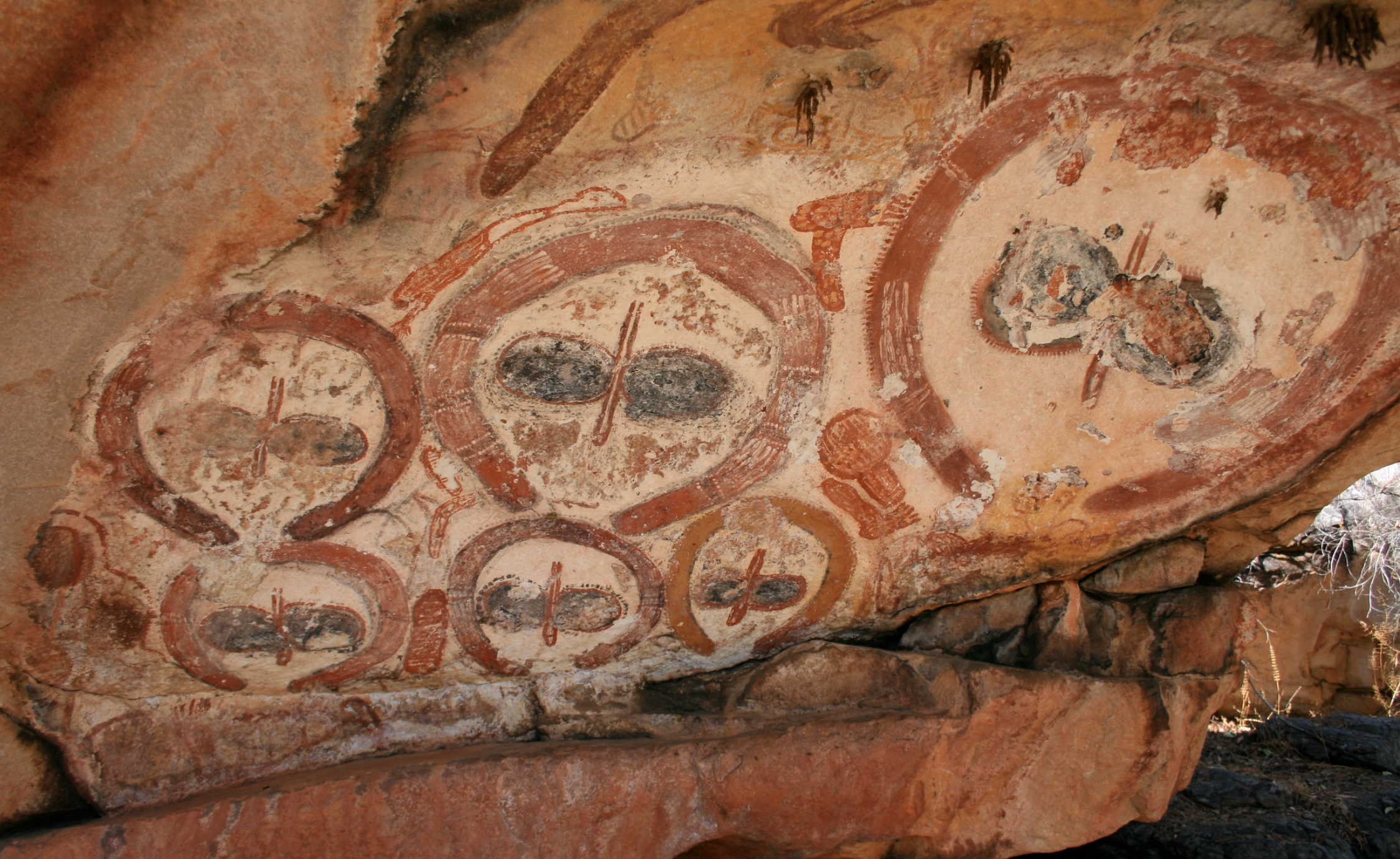
Symbols in Aboriginal Art: Decoding the Ancestral Visual Language
Les symboles aborigènes constituent un langage visuel sophistiqué qui a permis aux peuples autochtones australiens de transmettre histoires, lois et savoirs pendant plus de 65 000 ans. Chaque peinture aborigène est bien plus qu'une composition esthétique : c'est un récit codifié où chaque motif, chaque forme, chaque couleur possède une signification précise ancrée dans le Dreaming (Temps du Rêve). Le cercle est sans doute le symbole le plus emblématique de l'art aborigène, représentant les points d'eau sacrés, sites cérémoniels et lieux de campement créés par les Ancêtres. Les cercles concentriques amplifient cette signification, indiquant des points d'eau profonds et permanents ou des sites de grande puissance spirituelle. Les lignes dans les peintures aborigènes possèdent de multiples significations : chemins parcourus par les Ancêtres créateurs, rivières créées par le Serpent Arc-en-ciel, pluie tombant du ciel ou racines souterraines de plantes sacrées. La technique du dot painting (pointillisme aborigène) est devenue l'esthétique la plus reconnaissable de l'art aborigène contemporain, les dots représentant graines, étoiles, feu ou empreintes. Comprendre ces symboles dans l'art aborigène transforme radicalement l'expérience du spectateur : ce qui pourrait sembler abstrait révèle soudain des cartes spirituelles, des récits mythologiques et des connaissances écologiques millénaires. Chez Inma Galerie, spécialiste de l'art aborigène australien, chaque tableau aborigène est accompagné d'une documentation détaillée expliquant les symboles et le récit du Dreaming représenté.

The Dreaming in Aboriginal Art: History, Symbolism, and Contemporary Influence
TheDreamtime is the spiritual heart ofAboriginal art and fascinates art lovers around the world. This ancestral concept, which is much more than mere mythology, represents the worldview of the Aboriginal peoples who have lived in Australia for over 65,000 years. Every Aboriginal painting tells a story from the Dreamtime: the creation of the world by the Ancestors, the spiritual laws established, and the living connection between past, present, and future. In this comprehensive article, discover the fascinating history of Dreamtime, the symbolism of Aboriginal motifs (concentric circles, dots, lines), the artistic techniques of Aboriginal pointillism, and the influence of the Dreamtime on international contemporary art. Inma Galerie, a specialist inAboriginal art , guides you in understanding, appreciating, and collecting these exceptional works that convey 65,000 years of living culture. Explore the stories of the creator Ancestors, the Rainbow Serpent, the Seven Sisters, and many other sacred tales.
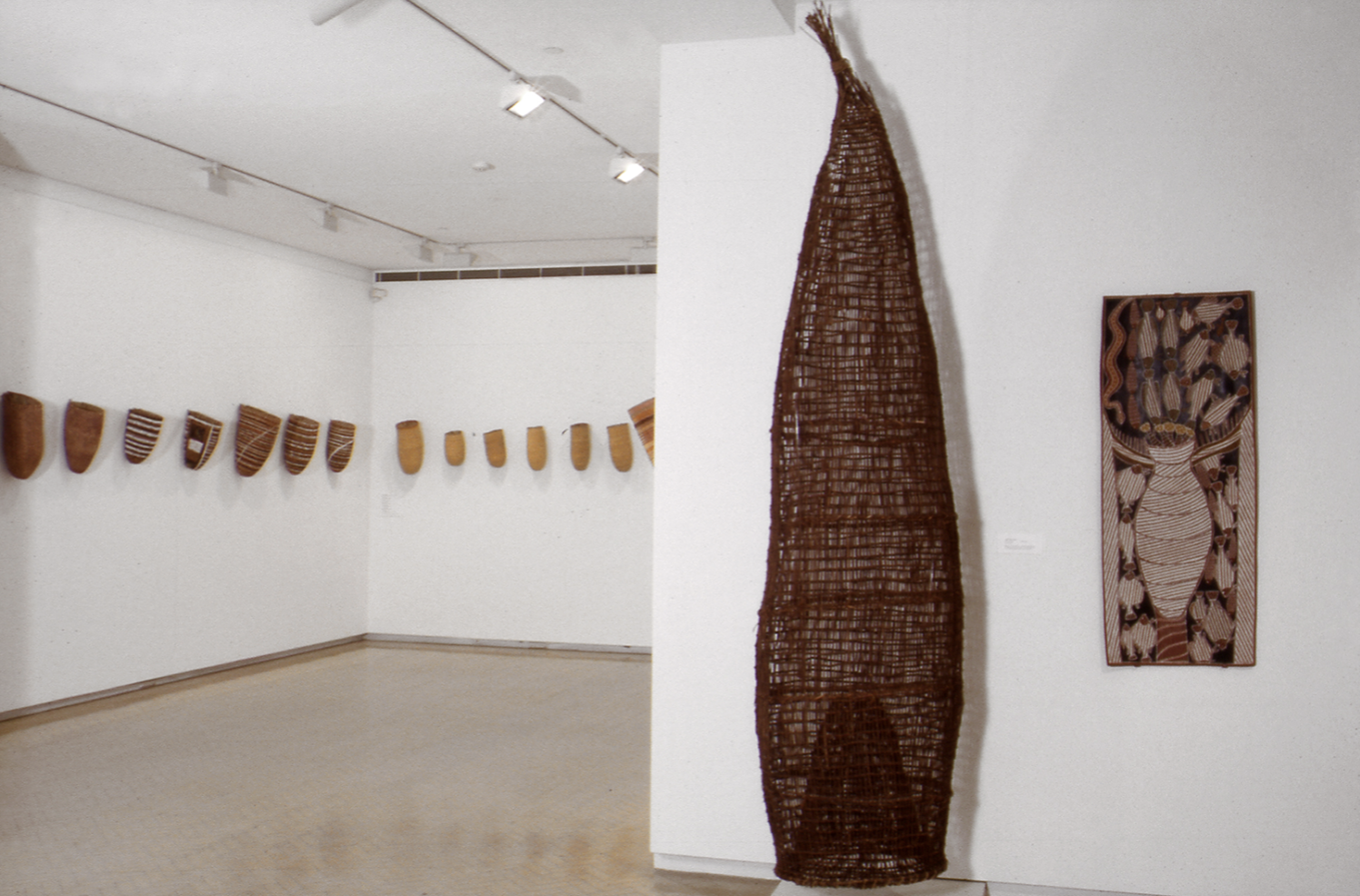
How to recognize the different regional styles ofAboriginal art
Aboriginal art reveals a mosaic of fascinating regional styles, each carrying millennia-old stories and unique techniques. From dot painting in the Central Desert to painted bark in Arnhem Land, the Wandjina figures of the Kimberley, and the geometric patterns of the Tiwi Islands, discover the distinctive visual codes that characterize each region. This comprehensive guide helps you recognize different styles, identify traditional techniques, and appreciate the contemporary evolution of this ancestral art. You’ll also learn how to authenticate works and adopt an ethical approach to collecting that respects Aboriginal cultural traditions.

Investing inAboriginal art A Comprehensive Guide for Collectors
Are you passionate aboutAboriginal art and considering investing in this unique art form? The Inma Gallery offers a comprehensive guide to help you understand the specifics of this rapidly growing market. From authenticating works to selecting promising artists, and from acquisition strategies tailored to every budget, discover expert advice on building aAboriginal art collectionAboriginal art that combines cultural enrichment with investment potential.

L’art aborigène à travers les régions d’Australie : un voyage culturel et spirituel
L’art aborigène australien est bien plus qu’une simple expression artistique : c’est un langage visuel ancestral, profondément ancré dans la spiritualité et la transmission des savoirs. Chaque région d’Australie possède ses propres styles, techniques et symboles, reflétant les croyances et la connexion des peuples autochtones à leurs terres.
Des peintures sur écorce de la Terre d’Arnhem aux motifs pointillistes du désert des Pinnacles, en passant par l’influence sacrée d’Uluru et la faune emblématique du Queensland, plongez dans un voyage à la découverte des traditions artistiques aborigènes.

L’histoire de l’art aborigène : entre tradition et modernité
Découvrez l’histoire fascinante de l’art aborigène australien, des peintures rupestres ancestrales aux œuvres contemporaines. Symboles, techniques et artistes majeurs : plongez dans un art sacré et intemporel.