
Fiscalité de l'art aborigène en France : TVA, revente, IFI, transmission (guide 2026)
Saviez-vous que l'art bénéficie en France d'un cadre fiscal parmi les plus favorables ? TVA réduite à 5,5 %, œuvres hors IFI, régime de revente avantageux, dispositif entreprises prorogé jusqu'en 2028 : le guide 2026 pour collectionner l'art aborigène en toute sérénité.

10 artistes aborigènes vivants sous-évalués à surveiller en 2026
Dix artistes aborigènes vivants créent œuvres de qualité muséale à prix 2 000€ - 15 000€ ne reflétant pas leur talent : vétérans négligés comme Susie Bootja Bootja Napaltjarri (Pintupi, 3 000€ - 12 000€, dot painting exceptionnel comparable à Ningura), Iluwanti Ken (APY Lands quasi centenaire, 2 000€ - 8 000€, authenticit é historique extraordinaire), Eunice Napanangka Jack (Warlpiri, 2 500€ - 9 000€, quatre décennies production qualité) ; innovateurs contrôlés comme Tjawina Porter Nampitjinpa (variations chromatiques audacieuses cadre Pintupi), Linda Syddick Napaltjarri (dot painting monumental 2x1,5m, 4 000€ - 15 000€) ; nouvelle génération comme Sharon Adamson (Warmun post-Rover Thomas, 2 000€ - 7 000€) et Tjungkara Ken (abstraction gestuelle innovante APY Lands, 3 000€ - 12 000€, dialogue art contemporain). Ces disparités reflètent sous-évaluation générale des APY Lands et Kimberley vs désert central, manque de visibilité internationale malgré standards Papunya Tula/Warlukurlangu/Warmun Art Centre, et négligence de vétérans éclipsés par légendes décédées. Stratégie acquisition : diversifier sur 3-5 artistes liste plutôt que concentrer, privilégier grands formats qualité exceptionnelle, documenter méticuleusement, planifier conservation 5-10 ans minimum avant valorisation attendue. Inma Galerie facilite acquisitions directement via art centres australiens reconnus garantissant authenticité, éthique, documentation complète pour collectionneurs français cherchant futurs classiques avant reconnaissance large et explosion des prix.
Aboriginal art , Utopia APY Lands Aboriginal art : Which Style Should You Choose for Your Collection?
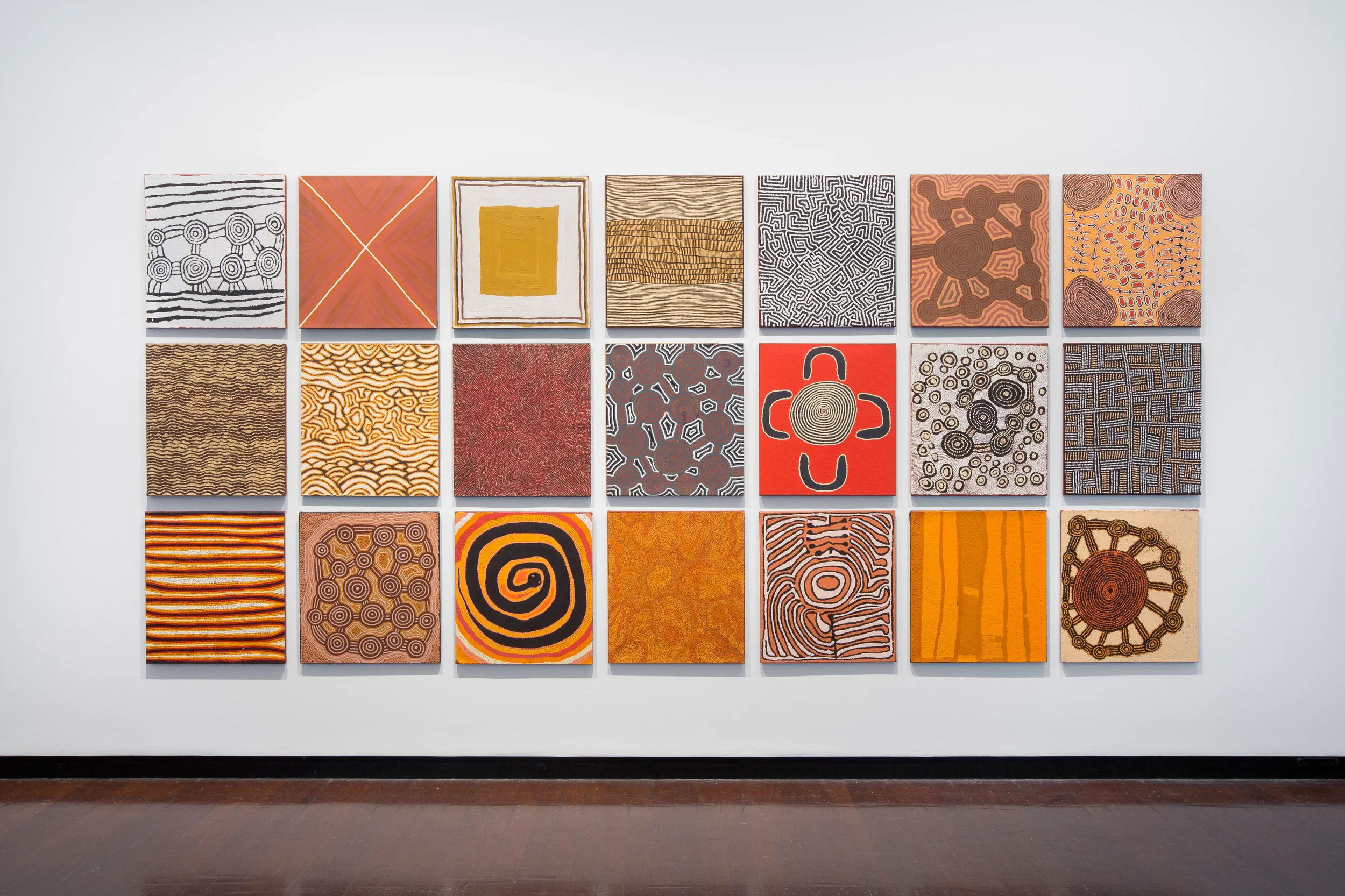
Choosing betweenPintupi, Utopia the APY Lands determines the aesthetic direction and investment strategy for your collection ofAboriginal art .Pintupi dense geometric dot painting, a subdued desert palette (ochres/blacks/whites), themes from the Tingari cycle, and a mature market with stable annual appreciation of 8–12% (artists: Bob Gibson, George Ward, Turkey Tolson; price ranges €3,000–€800,000+). Utopia for its frequent departure from dots in favor of free, expressive brushstrokes, a vibrant palette (greens/yellows/reds), Awelye ceremonies, and legendary masters such as Emily Kame (up to €2 million), Gloria Petyarre, and Minnie Pwerle (annual appreciation of 10–15%). APY Lands features accessible narrative, a varied luminous palette, stylistic diversity across communities, and excellent value for money (€2,000–€80,000, 5–15% appreciation potential but increased risk). Inma Galerie offers authenticated works from three regions with comparative expertise, personalized strategic advice based on aesthetic preferences, budget, and wealth management goals to build a cohesive collection that reflects the collector’s unique identity.
Aboriginal art as a Heritage Investment
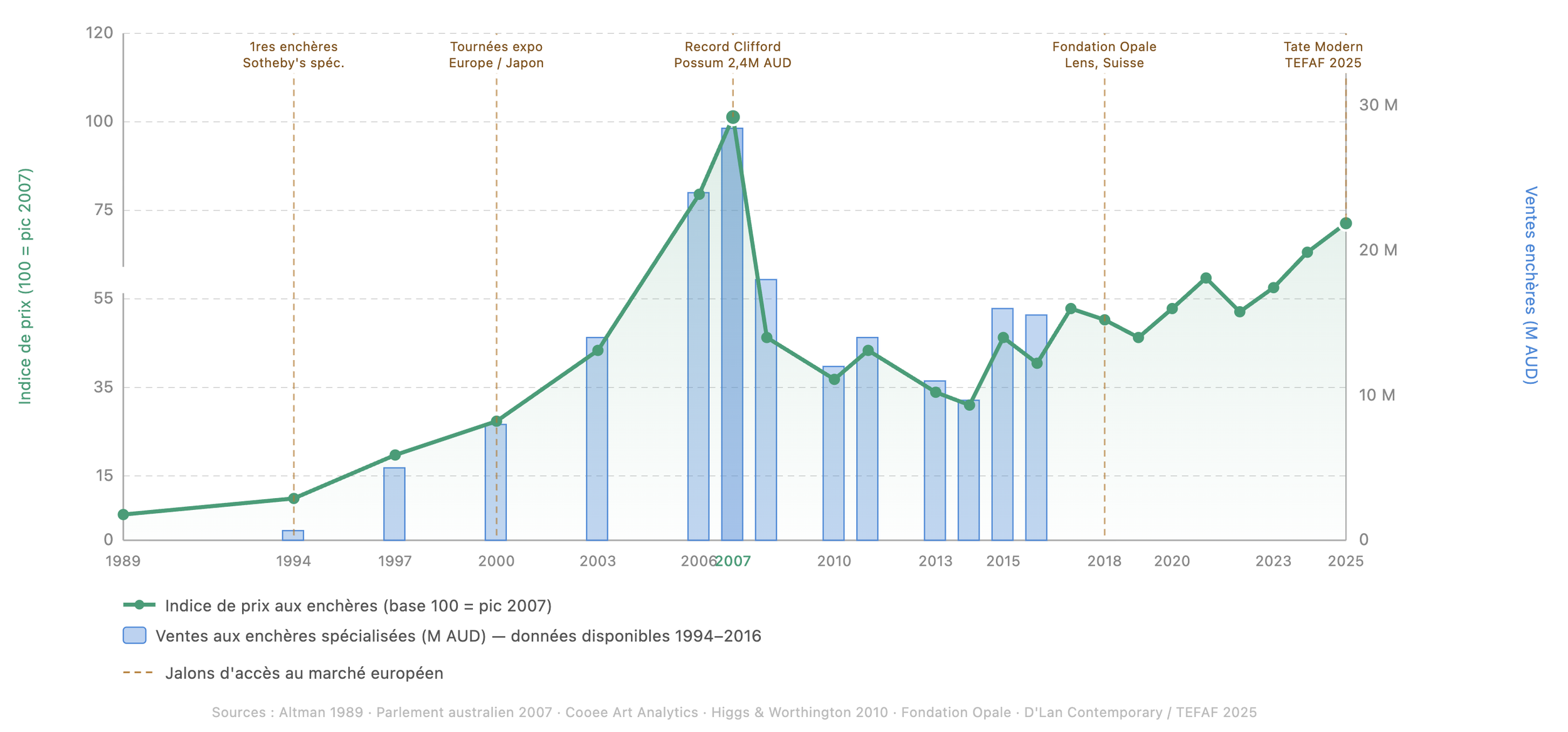
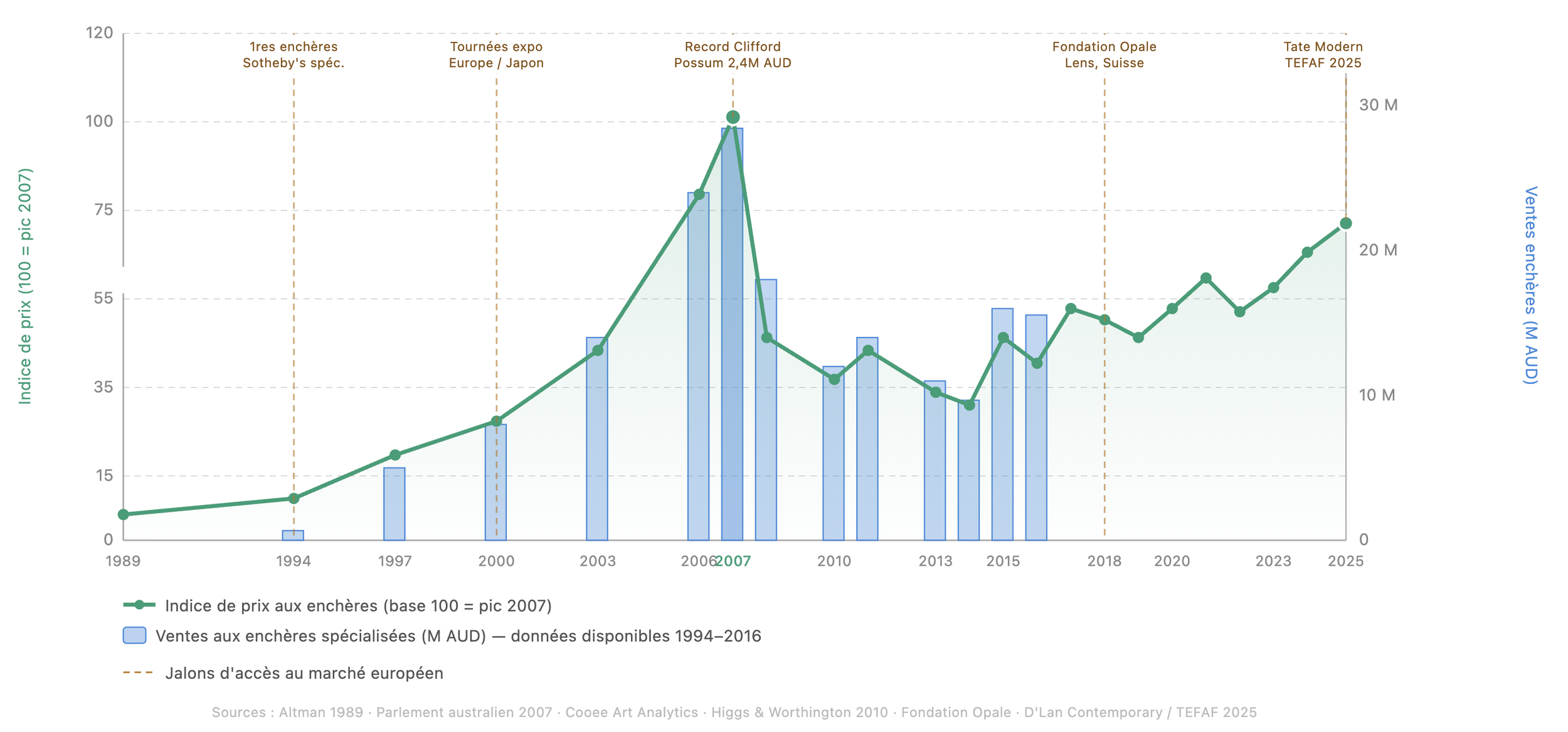
Aboriginal art is establishing itself as a legitimate heritage asset class, combining strong performance (12–18% annually from 2019 to 2025 in certain segments) with exceptional intangible cultural value. Its robust fundamentals include growing international museum recognition (National Gallery of Australia, Quai Branly, MET), structural scarcity (deaths of pioneers, institutional acquisitions) amid expanding global demand, and favorable French tax treatment (5.5% VAT on acquisition, full exemption from the IFI tax, and tax-optimized resale schemes with exemption after 22 years). The market is organized in a pyramid structure: established legends €100,000–€2,000,000 (Emily Kame, Clifford Possum, Ningura), recognized masters €20,000–€100,000 (Bob Gibson, Gloria Petyarre, George Ward), established quality artists €5,000–€20,000, and emerging artists €1,000–€5,000, with each segment presenting a distinct risk/return profile. Prudent investment requires impeccable authenticity (certificates from art centers, traceable provenance), exceptional artistic quality, sensible diversification, a long-term horizon of at least 7–15 years, and guidance from specialists such as Inma Galerie, ensuring exhaustive due diligence and an optimized acquisition strategy.
Ningura Napurrula: Legend of Pintupi Aboriginal art and guardian of sacred sites
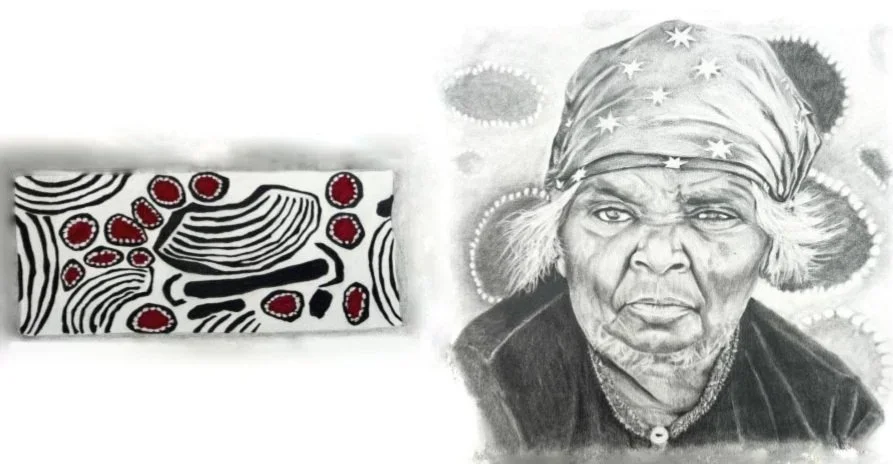
Ningura Napurrula (c. 1938–2013) ranks among the most significant Aboriginal artists in contemporary history, having lived a nomadic life in the Gibson Desert before creating Aboriginal paintings of exceptional power that have captivated collectors and institutions worldwide. A respected Pintupi woman and Pintupi of Papunya Tula Artists, she developed an iconic style characterized by monumental concentric circles representing sacred sites, a sober yet dramatic palette (ochres, blacks, whites), and exceptional mastery of dot painting, reaching the pinnacle of refinement. Her works have set auction records for female Aboriginal artists (up to €200,000+) and are featured in the collections of the National Gallery of Australia, the Musée du Quai Branly, and major international institutions. Structural scarcity (she passed away in 2013, production has ceased, and the majority of her works are in museum collections) supports continued appreciation and makes every acquisition opportunity exceptional. Inma Galerie occasionally offers rare pieces by this legendary artist, complete with comprehensive documentation, traceable provenance, a lifetime authenticity guarantee, and premium support for serious collectors.
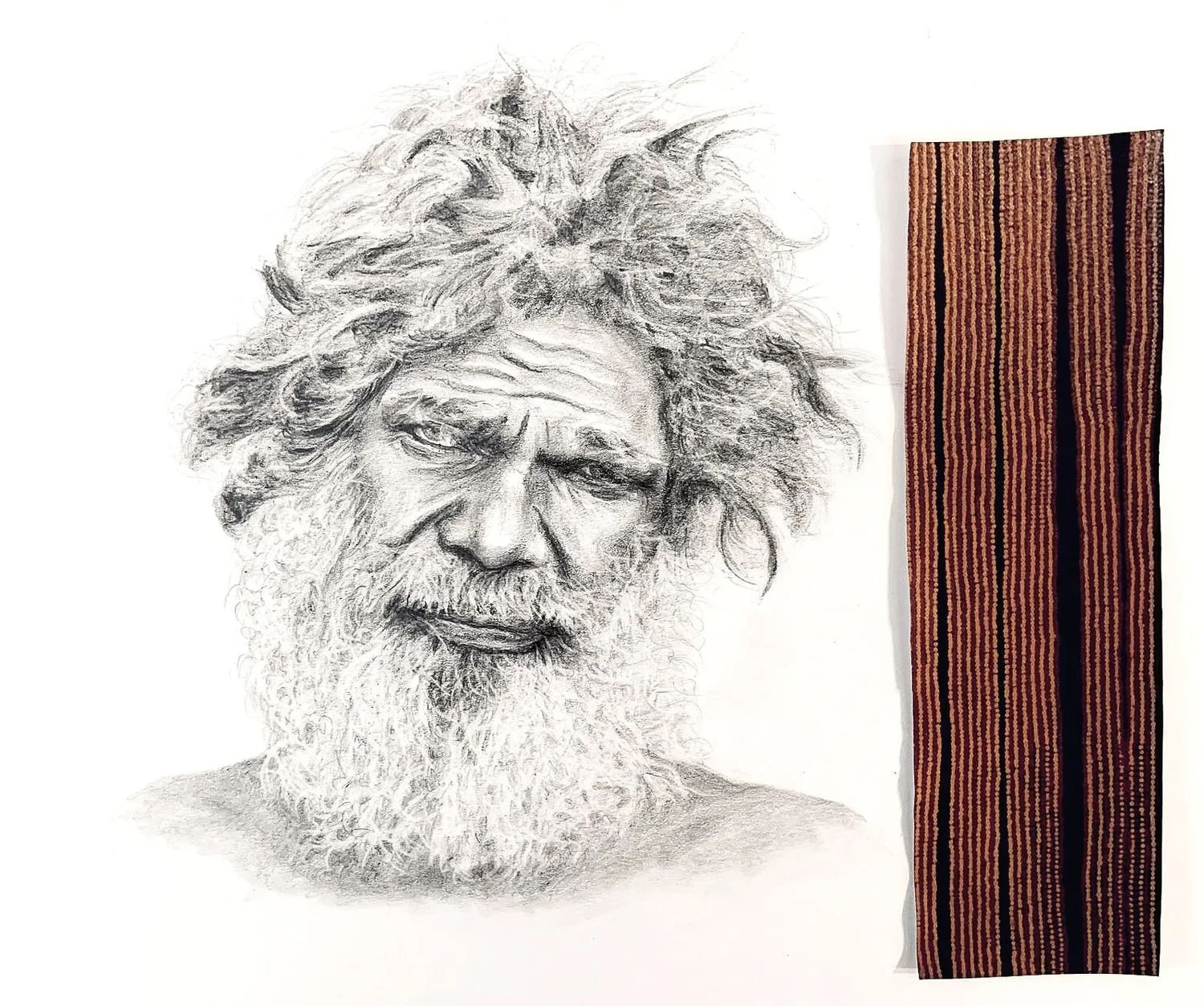
Turkey Tolson Tjupurrula : Innovateur de la représentation Tingari et pionnier de l'art aborigène
Turkey Tolson Tjupurrula (1943-2001) demeure l'un des innovateurs les plus audacieux de l'art aborigène contemporain, ayant révolutionné la représentation du cycle Tingari avec un style abstrait géométrique puissant. Artiste Pintupi pionnier du mouvement de Papunya en 1971, il a progressivement développé des compositions circulaires monumentales qui dialoguaient avec l'abstraction occidentale tout en préservant l'authenticité culturelle des récits sacrés du Temps du Rêve. Son style mature des années 1990 se caractérise par des cercles concentriques à grande échelle, une palette réduite dramatique (rouge ocre, noir, blanc), et une maîtrise exceptionnelle du dot painting créant des surfaces vibrantes hypnotiques. Ses œuvres figurent dans les collections du National Gallery of Australia, Musée du Quai Branly et autres institutions majeures, avec une valorisation constante sur le marché (40 000€ - 250 000€ pour œuvres majeures). Inma Galerie, partenaire de Papunya Tula Artists, propose occasionnellement des pièces rares de ce maître visionnaire avec authentification complète et documentation exhaustive.
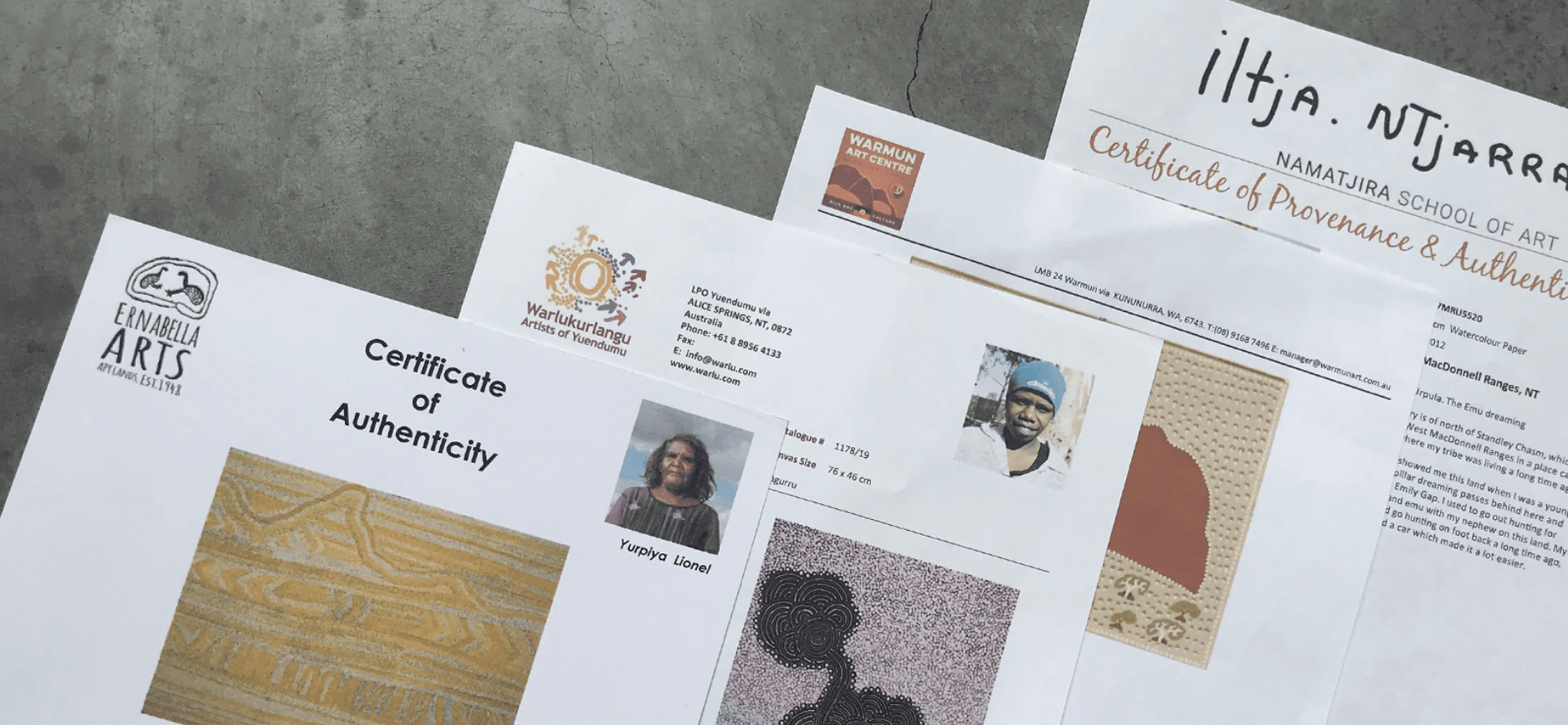
Investing inAboriginal art : A Comprehensive Guide for French Collectors (2026)
L'art aborigène australien connaît une croissance spectaculaire avec une appréciation moyenne de 12-18% annuelle entre 2019 et 2025, surpassant de nombreux segments de l'art contemporain occidental. Pour les collectionneurs français, cet art représente une opportunité d'investissement patrimonial exceptionnelle combinant authenticité culturelle millénaire et potentiel de valorisation solide, tout en bénéficiant d'une fiscalité avantageuse (TVA 5,5%, exonération IFI). Cependant, le succès commercial a attiré contrefaçons et pratiques non éthiques, rendant essentielle l'acquisition auprès de galeries spécialisées garantissant authenticité et traçabilité. Inma travaille exclusivement avec des art centres reconnus, signataires de l'Indigenous Art Code, propose ce guide complet 2026 couvrant authentification, artistes incontournables (Emily Kame Kngwarreye, Clifford Possum, Gloria Petyarre), fourchettes de prix par budget (3 000€-100 000€+), et stratégies d'investissement intelligent. Au-delà de l'investissement financier, collectionner l'art aborigène signifie devenir gardien d'un patrimoine immatériel de l'humanité, préservant des récits du Temps du Rêve transmis depuis 65 000 ans.