
Le système des 8 skin names aborigènes : Comprendre Tjapaltjarri, Napurrula, Tjungurrayi
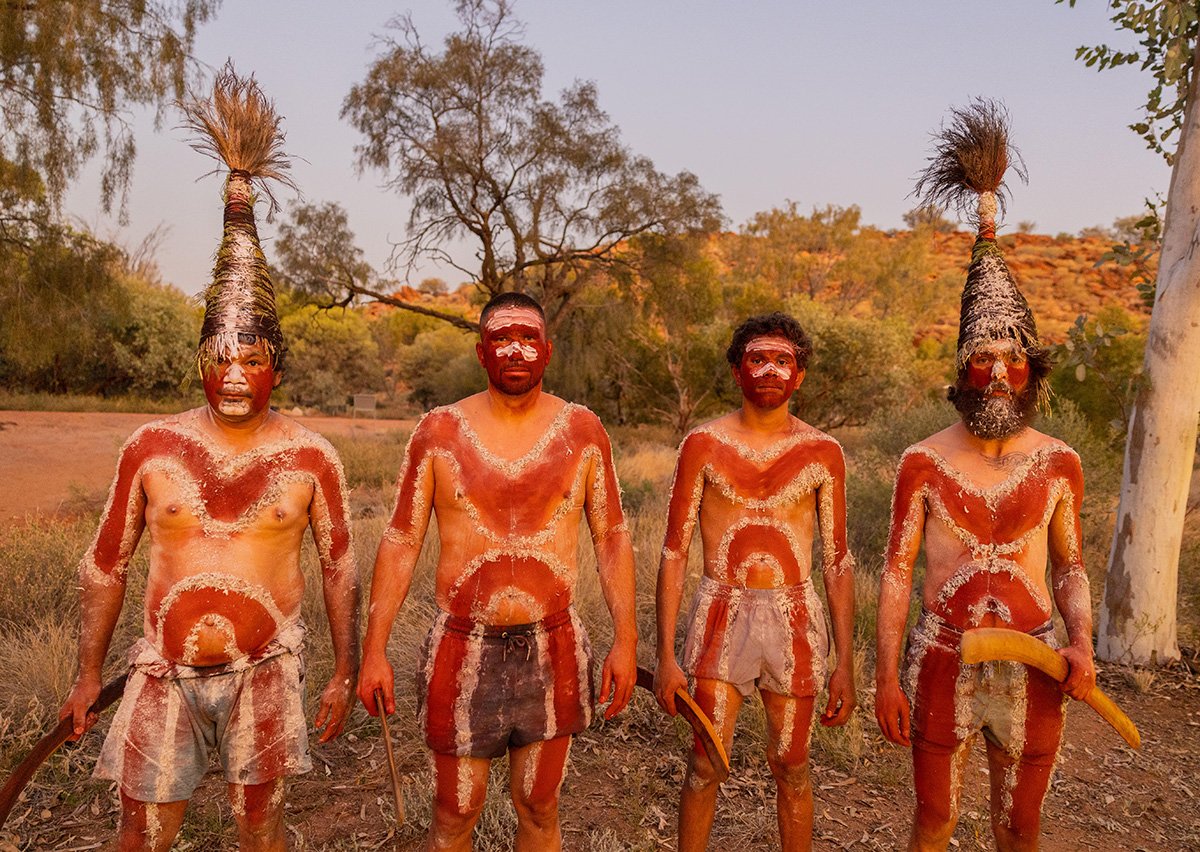
Le système des 8 skin names aborigènes — Tjapaltjarri, Tjampitjinpa, Tjungurrayi, Tjakamarra (masculins) et Napaltjarri, Nampitjinpa, Napurrula, Nakamarra (féminins) — structure la société Pintupi et Warlpiri depuis des millénaires en déterminant les mariages autorisés, les responsabilités cérémonielles, et les droits sur les récits du Temps du Rêve que chaque artiste peut légitimement peindre. Comprendre ce système transforme l'appréciation de l'art aborigène : Ningura Napurrula peignait Wirrulnga non par choix arbitraire mais par droit héréditaire lié à son statut de Napurrula et à sa lignée familiale ; Bob Gibson Tjungurrayi possède des responsabilités spécifiques sur le cycle Tingari liées à son skin name de Tjungurrayi. Le système prescrit les combinaisons matrimoniales (Tjapaltjarri épouse Nampitjinpa, Tjungurrayi épouse Napaltjarri, etc.), prévient la consanguinité sur quatre générations minimum, et régule toutes les relations sociales selon des protocoles millénaires d'une sophistication remarquable. Les variations orthographiques (Tjungurrayi/Tjupurrula, Nakamarra/Napanangka) reflètent les différences dialectales et les choix de transcription, mais le système sous-jacent reste identique à travers le désert central australien. Inma Galerie documente systématiquement les skin names dans les certificats d'authenticité, cette information confirmant l'identité culturelle de l'artiste, ses droits légitimes sur les récits représentés, et l'authenticité absolue de chaque œuvre selon les protocoles traditionnels respectés depuis des millénaires.
Bob Gibson Tjungurrayi: Master ofAboriginal art guardian of the Pintupi Dreaming
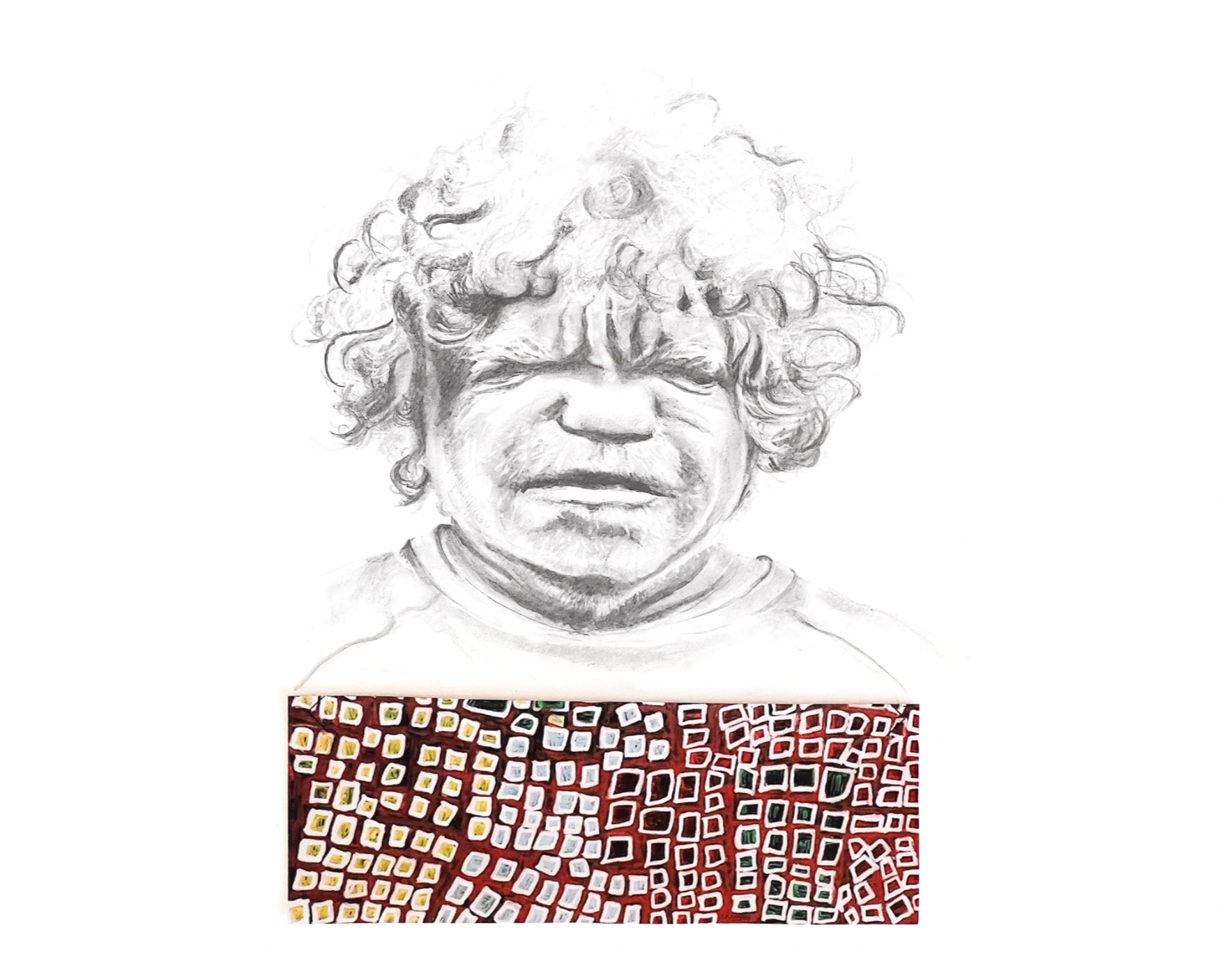
Bob Gibson Tjungurrayi (born around 1940) is one of the most important figures in contemporaryAboriginal art . A respected member of the Pintupi people, he embodies the generation of Aboriginal artists who transformed the sacred stories of the Dreamtime into a globally recognized artistic movement. Born in the Australian outback, Bob Gibson spent his early years living the traditional Pintupi nomadic lifestyle, which imparted to him a deep knowledge of Dreaming stories and sacred sites. The central theme of his Aboriginal art the Tingari cycle, a complex set of stories specific to the Pintupi people Pintupi the journeys of the creator Ancestors across the Gibson Desert. A longtime member of Papunya Tula Artists, the historic organization founded in 1972, Bob Gibson has developed a distinctive style characterized by balanced geometric compositions and an exceptional mastery of dot painting. His Aboriginal paintings use a subdued palette evoking the natural colors of the desert and accurately depict sacred sites and essential waterholes. Bob Gibson Tjungurrayi’s Aboriginal paintings are featured in the permanent collections of prestigious institutions such as the National Gallery of Australia and the Musée du Quai Branly. As a respected elder, he plays a crucial role in passing on artistic knowledge to younger generations Pintupi. Inma Galerie, a recognized specialist inAboriginal art , offers authentic works by Bob Gibson with full documentation via Papunya Tula Artists. Each acquisition represents a significant cultural investment and an active contribution to the preservation of millennia-old Aboriginal heritage.