
Fiscalité de l'art aborigène en France : TVA, revente, IFI, transmission (guide 2026)
Saviez-vous que l'art bénéficie en France d'un cadre fiscal parmi les plus favorables ? TVA réduite à 5,5 %, œuvres hors IFI, régime de revente avantageux, dispositif entreprises prorogé jusqu'en 2028 : le guide 2026 pour collectionner l'art aborigène en toute sérénité.
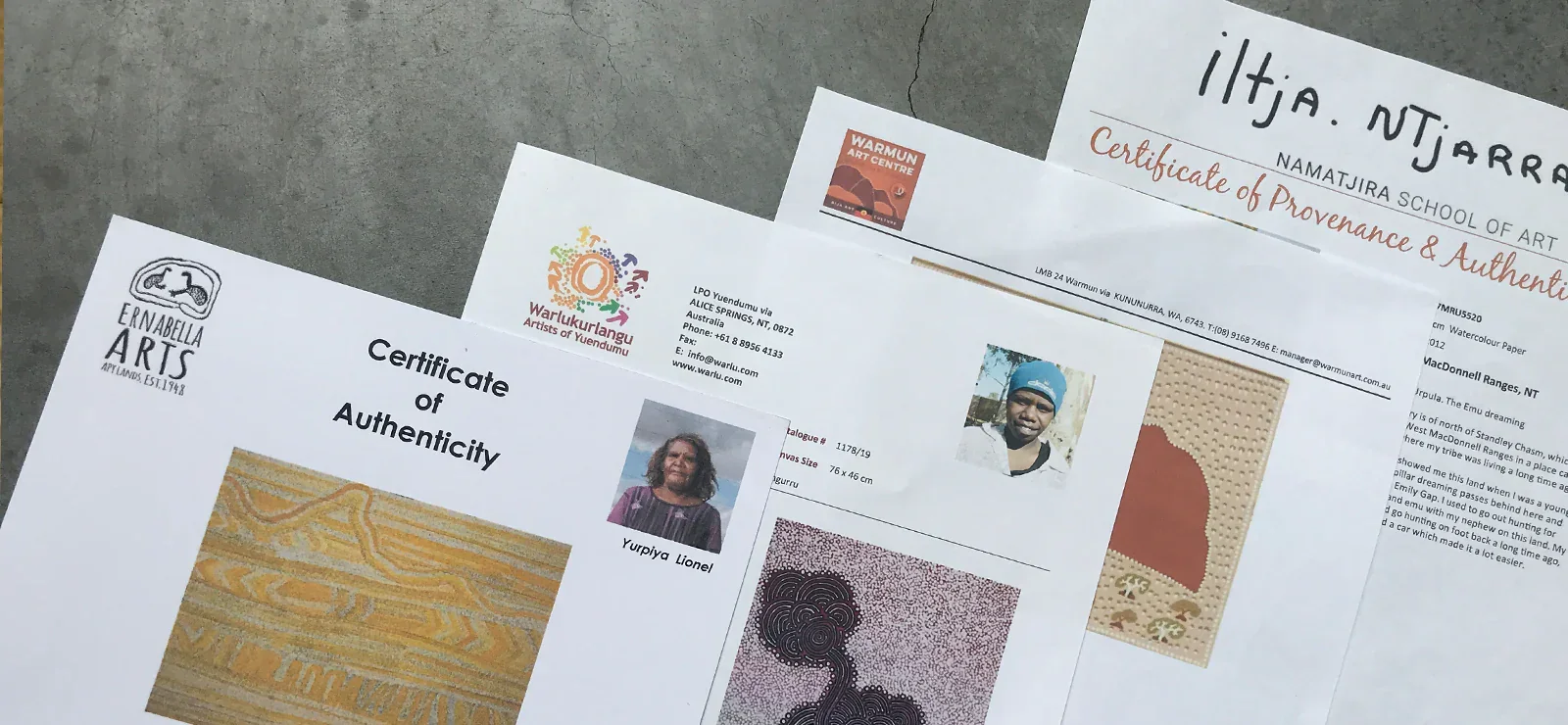
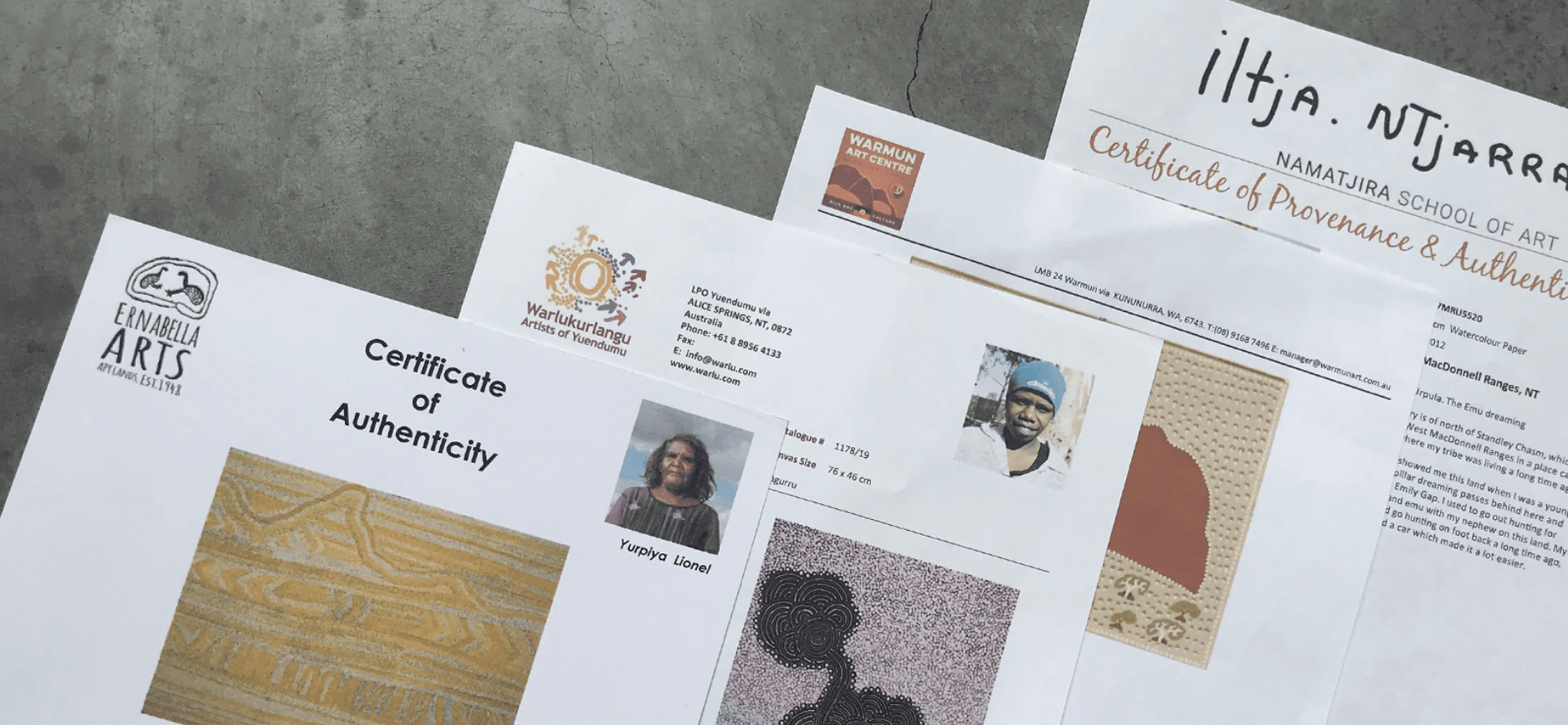
Les certificats d'authenticité dans l'art aborigène : ce qu'ils garantissent (et ce qu'ils ne garantissent pas)
Le certificat d'authenticité est la pièce d'identité d'une peinture aborigène — à condition de savoir le lire. Ce qu'il doit contenir, ce qu'il garantit vraiment, ses limites, et comment le vérifier avant d'acheter : le guide complet.
Acheter sa première peinture aborigène : budget, pièges à éviter, checklist complète
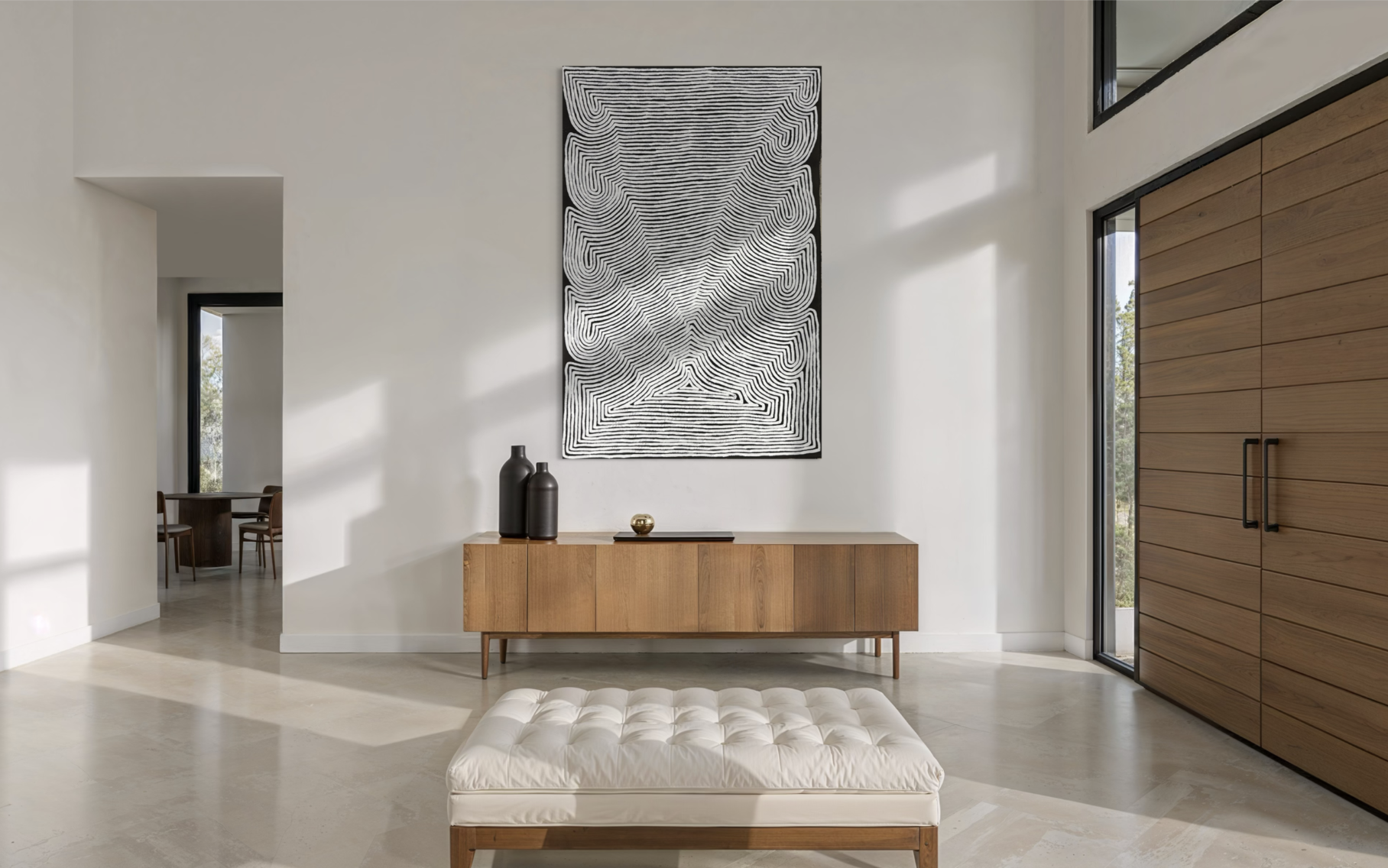
Quel budget prévoir ? Comment vérifier l'authenticité ? Quelle œuvre choisir ? Notre guide complet accompagne pas à pas votre première acquisition d'art aborigène — avec une checklist et les pièges à éviter — pour acheter sereinement, auprès de centres d'art reconnus.
Détecter une fausse peinture aborigène : les 12 signes qui ne trompent pas
Provenance, certificat, prix, dos de la toile, régularité des points… Le marché de l'art aborigène compte aussi des faux et des reproductions. Voici les 12 signes qui permettent de reconnaître une fausse peinture aborigène d'une œuvre authentique — et d'acheter en toute confiance.
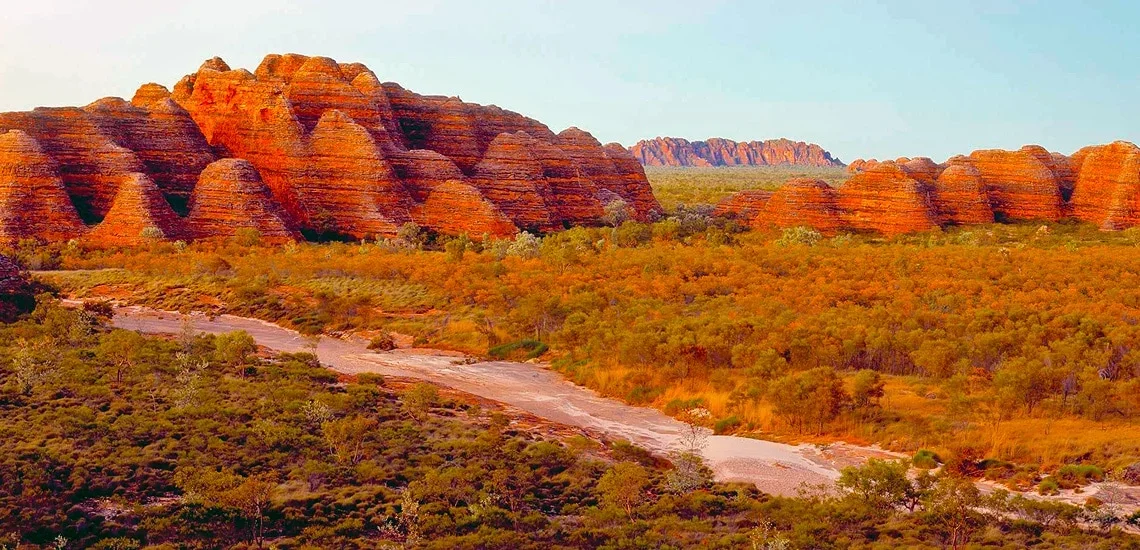
L'art aborigène du Kimberley : Le mouvement méconnu à découvrir
L'art aborigène du Kimberley — région nord-ouest australienne vaste comme l'Allemagne — reste largement méconnu des collectionneurs internationaux malgré sophistication exceptionnelle et ancienneté remarquable (art rupestre 40 000+ ans, styles Gwion Gwion et Wandjina monumentaux). Cette tradition développe esthétique radicalement différente du désert central : Rover Thomas (1926-1998, Biennale Venise 1990) avec ses aplats puissants en ocres naturelles reflétant falaises rouges spectaculaires ; Wandjina aux yeux sans pupilles et absence de bouche, êtres sacrés peints uniquement par gardiens autorisés des peuples Worrorra/Ngarinyin/Wunambal ; mouvement de Warmun (Turkey Creek, peuple Gija) combinant récits Dreaming et histoire coloniale dans compositions abstraites minimales. Le marché du Kimberley traîne derrière le désert central en valorisation (Rover Thomas 120 000-240 000€, Paddy Bedford 30 000-90 000€, artistes contemporains 300-3 000€) créant opportunités excellentes pour collectionneurs cherchant diversification intelligente avec rapport qualité-prix favorable et potentiel de valorisation à mesure que reconnaissance internationale croît. Inma Galerie guide collectionneurs vers sources fiables du Kimberley (Warmun Art Centre, Mowanjum Art Centre) avec documentation exhaustive garantissant authenticité culturelle, particulièrement cruciale pour Wandjina sacrés où seuls gardiens légitimes peuvent créer images selon protocoles millénaires stricts.
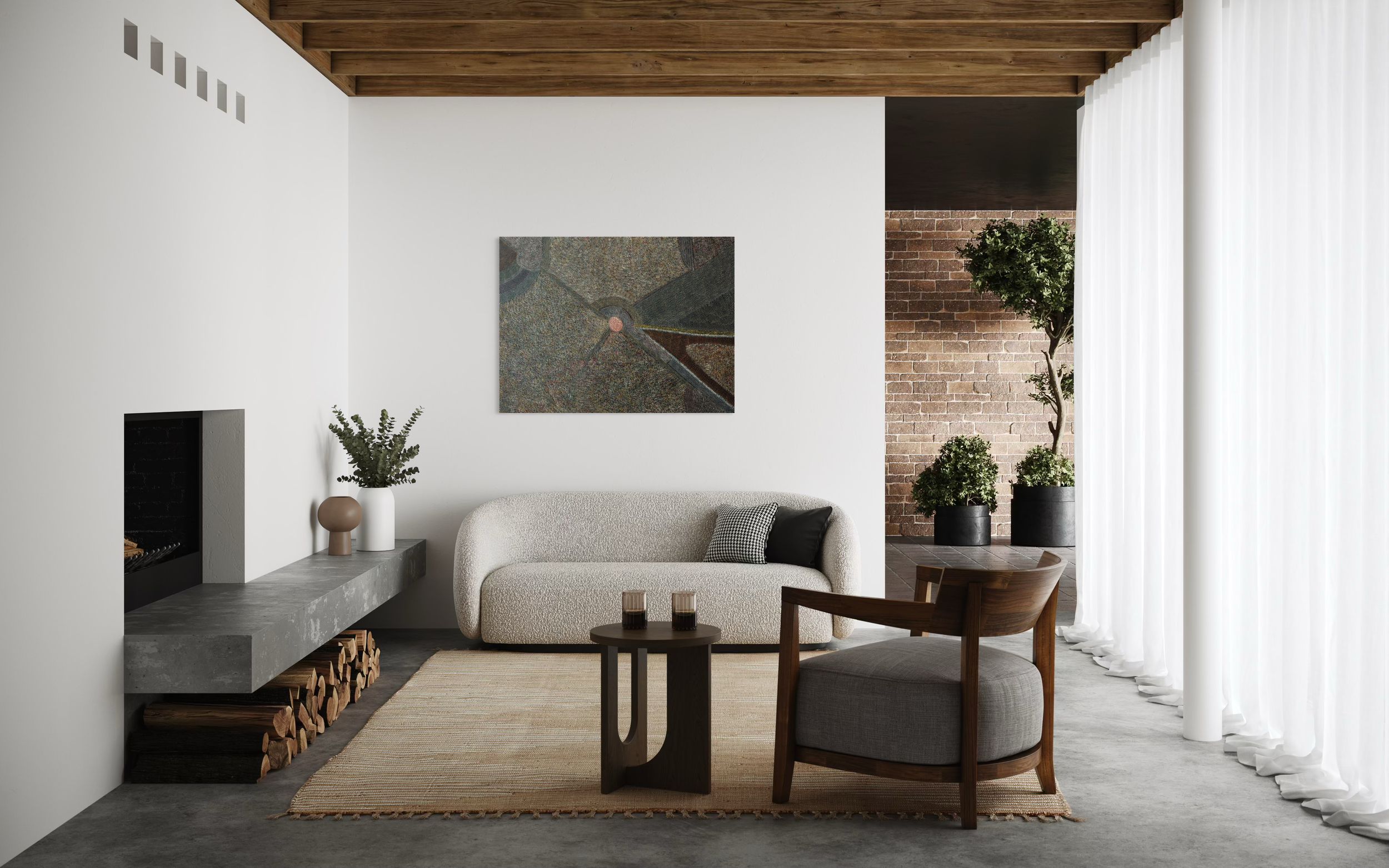
Abie Loy Kemarre : Tradition et innovation dans l'art contemporain aborigène
Abie Loy Kemarre (née v. 1972) représente génération contemporaine de l'art aborigène d'Utopia, petite-nièce d'Emily Kame Kngwarreye perpétuant héritage des maîtresses légendaires tout en développant langage visuel distinctif. Membre du peuple Anmatyerre, ses peintures aborigènes évoquent cérémonies féminines Awelye et plantes médicinales du bush avec approche gestuelle vibrante (lignes fluides, palette riche verts/jaunes/oranges) contrastant avec dot painting Pintupi tout en maintenant authenticité culturelle absolue. Ses œuvres figurent dans collections institutionnelles et privées internationales avec valorisation actuelle 2 000€ - 25 000€ selon format et qualité, offrant excellent rapport qualité-prix pour collectionneurs d'art aborigène féminin d'Utopia comparé à légendes établies (Emily Kame, Gloria Petyarre) devenues financièrement inaccessibles. Le style d'Abie Loy combine tradition (participation active cérémonies, savoirs botaniques millénaires, respect protocoles sacrés) et innovation (expérimentations chromatiques, variations compositionnelles, dialogue avec art contemporain) démontrant vitalité continue de culture aborigène. Inma Galerie propose œuvres authentifiées d'Abie Loy Kemarre avec documentation exhaustive, certificats art centres, provenance traçable, accompagnement expert personnalisé pour collectionneurs souhaitant acquérir art aborigène authentique d'Utopia à prix accessible.
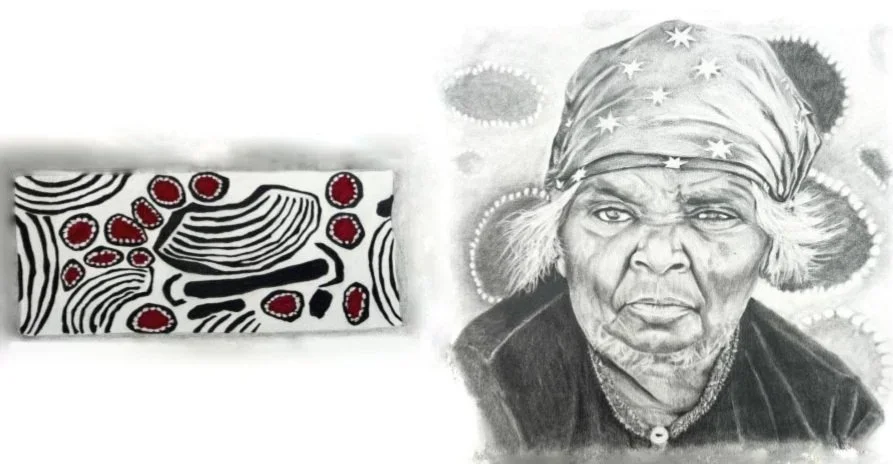
Ningura Napurrula: Legend of Pintupi Aboriginal art and guardian of sacred sites
Ningura Napurrula (c. 1938–2013) ranks among the most significant Aboriginal artists in contemporary history, having lived a nomadic life in the Gibson Desert before creating Aboriginal paintings of exceptional power that have captivated collectors and institutions worldwide. A respected Pintupi woman and Pintupi of Papunya Tula Artists, she developed an iconic style characterized by monumental concentric circles representing sacred sites, a sober yet dramatic palette (ochres, blacks, whites), and exceptional mastery of dot painting, reaching the pinnacle of refinement. Her works have set auction records for female Aboriginal artists (up to €200,000+) and are featured in the collections of the National Gallery of Australia, the Musée du Quai Branly, and major international institutions. Structural scarcity (she passed away in 2013, production has ceased, and the majority of her works are in museum collections) supports continued appreciation and makes every acquisition opportunity exceptional. Inma Galerie occasionally offers rare pieces by this legendary artist, complete with comprehensive documentation, traceable provenance, a lifetime authenticity guarantee, and premium support for serious collectors.
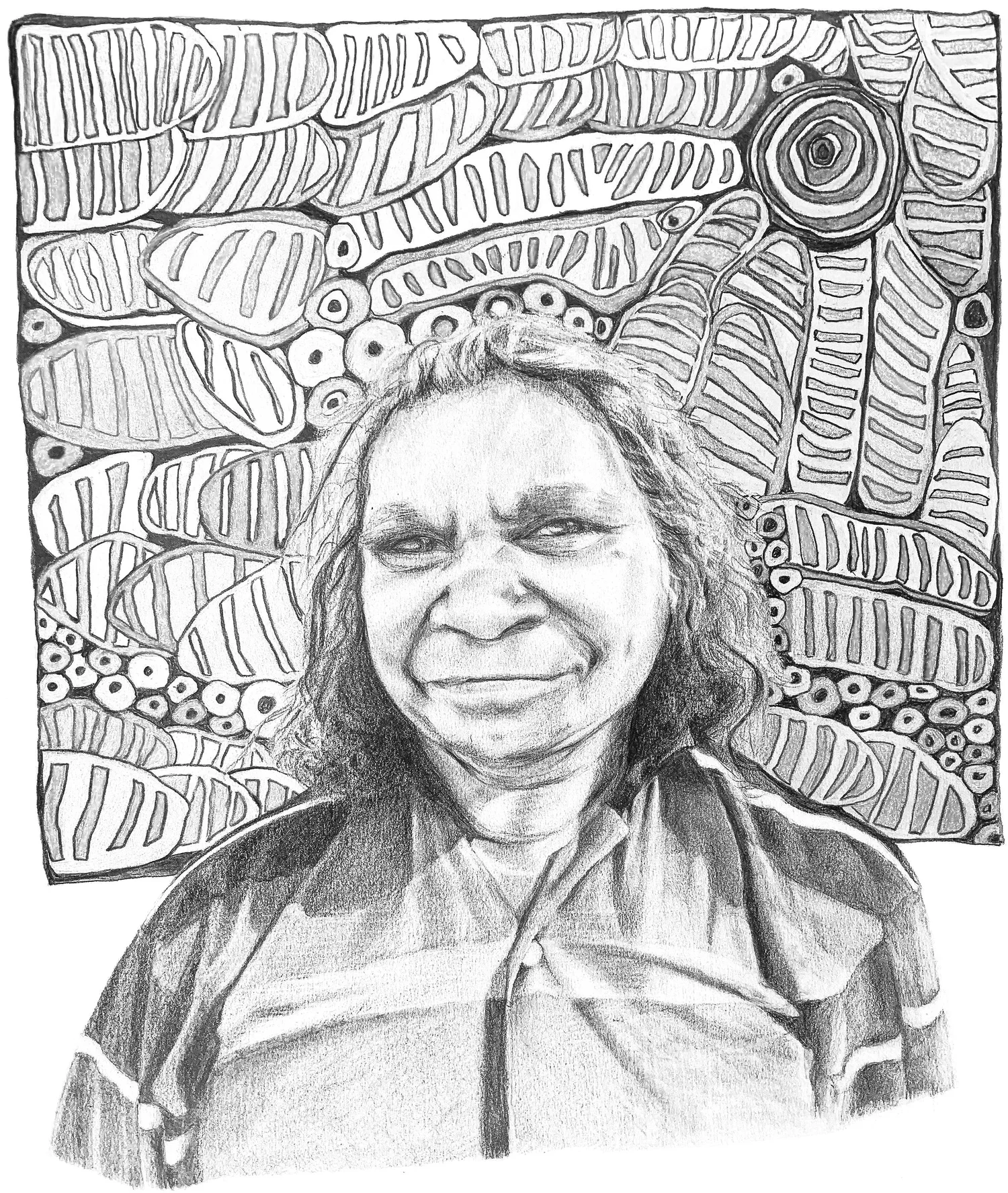
Betty Club Mbitjana: Aboriginal artist from Utopia and guardian of Awelye ceremonies
Betty Club Mbitjana (née v. 1940) représente l'une des artistes aborigènes les plus respectées de la communauté d'Utopia, célèbre centre d'art aborigène féminin ayant produit Emily Kame Kngwarreye et Gloria Petyarre. Membre du peuple Anmatyerre, elle est gardienne légitime des cérémonies féminines Awelye et des savoirs sur plantes médicinales transmis depuis des millénaires par les femmes de son territoire. Ses peintures aborigènes se caractérisent par des compositions vibrantes et dynamiques évoquant la végétation d'Utopia, une palette riche (verts, jaunes, rouges), et une technique fluide distincte du style géométrique Pintupi. Ses œuvres figurent dans collections internationales avec valorisation solide sur le marché (2 000€ - 25 000€ selon format), offrant excellent rapport qualité-prix pour collectionneurs souhaitant acquérir art aborigène authentique d'Utopia. Inma Galerie propose pièces de Betty Club Mbitjana avec documentation complète : certificat authenticité, explication Awelye, identification plantes médicinales, provenance traçable, garantie éthique.
Investing inAboriginal art : A Comprehensive Guide for French Collectors (2026)
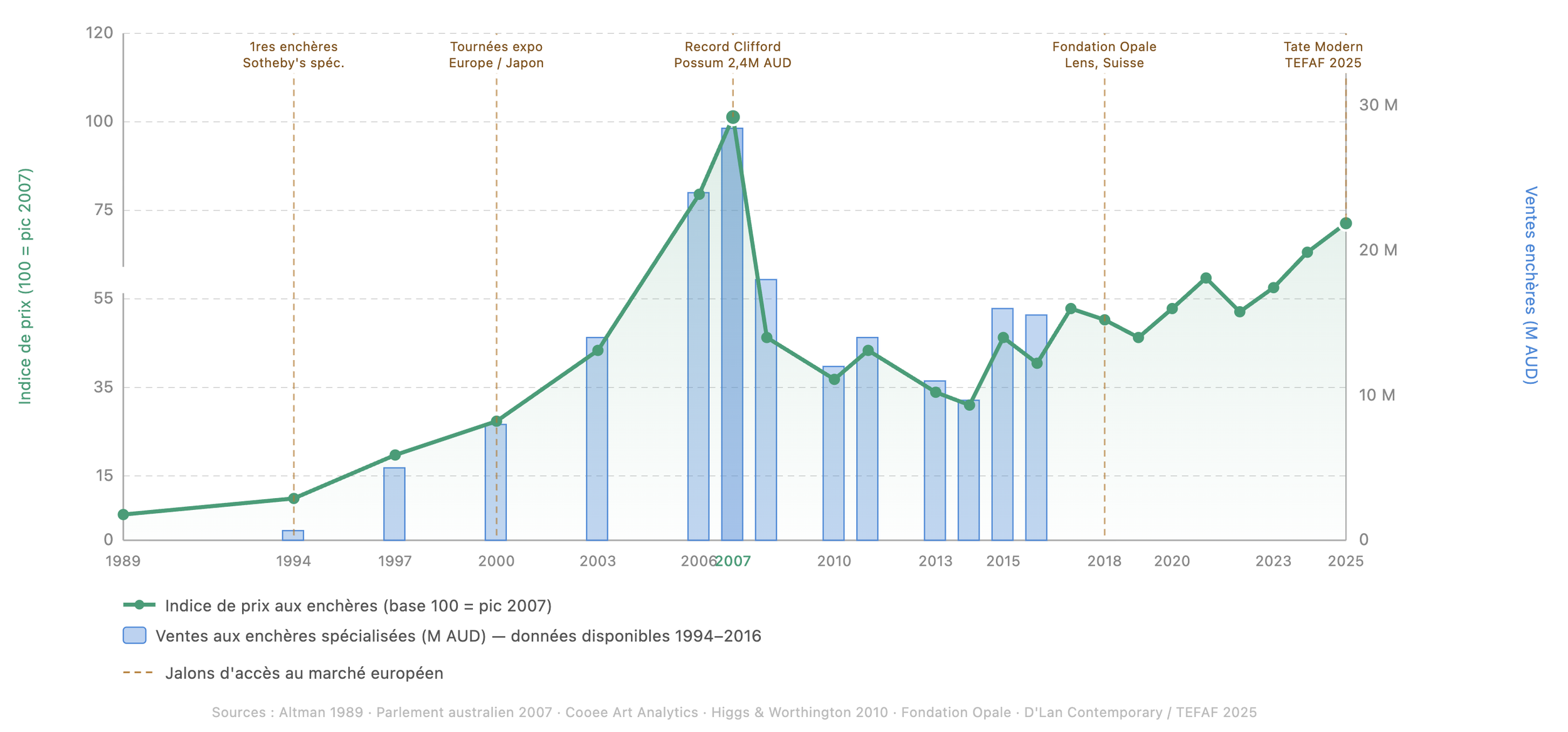
L'art aborigène australien connaît une croissance spectaculaire avec une appréciation moyenne de 12-18% annuelle entre 2019 et 2025, surpassant de nombreux segments de l'art contemporain occidental. Pour les collectionneurs français, cet art représente une opportunité d'investissement patrimonial exceptionnelle combinant authenticité culturelle millénaire et potentiel de valorisation solide, tout en bénéficiant d'une fiscalité avantageuse (TVA 5,5%, exonération IFI). Cependant, le succès commercial a attiré contrefaçons et pratiques non éthiques, rendant essentielle l'acquisition auprès de galeries spécialisées garantissant authenticité et traçabilité. Inma travaille exclusivement avec des art centres reconnus, signataires de l'Indigenous Art Code, propose ce guide complet 2026 couvrant authentification, artistes incontournables (Emily Kame Kngwarreye, Clifford Possum, Gloria Petyarre), fourchettes de prix par budget (3 000€-100 000€+), et stratégies d'investissement intelligent. Au-delà de l'investissement financier, collectionner l'art aborigène signifie devenir gardien d'un patrimoine immatériel de l'humanité, préservant des récits du Temps du Rêve transmis depuis 65 000 ans.
Old Mick Wallankari Tjakamarra: Pioneer ofAboriginal art guardian of the Dreaming
Old Mick Wallankari Tjakamarra (c. 1925–1998) was one of the most important founding artists of theAboriginal art movement launched in Papunya in 1971. A respected member of the Pintupi people, he played a crucial role in transforming the sacred stories of the Dreamtime into revolutionary acrylic paintings. Born in the Western Desert and having lived according to Pintupi nomadic traditions Pintupi adulthood, Old Mick possessed an authentic knowledge of Dreaming stories and ancestral ceremonies. In 1971, alongside Geoffrey Bardon and pioneers such as Clifford Possum Tjapaltjarri and Johnny Warangkula Tjupurrula, he participated in the early experiments that created the visual language ofAboriginal art . Old Mick contributed to the development of the dot painting technique, which became the iconic signature of CentralAboriginal art . His Aboriginal paintings are characterized by narrative compositions mapping the sacred sites and ancestral journeys of the Tingari cycle. A founding member of Papunya Tula Artists 1972, he participated in the historic exhibitions of the 1970s and 1980s that introducedAboriginal art the world. His Aboriginal paintings are included in the permanent collections of the National Gallery of Australia, the Art Gallery of NSW, and other prestigious institutions. Old Mick’s works possess exceptional heritage value as direct testimonies to the emergence ofAboriginal art . Inma Galerie, a specialist inAboriginal art , occasionally offers these rare historical works with Papunya Tula Artists authentication Papunya Tula Artists comprehensive documentation.
The Tingari Cycle Tingari Sacred Stories of the Pintupi People Pintupi Their Expression inAboriginal art
The Tingari Cycle Tingari one of the most sacred and complex sets of stories in the Aboriginal Dreamtime, specific to the Pintupi people Pintupi Australia’s central desert. These ancestral stories recount the epic journeys of groups of creator Ancestors who traversed the desert during the time of creation, shaping the landscape, establishing waterholes, and instituting the social laws that still structure Aboriginal culture today. The Tingari cycle Tingari a multi-layered structure of knowledge, revealed progressively during male initiations, ensuring that the most sacred aspects remain protected. InAboriginal art , the Tingari cycle Tingari a major source of inspiration since the Papunya movement in 1971. Aboriginal artists such as Bob Gibson Tjungurrayi, George Ward Tjungurrayi, Wentja Morgan Napaltjarri, and Turkey Tolson Tjupurrula have dedicated their careers to visually conveying these sacred stories through their exceptional Aboriginal paintings. Aboriginal paintings of the Tingari cycle Tingari characterized by concentric circles representing sacred sites, lines indicating ancestral journeys, and a dot painting technique that creates depth and texture. These works function simultaneously as art, spiritual maps of the territory, and documents of cultural preservation. The Tingari Cycle Tingari a true system of Aboriginal laws governing the social organization, relationship to the land, and ceremonial practices of the Pintupi people. Inma Galerie, a specialist inAboriginal art , offers an exclusive collection of authentic paintings from the Tingari Cycle, complete Tingari documentation and a guarantee of authenticity. Collecting a work from the Tingari cycle means becoming a guardian of a fragment of ancestral knowledge and actively participating in the preservation of this intangible cultural heritage of humanity.
Bob Gibson Tjungurrayi: Master ofAboriginal art guardian of the Pintupi Dreaming
Bob Gibson Tjungurrayi (born around 1940) is one of the most important figures in contemporaryAboriginal art . A respected member of the Pintupi people, he embodies the generation of Aboriginal artists who transformed the sacred stories of the Dreamtime into a globally recognized artistic movement. Born in the Australian outback, Bob Gibson spent his early years living the traditional Pintupi nomadic lifestyle, which imparted to him a deep knowledge of Dreaming stories and sacred sites. The central theme of his Aboriginal art the Tingari cycle, a complex set of stories specific to the Pintupi people Pintupi the journeys of the creator Ancestors across the Gibson Desert. A longtime member of Papunya Tula Artists, the historic organization founded in 1972, Bob Gibson has developed a distinctive style characterized by balanced geometric compositions and an exceptional mastery of dot painting. His Aboriginal paintings use a subdued palette evoking the natural colors of the desert and accurately depict sacred sites and essential waterholes. Bob Gibson Tjungurrayi’s Aboriginal paintings are featured in the permanent collections of prestigious institutions such as the National Gallery of Australia and the Musée du Quai Branly. As a respected elder, he plays a crucial role in passing on artistic knowledge to younger generations Pintupi. Inma Galerie, a recognized specialist inAboriginal art , offers authentic works by Bob Gibson with full documentation via Papunya Tula Artists. Each acquisition represents a significant cultural investment and an active contribution to the preservation of millennia-old Aboriginal heritage.
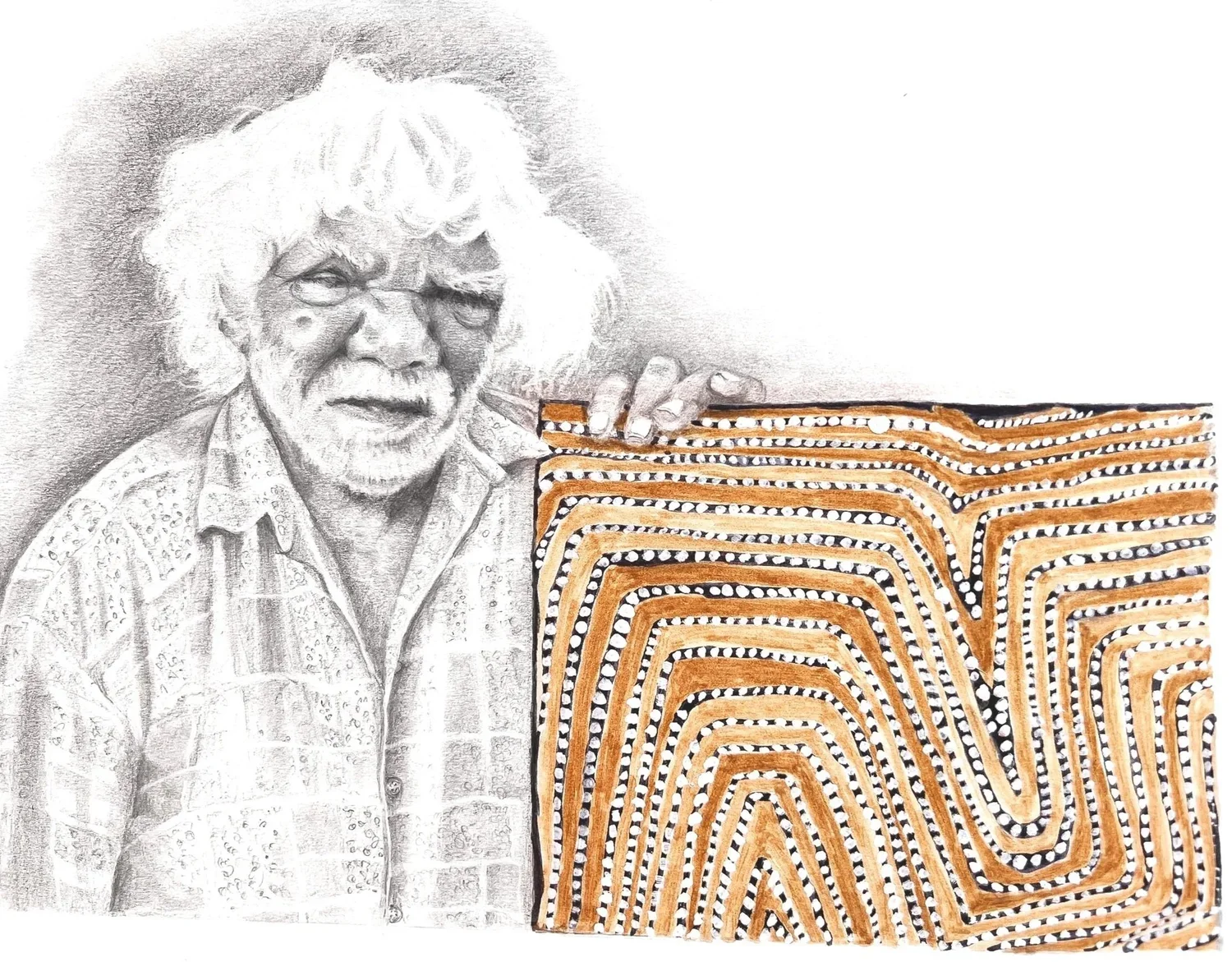
George Ward Tjungurrayi: Master of Central Australian Aboriginal Art
George Ward Tjungurrayi (c. 1943–2020) is one of the most respected Aboriginal artists in the AustralianAboriginal art movement. A member of the Pintupi people, he dedicated his life to passing down the sacred stories of the Dreamtime through his exceptional Aboriginal paintings. Born in the Gibson Desert, one of Australia’s most remote regions, George Ward Tjungurrayi lived according to ancestral traditions before becoming a pillar of the artistic community in Kintore and Kiwirrkura. His Aboriginal art a deep understanding of the land and the ancestral stories that shape it. The dominant theme of his work is the Tingari cycle, a complex set of Dreaming narratives unique to the Pintupi people Pintupi the journeys of the creator Ancestors across the desert. His style is distinguished by balanced geometric compositions, a subdued palette evoking the colors of the desert, and an exceptional mastery of dot painting (Aboriginal pointillism). George Ward Tjungurrayi’s Aboriginal paintings are featured in major international collections, from the National Gallery of Australia to the Musée du Quai Branly. His sister, Lorna Ward Napanangka, is also a renowned artist, illustrating the family’s transmission of artistic knowledge. Inma Galerie, a specialist inAboriginal art , offers authentic works by this master artist with complete documentation and a guarantee of authenticity. Each painting tells a story from the Dreaming, keeping alive the spiritual connection to the Central Desert.
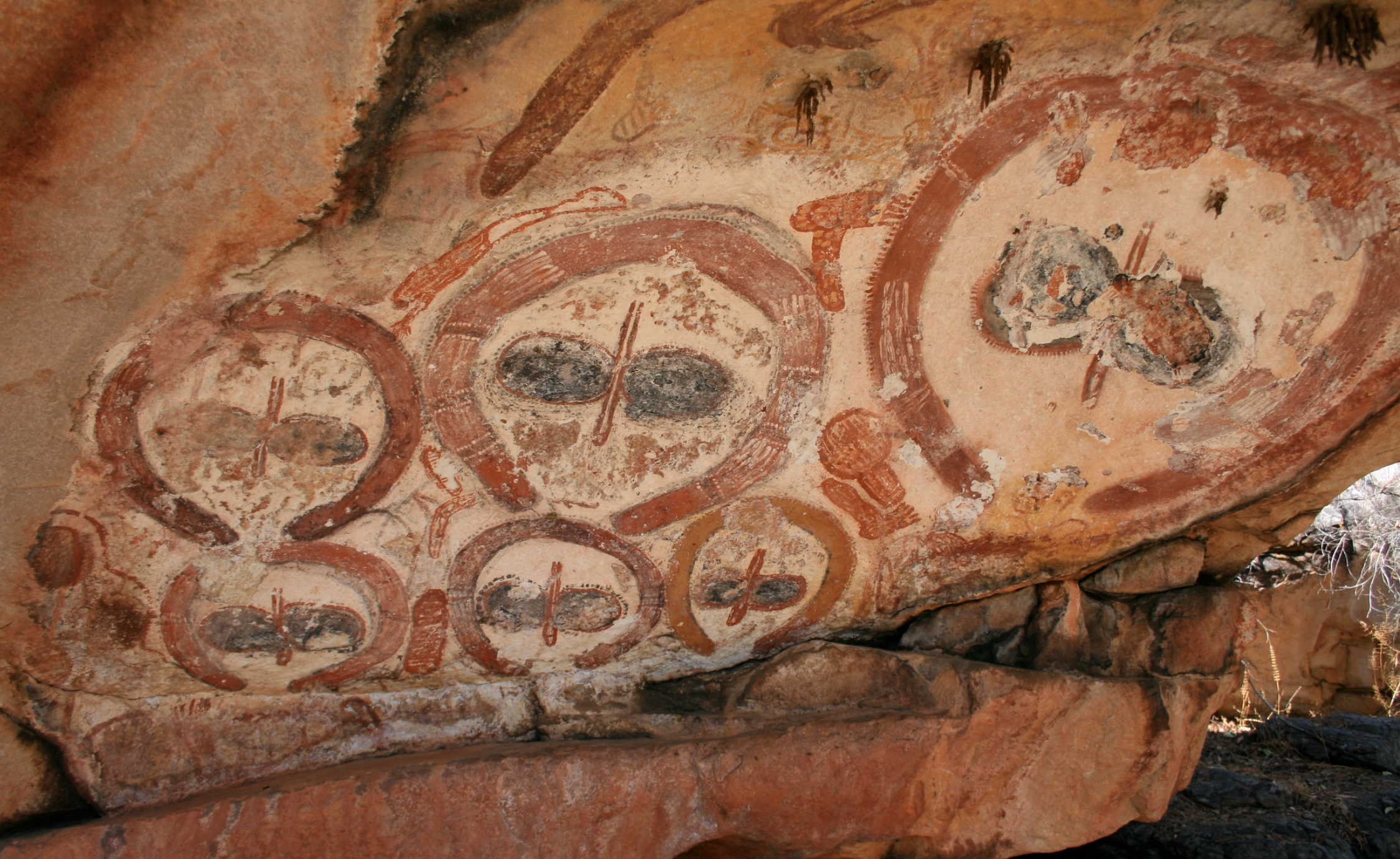
Symbols in Aboriginal Art: Decoding the Ancestral Visual Language
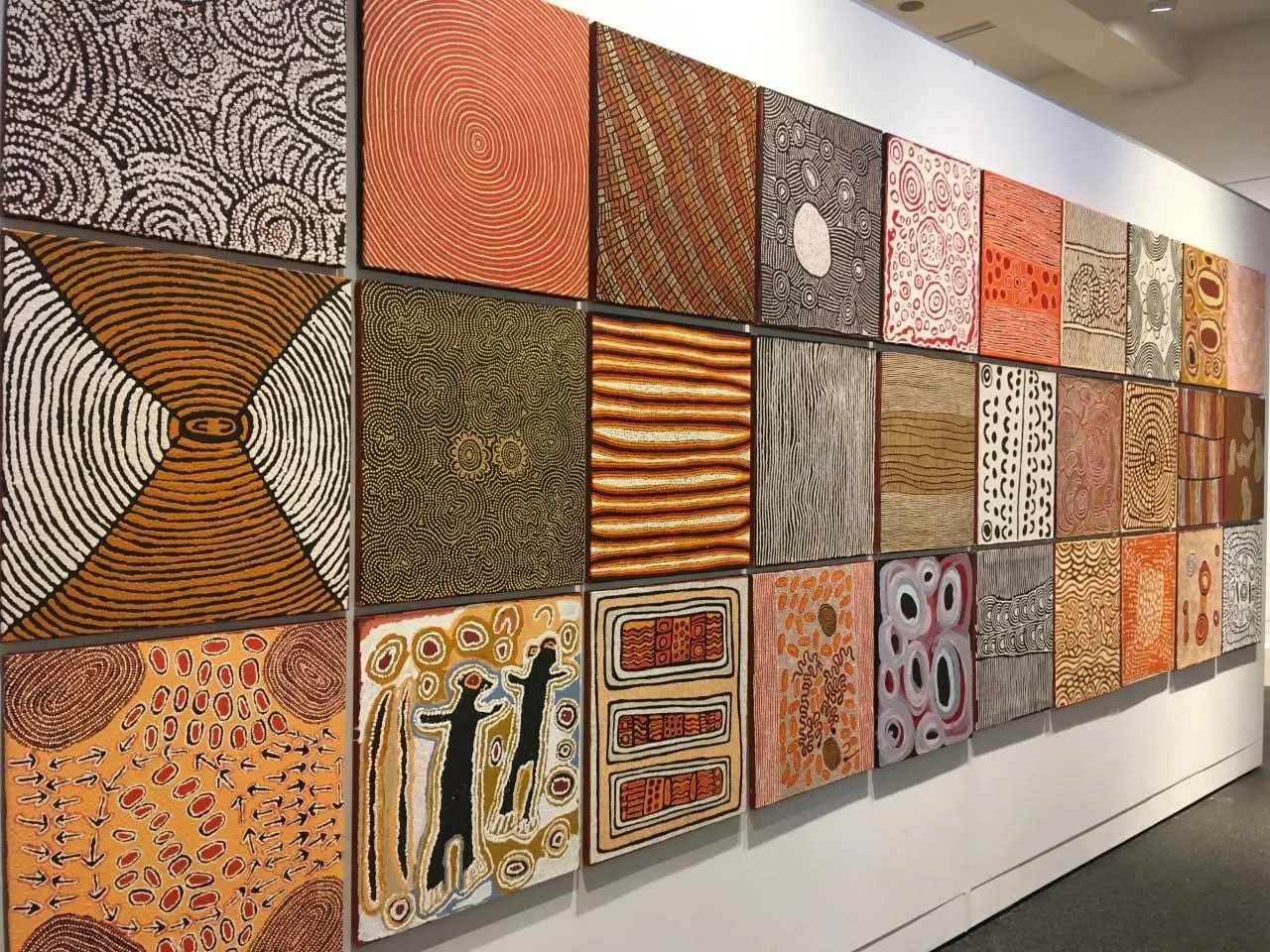
Les symboles aborigènes constituent un langage visuel sophistiqué qui a permis aux peuples autochtones australiens de transmettre histoires, lois et savoirs pendant plus de 65 000 ans. Chaque peinture aborigène est bien plus qu'une composition esthétique : c'est un récit codifié où chaque motif, chaque forme, chaque couleur possède une signification précise ancrée dans le Dreaming (Temps du Rêve). Le cercle est sans doute le symbole le plus emblématique de l'art aborigène, représentant les points d'eau sacrés, sites cérémoniels et lieux de campement créés par les Ancêtres. Les cercles concentriques amplifient cette signification, indiquant des points d'eau profonds et permanents ou des sites de grande puissance spirituelle. Les lignes dans les peintures aborigènes possèdent de multiples significations : chemins parcourus par les Ancêtres créateurs, rivières créées par le Serpent Arc-en-ciel, pluie tombant du ciel ou racines souterraines de plantes sacrées. La technique du dot painting (pointillisme aborigène) est devenue l'esthétique la plus reconnaissable de l'art aborigène contemporain, les dots représentant graines, étoiles, feu ou empreintes. Comprendre ces symboles dans l'art aborigène transforme radicalement l'expérience du spectateur : ce qui pourrait sembler abstrait révèle soudain des cartes spirituelles, des récits mythologiques et des connaissances écologiques millénaires. Chez Inma Galerie, spécialiste de l'art aborigène australien, chaque tableau aborigène est accompagné d'une documentation détaillée expliquant les symboles et le récit du Dreaming représenté.

The Dreaming in Aboriginal Art: History, Symbolism, and Contemporary Influence
TheDreamtime is the spiritual heart ofAboriginal art and fascinates art lovers around the world. This ancestral concept, which is much more than mere mythology, represents the worldview of the Aboriginal peoples who have lived in Australia for over 65,000 years. Every Aboriginal painting tells a story from the Dreamtime: the creation of the world by the Ancestors, the spiritual laws established, and the living connection between past, present, and future. In this comprehensive article, discover the fascinating history of Dreamtime, the symbolism of Aboriginal motifs (concentric circles, dots, lines), the artistic techniques of Aboriginal pointillism, and the influence of the Dreamtime on international contemporary art. Inma Galerie, a specialist inAboriginal art , guides you in understanding, appreciating, and collecting these exceptional works that convey 65,000 years of living culture. Explore the stories of the creator Ancestors, the Rainbow Serpent, the Seven Sisters, and many other sacred tales.

Contemporary Australian Aboriginal Art: A Millennia-Old Heritage in Constant Evolution
Aboriginal art captivates with its rich symbolism and millennia-old history. Spanning the ages without ever becoming static, this artistic expression—unique in the world—blends ancestral traditions with contemporary creativity. Our article invites you on a journey to the heart of this exceptional visual culture, from 65,000-year-old rock paintings to the innovative works of today’s Aboriginal artists. Discover the secrets of dot painting, the spirituality of the Dreamtime, and the inspiring journeys of artists such as Emily Kame Kngwarreye and Clifford Possum Tjapaltjarri. Whether you’re a seasoned collector or simply an art lover, immerse yourself in this fascinating visual world and learn to recognize, appreciate, and acquire authentic Aboriginal artworks with our expert guide.
This introductory excerpt can be placed at the beginning of the article, right after the main title and before the first section. It includes the main keywords and provides an engaging preview of the content that follows, while encouraging the reader to keep reading to learn more.
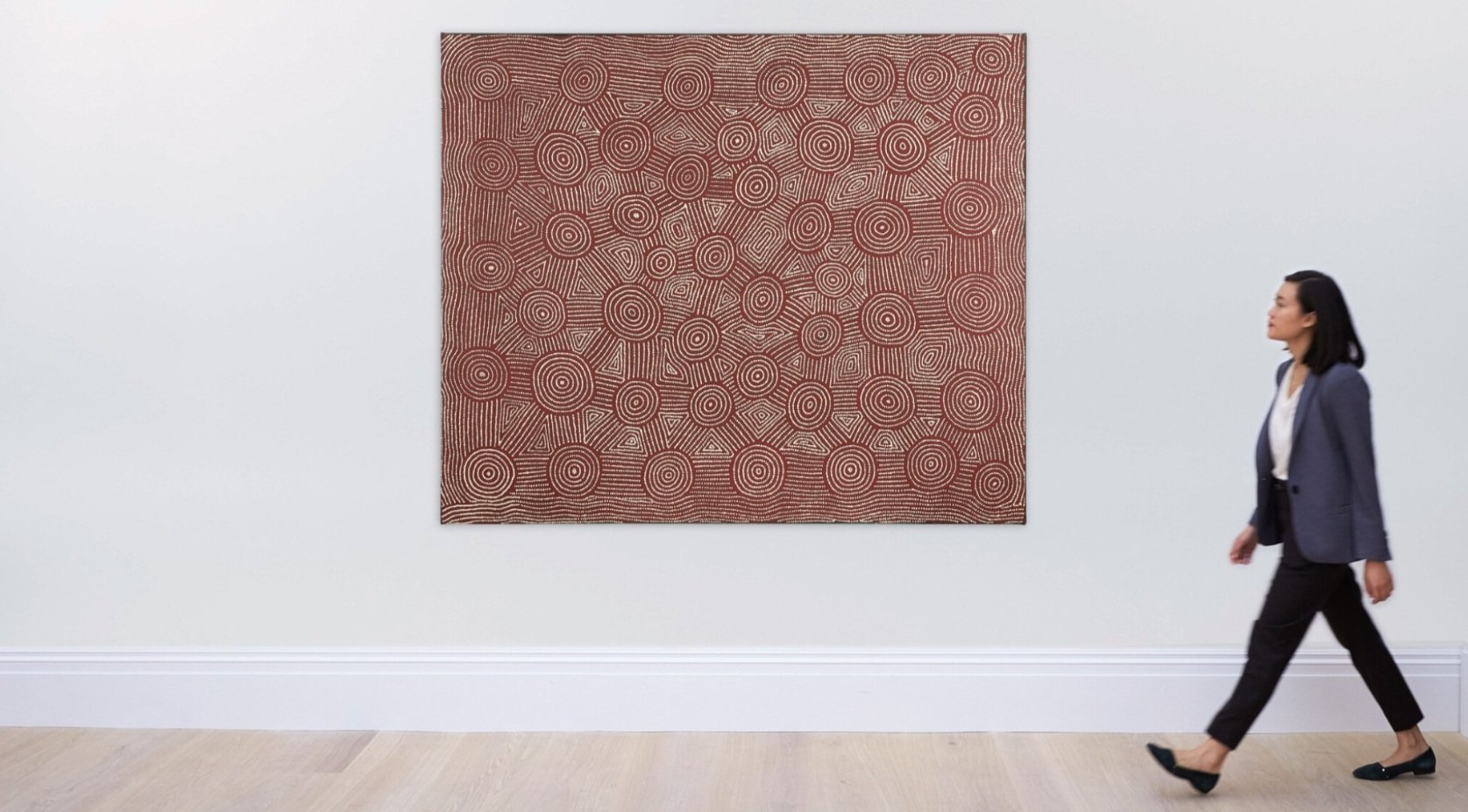
Les symboles dans l’art aborigène : un langage sacré et intemporel
L’art aborigène est une forme d’expression visuelle unique, utilisée depuis plus de 50 000 ans par les peuples autochtones d’Australie. Bien plus qu’un simple art décoratif, il constitue un véritable langage servant à transmettre les histoires, croyances et connaissances d’une civilisation ancestrale. Chaque peinture, chaque motif est porteur de sens profond, ancré dans une tradition millénaire.
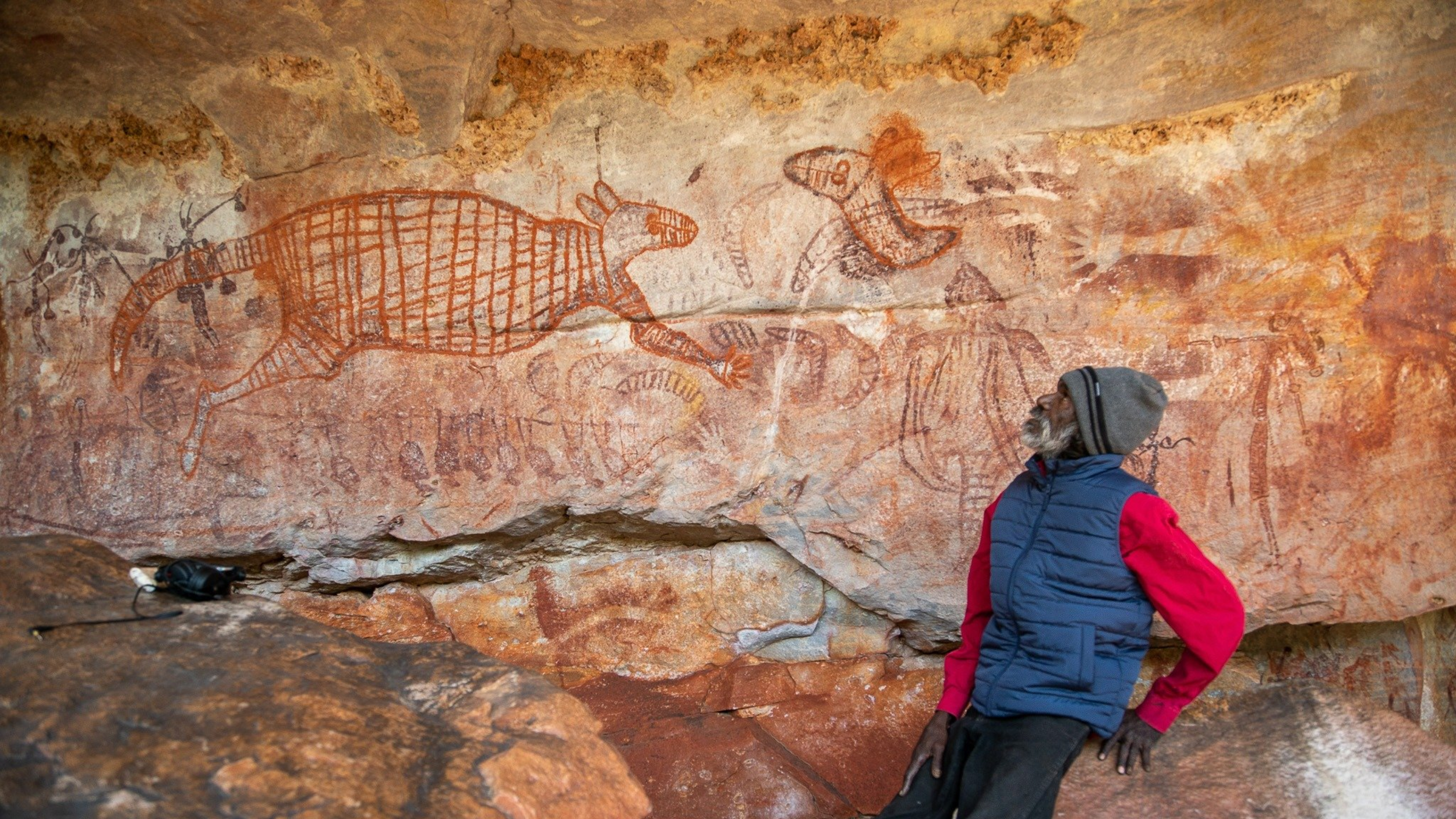
Le Temps du Rêve dans l’art aborigène : histoire, symbolisme et influence
L’art aborigène australien est bien plus qu’une simple expression artistique : il incarne une transmission culturelle et spirituelle ancrée dans le Temps du Rêve. Ce concept fondateur relie les peuples autochtones à leur territoire et à leurs ancêtres à travers des motifs symboliques et des peintures à points fascinantes.
Dans cet article, explorez l’histoire et le symbolisme de l’art aborigène, son lien profond avec la cosmogonie autochtone et son influence croissante sur la scène artistique contemporaine. Plongez au cœur d’un patrimoine ancestral où chaque œuvre raconte une histoire sacrée.