
Aboriginal art , Utopia APY Lands Aboriginal art : Which Style Should You Choose for Your Collection?
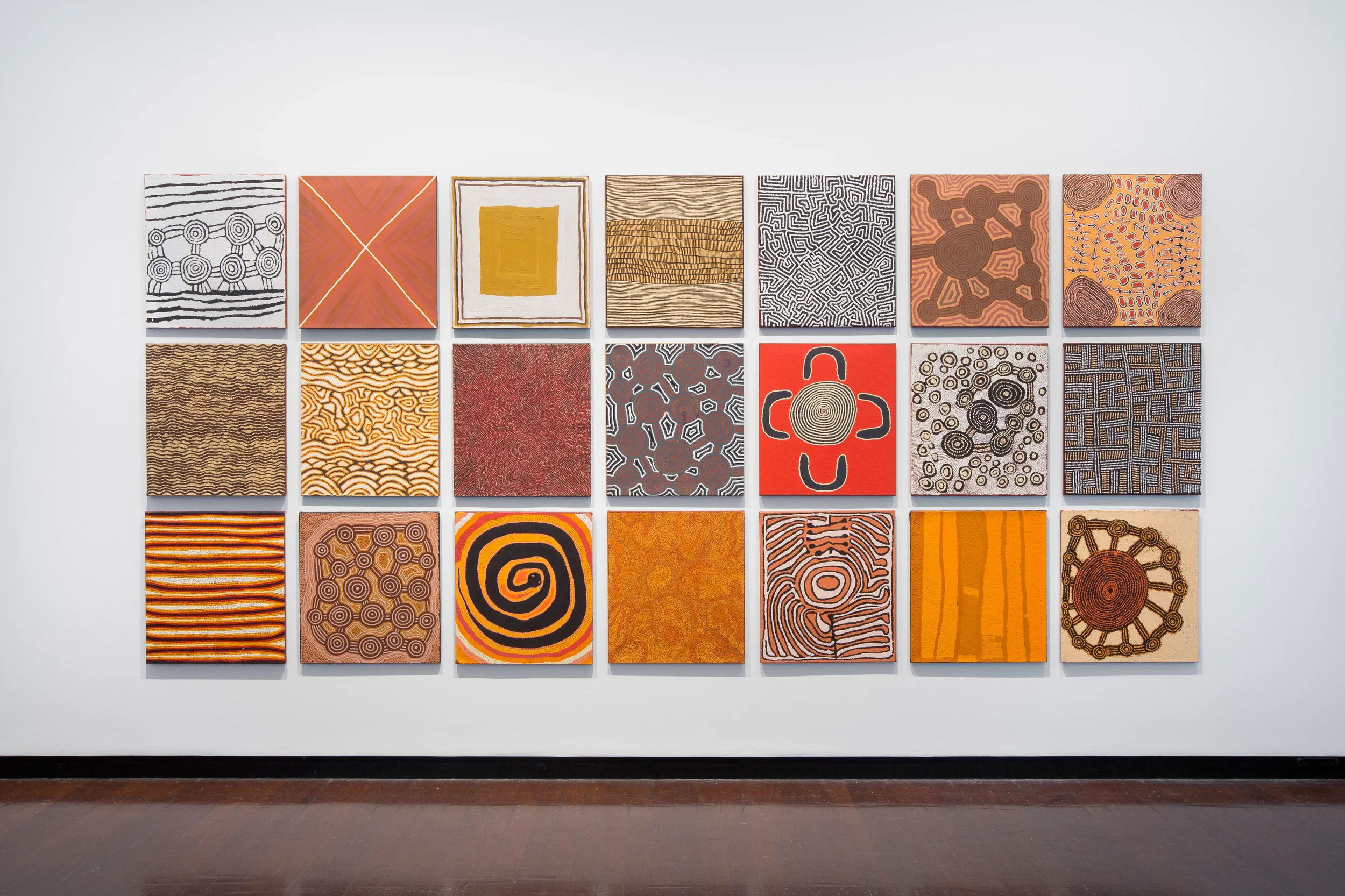
Choosing betweenPintupi, Utopia the APY Lands determines the aesthetic direction and investment strategy for your collection ofAboriginal art .Pintupi dense geometric dot painting, a subdued desert palette (ochres/blacks/whites), themes from the Tingari cycle, and a mature market with stable annual appreciation of 8–12% (artists: Bob Gibson, George Ward, Turkey Tolson; price ranges €3,000–€800,000+). Utopia for its frequent departure from dots in favor of free, expressive brushstrokes, a vibrant palette (greens/yellows/reds), Awelye ceremonies, and legendary masters such as Emily Kame (up to €2 million), Gloria Petyarre, and Minnie Pwerle (annual appreciation of 10–15%). APY Lands features accessible narrative, a varied luminous palette, stylistic diversity across communities, and excellent value for money (€2,000–€80,000, 5–15% appreciation potential but increased risk). Inma Galerie offers authenticated works from three regions with comparative expertise, personalized strategic advice based on aesthetic preferences, budget, and wealth management goals to build a cohesive collection that reflects the collector’s unique identity.
Aboriginal art as a Heritage Investment
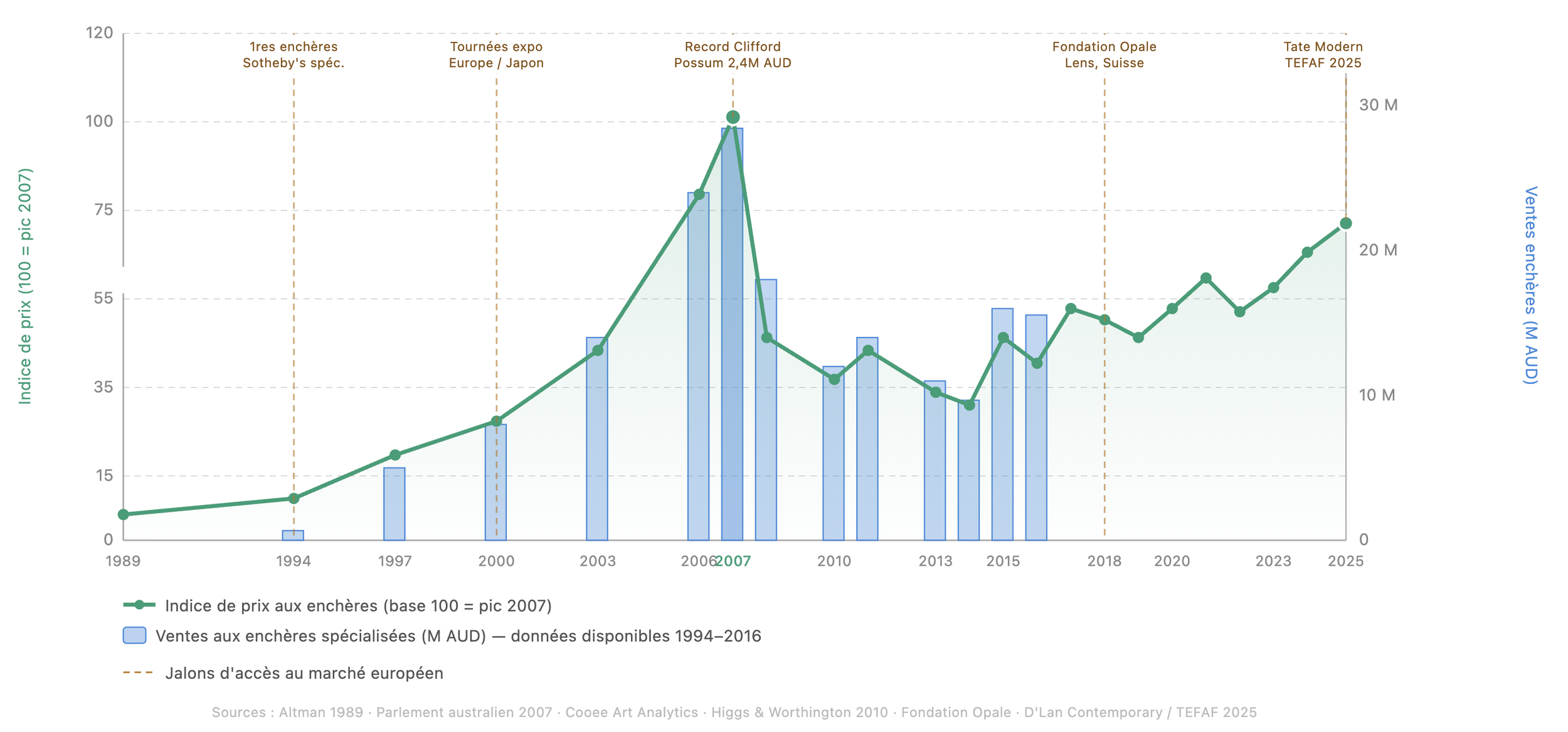
Aboriginal art is establishing itself as a legitimate heritage asset class, combining strong performance (12–18% annually from 2019 to 2025 in certain segments) with exceptional intangible cultural value. Its robust fundamentals include growing international museum recognition (National Gallery of Australia, Quai Branly, MET), structural scarcity (deaths of pioneers, institutional acquisitions) amid expanding global demand, and favorable French tax treatment (5.5% VAT on acquisition, full exemption from the IFI tax, and tax-optimized resale schemes with exemption after 22 years). The market is organized in a pyramid structure: established legends €100,000–€2,000,000 (Emily Kame, Clifford Possum, Ningura), recognized masters €20,000–€100,000 (Bob Gibson, Gloria Petyarre, George Ward), established quality artists €5,000–€20,000, and emerging artists €1,000–€5,000, with each segment presenting a distinct risk/return profile. Prudent investment requires impeccable authenticity (certificates from art centers, traceable provenance), exceptional artistic quality, sensible diversification, a long-term horizon of at least 7–15 years, and guidance from specialists such as Inma Galerie, ensuring exhaustive due diligence and an optimized acquisition strategy.
Ningura Napurrula: Legend of Pintupi Aboriginal art and guardian of sacred sites
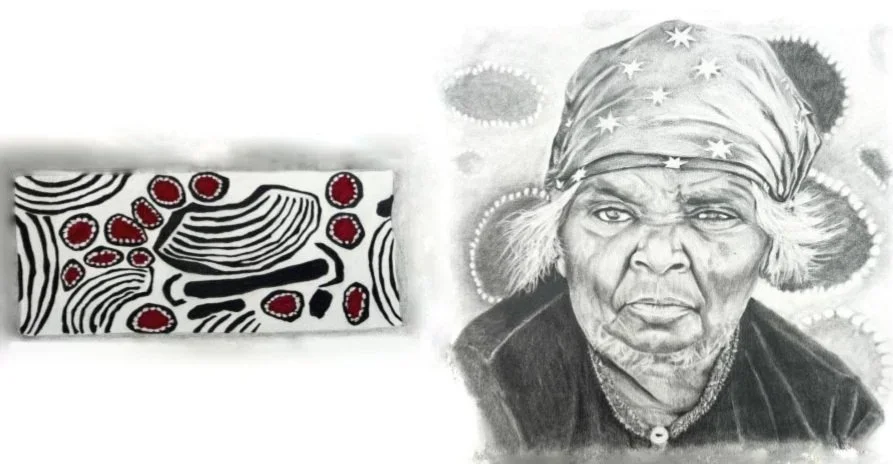
Ningura Napurrula (c. 1938–2013) ranks among the most significant Aboriginal artists in contemporary history, having lived a nomadic life in the Gibson Desert before creating Aboriginal paintings of exceptional power that have captivated collectors and institutions worldwide. A respected Pintupi woman and Pintupi of Papunya Tula Artists, she developed an iconic style characterized by monumental concentric circles representing sacred sites, a sober yet dramatic palette (ochres, blacks, whites), and exceptional mastery of dot painting, reaching the pinnacle of refinement. Her works have set auction records for female Aboriginal artists (up to €200,000+) and are featured in the collections of the National Gallery of Australia, the Musée du Quai Branly, and major international institutions. Structural scarcity (she passed away in 2013, production has ceased, and the majority of her works are in museum collections) supports continued appreciation and makes every acquisition opportunity exceptional. Inma Galerie occasionally offers rare pieces by this legendary artist, complete with comprehensive documentation, traceable provenance, a lifetime authenticity guarantee, and premium support for serious collectors.
Essential Books on Aboriginal Art to Deepen Your Knowledge
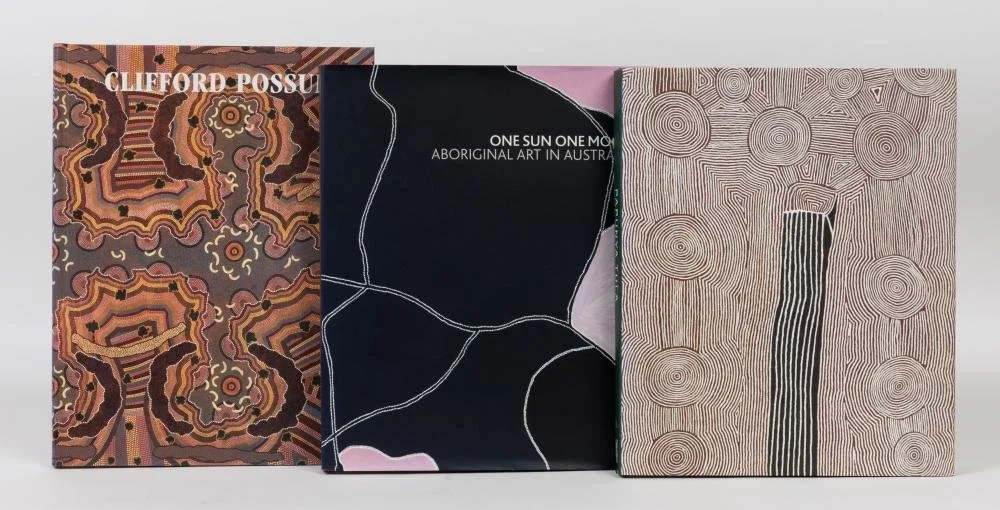
Deepening your knowledge ofAboriginal art transforms your experience as a collector from mere aesthetic observation into a profound cultural understanding of the stories of the Dreamtime, symbolism, and historical contexts. This essential bibliography, compiled by experts at Inma Galerie, lists must-read works organized by theme: general introductions (Wally Caruana, Stéphane Jacob), documentation of the Papunya movement since 1971, monographs on the masters (Emily Kame Kngwarreye, Clifford Possum, Gloria Petyarre), guides to symbolism for deciphering paintings, and practical resources on the market and authentication. French-speaking collectors will find rare resources in French (Quai Branly catalogs, summaries by Bernard Luthi) to complement the primarily English-language bibliography. Recommended budget varies by level: €150–200 for beginners (general introduction plus practical guide), €300–500 for intermediate collectors (in-depth studies and monographs), €1,000+ for advanced collectors (bibliophile rarities and historical catalogs). Inma Galerie encourages building a book collection alongside art acquisitions; our reference library is available during private consultations for personalized recommendations.
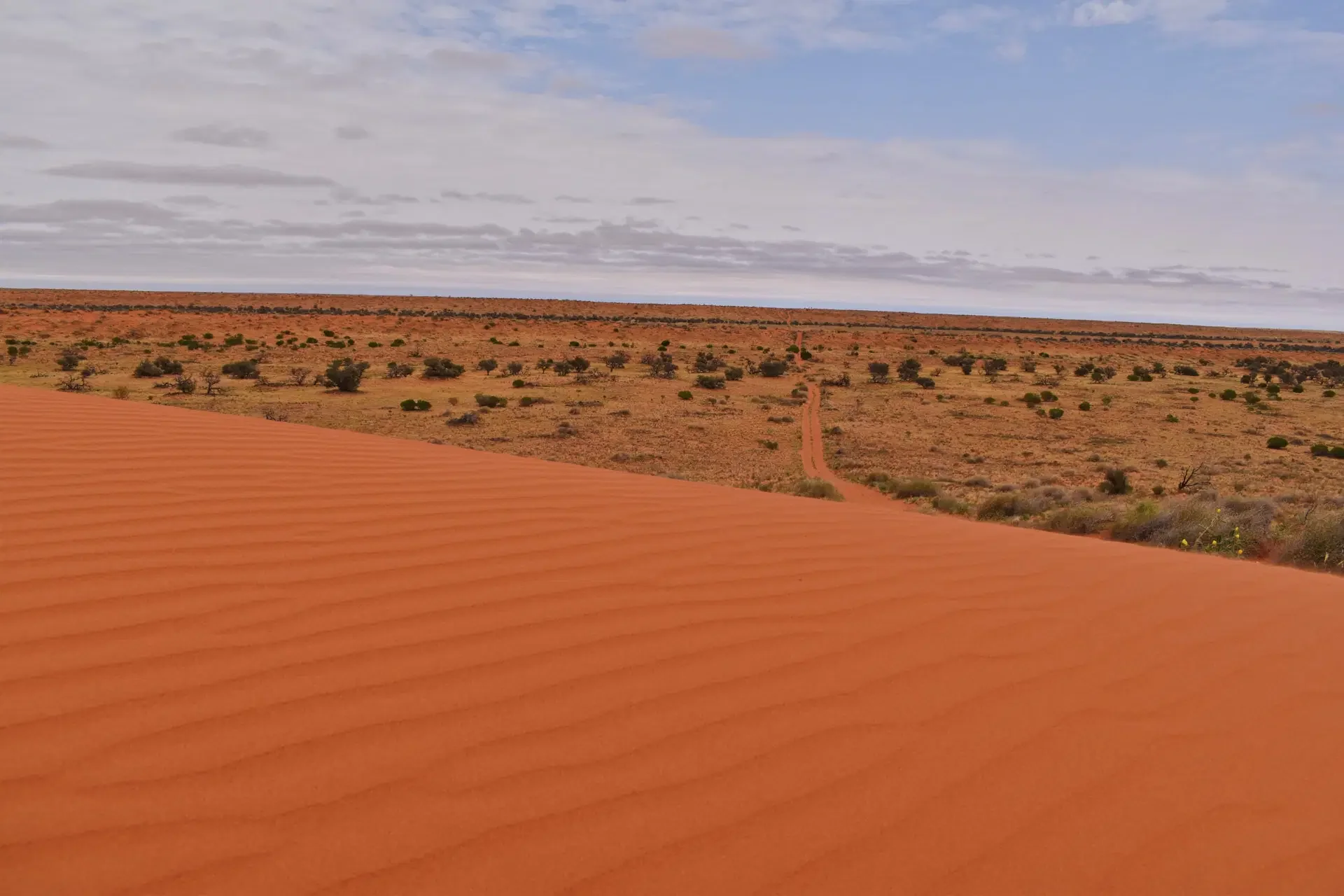
Gibson's Desert: A Spiritual Geography ofAboriginal art
The Gibson Desert is much more than just an arid expanse in Western Australia: it is the spiritual heart of the Pintupi people Pintupi the birthplace of some of the greatest contemporary Aboriginal artists. This inhospitable region, with its extreme temperatures and scarcity of water, has shaped a culture of exceptional resilience and given rise to Aboriginal art unique spiritual depth. From Bob Gibson Tjungurrayi to George Ward Tjungurrayi, from Wentja Morgan Napaltjarri to Turkey Tolson Tjupurrula, the masters of the Gibson Desert have transformed their intimate knowledge of this land into paintings that captivate collectors around the world.
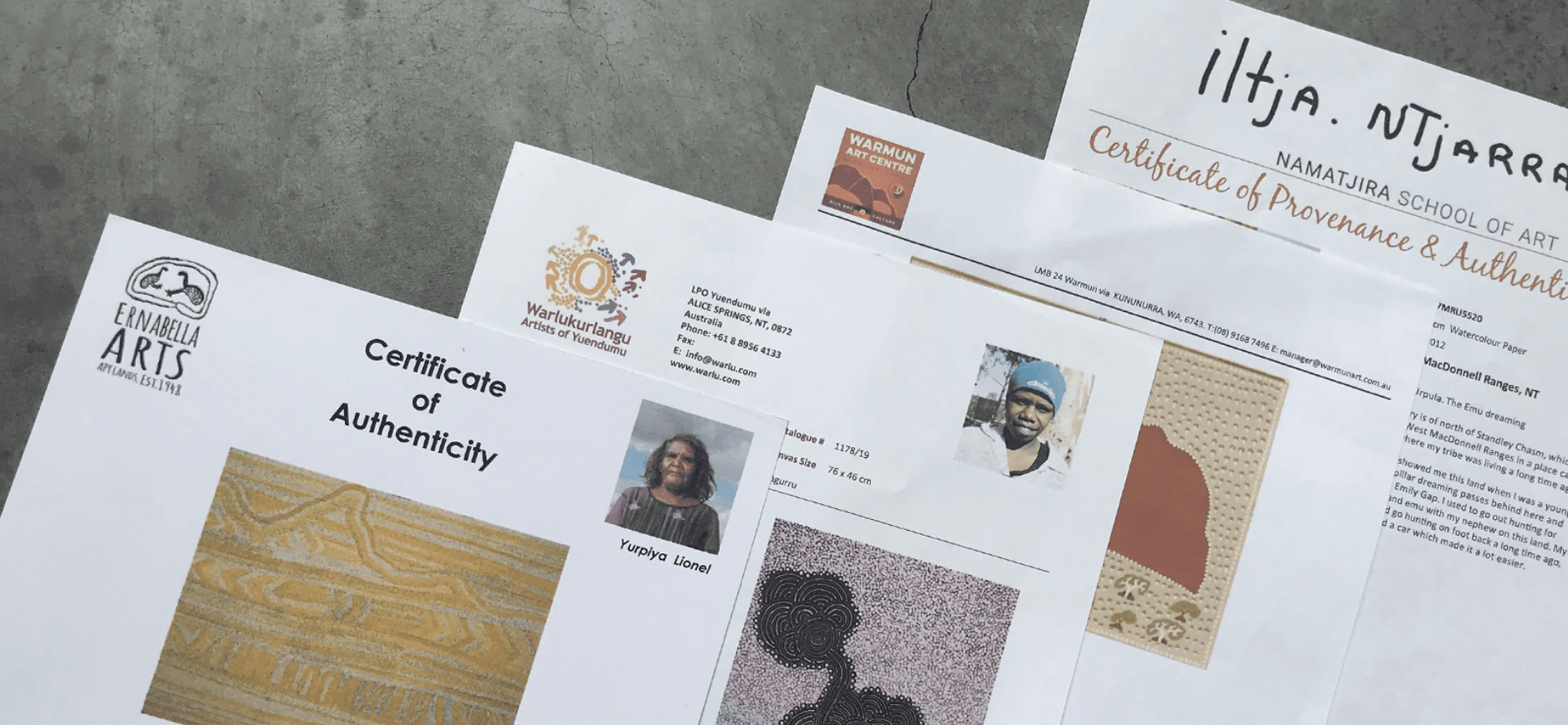
Investing inAboriginal art : A Comprehensive Guide for French Collectors (2026)
L'art aborigène australien connaît une croissance spectaculaire avec une appréciation moyenne de 12-18% annuelle entre 2019 et 2025, surpassant de nombreux segments de l'art contemporain occidental. Pour les collectionneurs français, cet art représente une opportunité d'investissement patrimonial exceptionnelle combinant authenticité culturelle millénaire et potentiel de valorisation solide, tout en bénéficiant d'une fiscalité avantageuse (TVA 5,5%, exonération IFI). Cependant, le succès commercial a attiré contrefaçons et pratiques non éthiques, rendant essentielle l'acquisition auprès de galeries spécialisées garantissant authenticité et traçabilité. Inma travaille exclusivement avec des art centres reconnus, signataires de l'Indigenous Art Code, propose ce guide complet 2026 couvrant authentification, artistes incontournables (Emily Kame Kngwarreye, Clifford Possum, Gloria Petyarre), fourchettes de prix par budget (3 000€-100 000€+), et stratégies d'investissement intelligent. Au-delà de l'investissement financier, collectionner l'art aborigène signifie devenir gardien d'un patrimoine immatériel de l'humanité, préservant des récits du Temps du Rêve transmis depuis 65 000 ans.
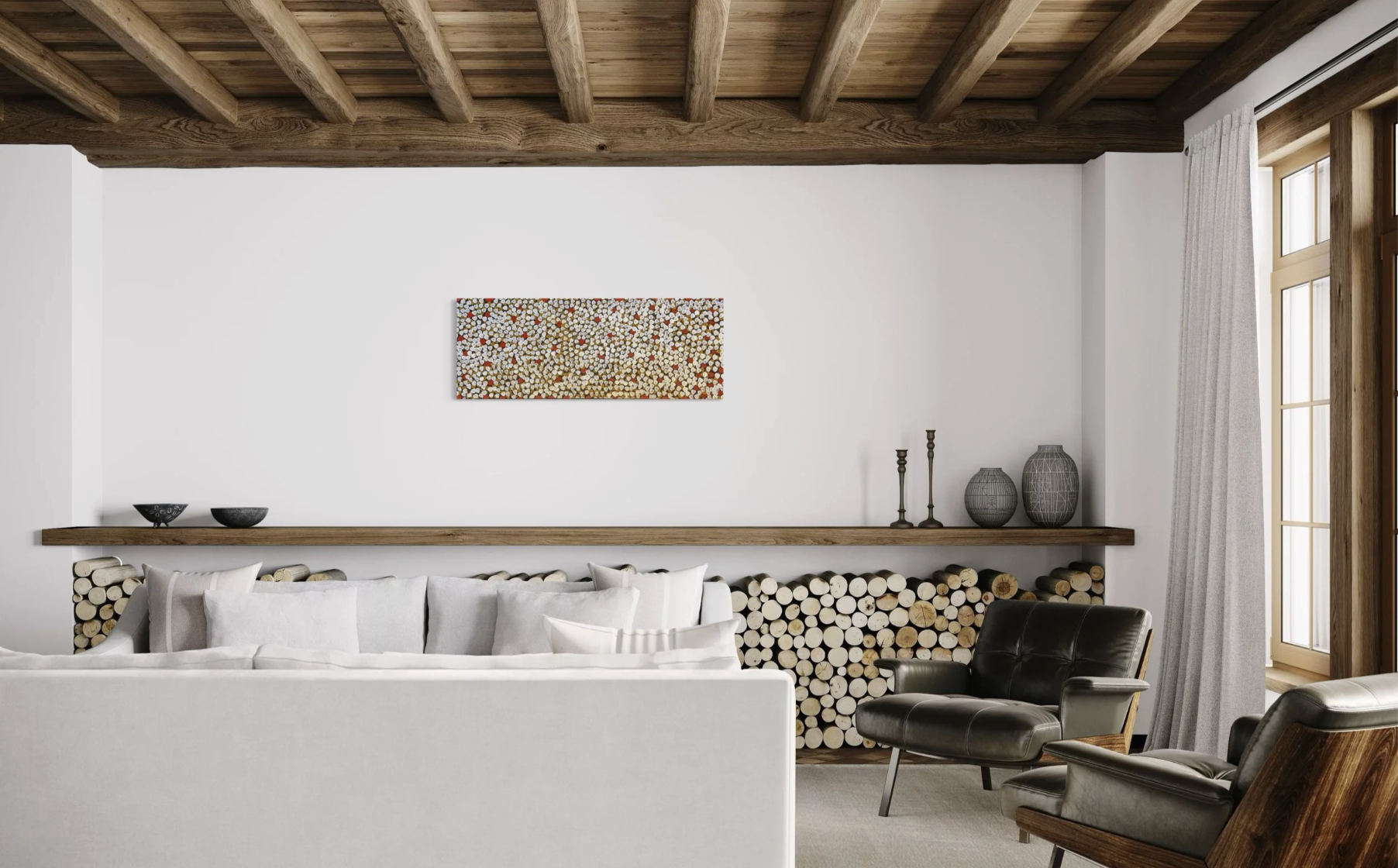
Old Mick Wallankari Tjakamarra: Pioneer ofAboriginal art guardian of the Dreaming
Old Mick Wallankari Tjakamarra (c. 1925–1998) was one of the most important founding artists of theAboriginal art movement launched in Papunya in 1971. A respected member of the Pintupi people, he played a crucial role in transforming the sacred stories of the Dreamtime into revolutionary acrylic paintings. Born in the Western Desert and having lived according to Pintupi nomadic traditions Pintupi adulthood, Old Mick possessed an authentic knowledge of Dreaming stories and ancestral ceremonies. In 1971, alongside Geoffrey Bardon and pioneers such as Clifford Possum Tjapaltjarri and Johnny Warangkula Tjupurrula, he participated in the early experiments that created the visual language ofAboriginal art . Old Mick contributed to the development of the dot painting technique, which became the iconic signature of CentralAboriginal art . His Aboriginal paintings are characterized by narrative compositions mapping the sacred sites and ancestral journeys of the Tingari cycle. A founding member of Papunya Tula Artists 1972, he participated in the historic exhibitions of the 1970s and 1980s that introducedAboriginal art the world. His Aboriginal paintings are included in the permanent collections of the National Gallery of Australia, the Art Gallery of NSW, and other prestigious institutions. Old Mick’s works possess exceptional heritage value as direct testimonies to the emergence ofAboriginal art . Inma Galerie, a specialist inAboriginal art , occasionally offers these rare historical works with Papunya Tula Artists authentication Papunya Tula Artists comprehensive documentation.
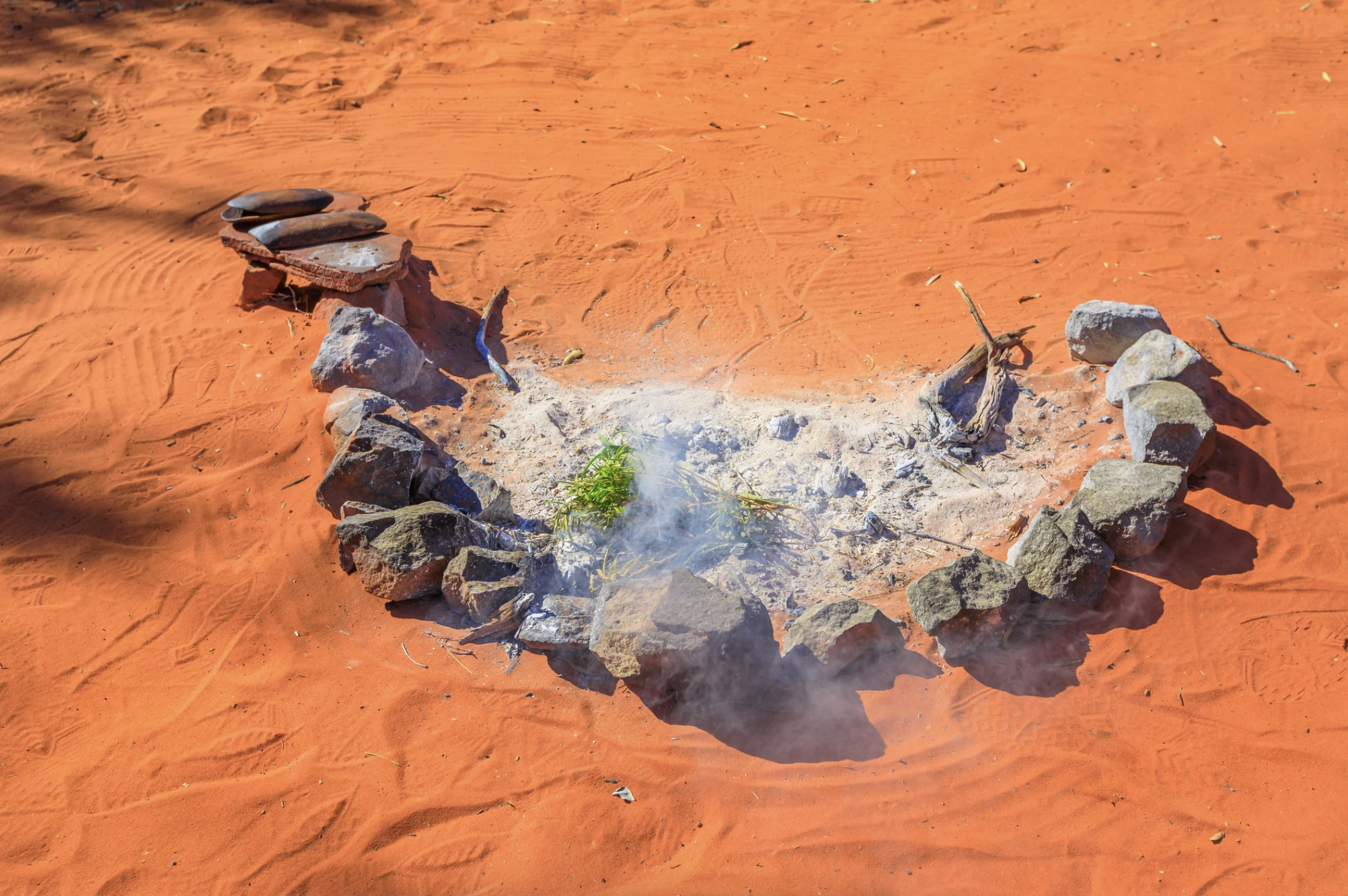
The Tingari Cycle Tingari Sacred Stories of the Pintupi People Pintupi Their Expression inAboriginal art
The Tingari Cycle Tingari one of the most sacred and complex sets of stories in the Aboriginal Dreamtime, specific to the Pintupi people Pintupi Australia’s central desert. These ancestral stories recount the epic journeys of groups of creator Ancestors who traversed the desert during the time of creation, shaping the landscape, establishing waterholes, and instituting the social laws that still structure Aboriginal culture today. The Tingari cycle Tingari a multi-layered structure of knowledge, revealed progressively during male initiations, ensuring that the most sacred aspects remain protected. InAboriginal art , the Tingari cycle Tingari a major source of inspiration since the Papunya movement in 1971. Aboriginal artists such as Bob Gibson Tjungurrayi, George Ward Tjungurrayi, Wentja Morgan Napaltjarri, and Turkey Tolson Tjupurrula have dedicated their careers to visually conveying these sacred stories through their exceptional Aboriginal paintings. Aboriginal paintings of the Tingari cycle Tingari characterized by concentric circles representing sacred sites, lines indicating ancestral journeys, and a dot painting technique that creates depth and texture. These works function simultaneously as art, spiritual maps of the territory, and documents of cultural preservation. The Tingari Cycle Tingari a true system of Aboriginal laws governing the social organization, relationship to the land, and ceremonial practices of the Pintupi people. Inma Galerie, a specialist inAboriginal art , offers an exclusive collection of authentic paintings from the Tingari Cycle, complete Tingari documentation and a guarantee of authenticity. Collecting a work from the Tingari cycle means becoming a guardian of a fragment of ancestral knowledge and actively participating in the preservation of this intangible cultural heritage of humanity.
Bob Gibson Tjungurrayi: Master ofAboriginal art guardian of the Pintupi Dreaming
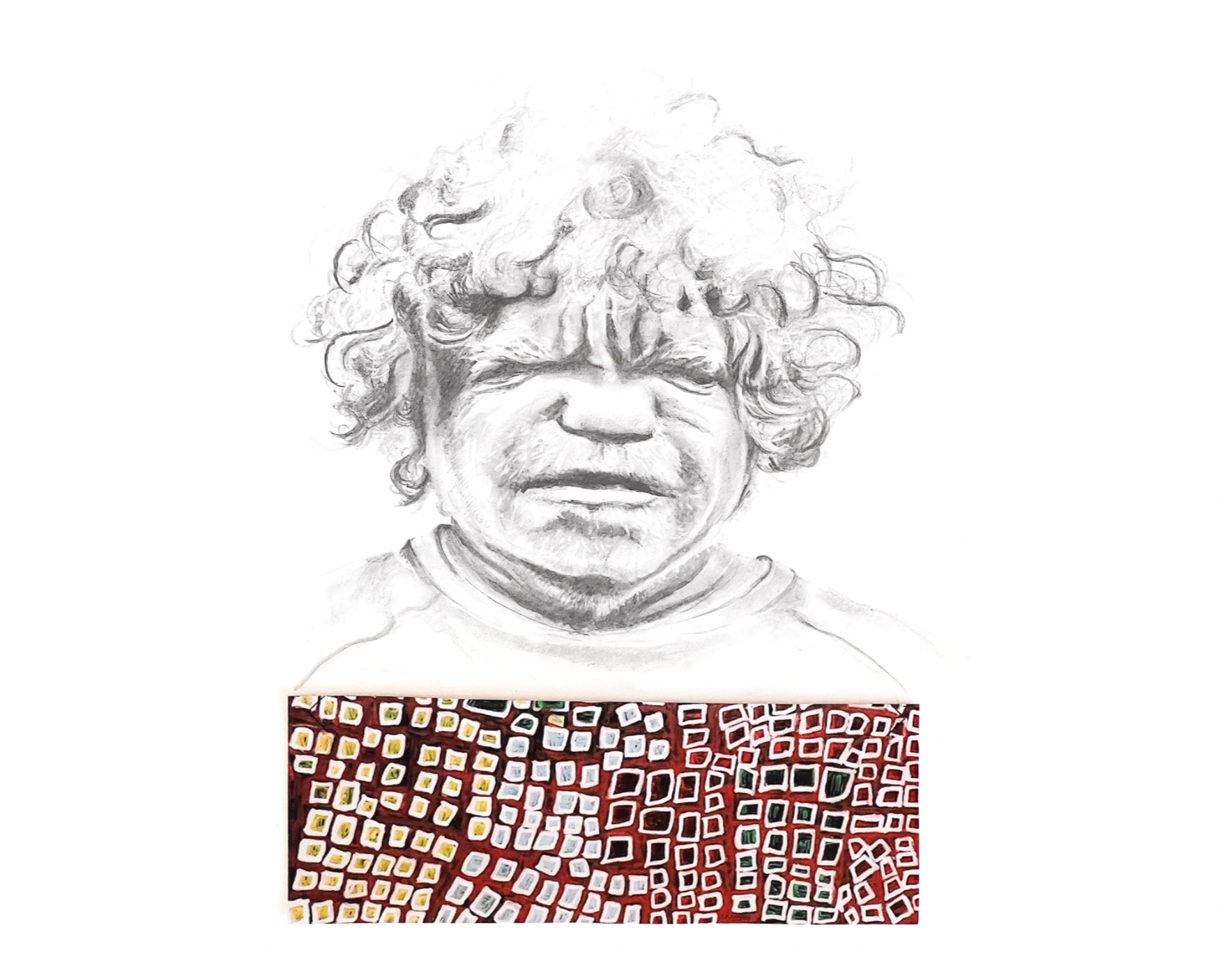
Bob Gibson Tjungurrayi (born around 1940) is one of the most important figures in contemporaryAboriginal art . A respected member of the Pintupi people, he embodies the generation of Aboriginal artists who transformed the sacred stories of the Dreamtime into a globally recognized artistic movement. Born in the Australian outback, Bob Gibson spent his early years living the traditional Pintupi nomadic lifestyle, which imparted to him a deep knowledge of Dreaming stories and sacred sites. The central theme of his Aboriginal art the Tingari cycle, a complex set of stories specific to the Pintupi people Pintupi the journeys of the creator Ancestors across the Gibson Desert. A longtime member of Papunya Tula Artists, the historic organization founded in 1972, Bob Gibson has developed a distinctive style characterized by balanced geometric compositions and an exceptional mastery of dot painting. His Aboriginal paintings use a subdued palette evoking the natural colors of the desert and accurately depict sacred sites and essential waterholes. Bob Gibson Tjungurrayi’s Aboriginal paintings are featured in the permanent collections of prestigious institutions such as the National Gallery of Australia and the Musée du Quai Branly. As a respected elder, he plays a crucial role in passing on artistic knowledge to younger generations Pintupi. Inma Galerie, a recognized specialist inAboriginal art , offers authentic works by Bob Gibson with full documentation via Papunya Tula Artists. Each acquisition represents a significant cultural investment and an active contribution to the preservation of millennia-old Aboriginal heritage.
George Ward Tjungurrayi: Master of Central Australian Aboriginal Art
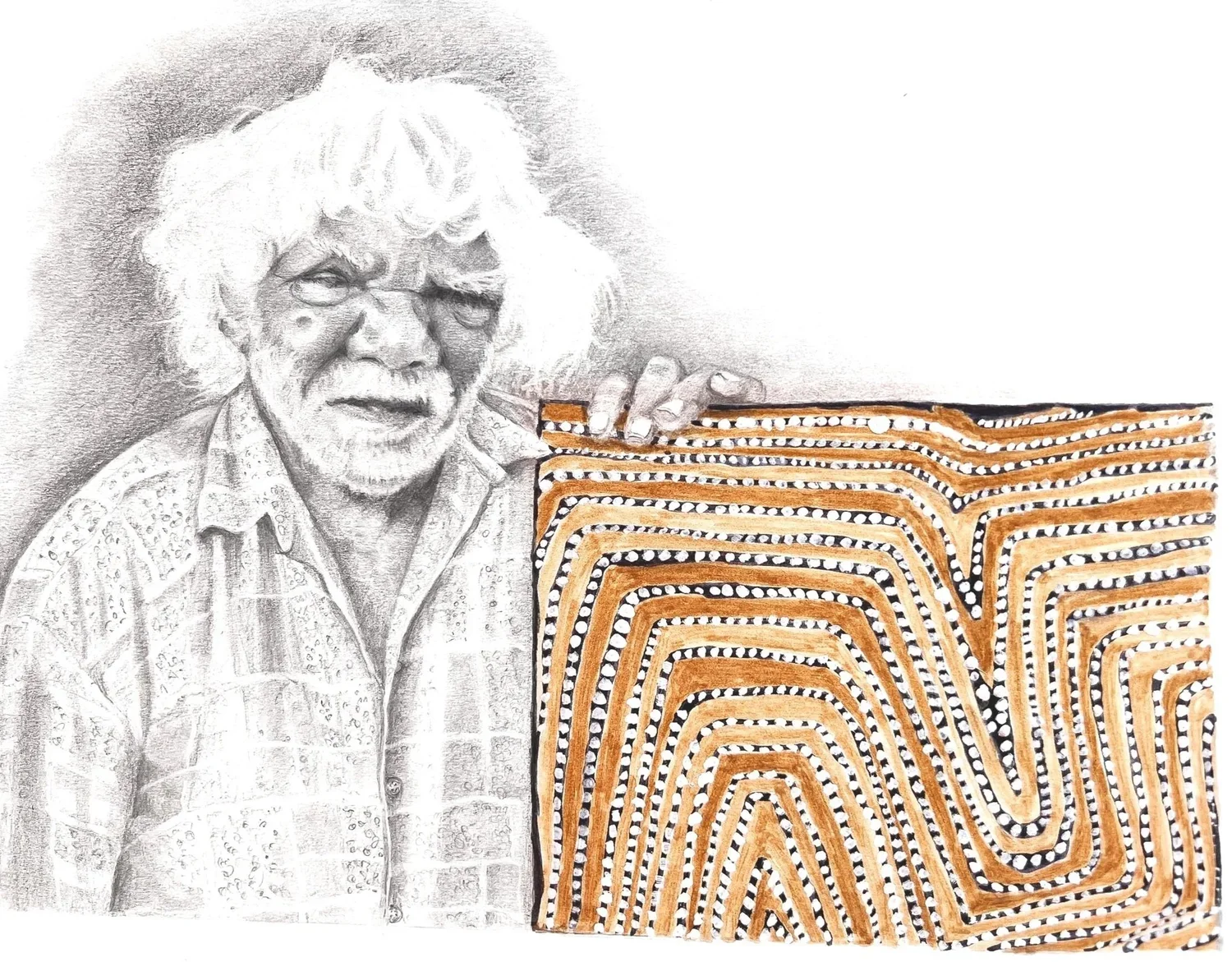
George Ward Tjungurrayi (c. 1943–2020) is one of the most respected Aboriginal artists in the AustralianAboriginal art movement. A member of the Pintupi people, he dedicated his life to passing down the sacred stories of the Dreamtime through his exceptional Aboriginal paintings. Born in the Gibson Desert, one of Australia’s most remote regions, George Ward Tjungurrayi lived according to ancestral traditions before becoming a pillar of the artistic community in Kintore and Kiwirrkura. His Aboriginal art a deep understanding of the land and the ancestral stories that shape it. The dominant theme of his work is the Tingari cycle, a complex set of Dreaming narratives unique to the Pintupi people Pintupi the journeys of the creator Ancestors across the desert. His style is distinguished by balanced geometric compositions, a subdued palette evoking the colors of the desert, and an exceptional mastery of dot painting (Aboriginal pointillism). George Ward Tjungurrayi’s Aboriginal paintings are featured in major international collections, from the National Gallery of Australia to the Musée du Quai Branly. His sister, Lorna Ward Napanangka, is also a renowned artist, illustrating the family’s transmission of artistic knowledge. Inma Galerie, a specialist inAboriginal art , offers authentic works by this master artist with complete documentation and a guarantee of authenticity. Each painting tells a story from the Dreaming, keeping alive the spiritual connection to the Central Desert.

The Dreaming in Aboriginal Art: History, Symbolism, and Contemporary Influence
TheDreamtime is the spiritual heart ofAboriginal art and fascinates art lovers around the world. This ancestral concept, which is much more than mere mythology, represents the worldview of the Aboriginal peoples who have lived in Australia for over 65,000 years. Every Aboriginal painting tells a story from the Dreamtime: the creation of the world by the Ancestors, the spiritual laws established, and the living connection between past, present, and future. In this comprehensive article, discover the fascinating history of Dreamtime, the symbolism of Aboriginal motifs (concentric circles, dots, lines), the artistic techniques of Aboriginal pointillism, and the influence of the Dreamtime on international contemporary art. Inma Galerie, a specialist inAboriginal art , guides you in understanding, appreciating, and collecting these exceptional works that convey 65,000 years of living culture. Explore the stories of the creator Ancestors, the Rainbow Serpent, the Seven Sisters, and many other sacred tales.
Collecting Art by Indigenous Women: A Unique Perspective
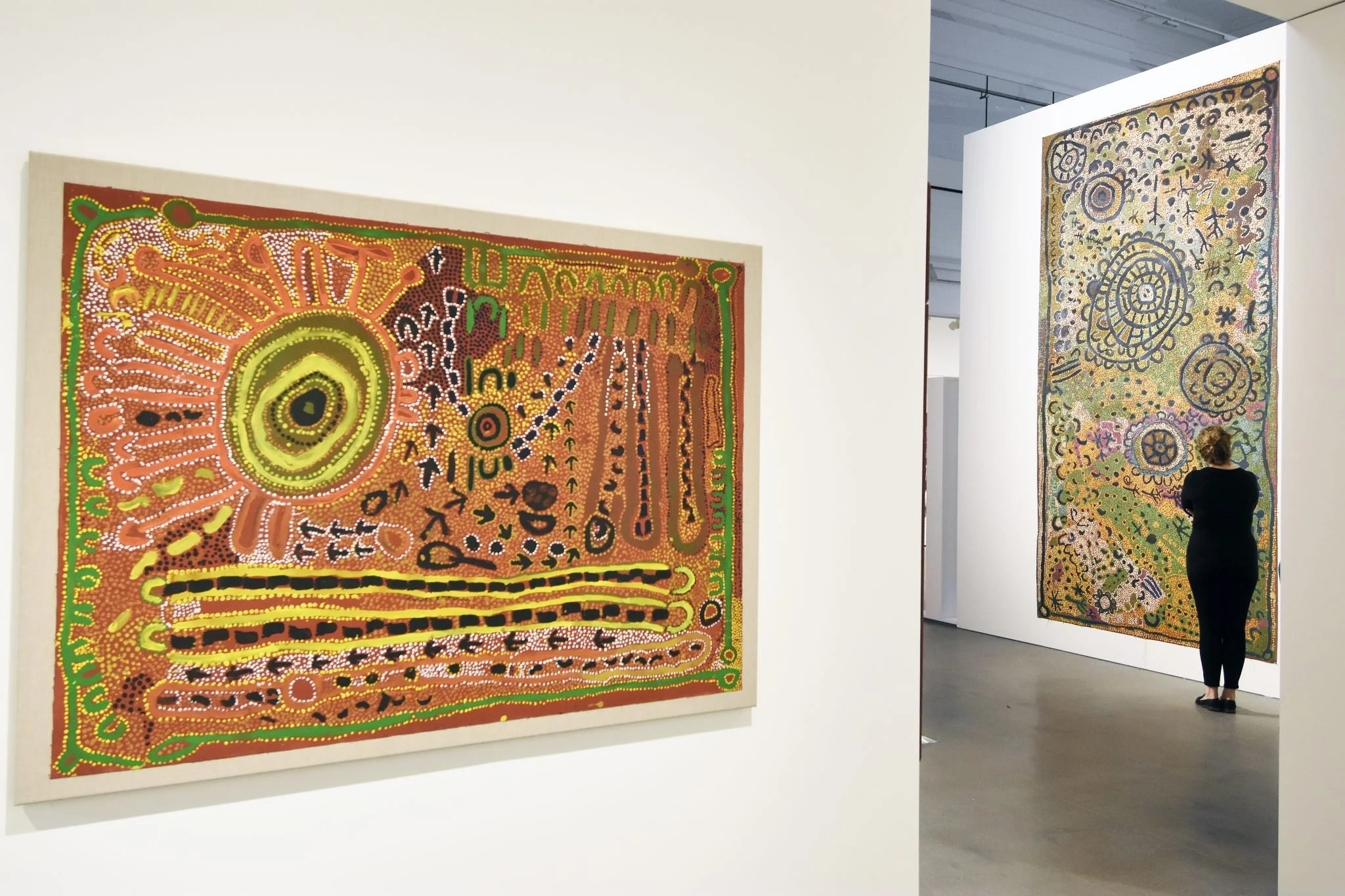
Discover the fascinating world of art by Australian Aboriginal women, guardians of ancient traditions and creators of exceptional contemporary works. From Emily Kame Kngwarreye to the artistsUtopia, immerse yourself in authentic art where ancestral spirituality and modern innovation converge. This article explores the distinctive aesthetic qualities, unique painting techniques, and practical advice for building a collection of Aboriginal women’s art. A unique perspective on a rapidly expanding art market, combining heritage investment with responsible cultural engagement.

Aboriginal art: What size should you choose based on your space?
Choosing the right size for your Aboriginal artwork can dramatically transform the impact of your interior design. This comprehensive guide will help you make this crucial decision by analyzing every space in your home: from the living room to the bedroom, the entryway, and the home office. Discover essential rules of proportion, common mistakes to avoid, and expert advice for creating perfect harmony between yourAboriginal art and yourAboriginal art architecture. Whether you live in a studio apartment or a spacious loft, learn how to maximize the visual impact of these ancient creations while respecting their cultural and spiritual significance.

Aboriginal art contemporary design: a harmonious blend
Discover how contemporaryAboriginal art is revolutionizing modern interior design. From its natural color palette to its ancestral motifs, explore this creative fusion that transforms our living spaces into true cultural havens. At Inma, we guide you through this exceptional encounter between age-old tradition and contemporary aesthetics, where each piece becomes a bridge between two complementary artistic worlds.
The Transmission of Knowledge in Aboriginal Culture: The Role of Art
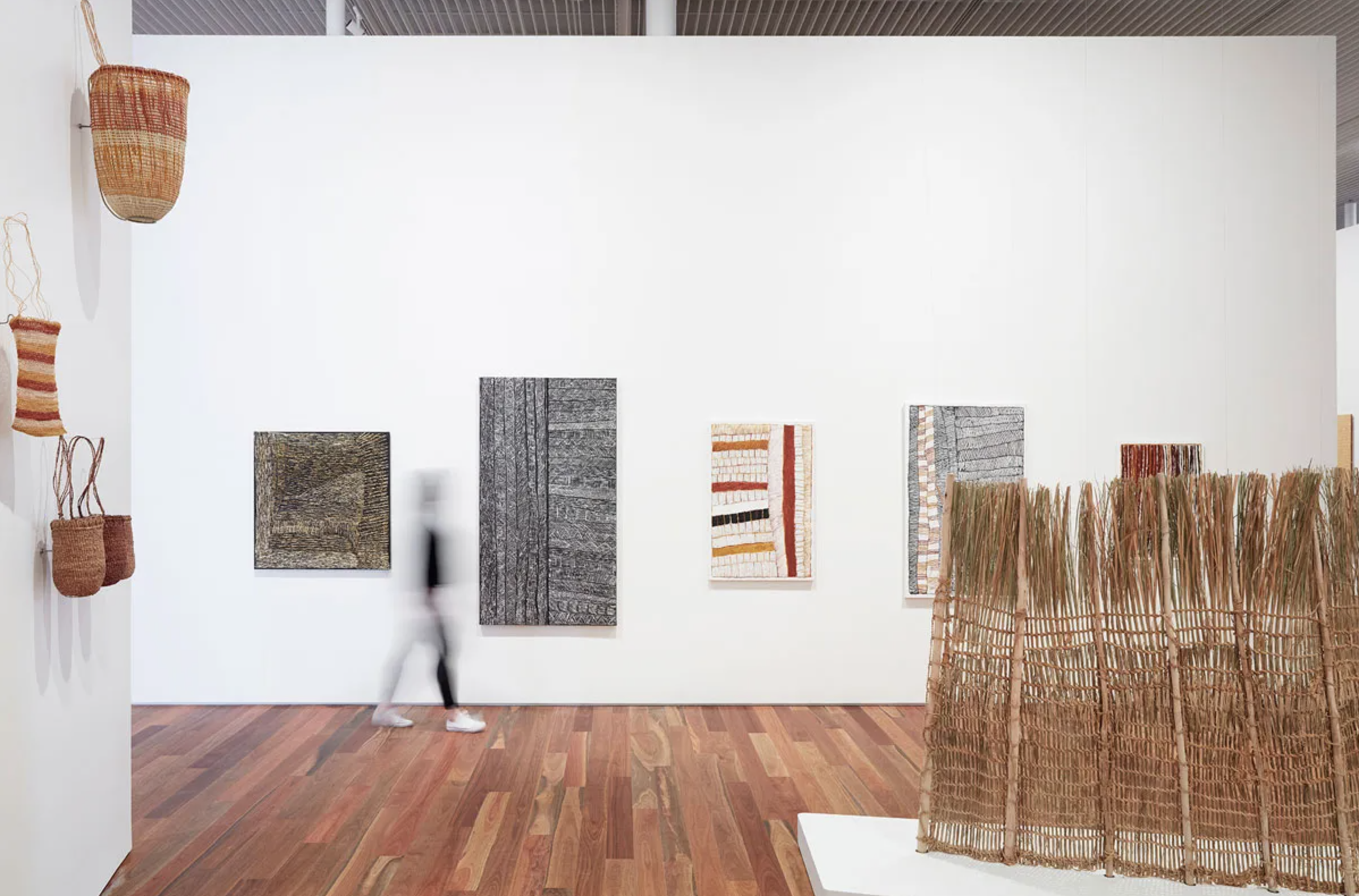
Discover howAboriginal art has perpetuated a unique tradition of passing down ancestral knowledge for 65,000 years. From rock art to contemporary creations, explore the fascinating ways in which Aboriginal communities preserve and share their sacred knowledge, their Dreamtime stories, and their deep understanding of the land. This article reveals the essential role of art as a living library of Aboriginal culture, from ceremonial body paintings to contemporary works exhibited in specialized galleries.
Aboriginal art the International Market: Trends and Outlook
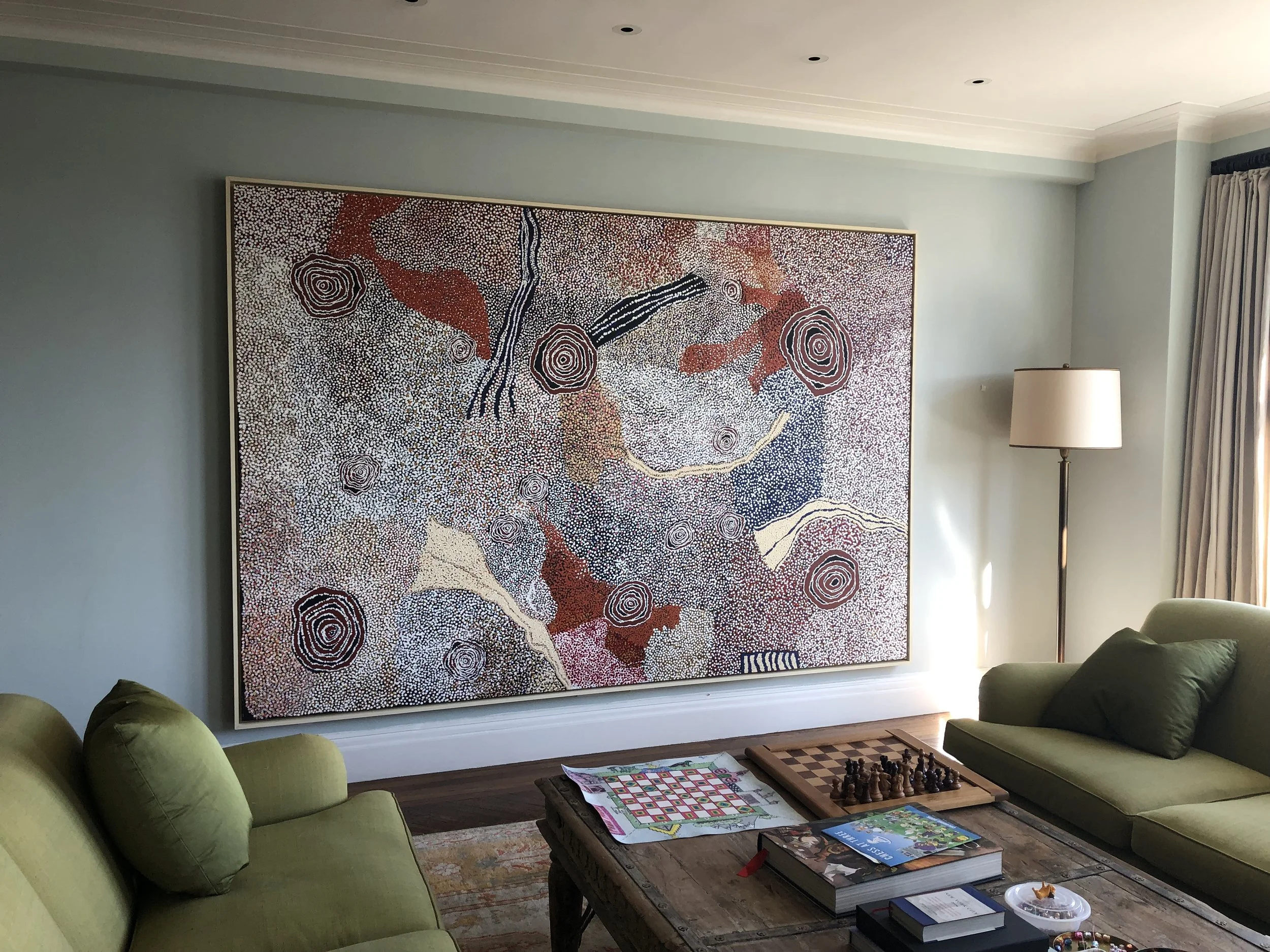
Discover howAboriginal art is conquering international markets and transforming the global art scene. Between exceptional growth, new collectors, and technological innovations, this ancient art form is redefining the rules of the contemporary art market. Examine current trends, ethical challenges, and future prospects for this rapidly expanding sector, driven by values of authenticity and cultural respect that appeal to an increasingly discerning international clientele.

How do I start a collection ofAboriginal art ?
Discover how to start a collection ofAboriginal art with this expert guide from Inma Galerie. From understanding the ancestral traditions of the Dreamtime to modern acquisition techniques, learn how to identify authentic works, choose the right artists, and invest with confidence. Explore selection criteria, budget ranges, and best practices for preservation to build an exceptional collection that honors Aboriginal cultural richness while enhancing your artistic legacy.
How to recognize the different regional styles ofAboriginal art
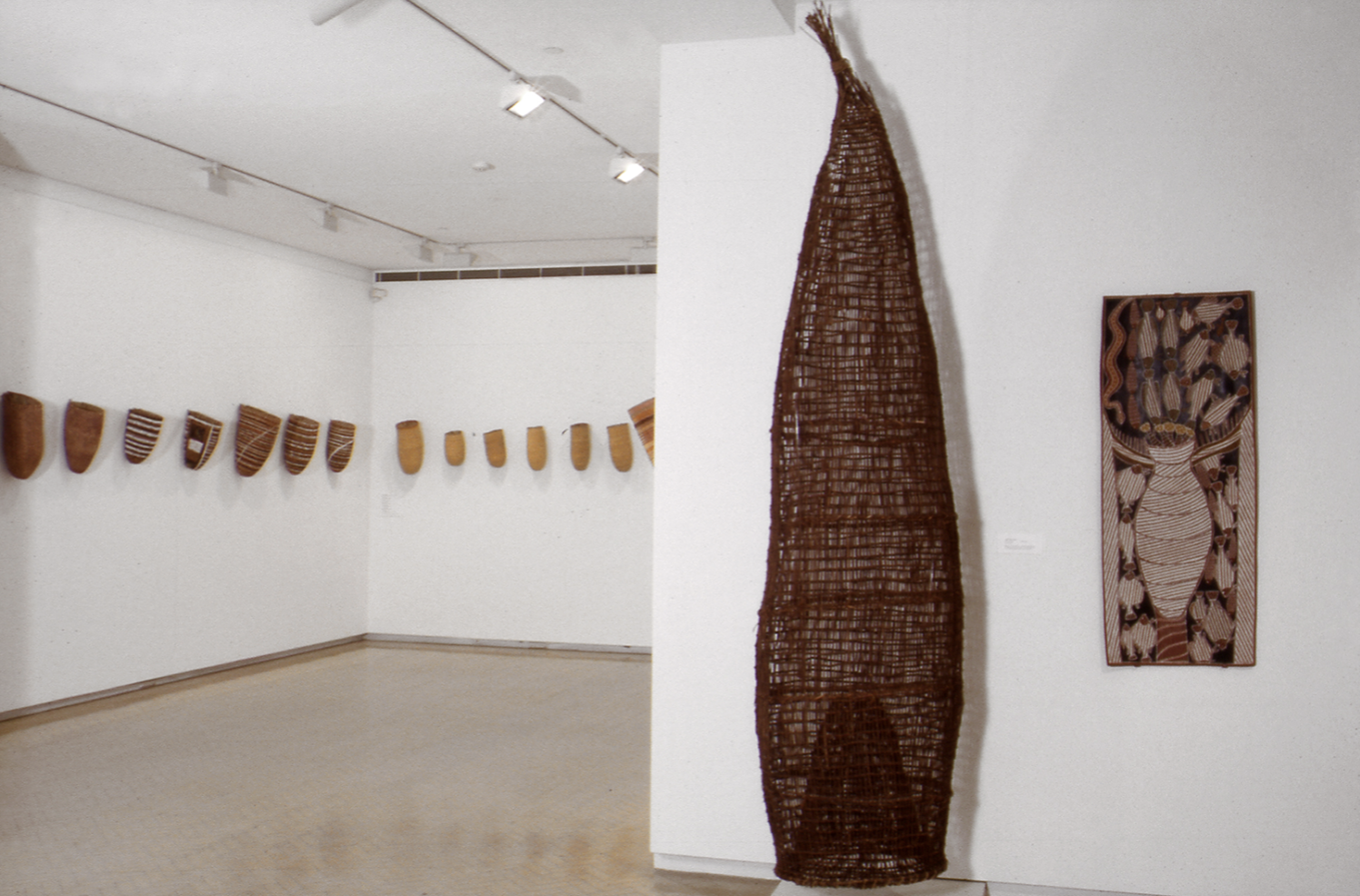
Aboriginal art reveals a mosaic of fascinating regional styles, each carrying millennia-old stories and unique techniques. From dot painting in the Central Desert to painted bark in Arnhem Land, the Wandjina figures of the Kimberley, and the geometric patterns of the Tiwi Islands, discover the distinctive visual codes that characterize each region. This comprehensive guide helps you recognize different styles, identify traditional techniques, and appreciate the contemporary evolution of this ancestral art. You’ll also learn how to authenticate works and adopt an ethical approach to collecting that respects Aboriginal cultural traditions.

Investing inAboriginal art A Comprehensive Guide for Collectors
Are you passionate aboutAboriginal art and considering investing in this unique art form? The Inma Gallery offers a comprehensive guide to help you understand the specifics of this rapidly growing market. From authenticating works to selecting promising artists, and from acquisition strategies tailored to every budget, discover expert advice on building aAboriginal art collectionAboriginal art that combines cultural enrichment with investment potential.

Contemporary Australian Aboriginal Art: A Millennia-Old Heritage in Constant Evolution
Aboriginal art captivates with its rich symbolism and millennia-old history. Spanning the ages without ever becoming static, this artistic expression—unique in the world—blends ancestral traditions with contemporary creativity. Our article invites you on a journey to the heart of this exceptional visual culture, from 65,000-year-old rock paintings to the innovative works of today’s Aboriginal artists. Discover the secrets of dot painting, the spirituality of the Dreamtime, and the inspiring journeys of artists such as Emily Kame Kngwarreye and Clifford Possum Tjapaltjarri. Whether you’re a seasoned collector or simply an art lover, immerse yourself in this fascinating visual world and learn to recognize, appreciate, and acquire authentic Aboriginal artworks with our expert guide.
This introductory excerpt can be placed at the beginning of the article, right after the main title and before the first section. It includes the main keywords and provides an engaging preview of the content that follows, while encouraging the reader to keep reading to learn more.