
Old Mick Wallankari Tjakamarra: Pioneer ofAboriginal art guardian of the Dreaming
Old Mick Wallankari Tjakamarra (c. 1925–1998) was one of the most important founding artists of theAboriginal art movement launched in Papunya in 1971. A respected member of the Pintupi people, he played a crucial role in transforming the sacred stories of the Dreamtime into revolutionary acrylic paintings. Born in the Western Desert and having lived according to Pintupi nomadic traditions Pintupi adulthood, Old Mick possessed an authentic knowledge of Dreaming stories and ancestral ceremonies. In 1971, alongside Geoffrey Bardon and pioneers such as Clifford Possum Tjapaltjarri and Johnny Warangkula Tjupurrula, he participated in the early experiments that created the visual language ofAboriginal art . Old Mick contributed to the development of the dot painting technique, which became the iconic signature of CentralAboriginal art . His Aboriginal paintings are characterized by narrative compositions mapping the sacred sites and ancestral journeys of the Tingari cycle. A founding member of Papunya Tula Artists 1972, he participated in the historic exhibitions of the 1970s and 1980s that introducedAboriginal art the world. His Aboriginal paintings are included in the permanent collections of the National Gallery of Australia, the Art Gallery of NSW, and other prestigious institutions. Old Mick’s works possess exceptional heritage value as direct testimonies to the emergence ofAboriginal art . Inma Galerie, a specialist inAboriginal art , occasionally offers these rare historical works with Papunya Tula Artists authentication Papunya Tula Artists comprehensive documentation.
Collecting Art by Indigenous Women: A Unique Perspective
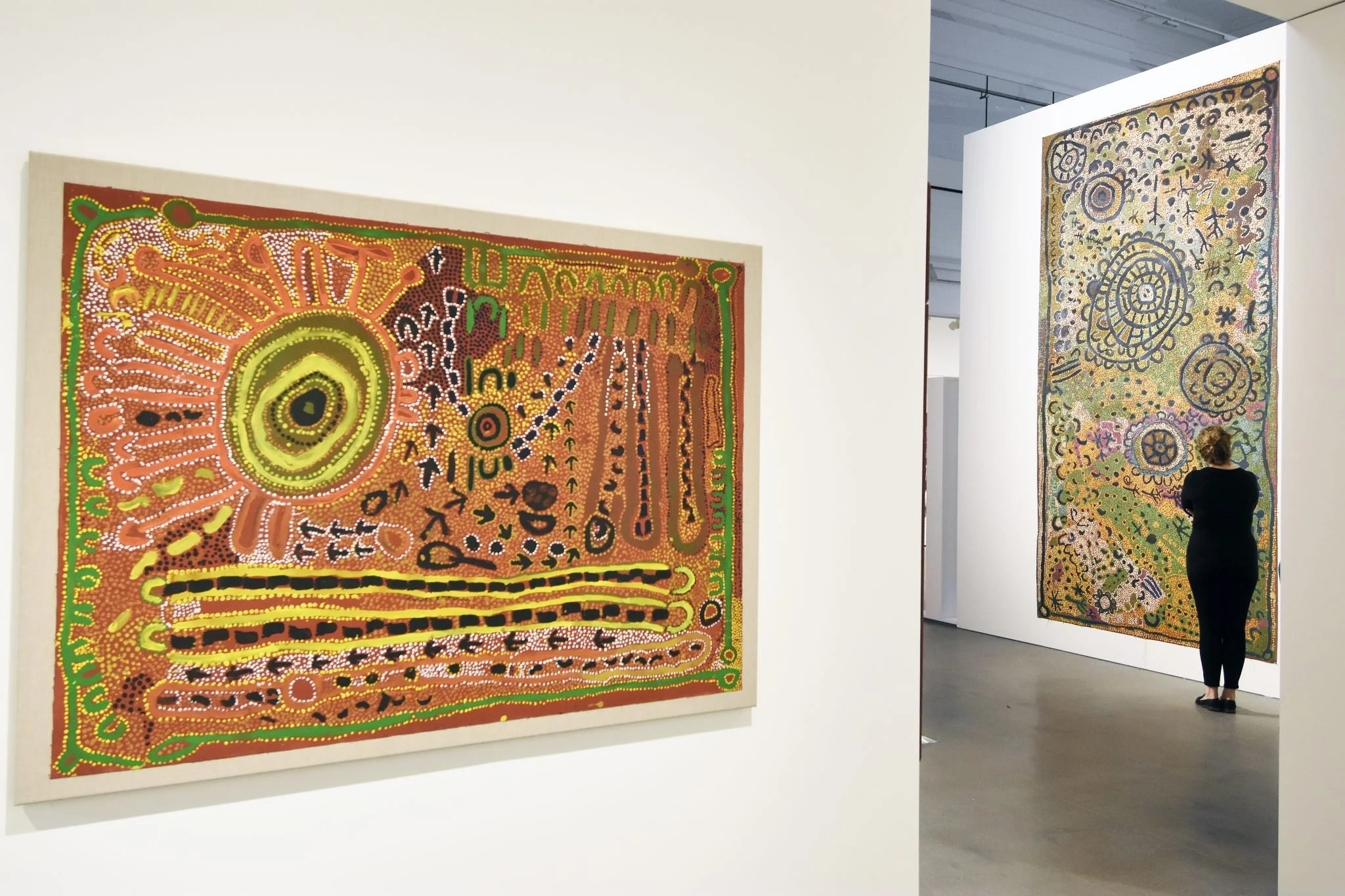
Discover the fascinating world of art by Australian Aboriginal women, guardians of ancient traditions and creators of exceptional contemporary works. From Emily Kame Kngwarreye to the artistsUtopia, immerse yourself in authentic art where ancestral spirituality and modern innovation converge. This article explores the distinctive aesthetic qualities, unique painting techniques, and practical advice for building a collection of Aboriginal women’s art. A unique perspective on a rapidly expanding art market, combining heritage investment with responsible cultural engagement.

Aboriginal art: What size should you choose based on your space?
Choosing the right size for your Aboriginal artwork can dramatically transform the impact of your interior design. This comprehensive guide will help you make this crucial decision by analyzing every space in your home: from the living room to the bedroom, the entryway, and the home office. Discover essential rules of proportion, common mistakes to avoid, and expert advice for creating perfect harmony between yourAboriginal art and yourAboriginal art architecture. Whether you live in a studio apartment or a spacious loft, learn how to maximize the visual impact of these ancient creations while respecting their cultural and spiritual significance.

Aboriginal art contemporary design: a harmonious blend
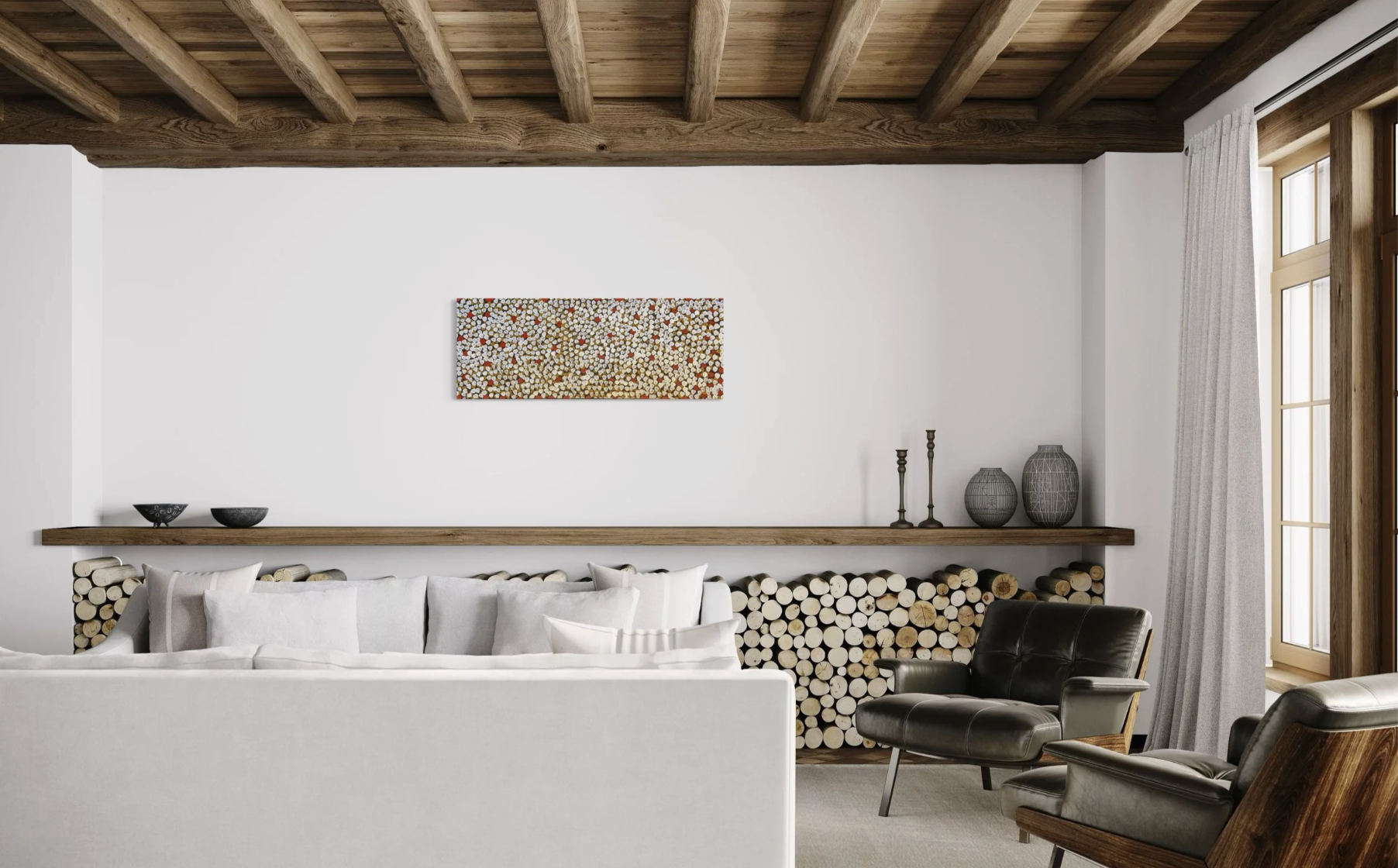
Discover how contemporaryAboriginal art is revolutionizing modern interior design. From its natural color palette to its ancestral motifs, explore this creative fusion that transforms our living spaces into true cultural havens. At Inma, we guide you through this exceptional encounter between age-old tradition and contemporary aesthetics, where each piece becomes a bridge between two complementary artistic worlds.
The Transmission of Knowledge in Aboriginal Culture: The Role of Art
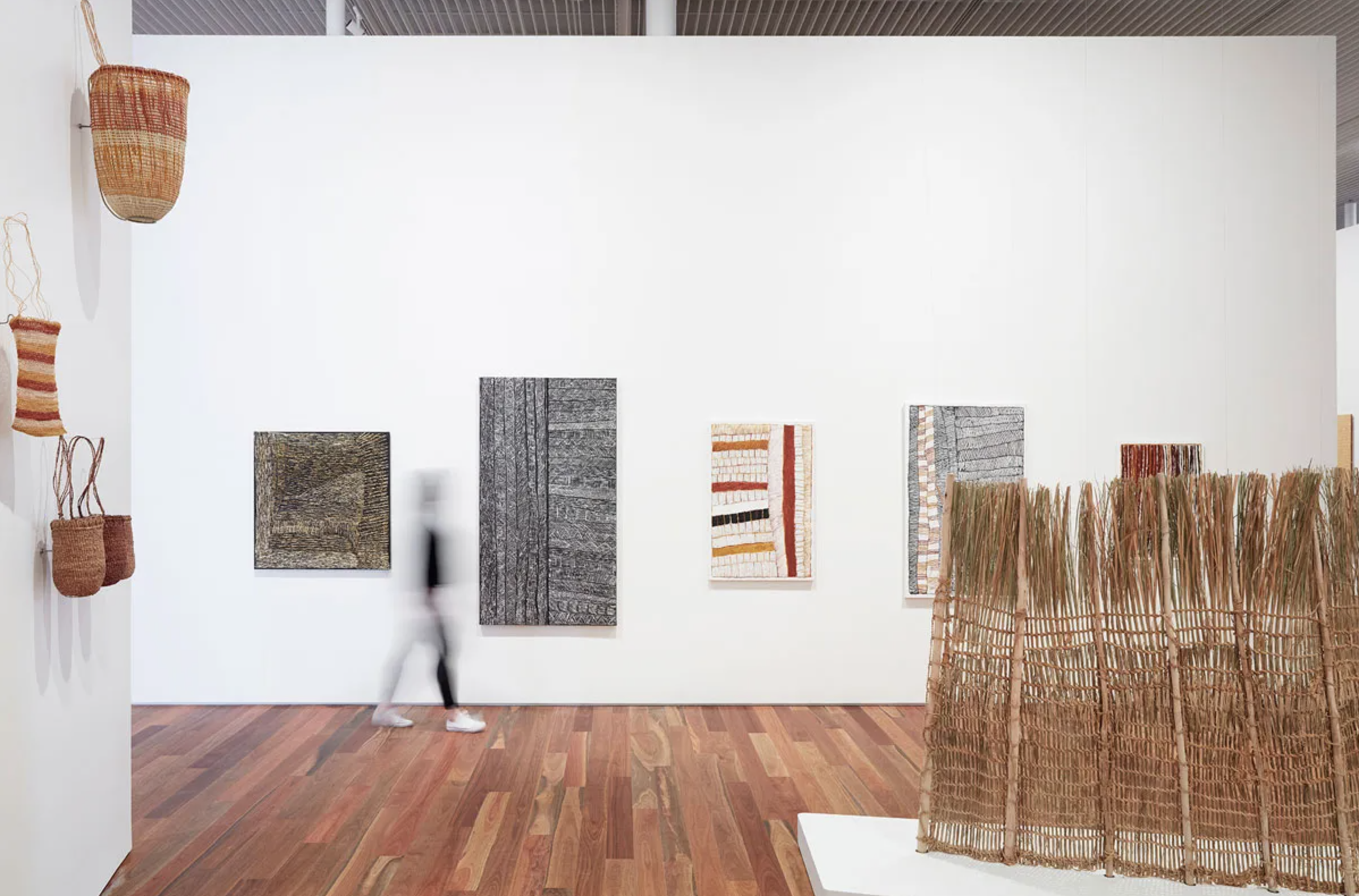
Discover howAboriginal art has perpetuated a unique tradition of passing down ancestral knowledge for 65,000 years. From rock art to contemporary creations, explore the fascinating ways in which Aboriginal communities preserve and share their sacred knowledge, their Dreamtime stories, and their deep understanding of the land. This article reveals the essential role of art as a living library of Aboriginal culture, from ceremonial body paintings to contemporary works exhibited in specialized galleries.

How do I start a collection ofAboriginal art ?
Discover how to start a collection ofAboriginal art with this expert guide from Inma Galerie. From understanding the ancestral traditions of the Dreamtime to modern acquisition techniques, learn how to identify authentic works, choose the right artists, and invest with confidence. Explore selection criteria, budget ranges, and best practices for preservation to build an exceptional collection that honors Aboriginal cultural richness while enhancing your artistic legacy.
How to recognize the different regional styles ofAboriginal art
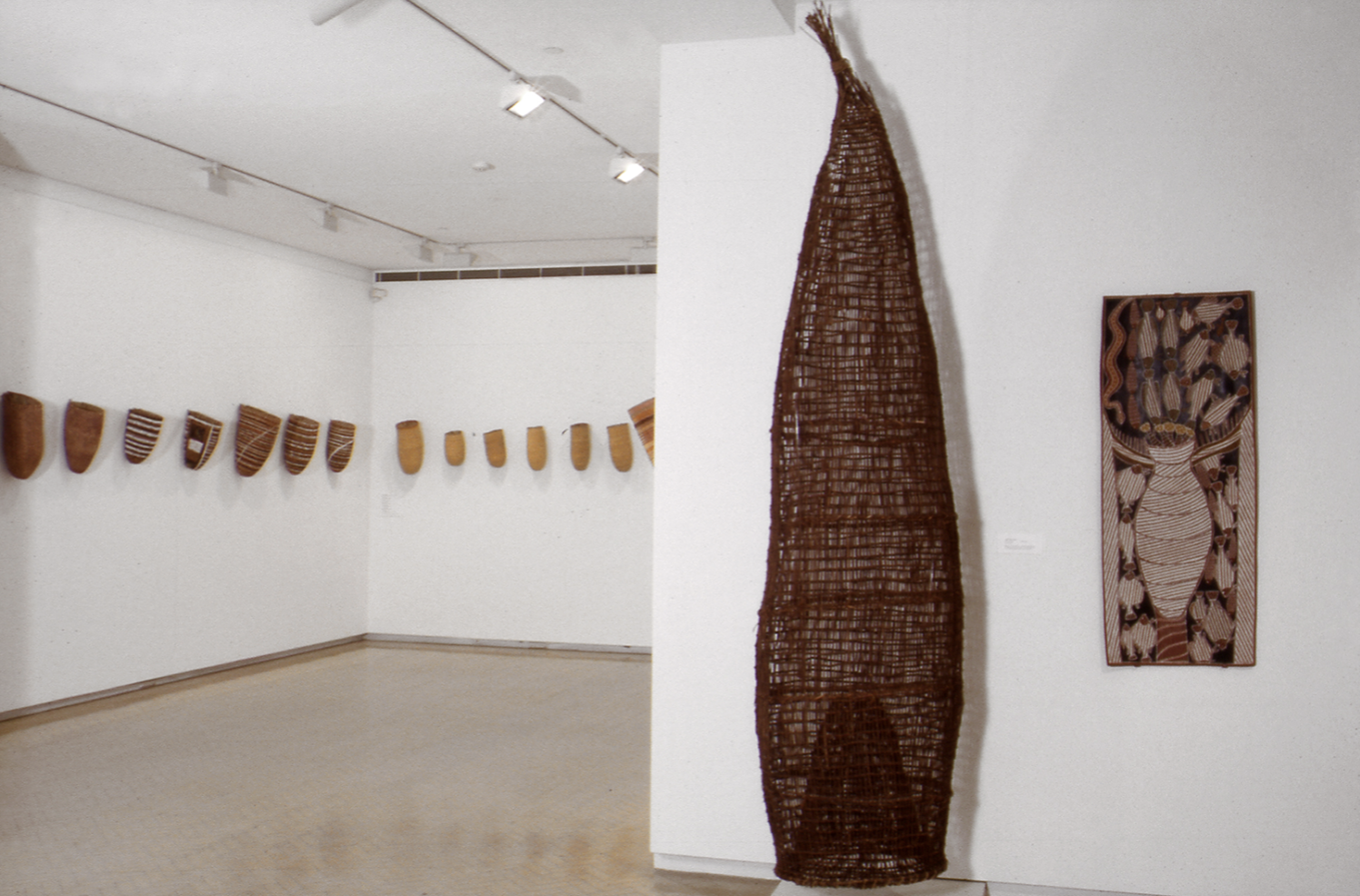
Aboriginal art reveals a mosaic of fascinating regional styles, each carrying millennia-old stories and unique techniques. From dot painting in the Central Desert to painted bark in Arnhem Land, the Wandjina figures of the Kimberley, and the geometric patterns of the Tiwi Islands, discover the distinctive visual codes that characterize each region. This comprehensive guide helps you recognize different styles, identify traditional techniques, and appreciate the contemporary evolution of this ancestral art. You’ll also learn how to authenticate works and adopt an ethical approach to collecting that respects Aboriginal cultural traditions.

Contemporary Australian Aboriginal Art: A Millennia-Old Heritage in Constant Evolution
Aboriginal art captivates with its rich symbolism and millennia-old history. Spanning the ages without ever becoming static, this artistic expression—unique in the world—blends ancestral traditions with contemporary creativity. Our article invites you on a journey to the heart of this exceptional visual culture, from 65,000-year-old rock paintings to the innovative works of today’s Aboriginal artists. Discover the secrets of dot painting, the spirituality of the Dreamtime, and the inspiring journeys of artists such as Emily Kame Kngwarreye and Clifford Possum Tjapaltjarri. Whether you’re a seasoned collector or simply an art lover, immerse yourself in this fascinating visual world and learn to recognize, appreciate, and acquire authentic Aboriginal artworks with our expert guide.
This introductory excerpt can be placed at the beginning of the article, right after the main title and before the first section. It includes the main keywords and provides an engaging preview of the content that follows, while encouraging the reader to keep reading to learn more.