
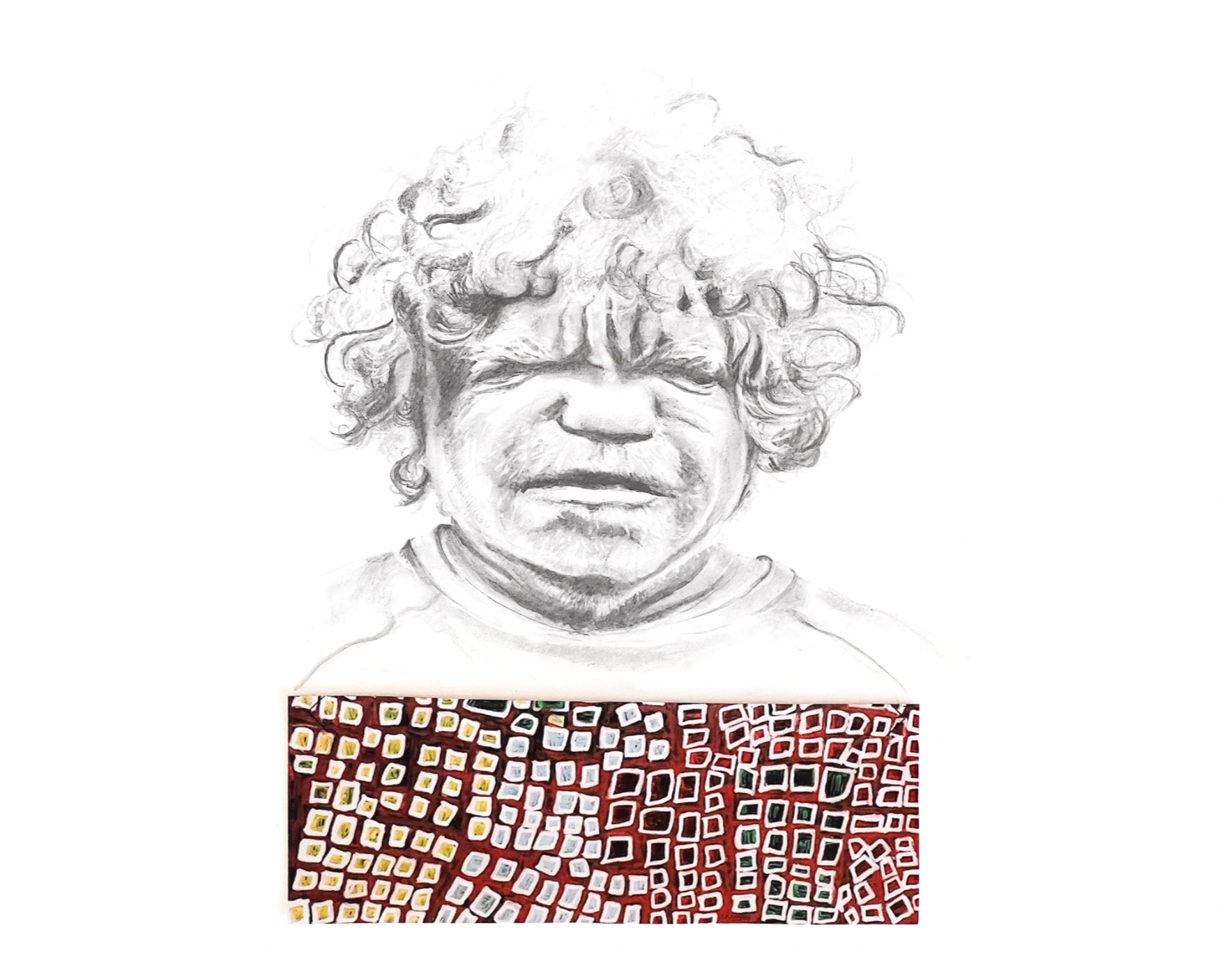
Bob Gibson Tjungurrayi: Master ofAboriginal art guardian of the Pintupi Dreaming
Bob Gibson Tjungurrayi (born around 1940) is one of the most important figures in contemporaryAboriginal art . A respected member of the Pintupi people, he embodies the generation of Aboriginal artists who transformed the sacred stories of the Dreamtime into a globally recognized artistic movement. Born in the Australian outback, Bob Gibson spent his early years living the traditional Pintupi nomadic lifestyle, which imparted to him a deep knowledge of Dreaming stories and sacred sites. The central theme of his Aboriginal art the Tingari cycle, a complex set of stories specific to the Pintupi people Pintupi the journeys of the creator Ancestors across the Gibson Desert. A longtime member of Papunya Tula Artists, the historic organization founded in 1972, Bob Gibson has developed a distinctive style characterized by balanced geometric compositions and an exceptional mastery of dot painting. His Aboriginal paintings use a subdued palette evoking the natural colors of the desert and accurately depict sacred sites and essential waterholes. Bob Gibson Tjungurrayi’s Aboriginal paintings are featured in the permanent collections of prestigious institutions such as the National Gallery of Australia and the Musée du Quai Branly. As a respected elder, he plays a crucial role in passing on artistic knowledge to younger generations Pintupi. Inma Galerie, a recognized specialist inAboriginal art , offers authentic works by Bob Gibson with full documentation via Papunya Tula Artists. Each acquisition represents a significant cultural investment and an active contribution to the preservation of millennia-old Aboriginal heritage.
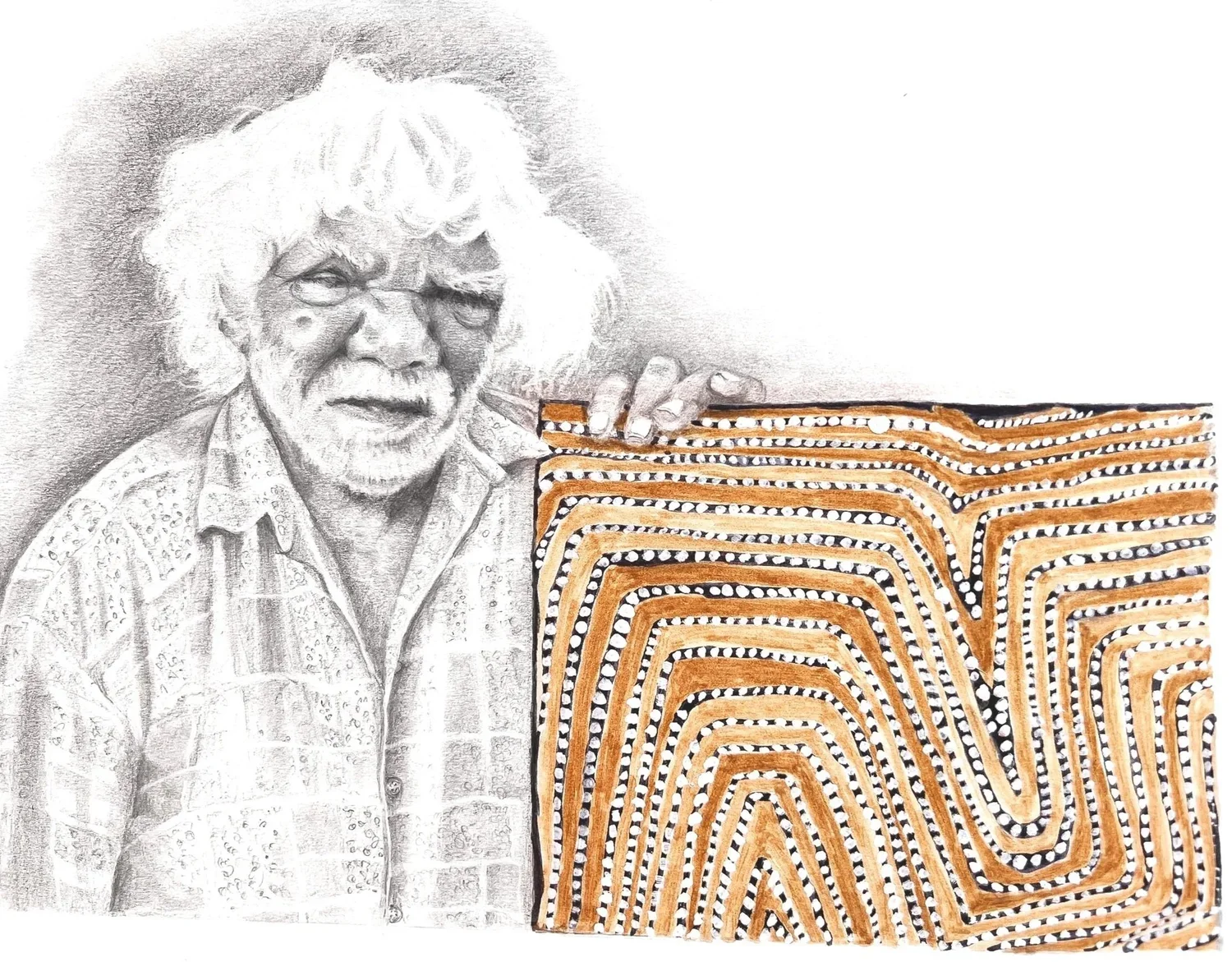
George Ward Tjungurrayi: Master of Central Australian Aboriginal Art
George Ward Tjungurrayi (c. 1943–2020) is one of the most respected Aboriginal artists in the AustralianAboriginal art movement. A member of the Pintupi people, he dedicated his life to passing down the sacred stories of the Dreamtime through his exceptional Aboriginal paintings. Born in the Gibson Desert, one of Australia’s most remote regions, George Ward Tjungurrayi lived according to ancestral traditions before becoming a pillar of the artistic community in Kintore and Kiwirrkura. His Aboriginal art a deep understanding of the land and the ancestral stories that shape it. The dominant theme of his work is the Tingari cycle, a complex set of Dreaming narratives unique to the Pintupi people Pintupi the journeys of the creator Ancestors across the desert. His style is distinguished by balanced geometric compositions, a subdued palette evoking the colors of the desert, and an exceptional mastery of dot painting (Aboriginal pointillism). George Ward Tjungurrayi’s Aboriginal paintings are featured in major international collections, from the National Gallery of Australia to the Musée du Quai Branly. His sister, Lorna Ward Napanangka, is also a renowned artist, illustrating the family’s transmission of artistic knowledge. Inma Galerie, a specialist inAboriginal art , offers authentic works by this master artist with complete documentation and a guarantee of authenticity. Each painting tells a story from the Dreaming, keeping alive the spiritual connection to the Central Desert.

The Dreaming in Aboriginal Art: History, Symbolism, and Contemporary Influence
TheDreamtime is the spiritual heart ofAboriginal art and fascinates art lovers around the world. This ancestral concept, which is much more than mere mythology, represents the worldview of the Aboriginal peoples who have lived in Australia for over 65,000 years. Every Aboriginal painting tells a story from the Dreamtime: the creation of the world by the Ancestors, the spiritual laws established, and the living connection between past, present, and future. In this comprehensive article, discover the fascinating history of Dreamtime, the symbolism of Aboriginal motifs (concentric circles, dots, lines), the artistic techniques of Aboriginal pointillism, and the influence of the Dreamtime on international contemporary art. Inma Galerie, a specialist inAboriginal art , guides you in understanding, appreciating, and collecting these exceptional works that convey 65,000 years of living culture. Explore the stories of the creator Ancestors, the Rainbow Serpent, the Seven Sisters, and many other sacred tales.
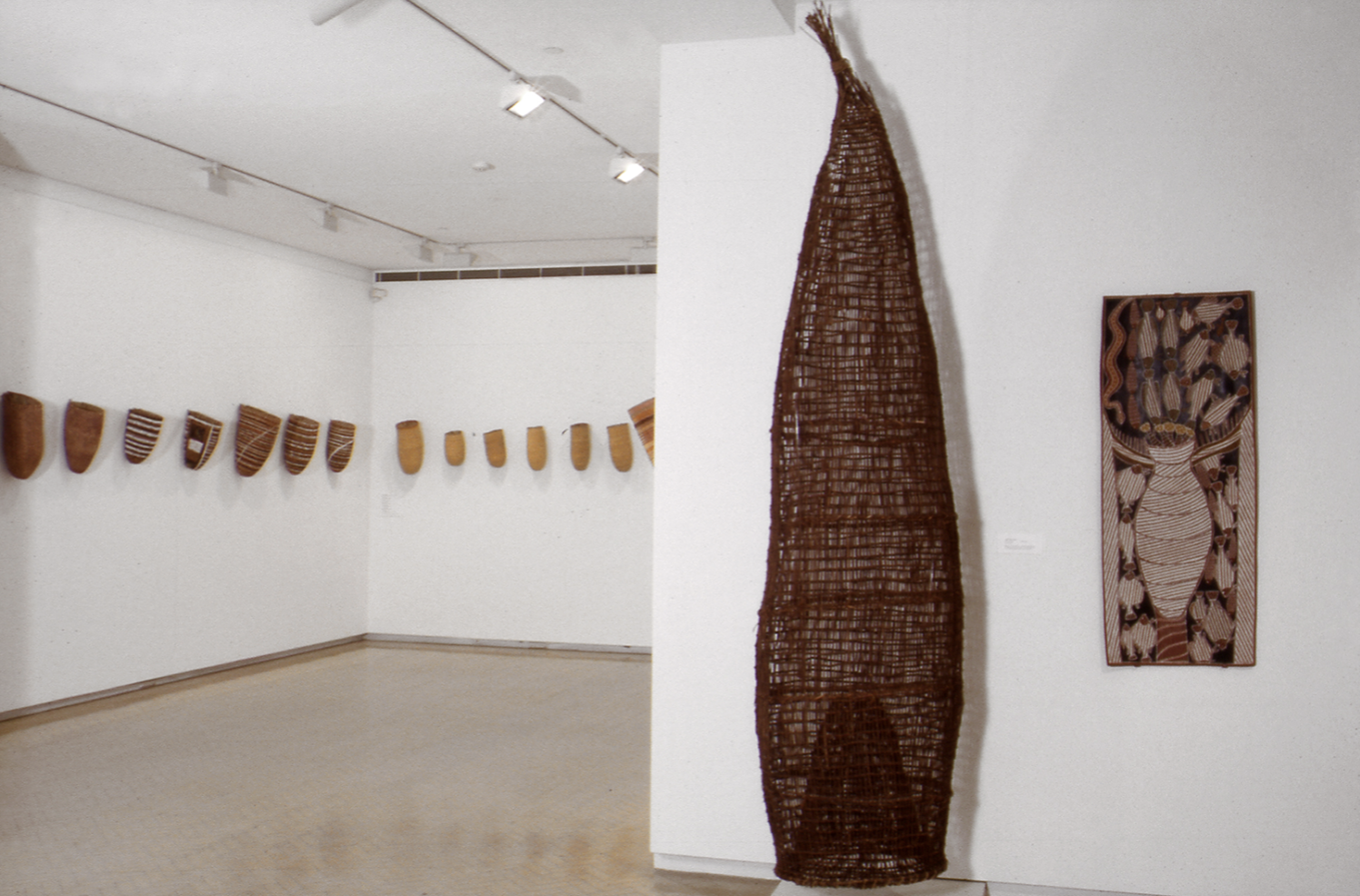
How to recognize the different regional styles ofAboriginal art
Aboriginal art reveals a mosaic of fascinating regional styles, each carrying millennia-old stories and unique techniques. From dot painting in the Central Desert to painted bark in Arnhem Land, the Wandjina figures of the Kimberley, and the geometric patterns of the Tiwi Islands, discover the distinctive visual codes that characterize each region. This comprehensive guide helps you recognize different styles, identify traditional techniques, and appreciate the contemporary evolution of this ancestral art. You’ll also learn how to authenticate works and adopt an ethical approach to collecting that respects Aboriginal cultural traditions.

Contemporary Australian Aboriginal Art: A Millennia-Old Heritage in Constant Evolution
Aboriginal art captivates with its rich symbolism and millennia-old history. Spanning the ages without ever becoming static, this artistic expression—unique in the world—blends ancestral traditions with contemporary creativity. Our article invites you on a journey to the heart of this exceptional visual culture, from 65,000-year-old rock paintings to the innovative works of today’s Aboriginal artists. Discover the secrets of dot painting, the spirituality of the Dreamtime, and the inspiring journeys of artists such as Emily Kame Kngwarreye and Clifford Possum Tjapaltjarri. Whether you’re a seasoned collector or simply an art lover, immerse yourself in this fascinating visual world and learn to recognize, appreciate, and acquire authentic Aboriginal artworks with our expert guide.
This introductory excerpt can be placed at the beginning of the article, right after the main title and before the first section. It includes the main keywords and provides an engaging preview of the content that follows, while encouraging the reader to keep reading to learn more.