
Peintures aborigènes — galerie d'art aborigène australien
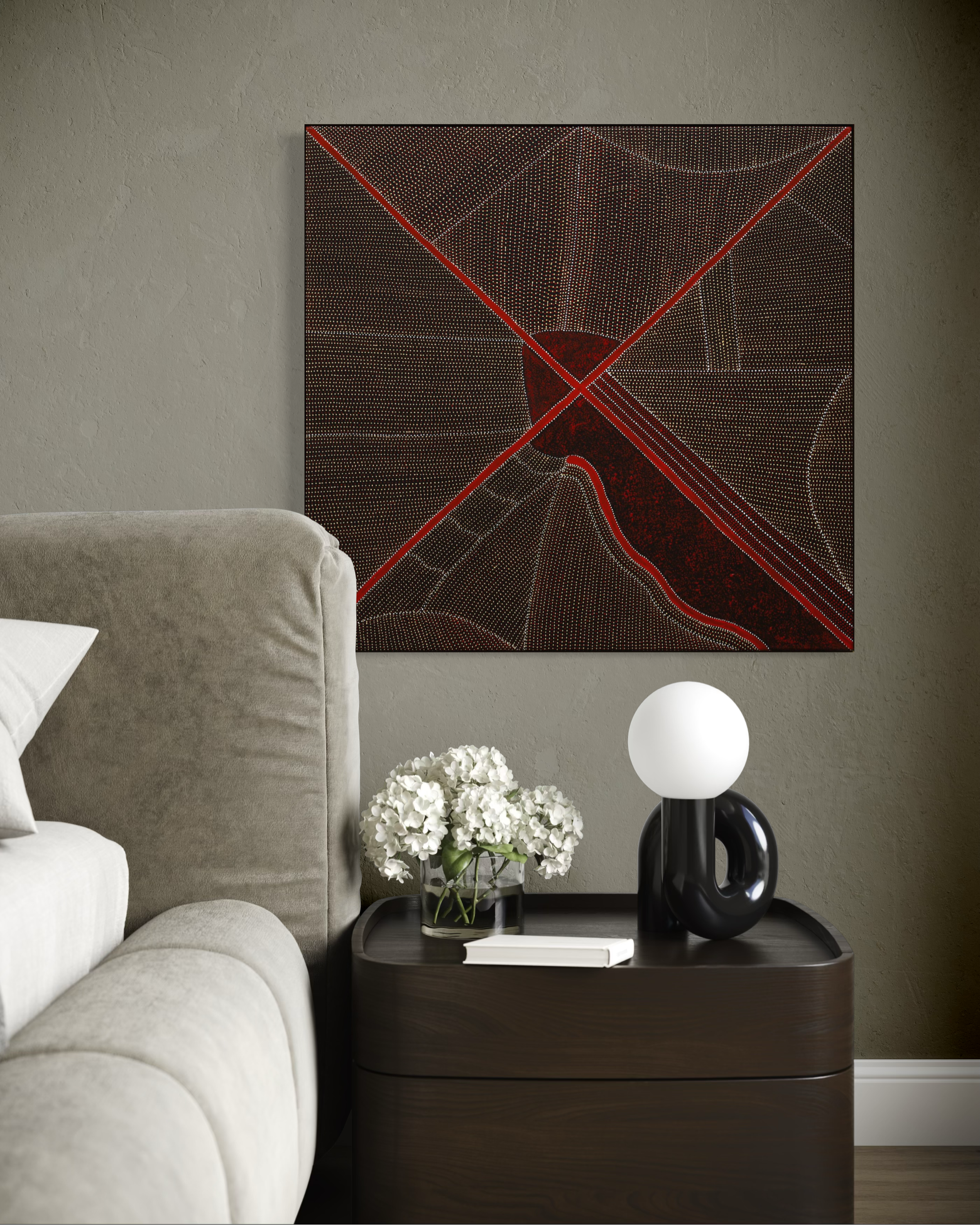
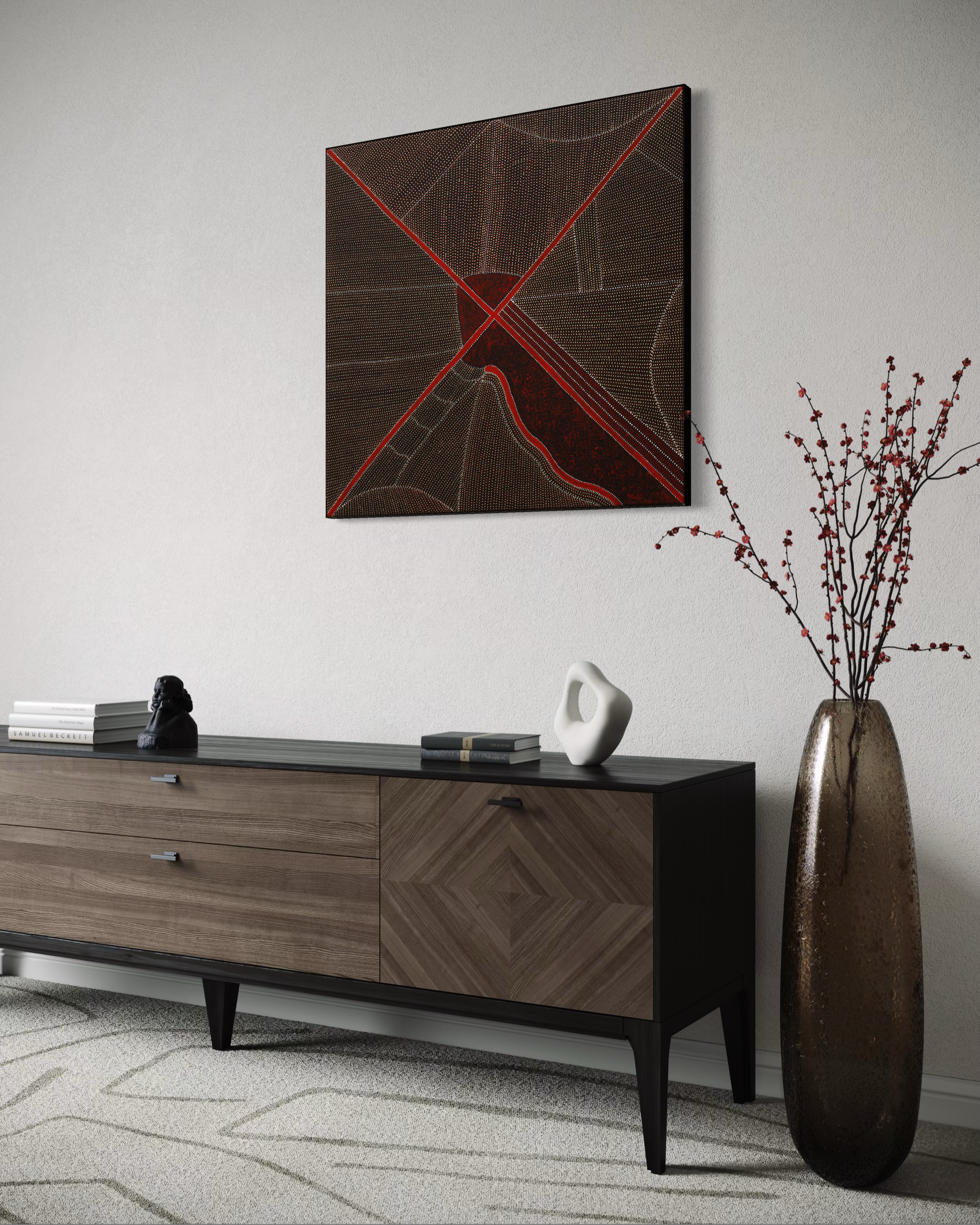
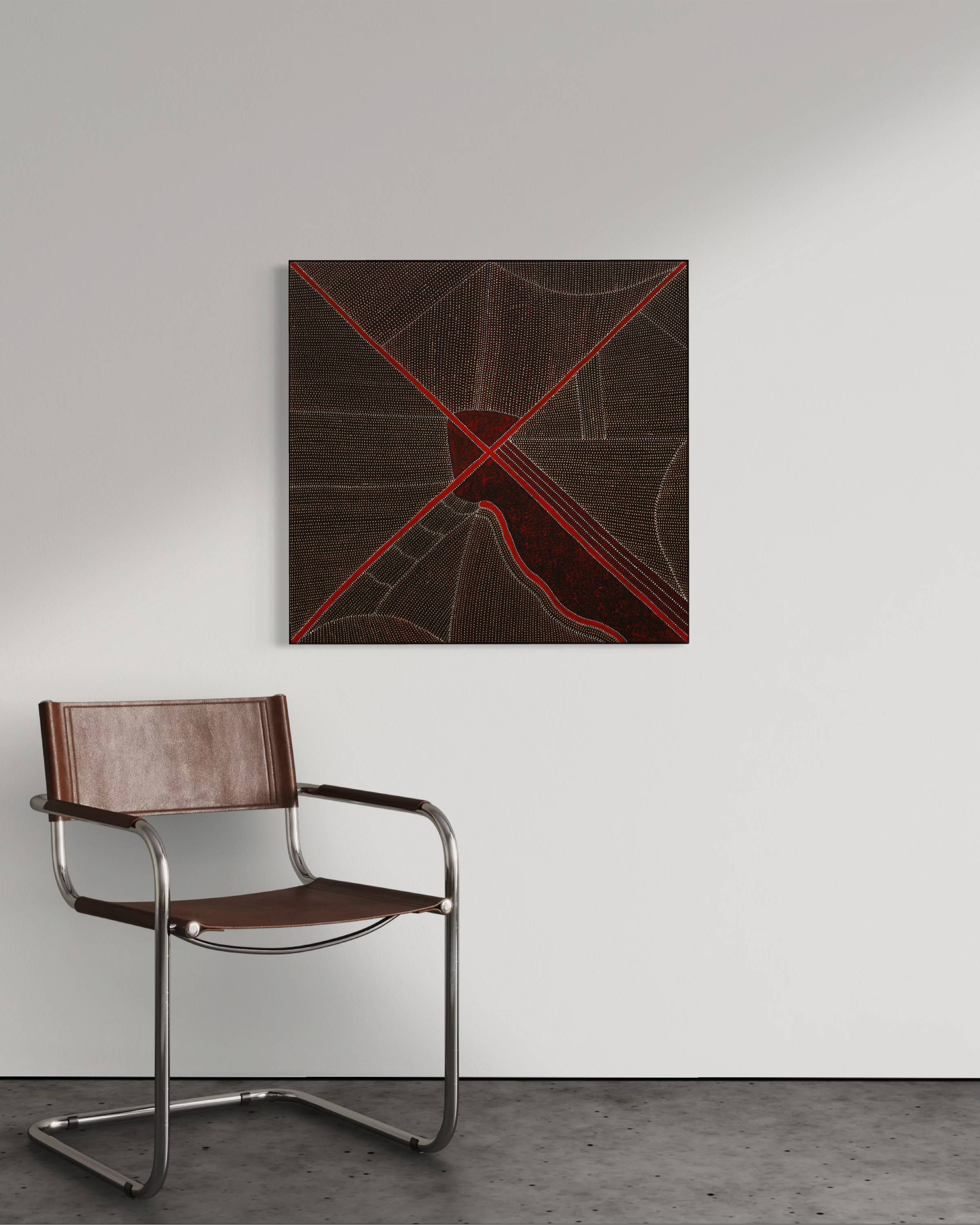
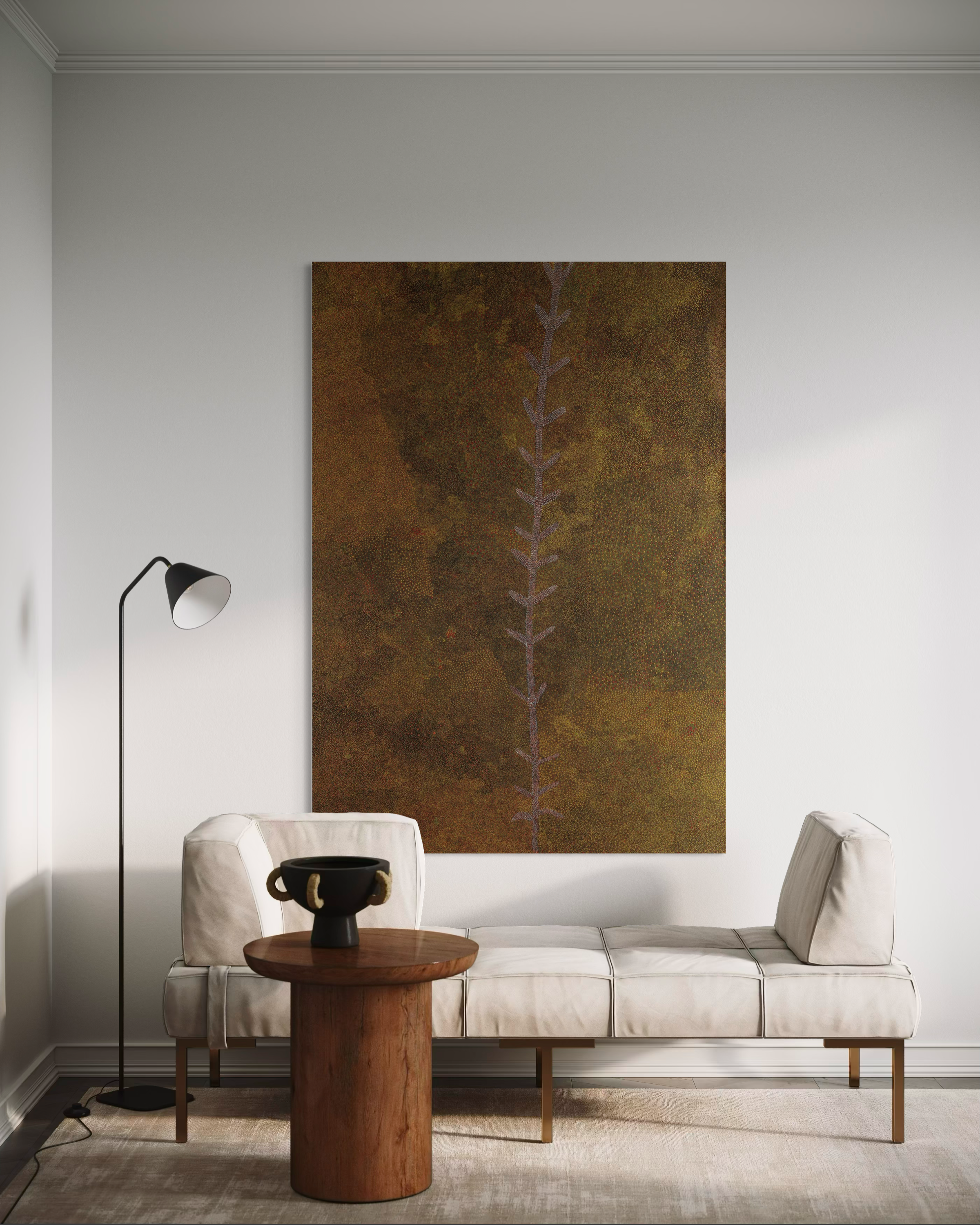
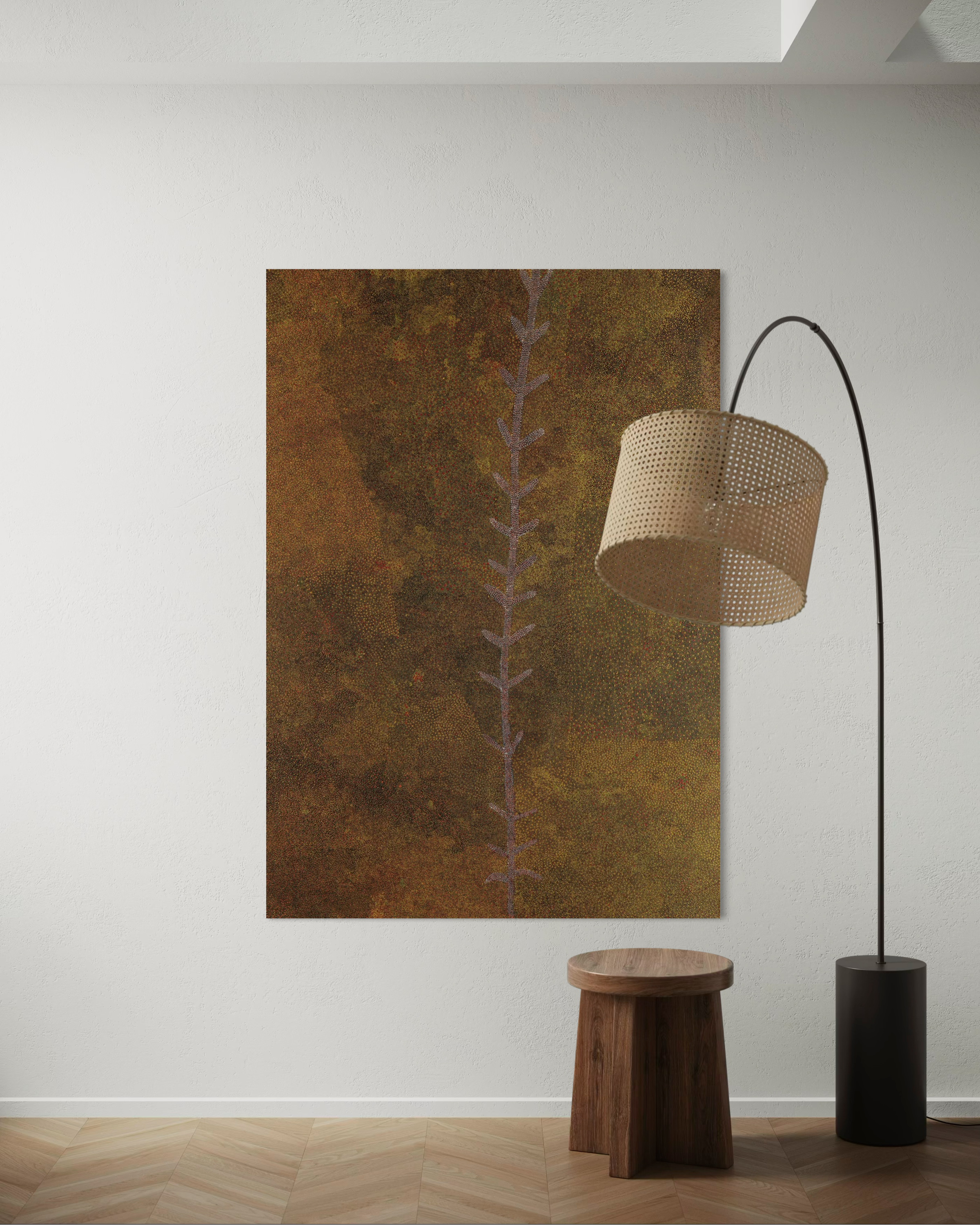
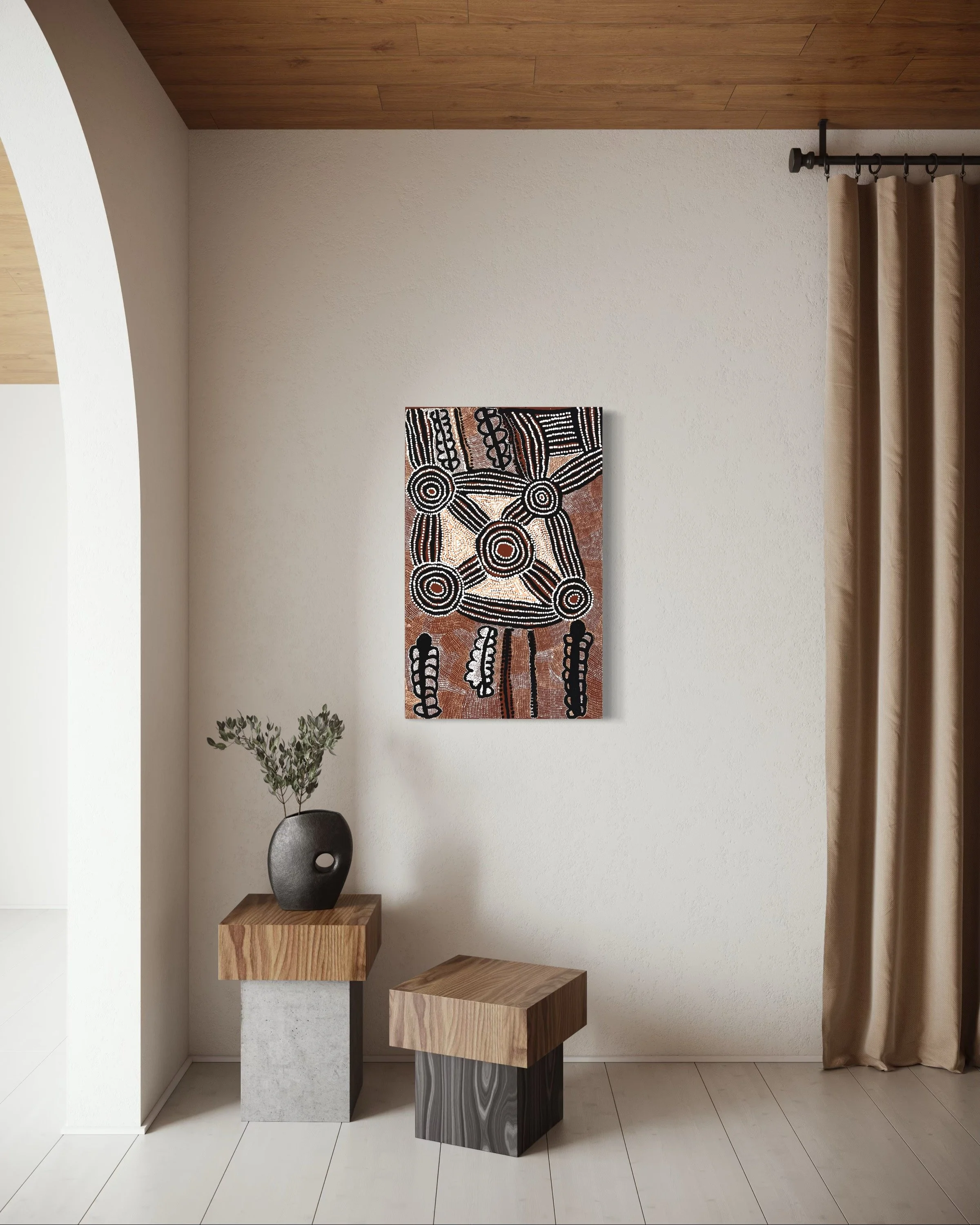
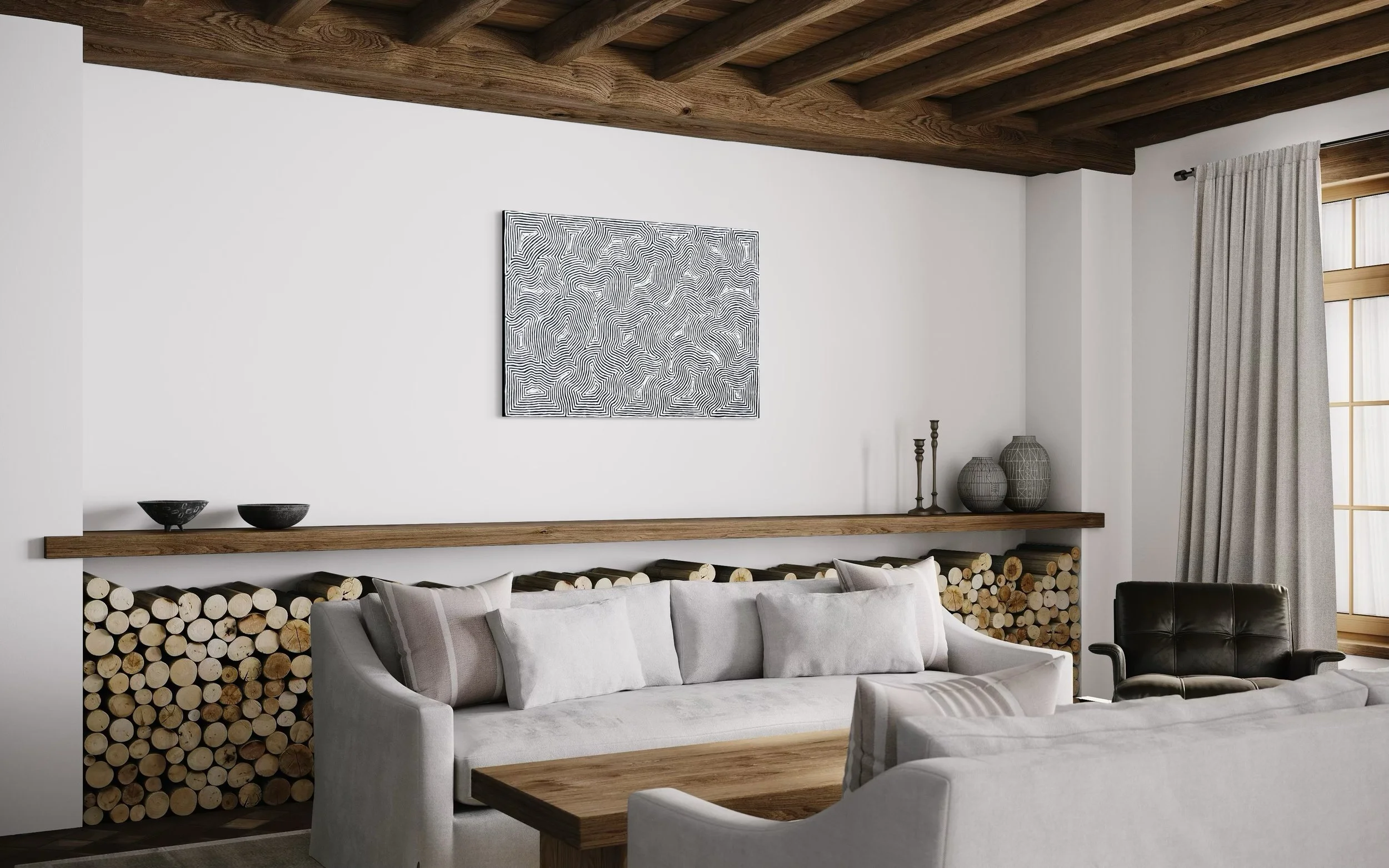
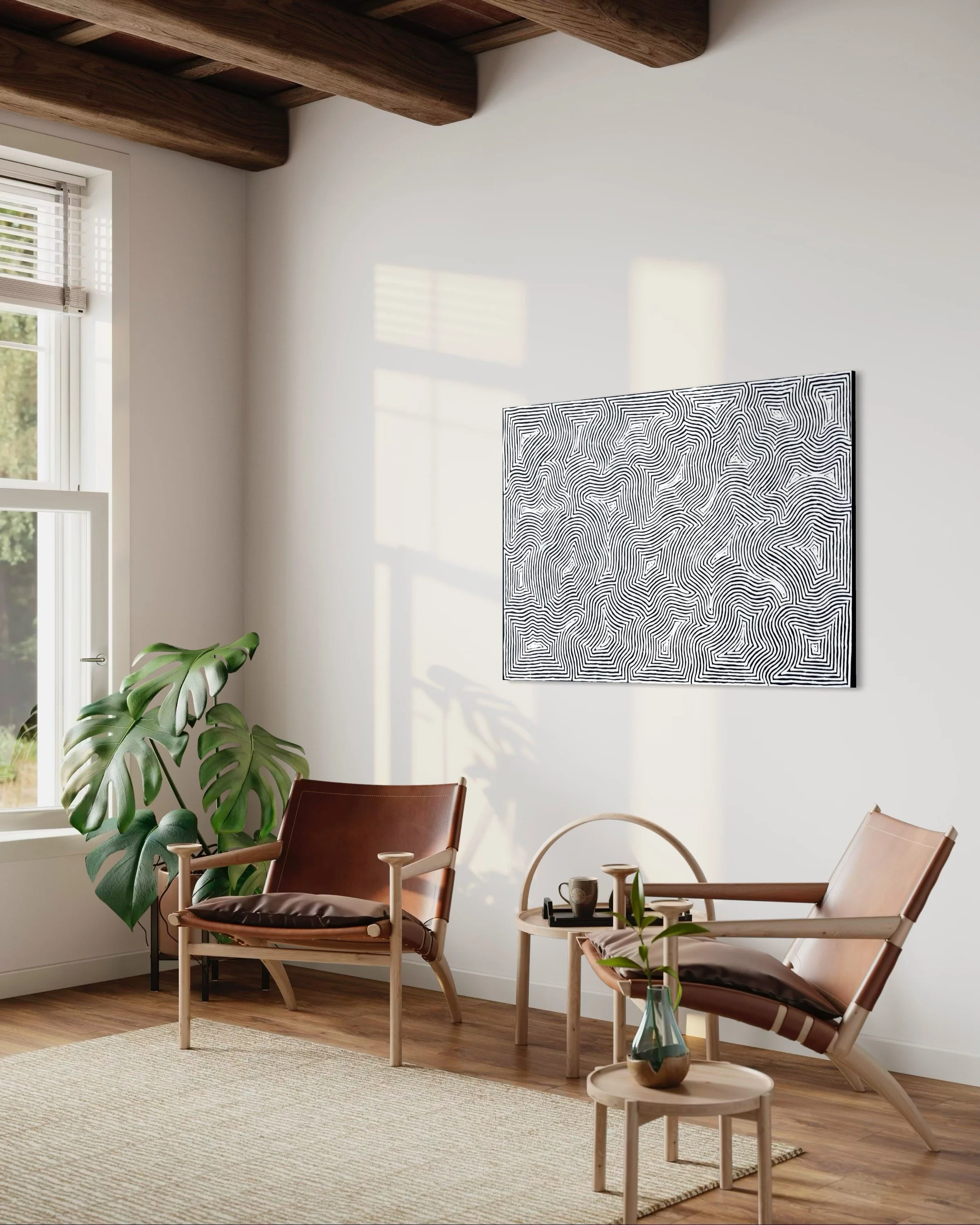
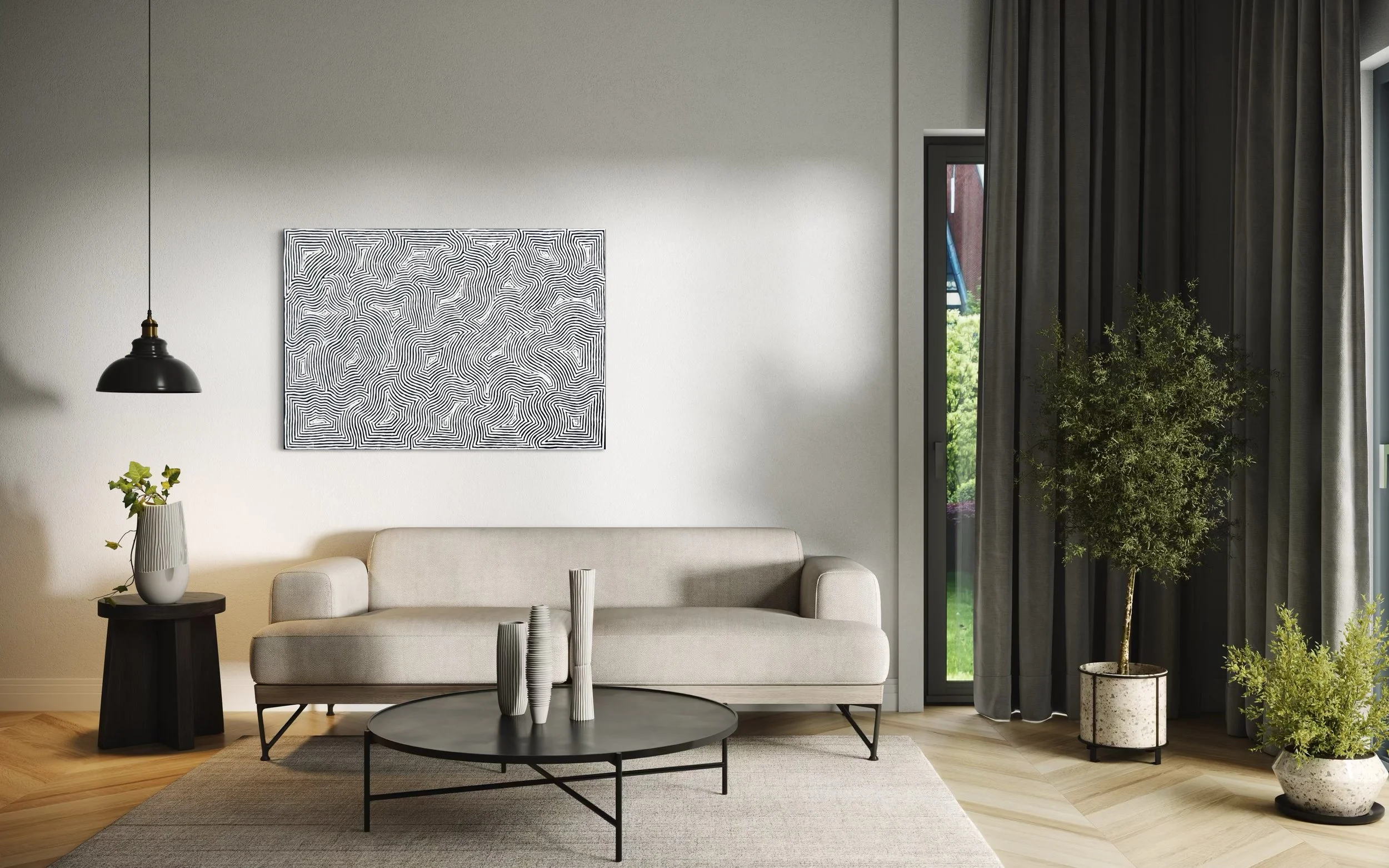
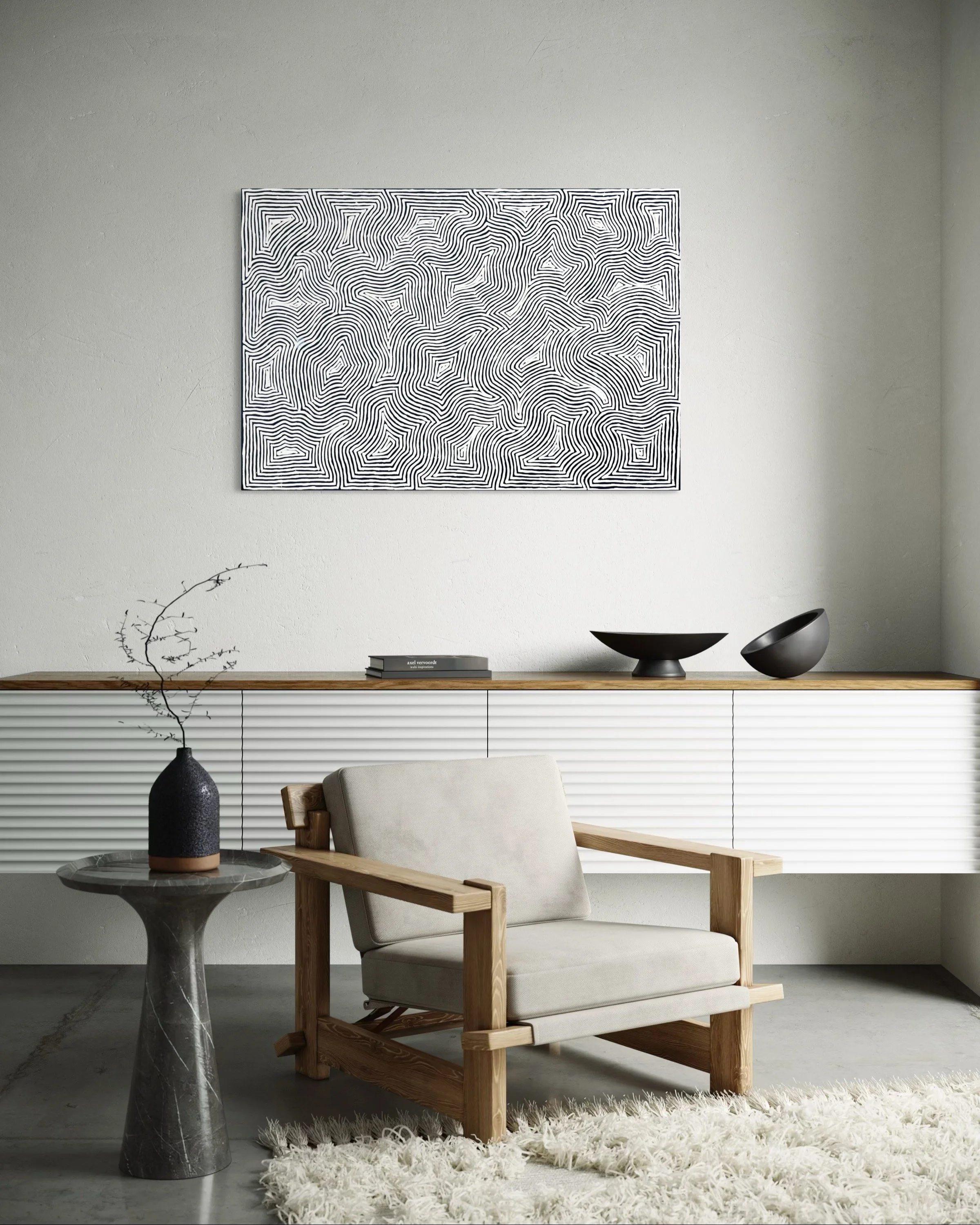
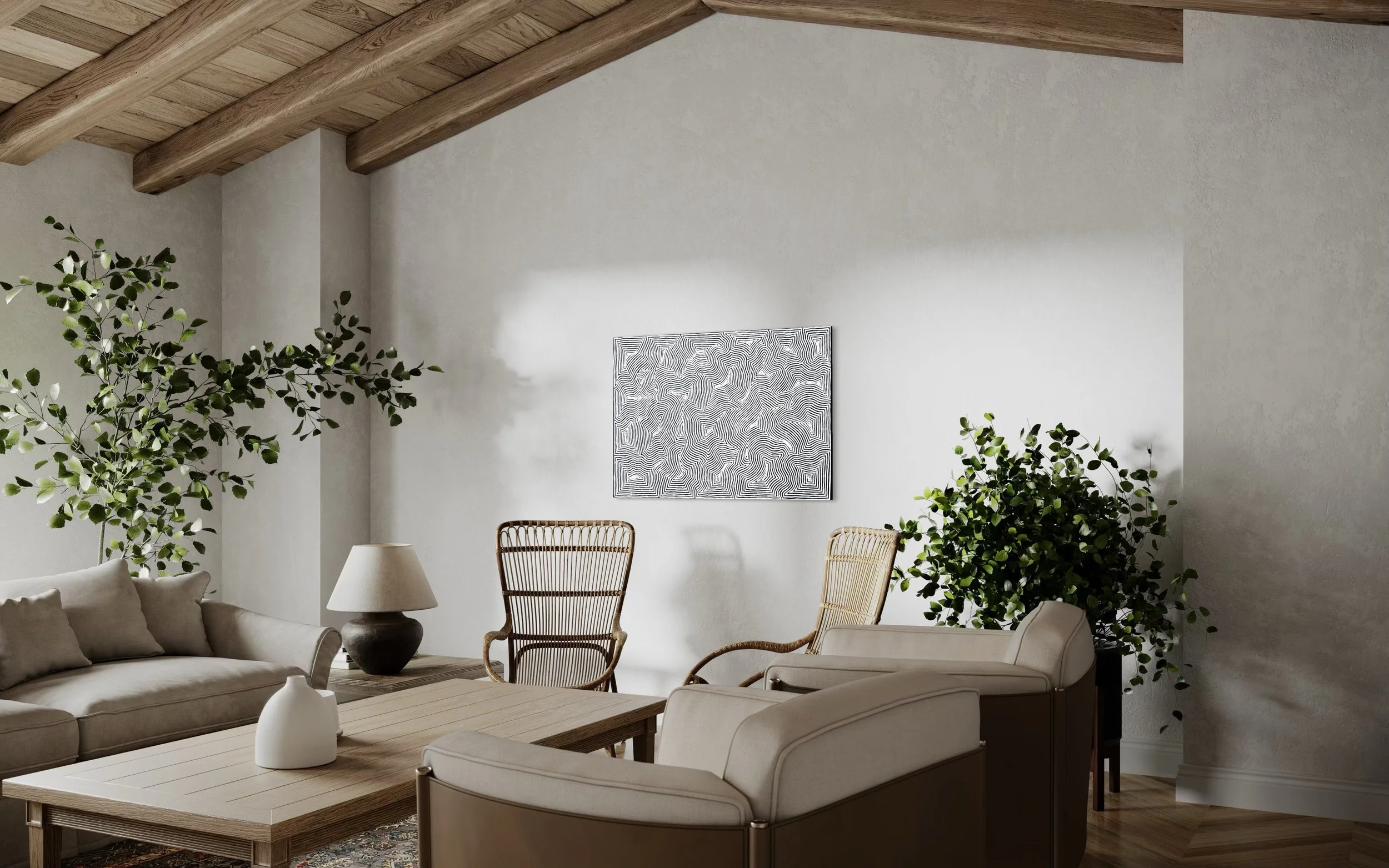
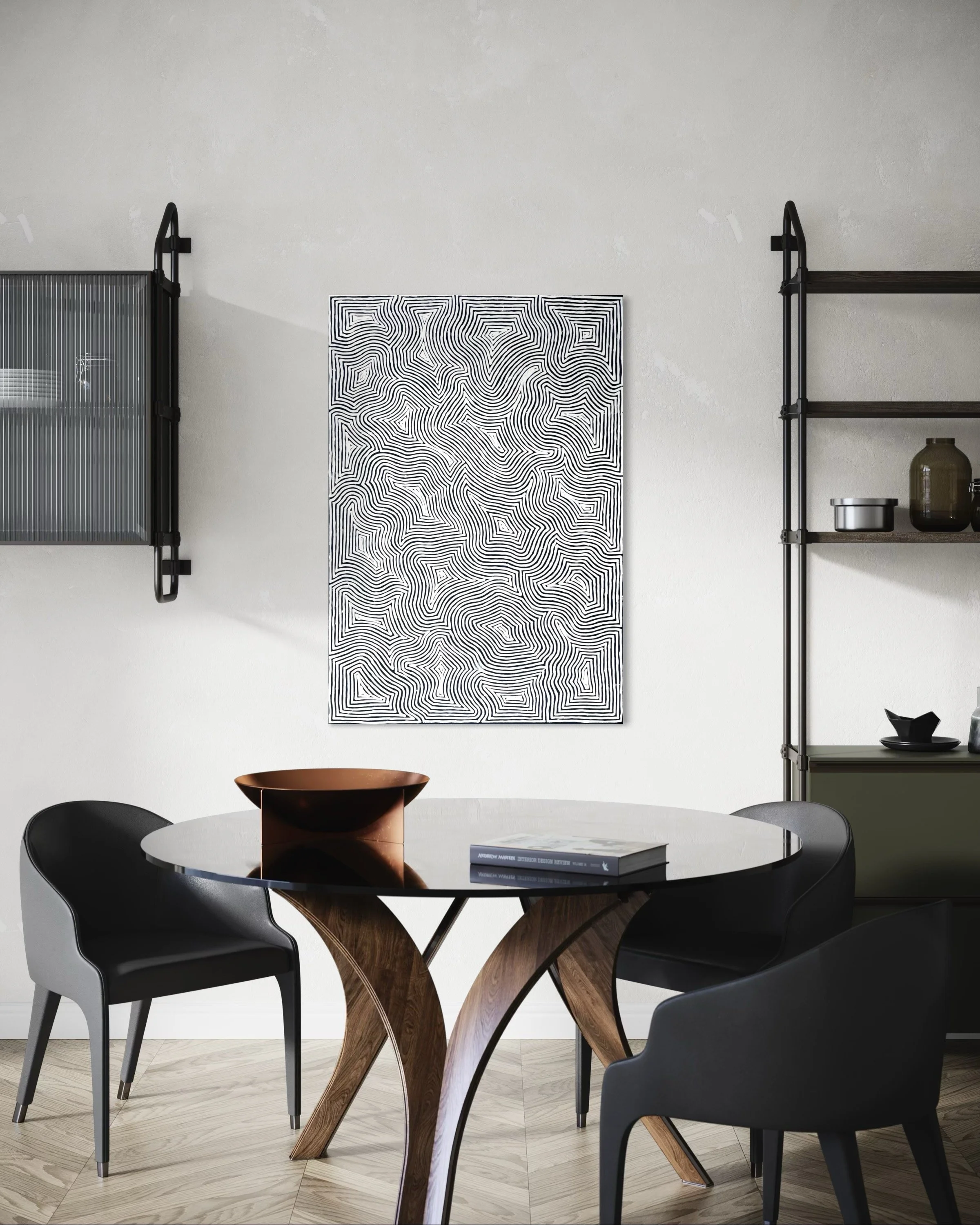
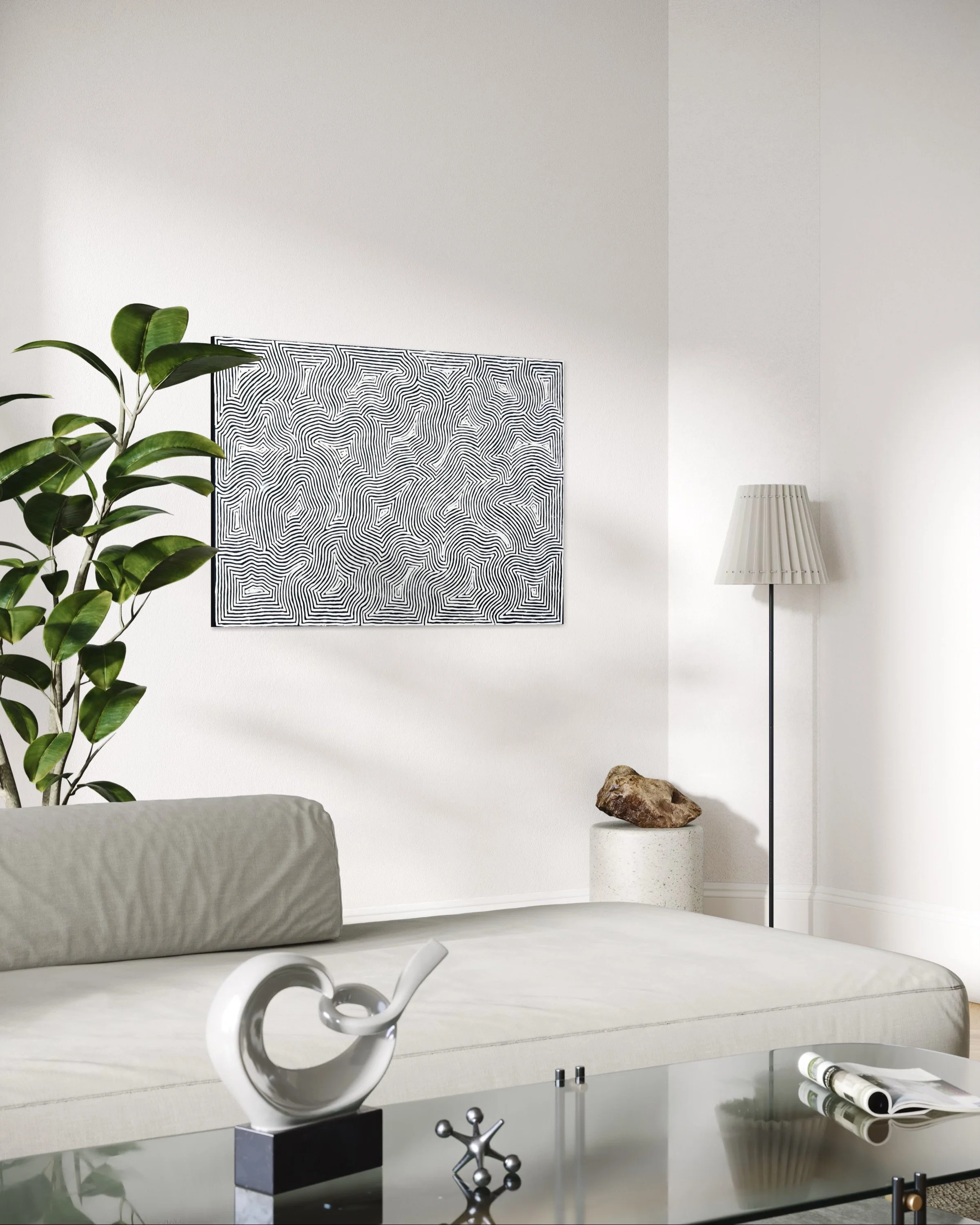
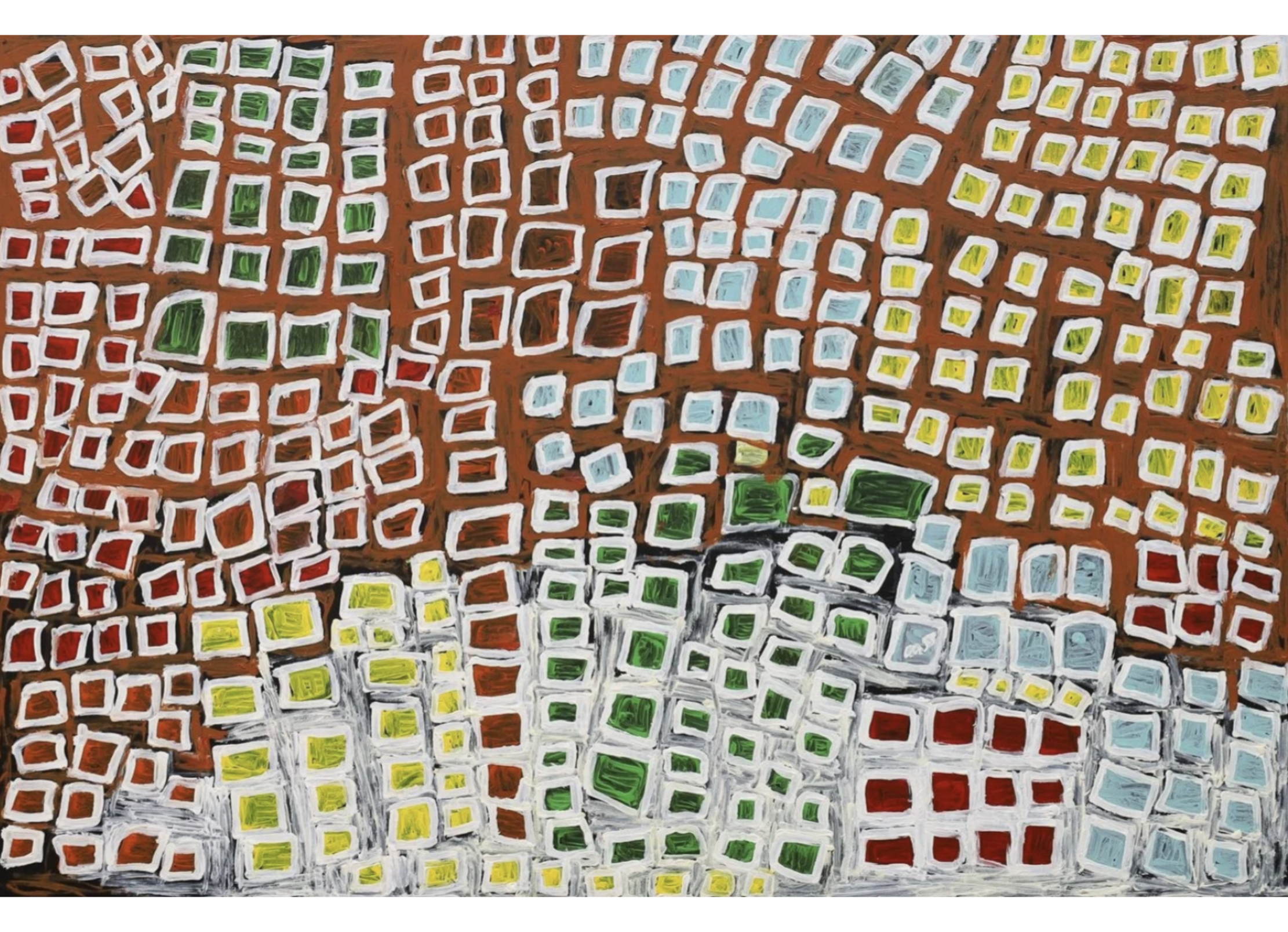
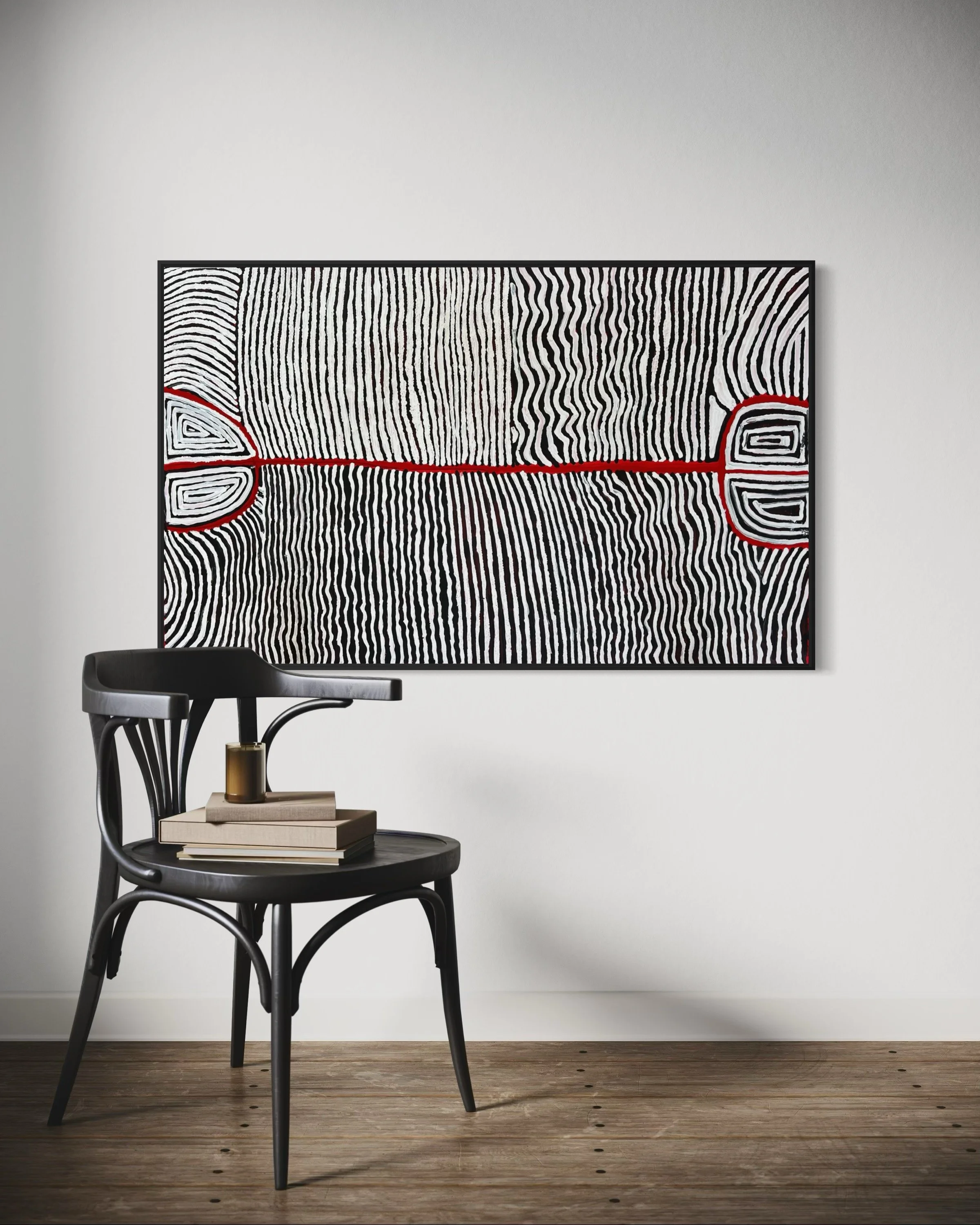
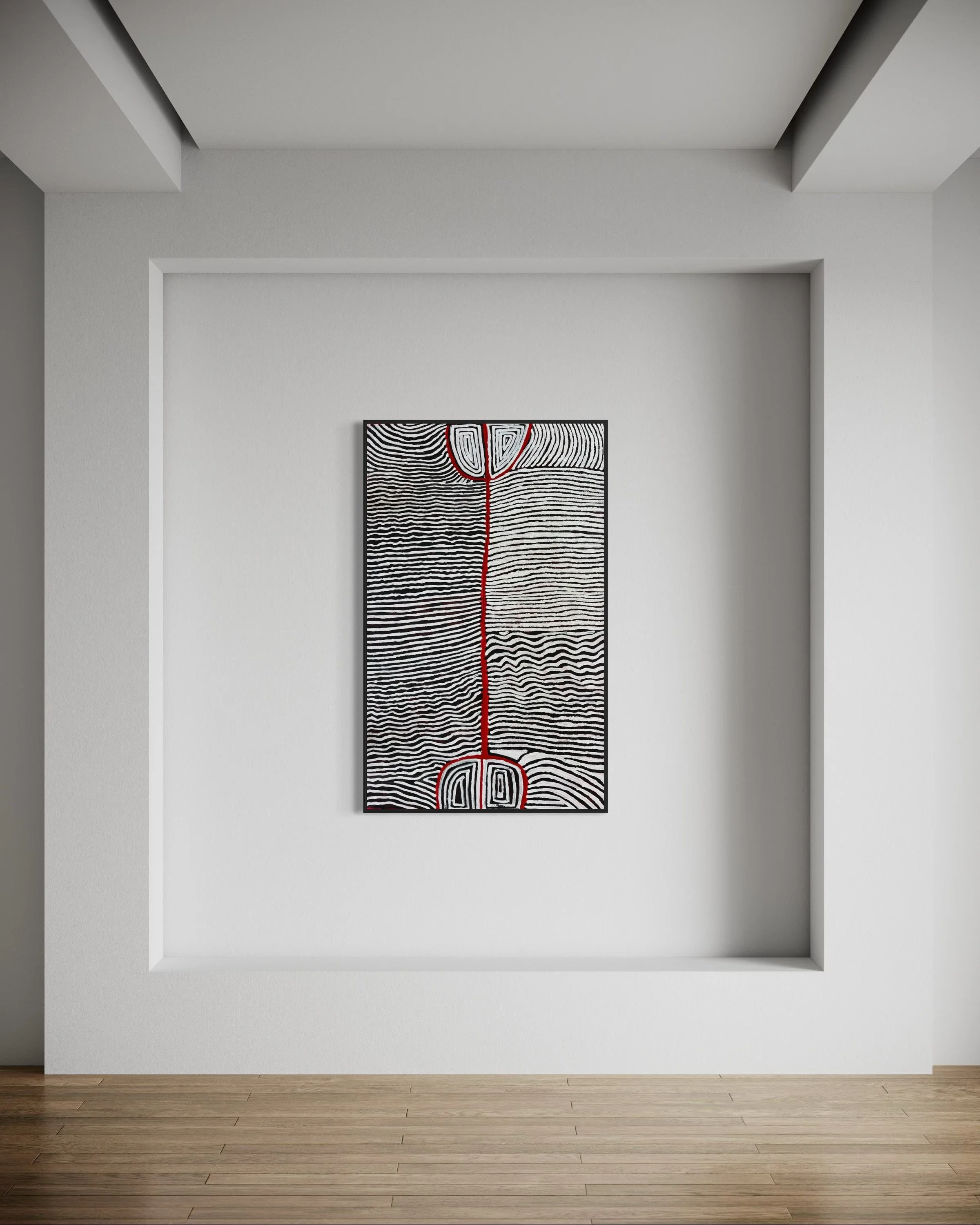
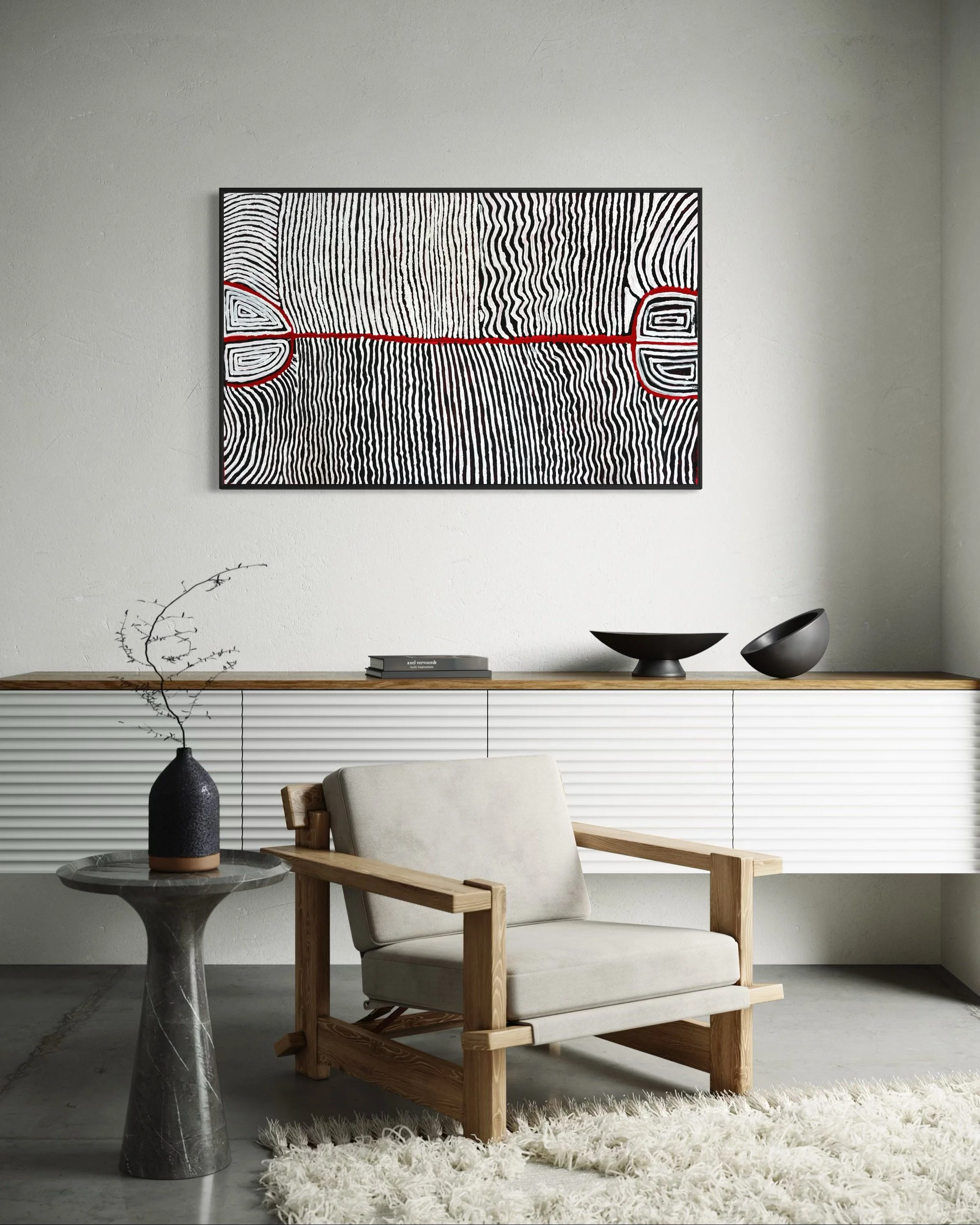
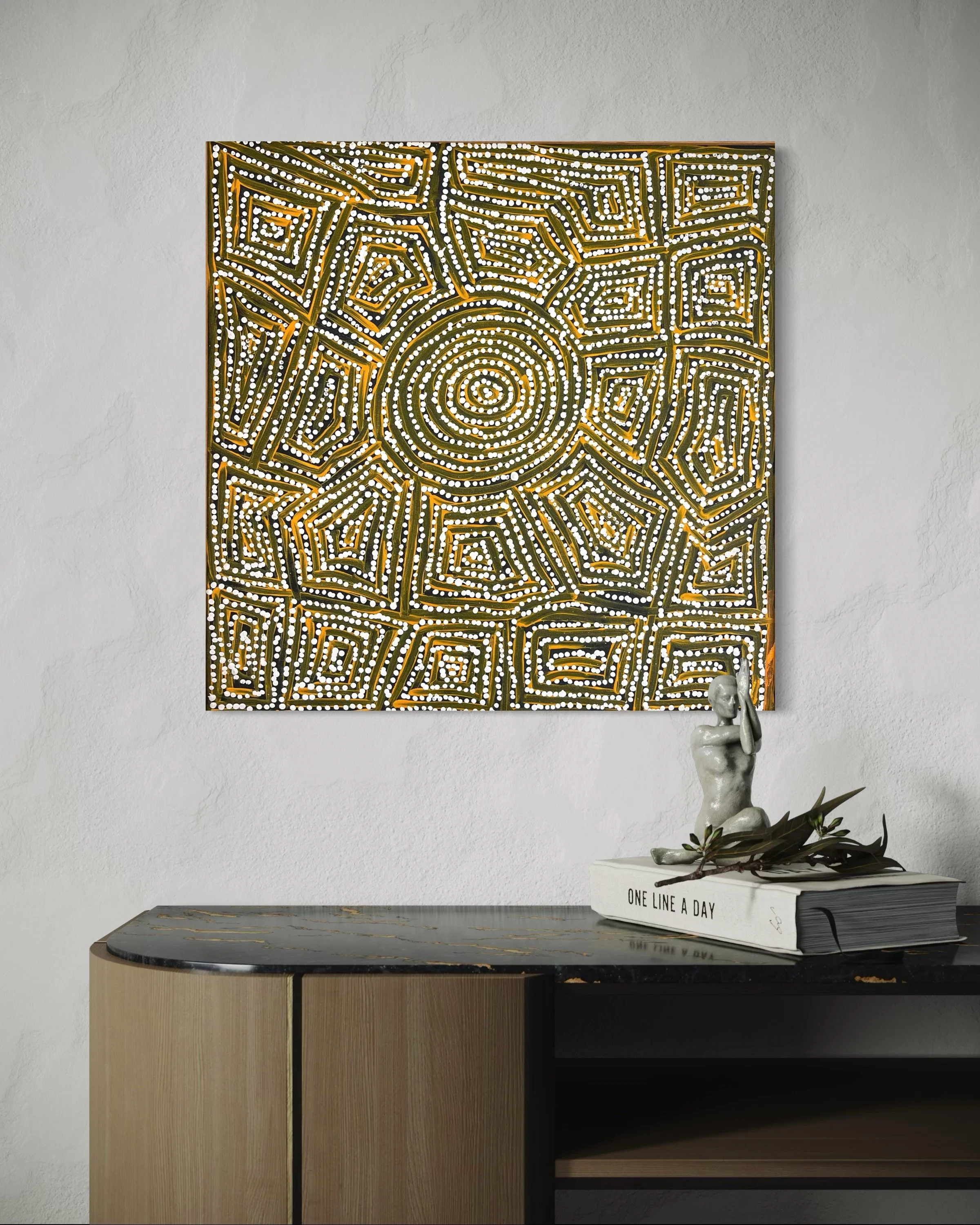
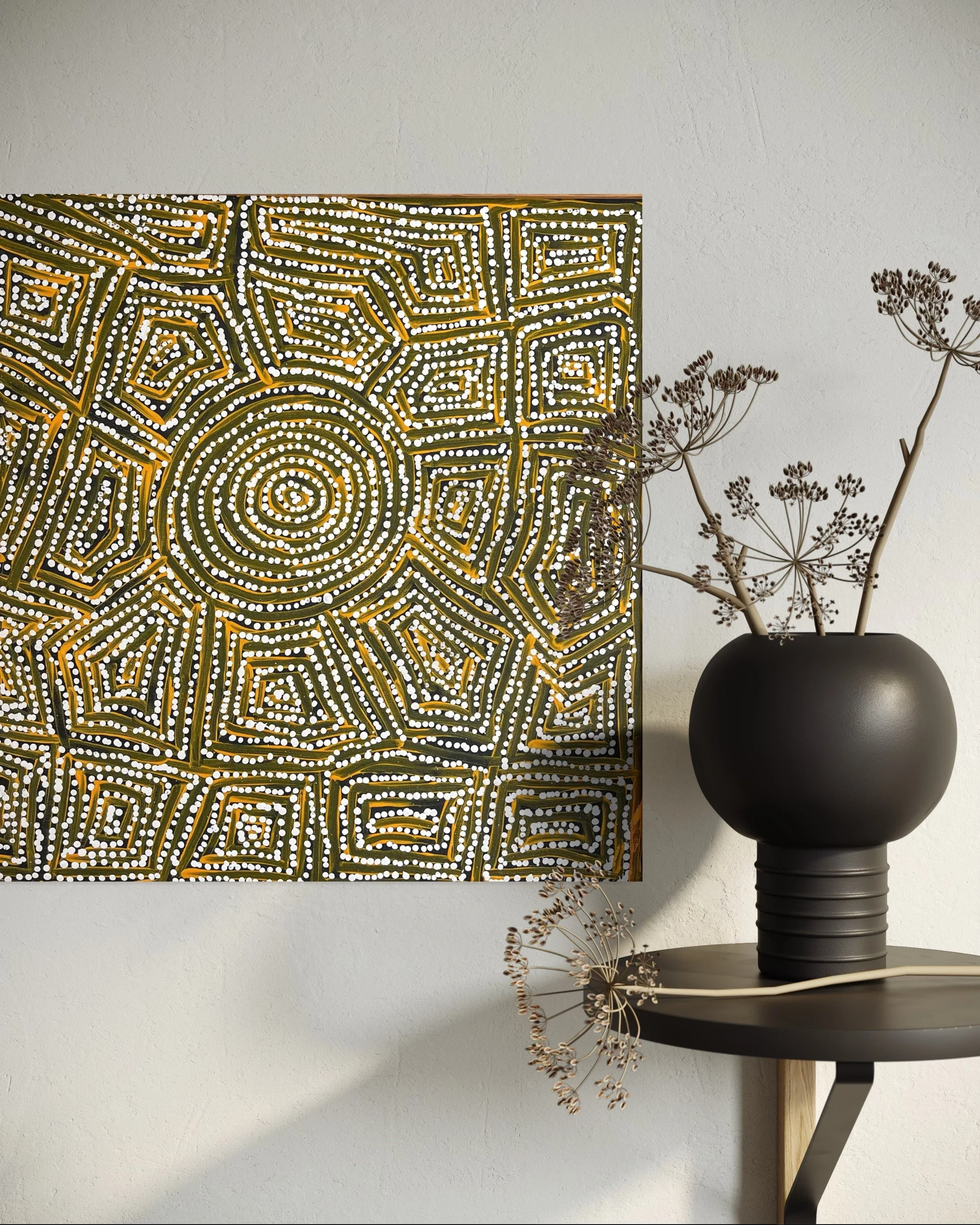
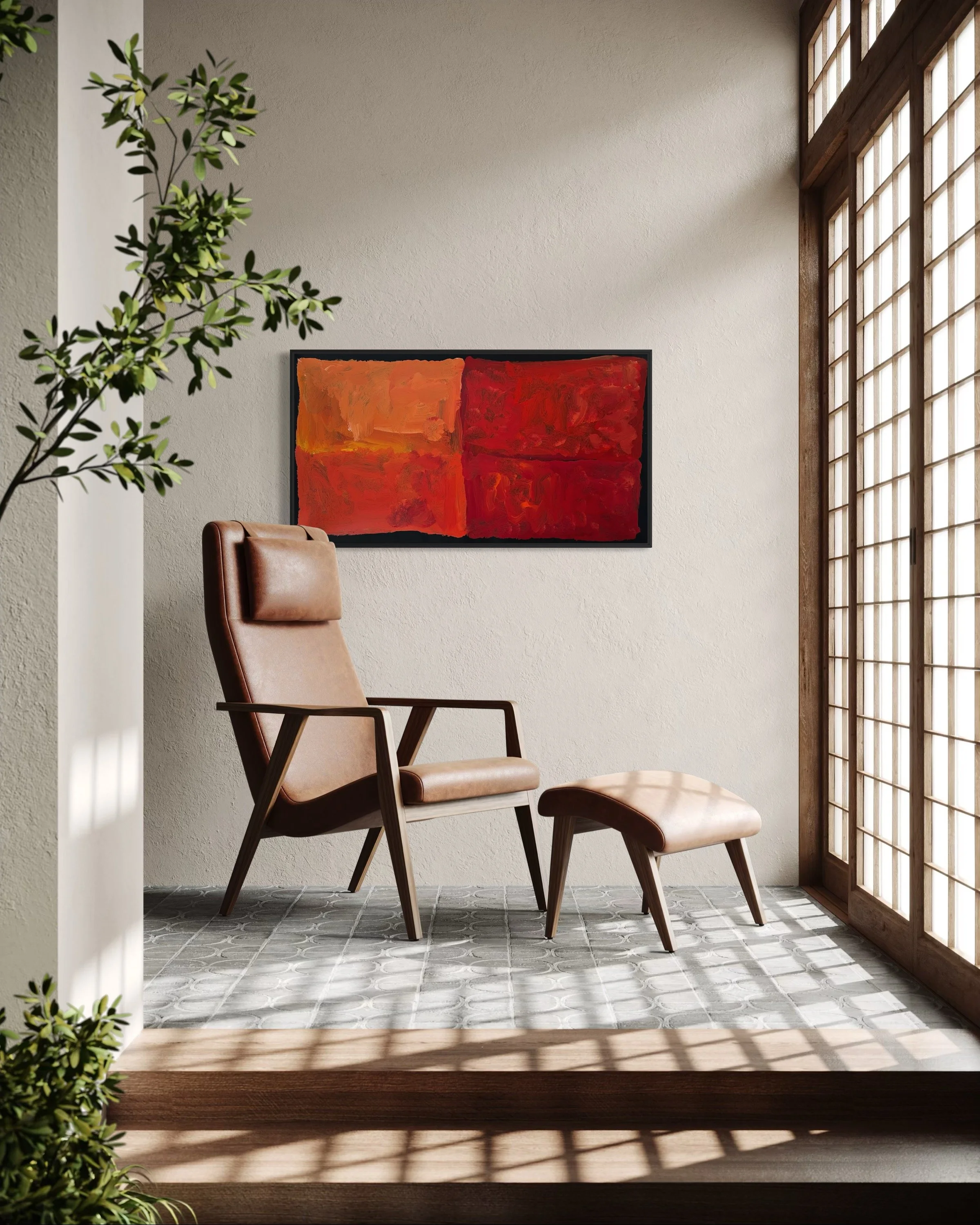
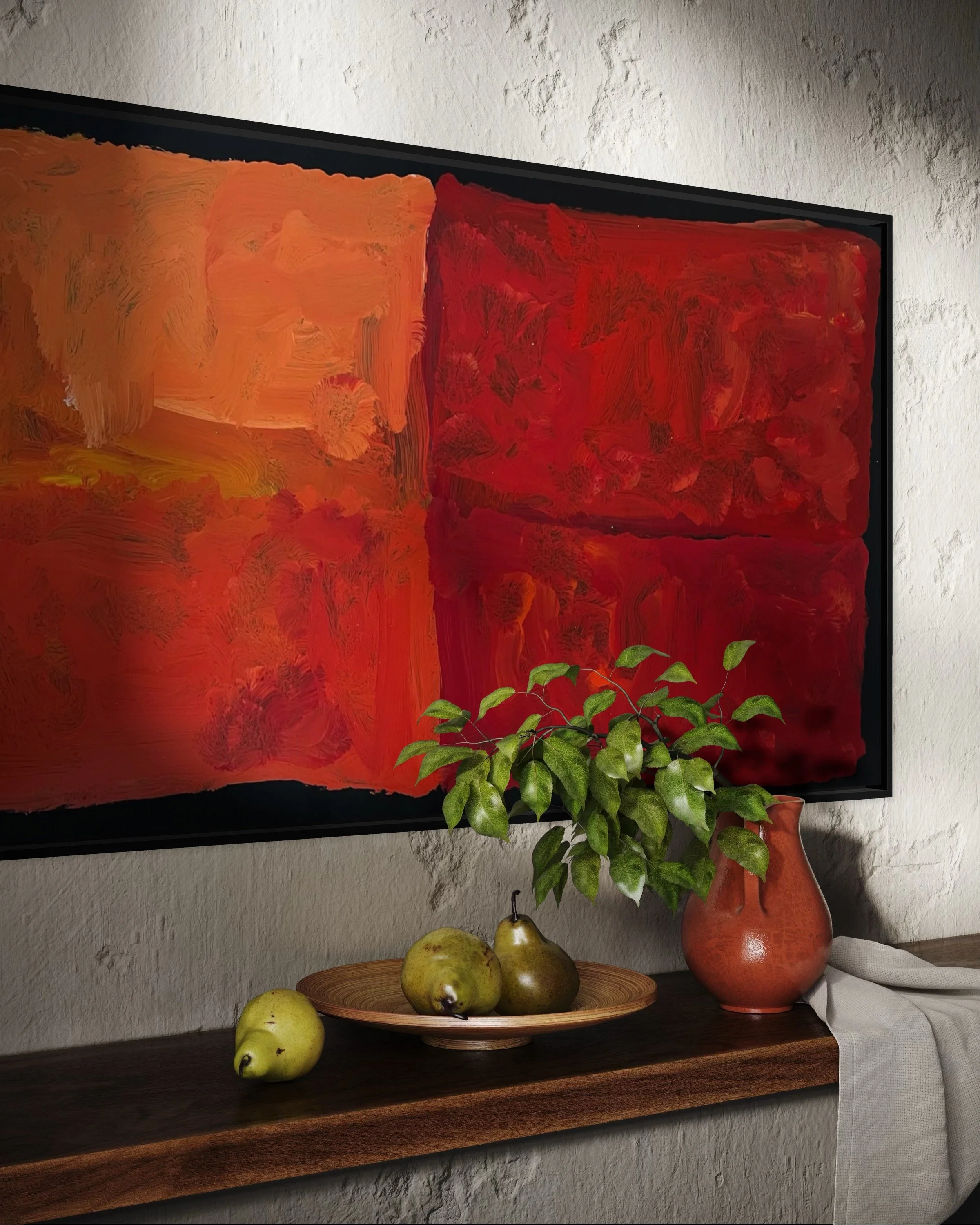
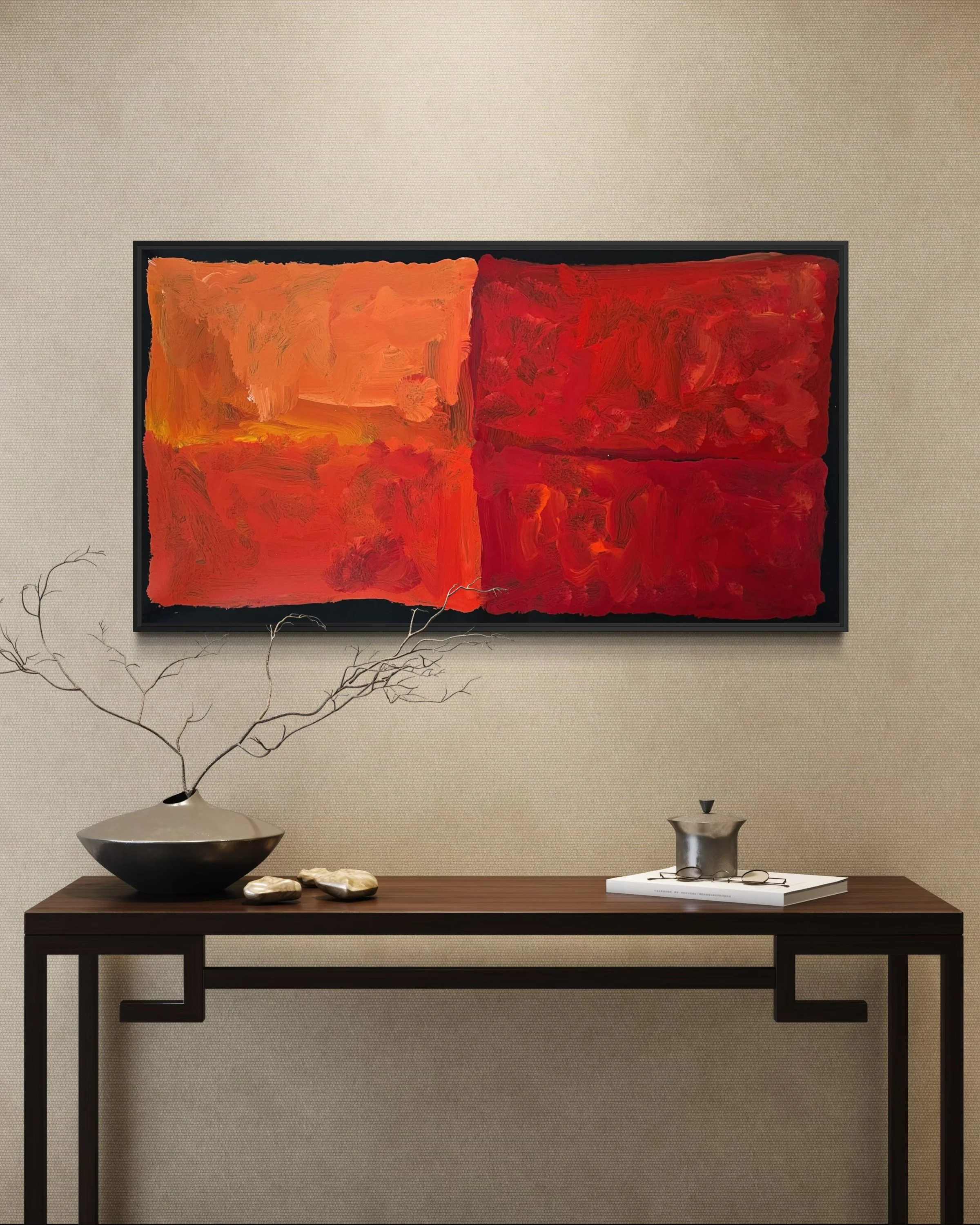
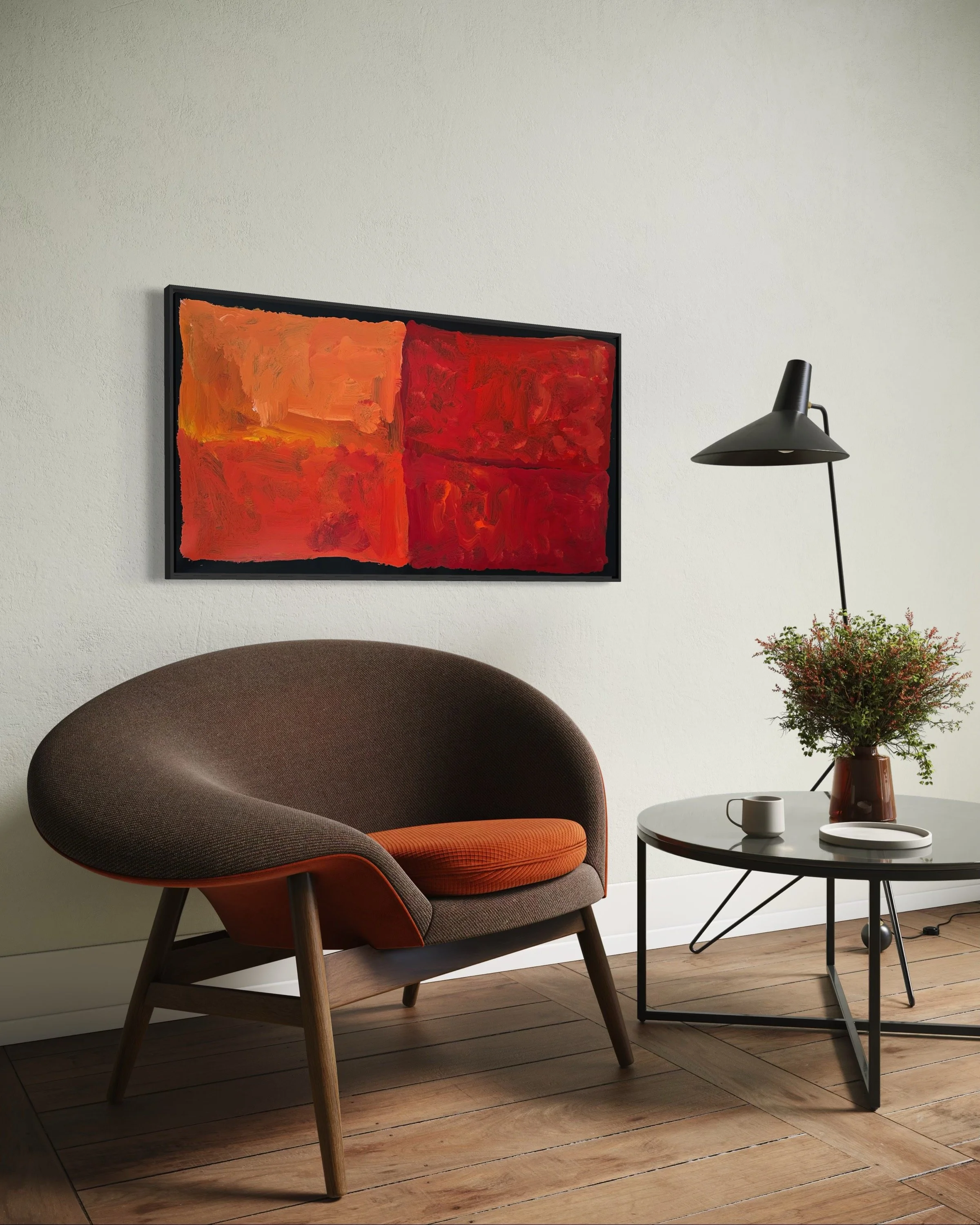
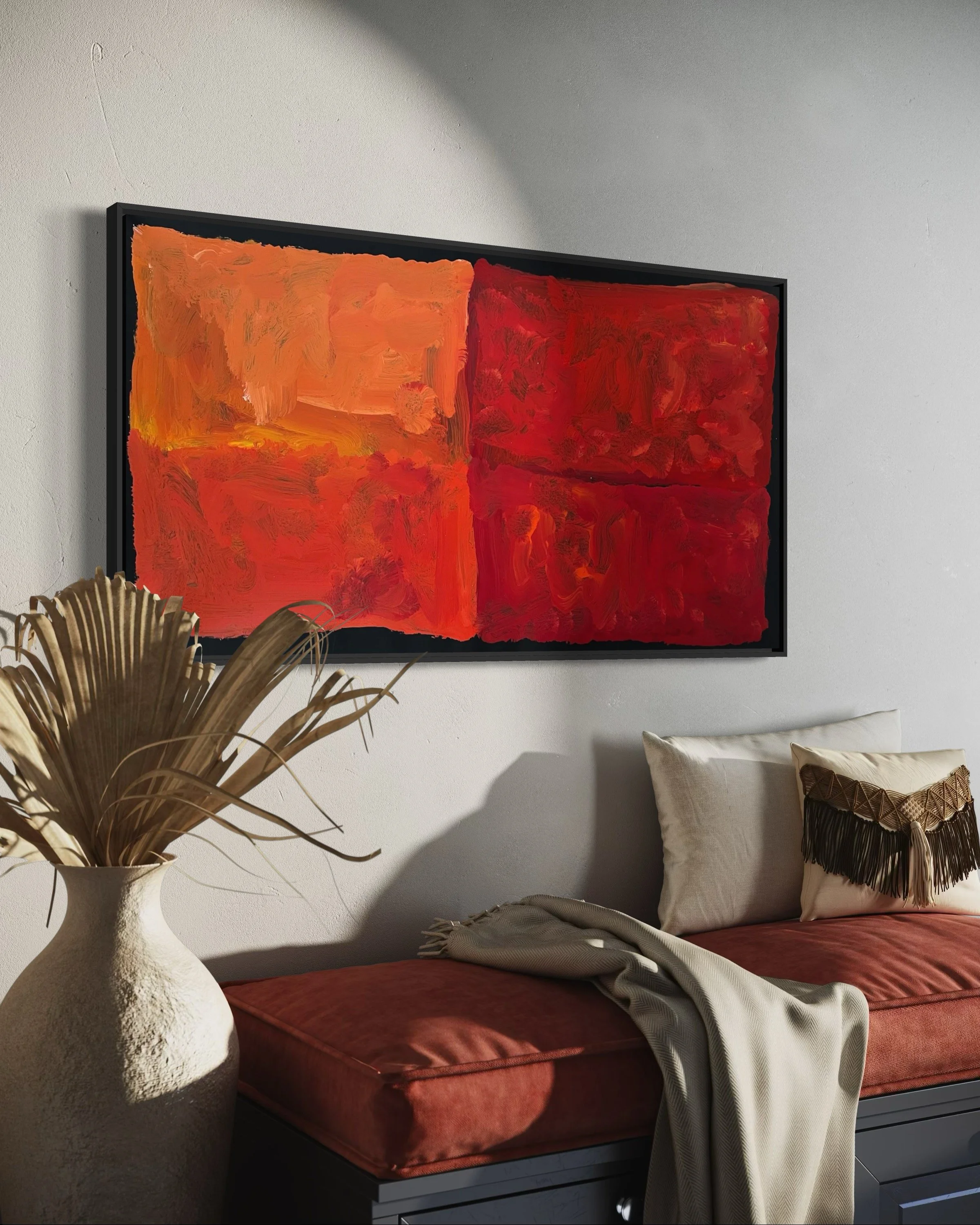
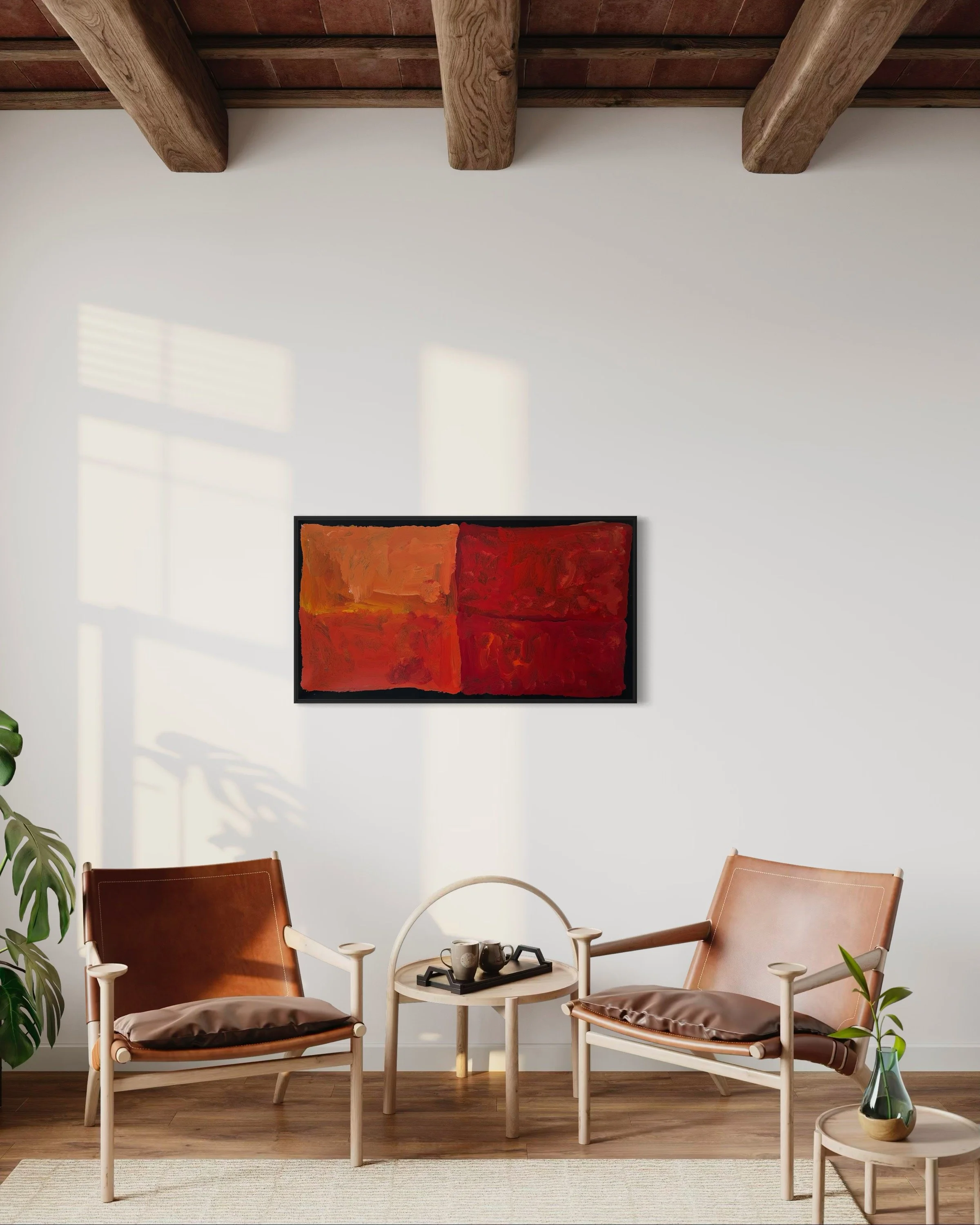
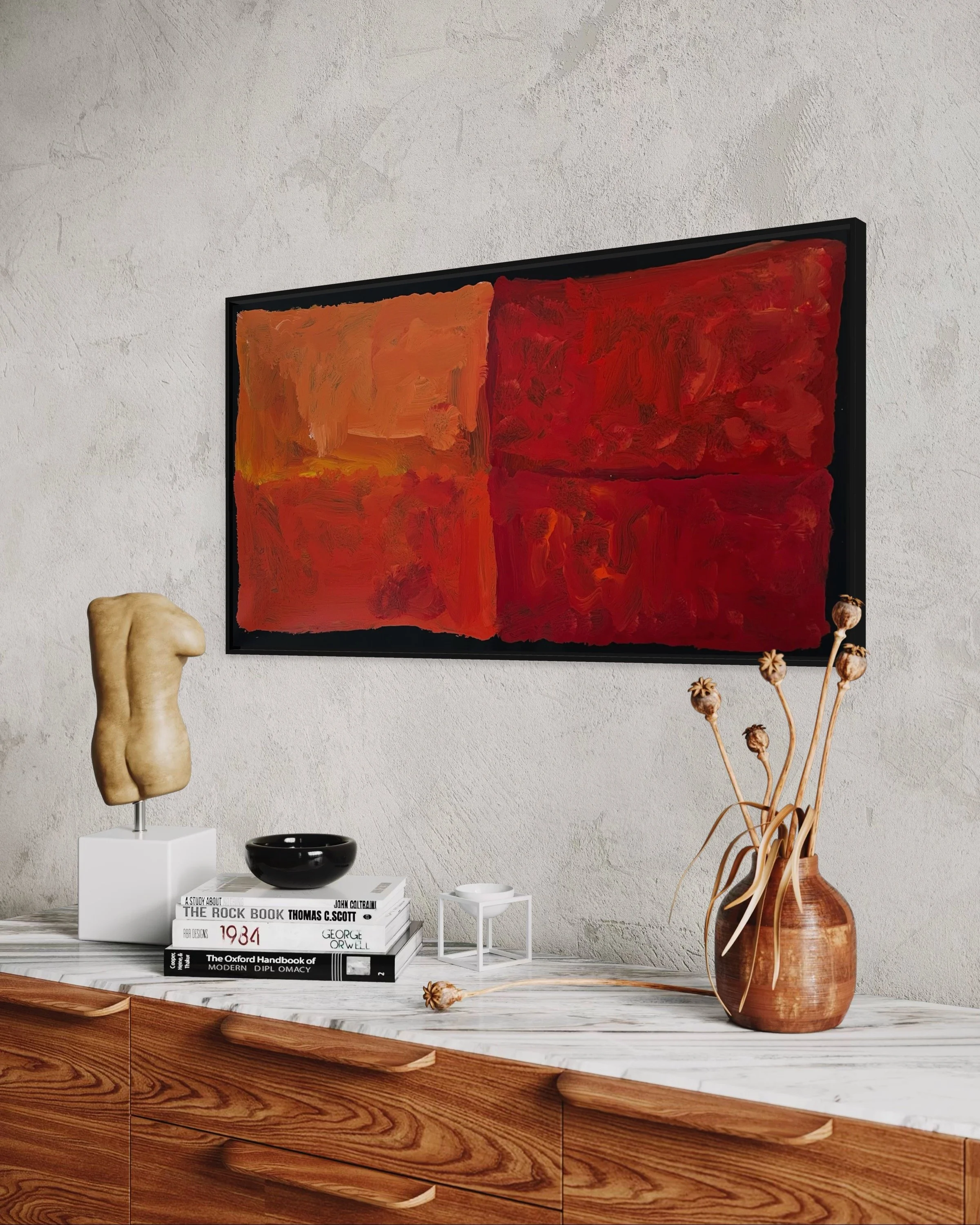
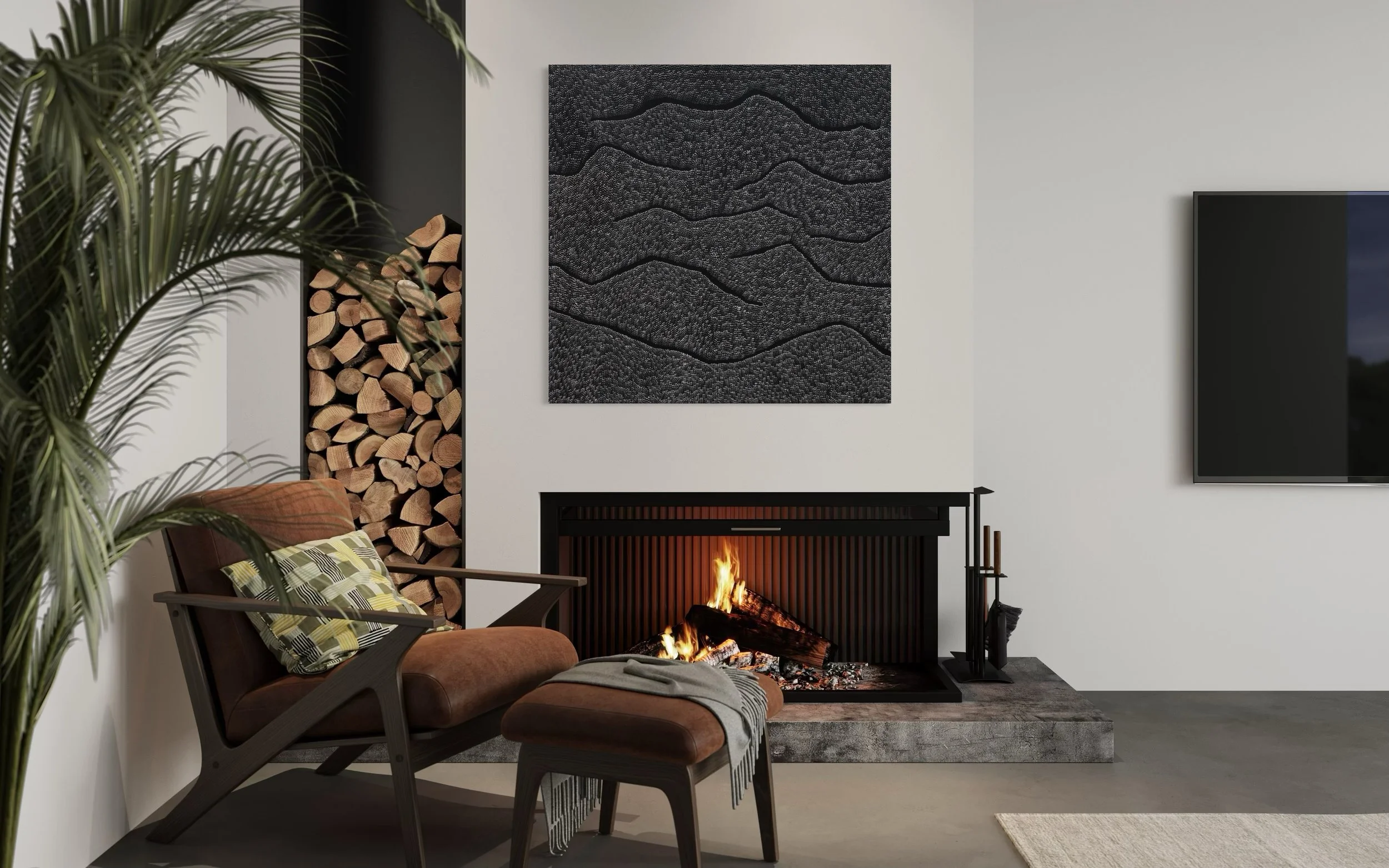
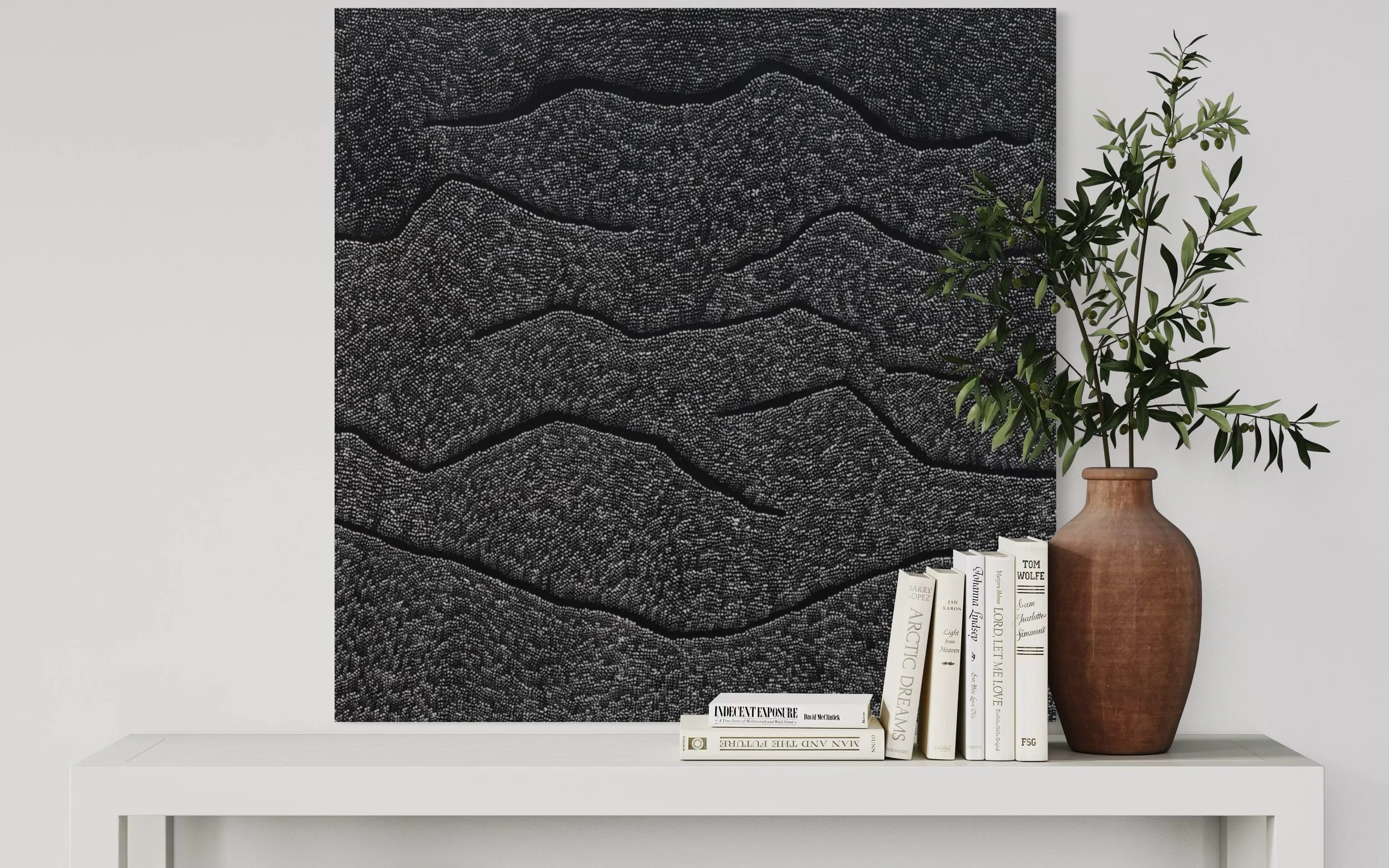
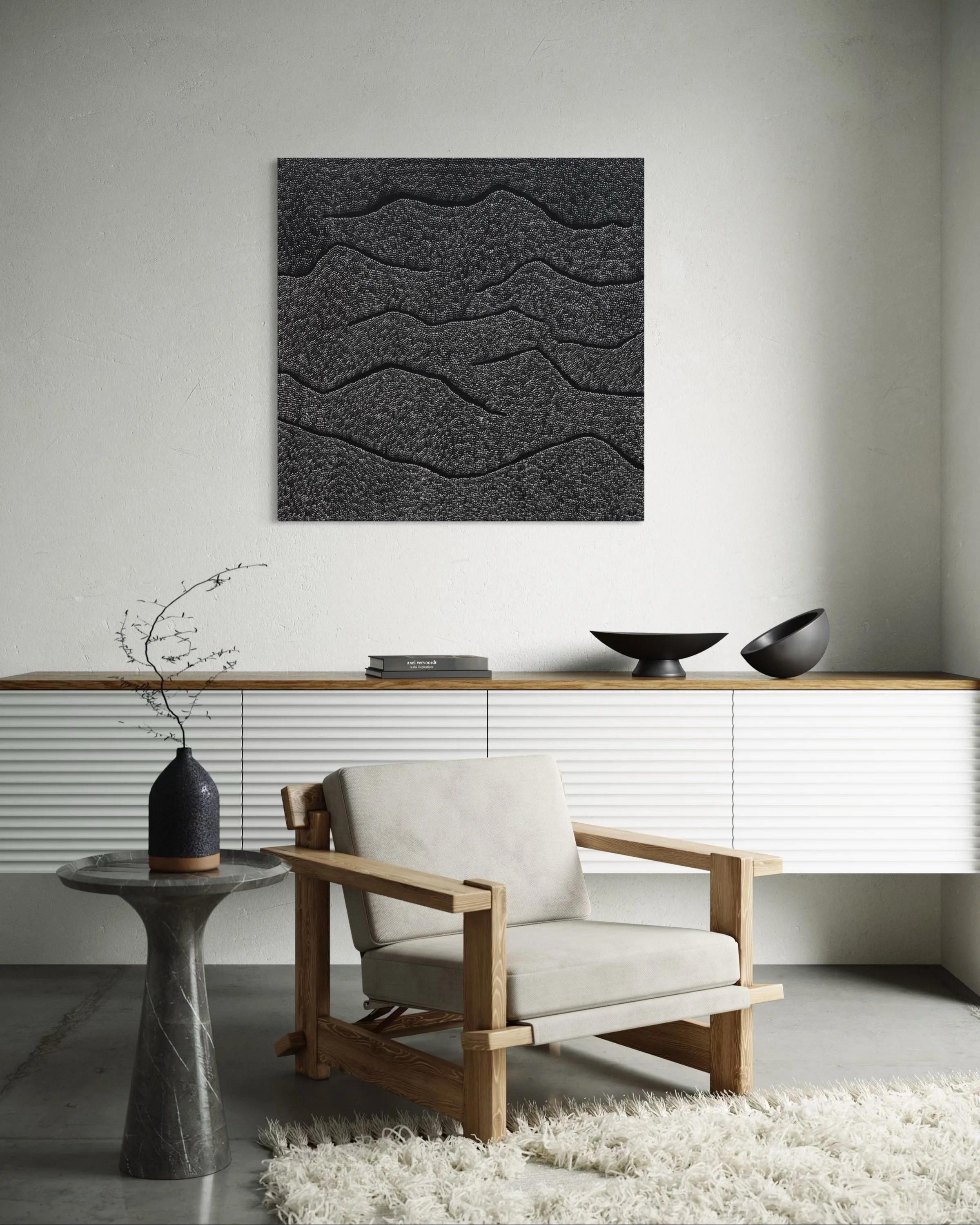
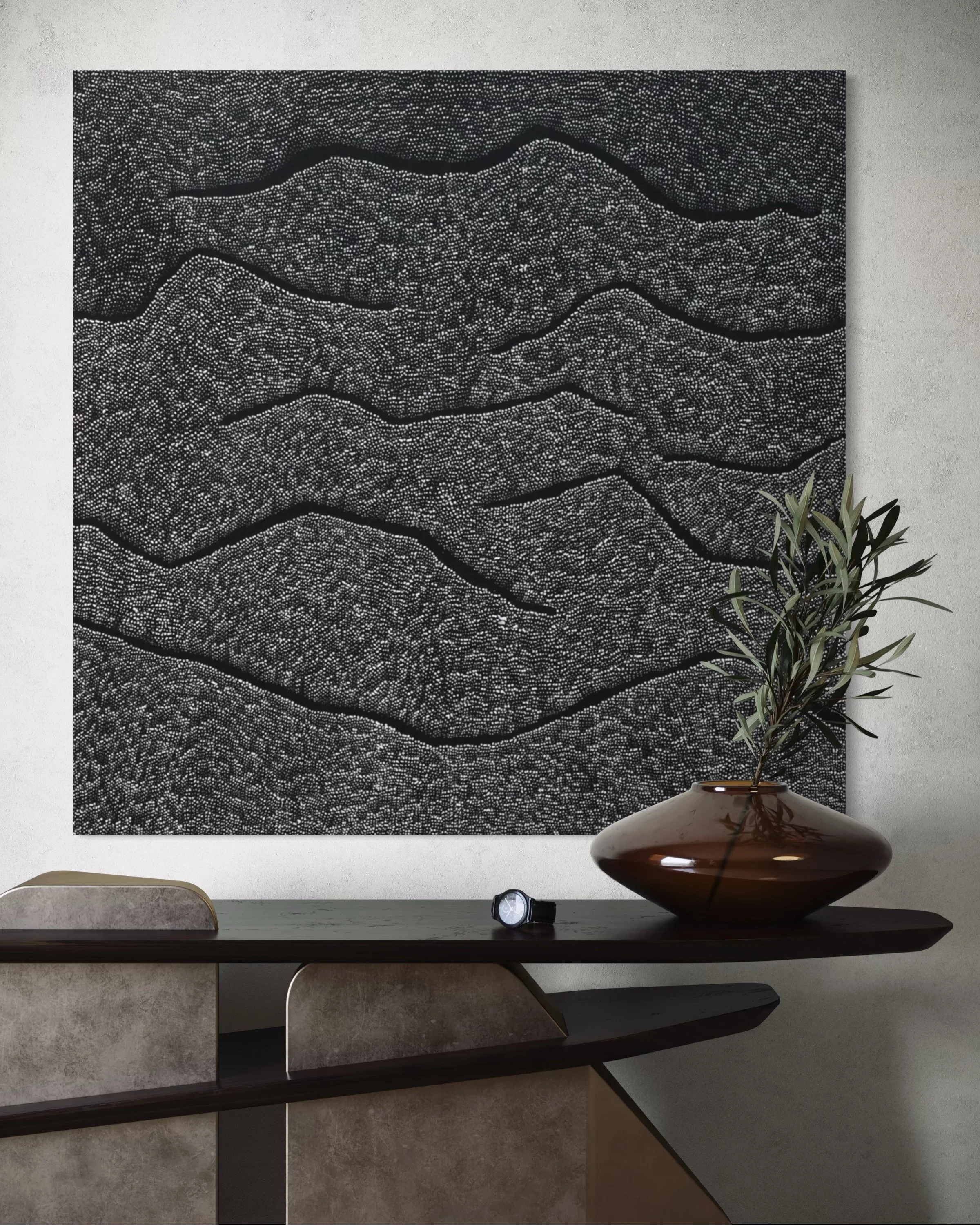
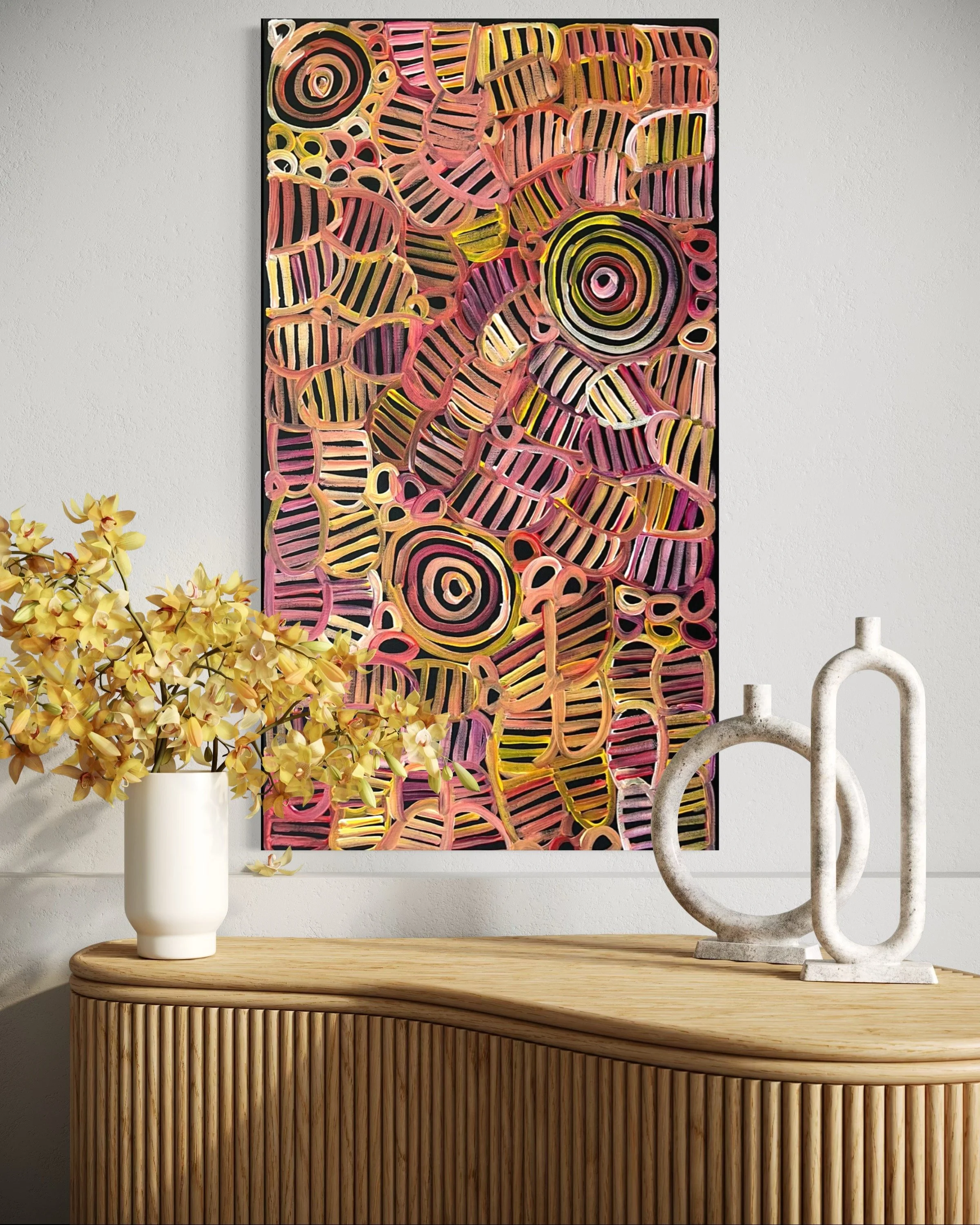
Bienvenue dans notre galerie en ligne dédiée à la peinture aborigène australienne. Chaque tableau aborigène présenté ici est une œuvre originale, créée par un artiste du désert central, d'Utopia ou du Kimberley, et accompagnée d'un certificat d'authenticité qui retrace sa provenance. Nous travaillons exclusivement avec des centres d'art reconnus, signataires de l'Indigenous Art Code, pour garantir une acquisition éthique.
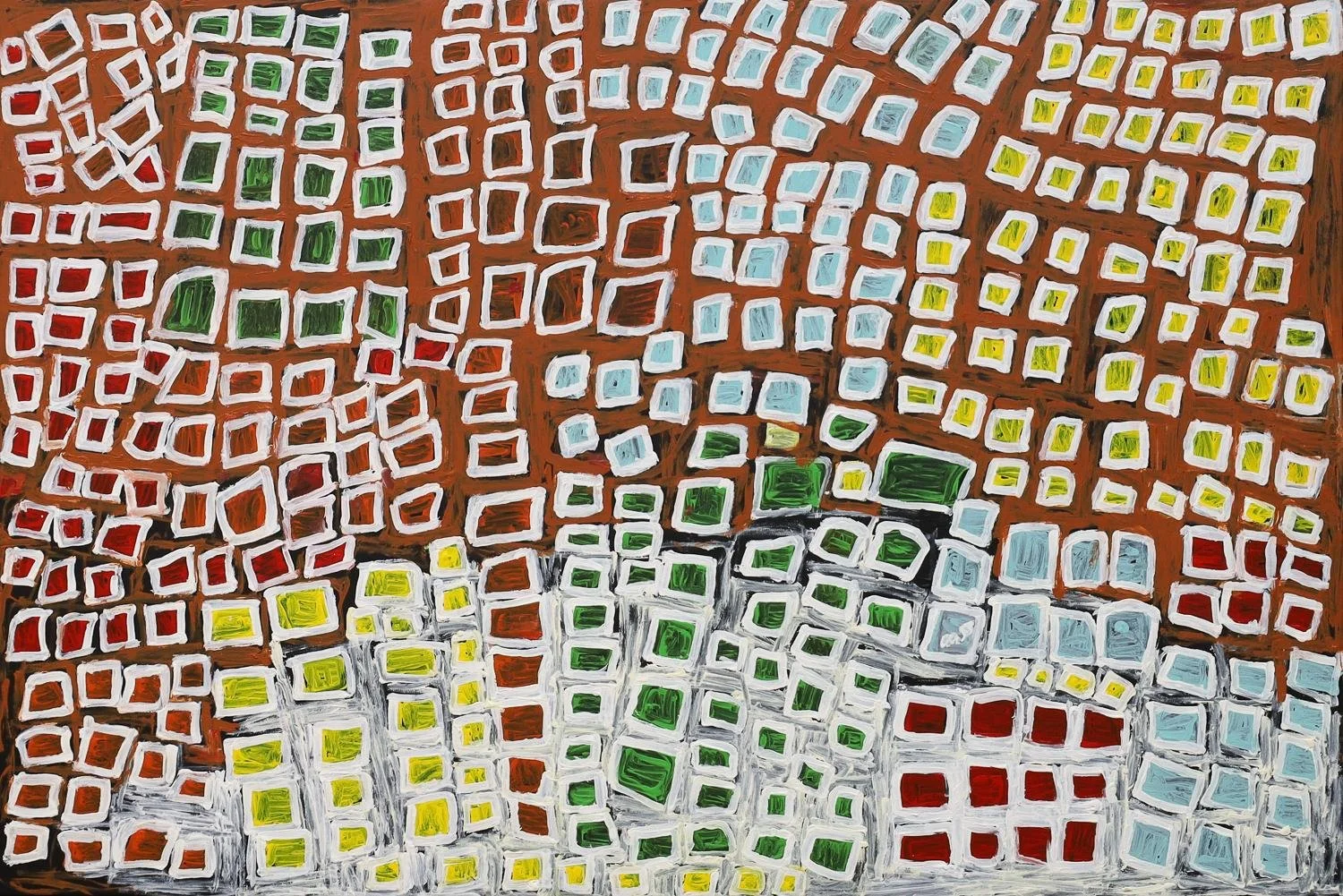
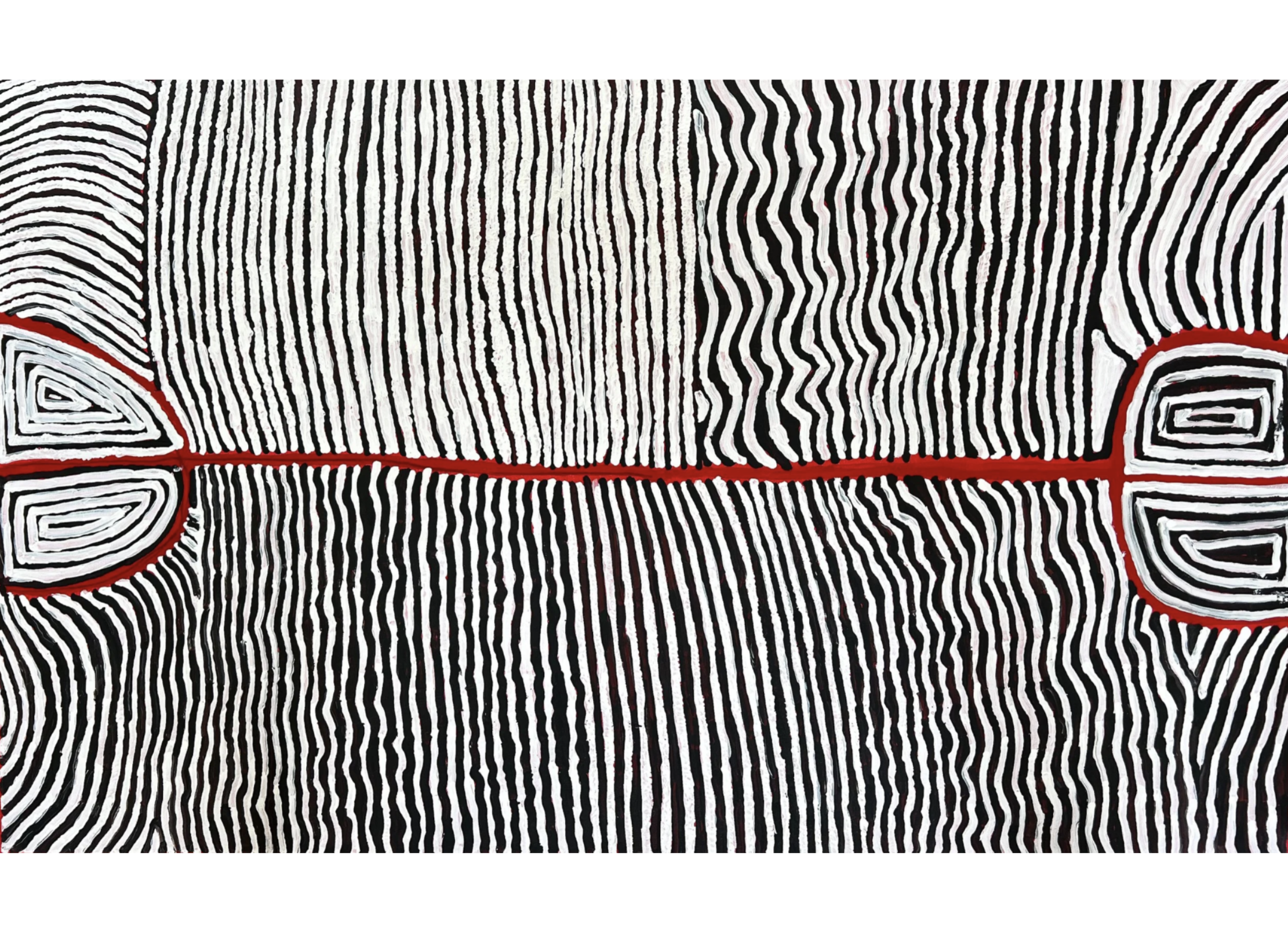
Bien plus qu'un art décoratif, l'art aborigène est un langage : derrière chaque motif se cachent des récits du Temps du Rêve et une cartographie symbolique du territoire. Que vous découvriez l'art des aborigènes ou que vous cherchiez une pièce précise pour votre intérieur, parcourez nos œuvres disponibles ci-dessous, ou laissez-vous guider par nos artistes et notre guide pour lire une peinture aborigène.
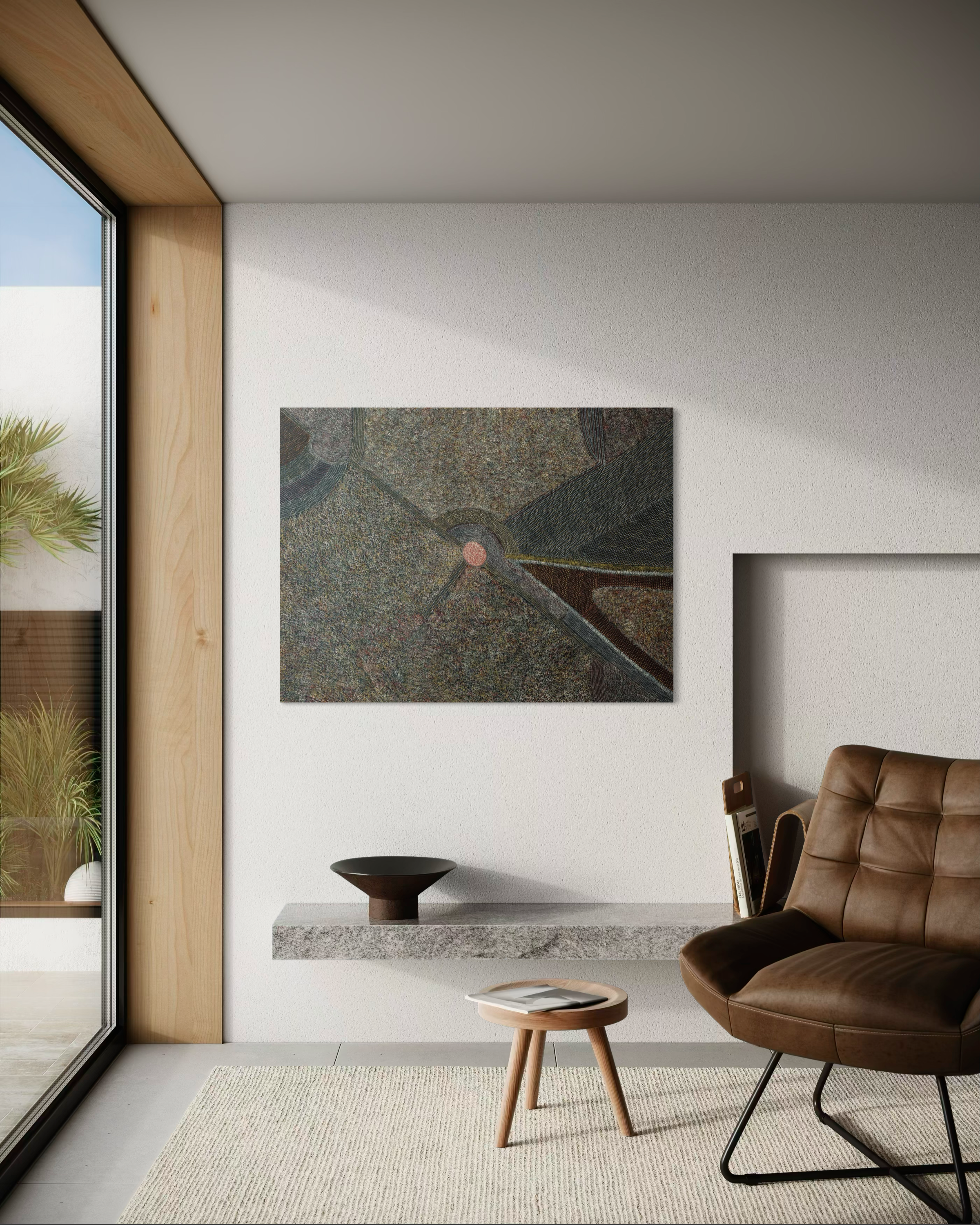
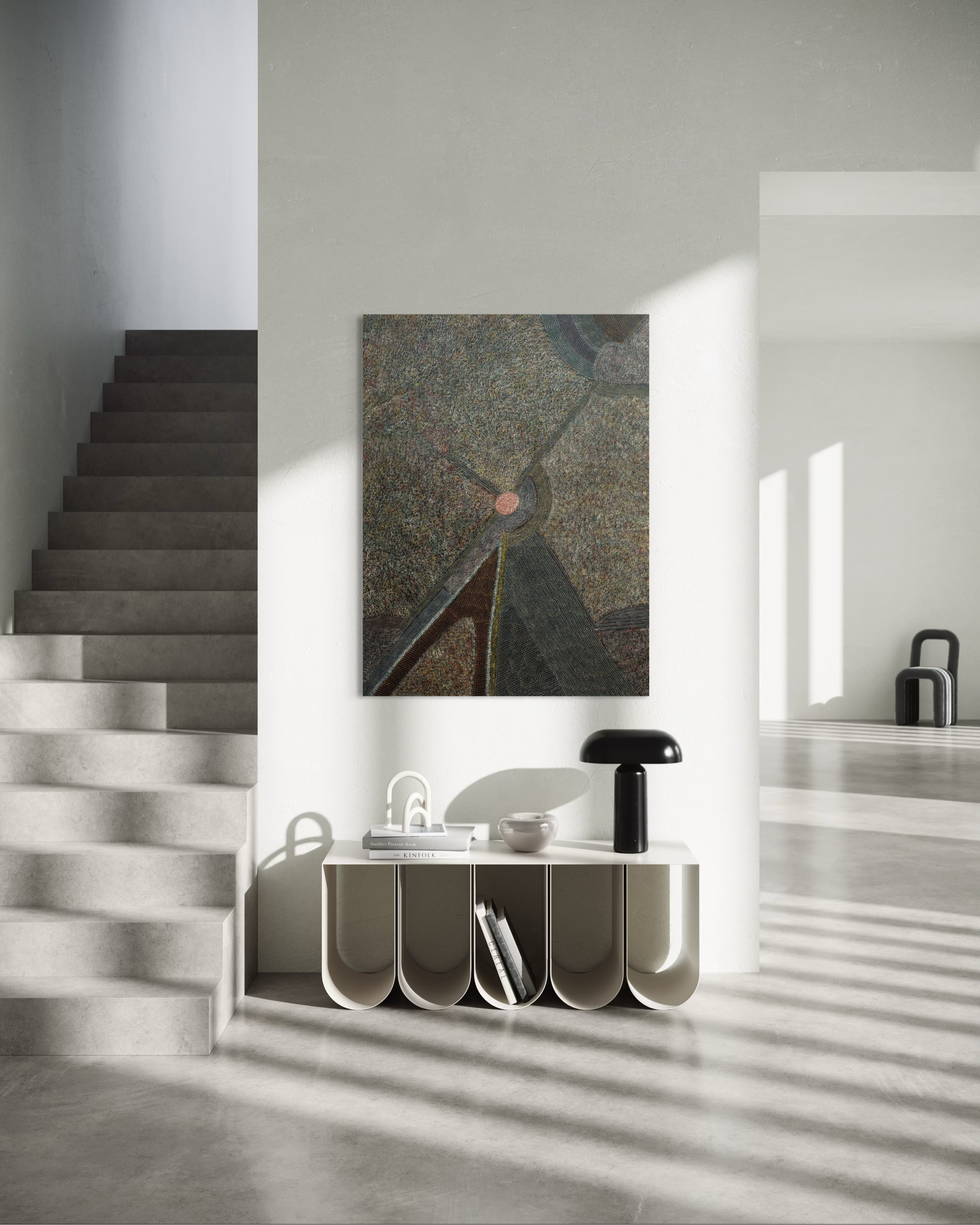
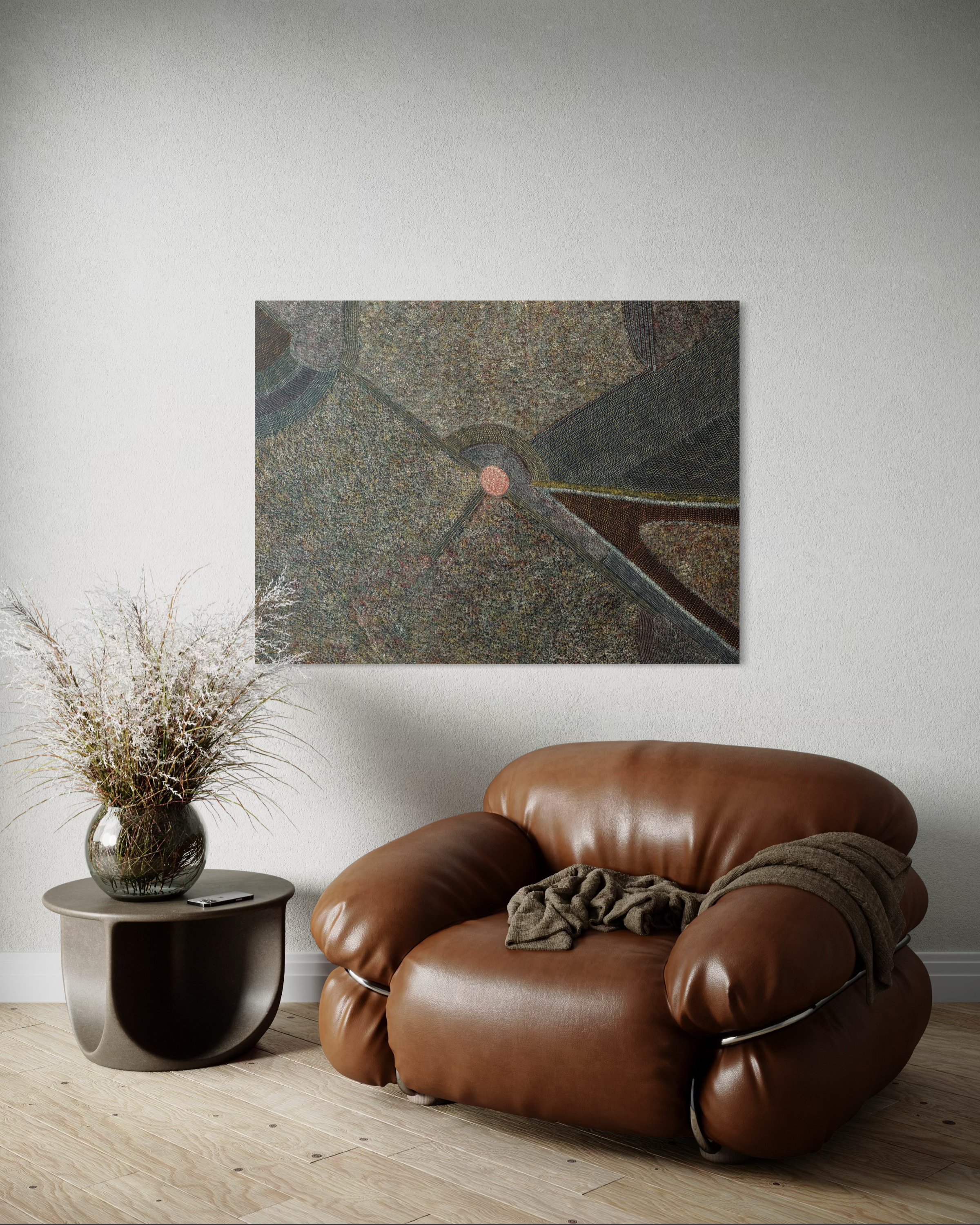
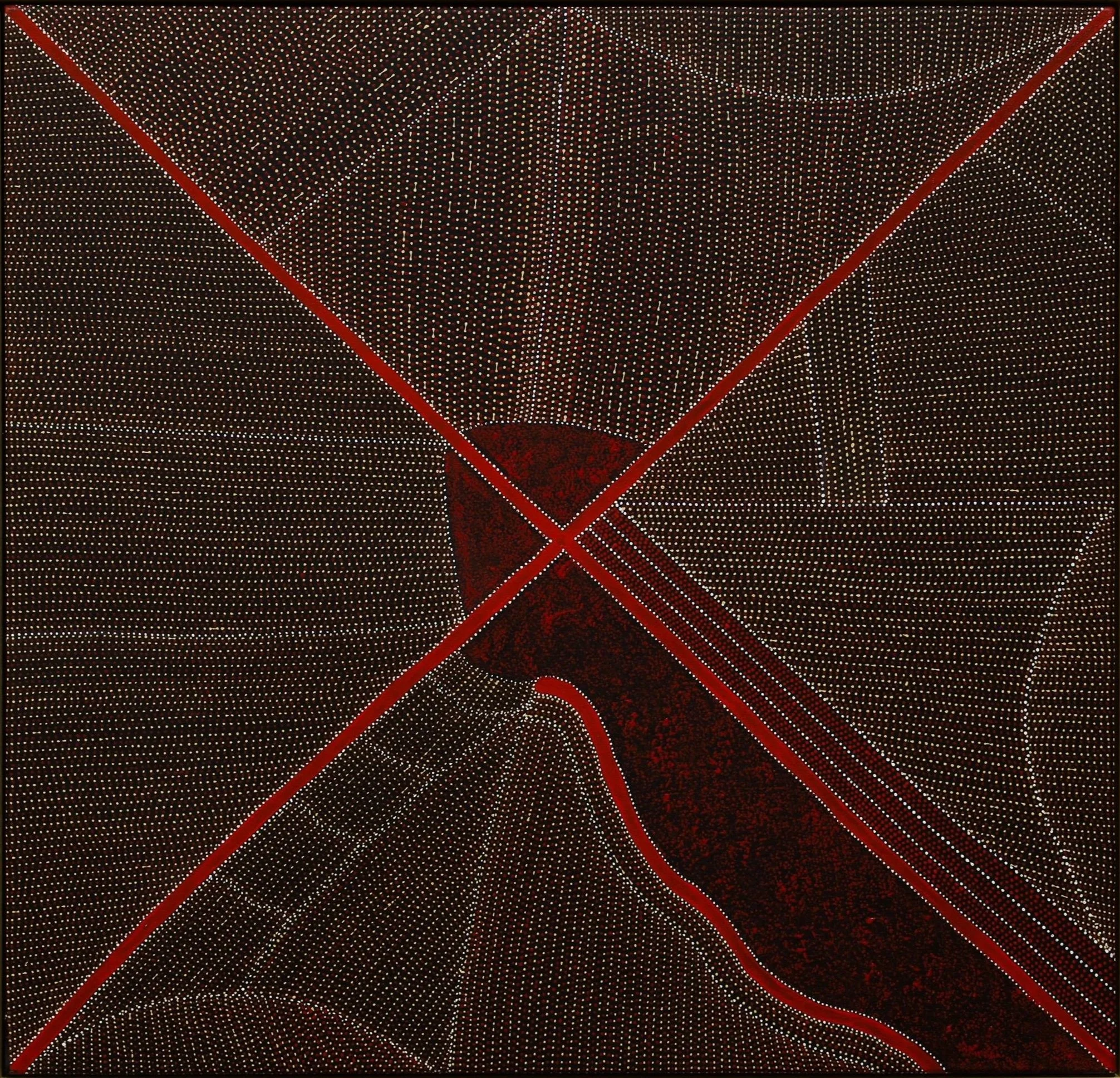
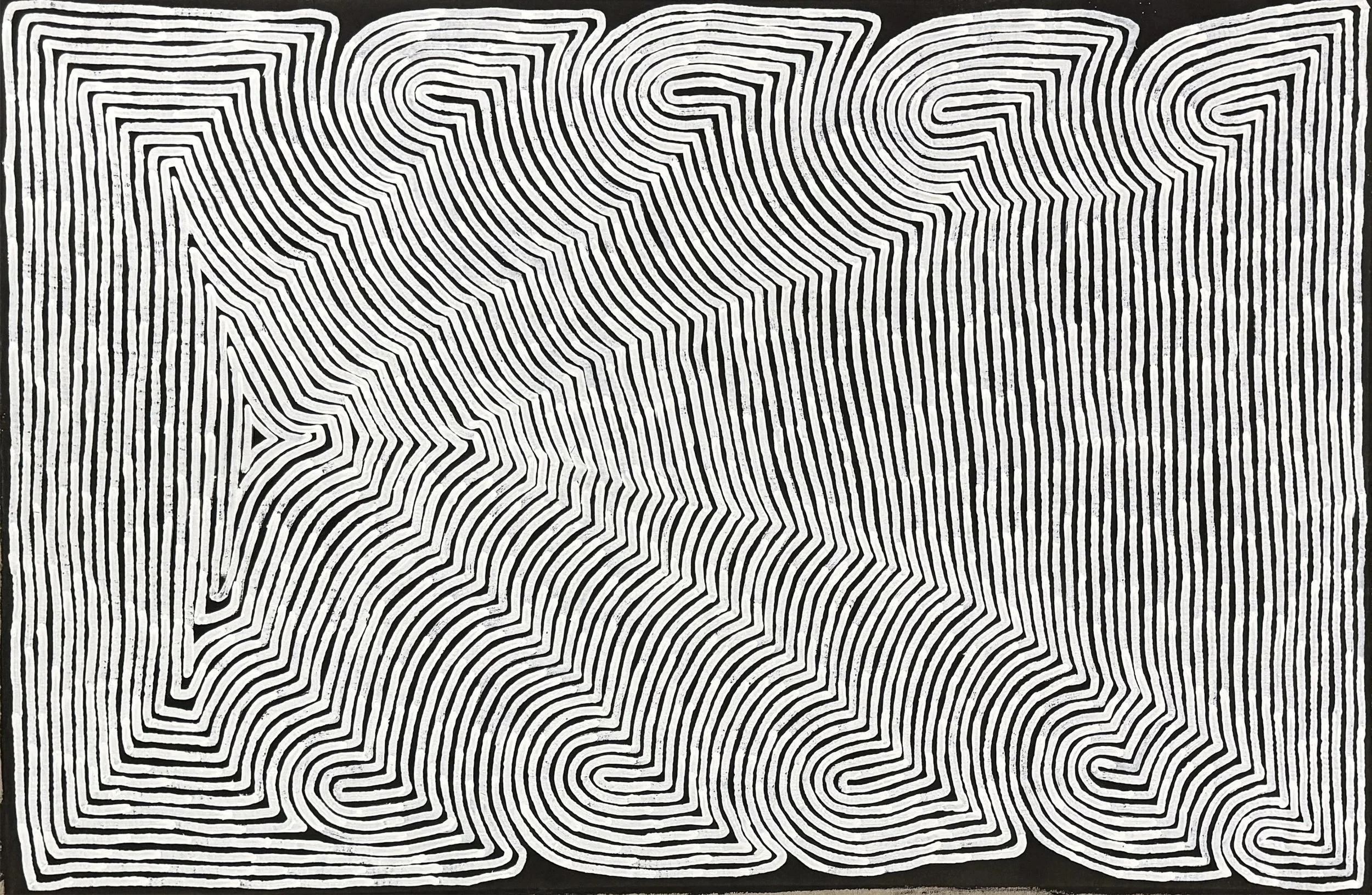
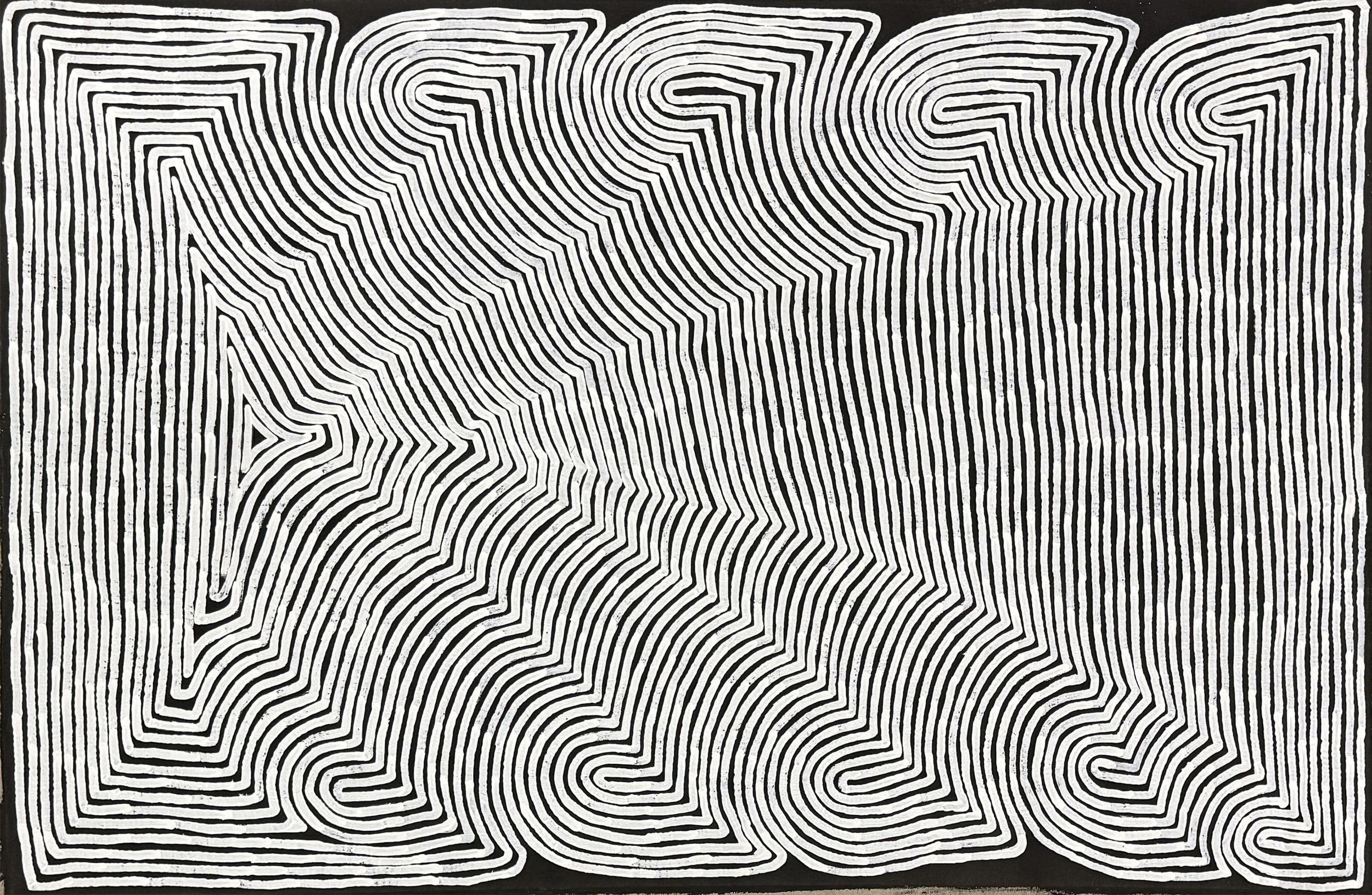
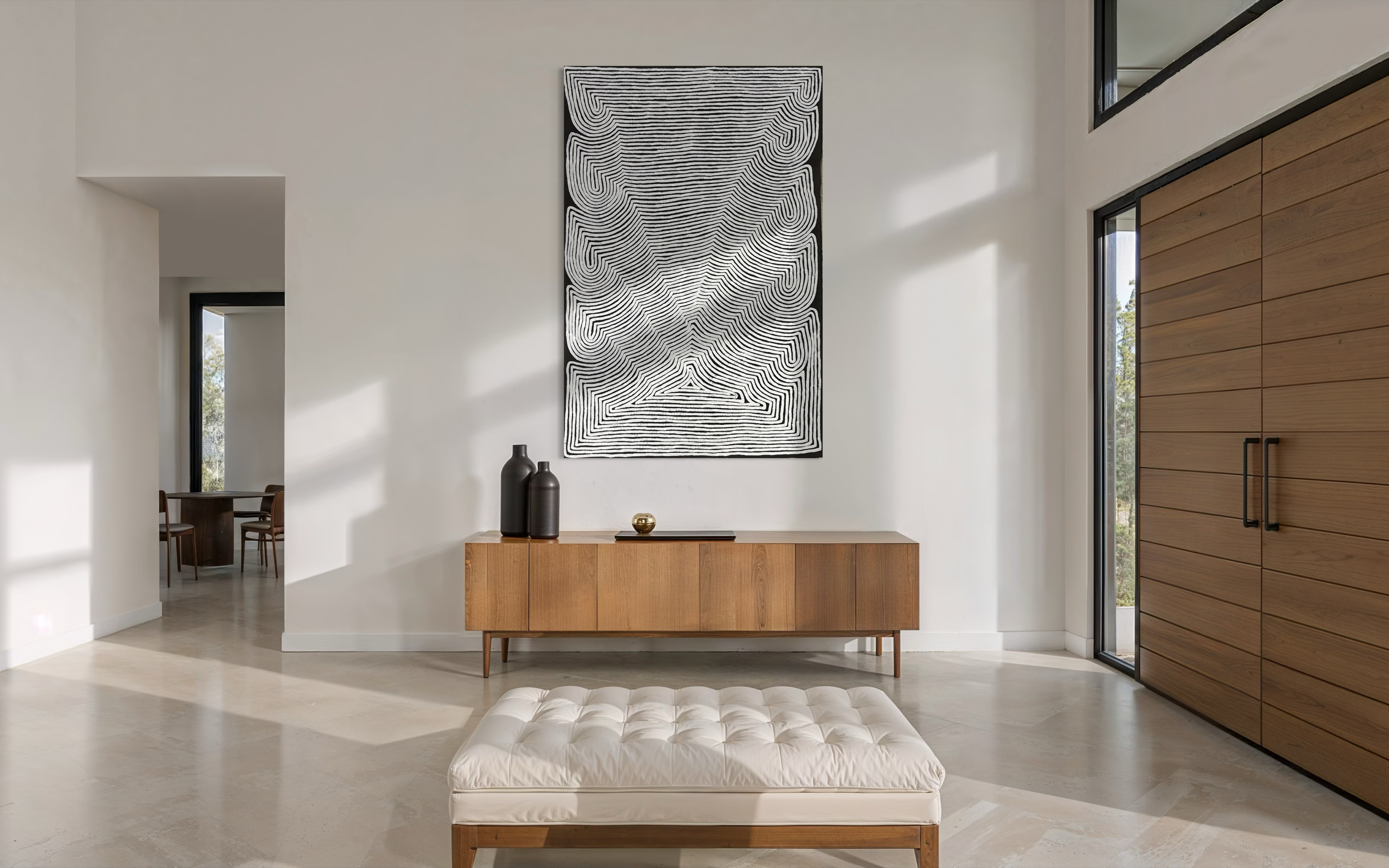
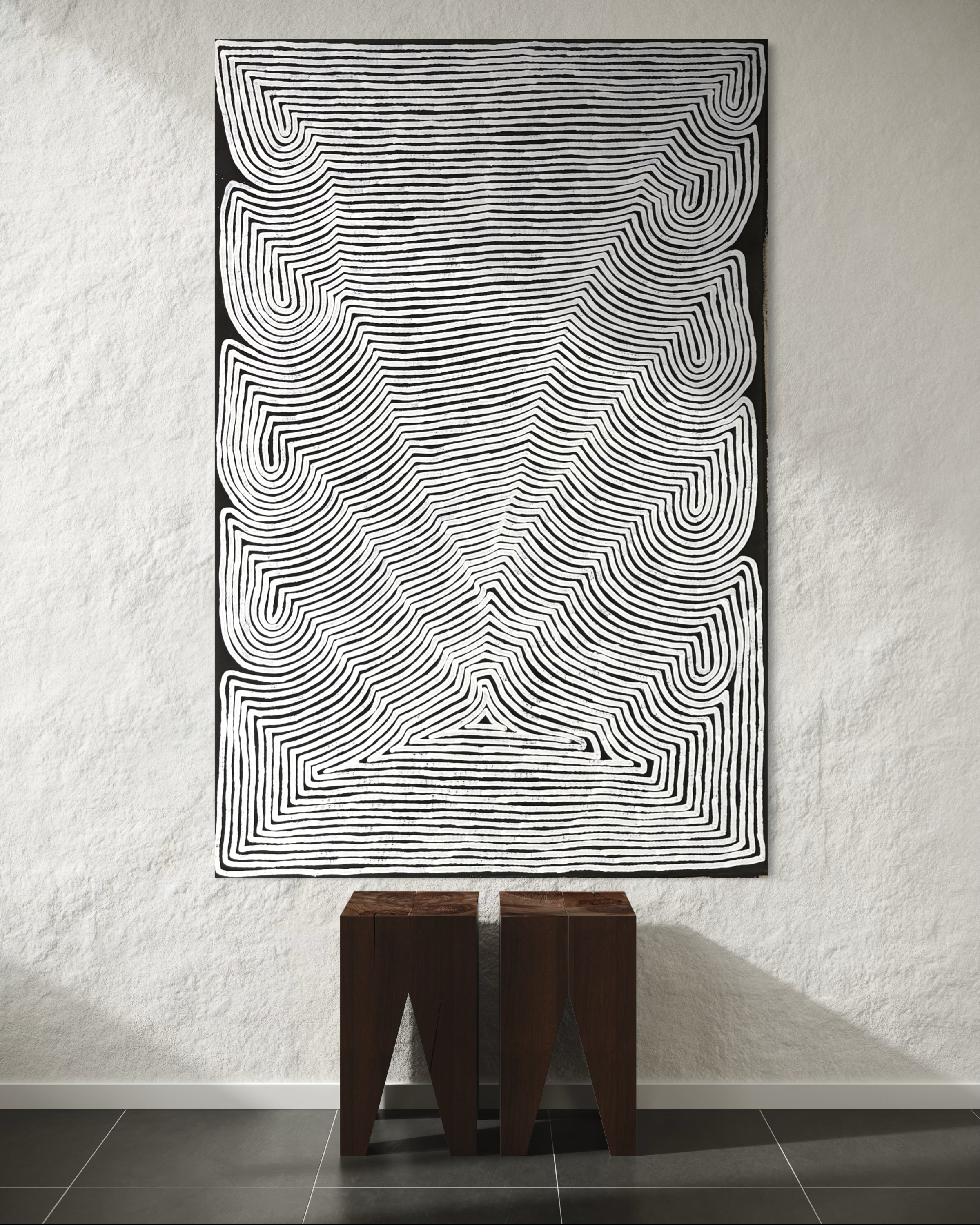
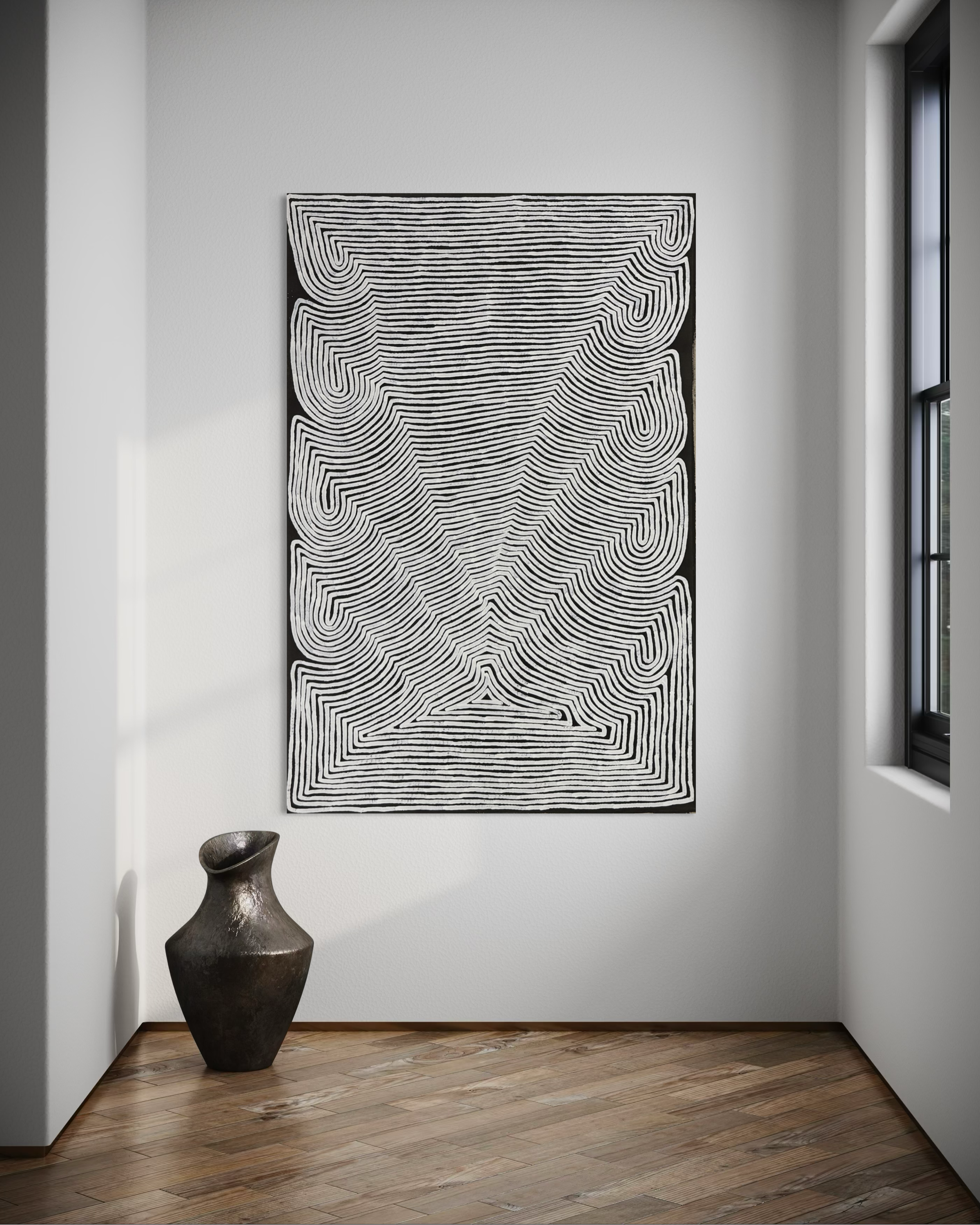
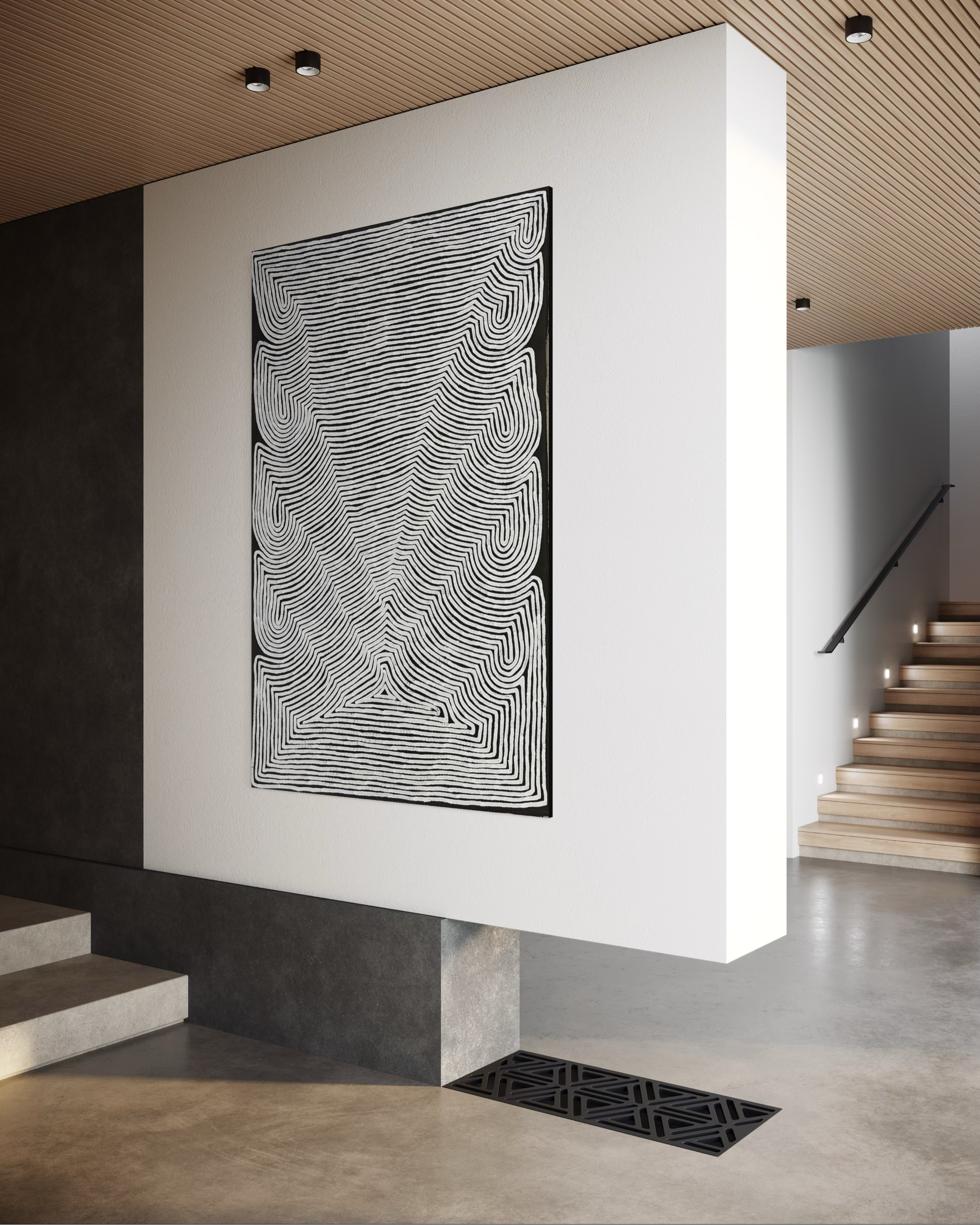
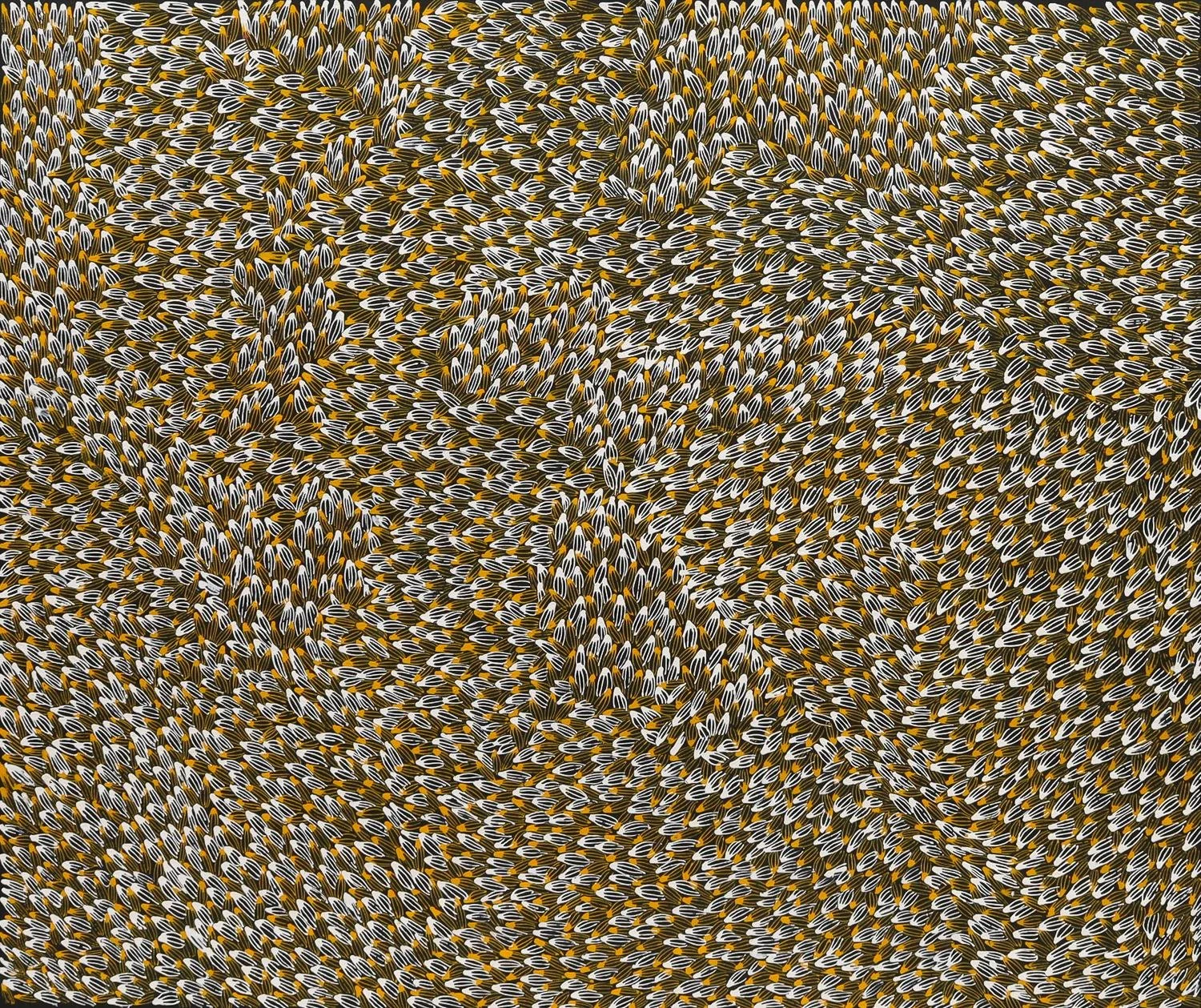
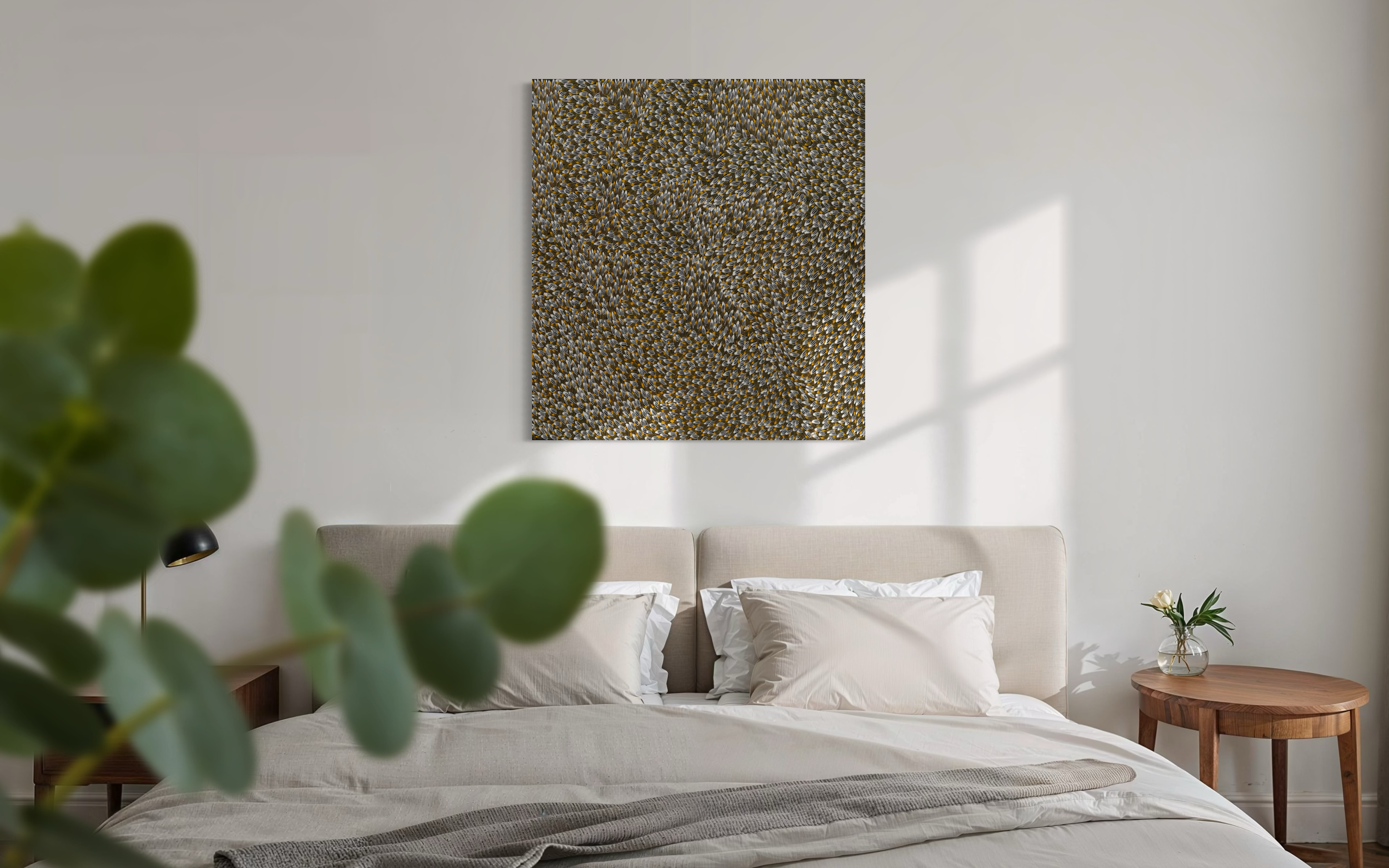
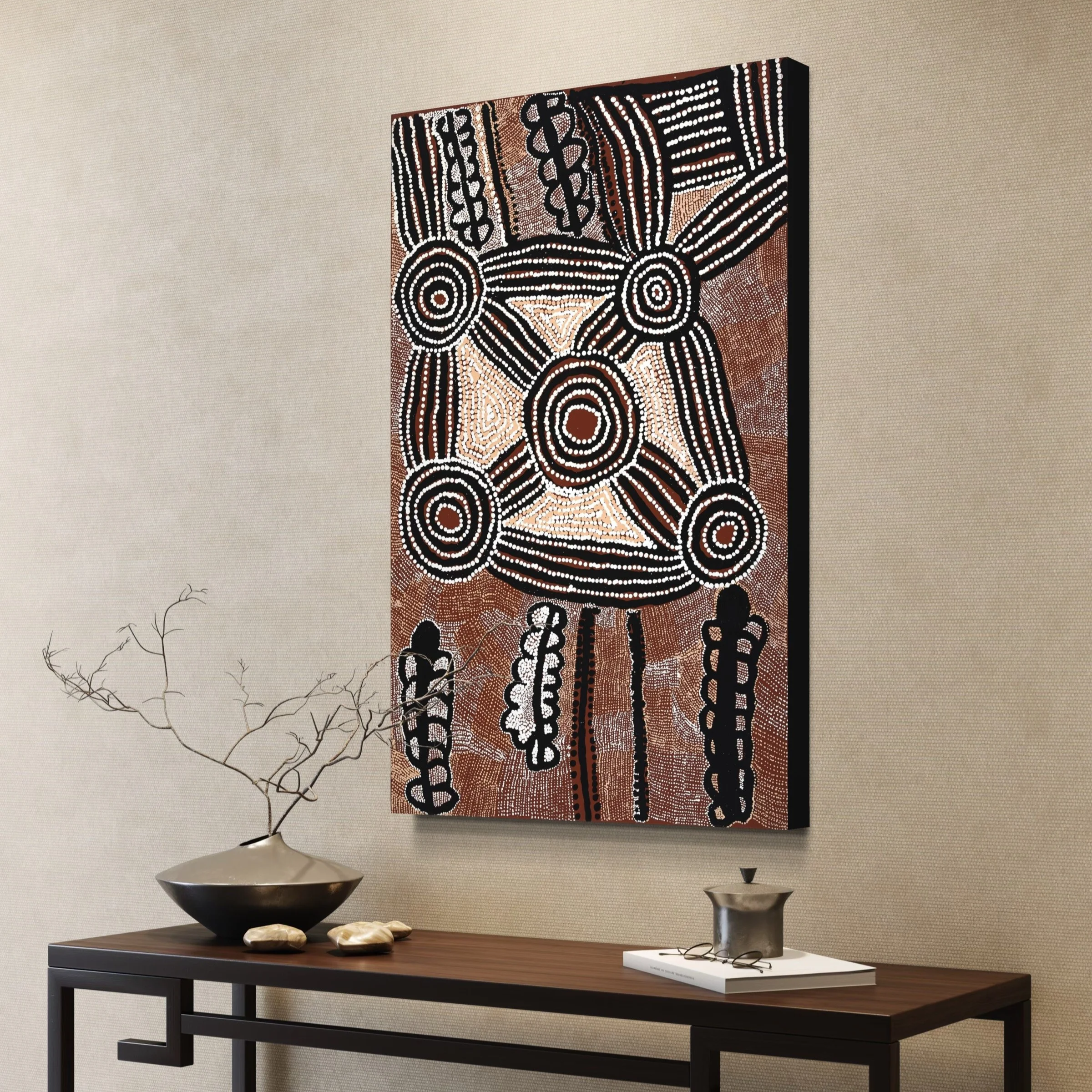
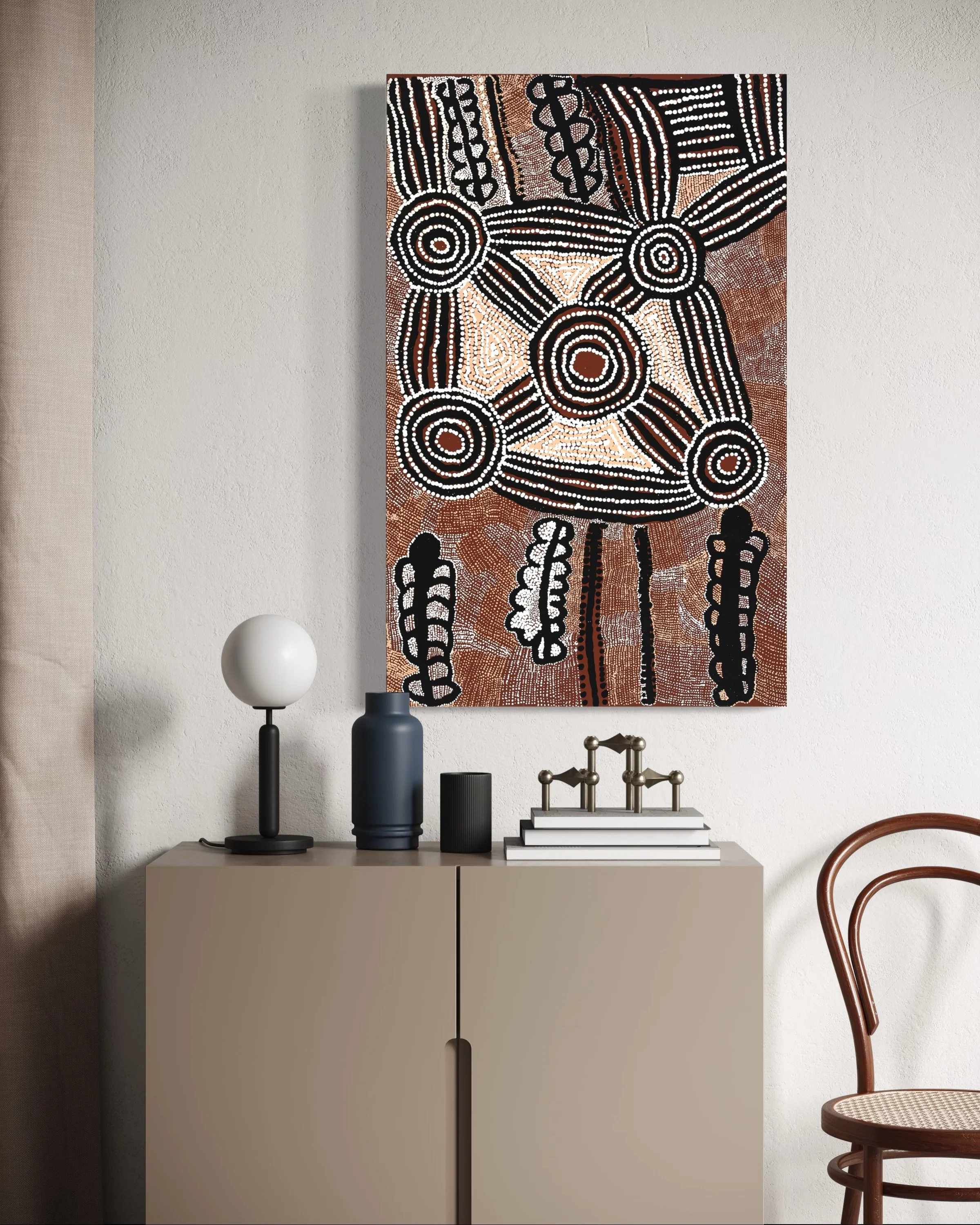
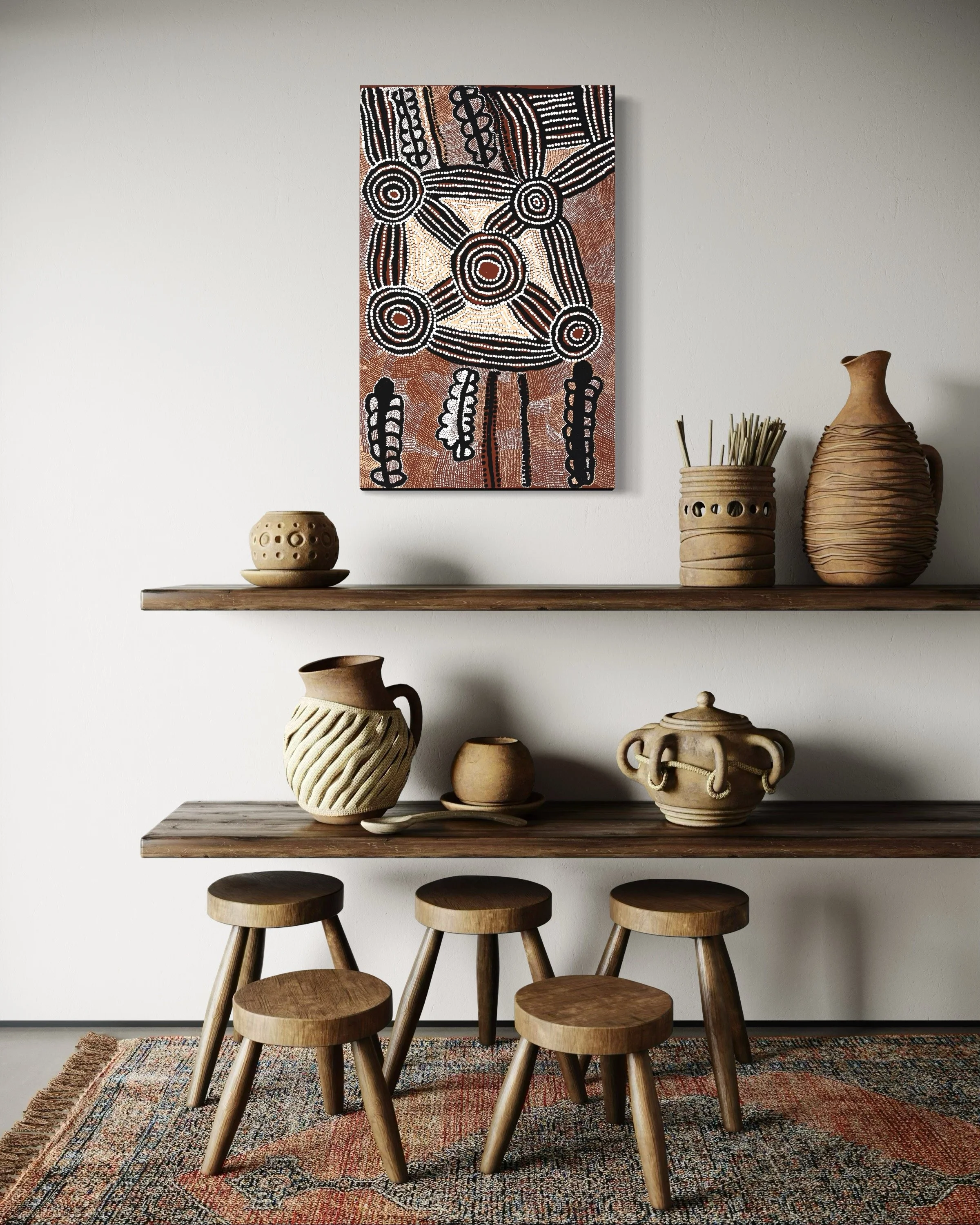
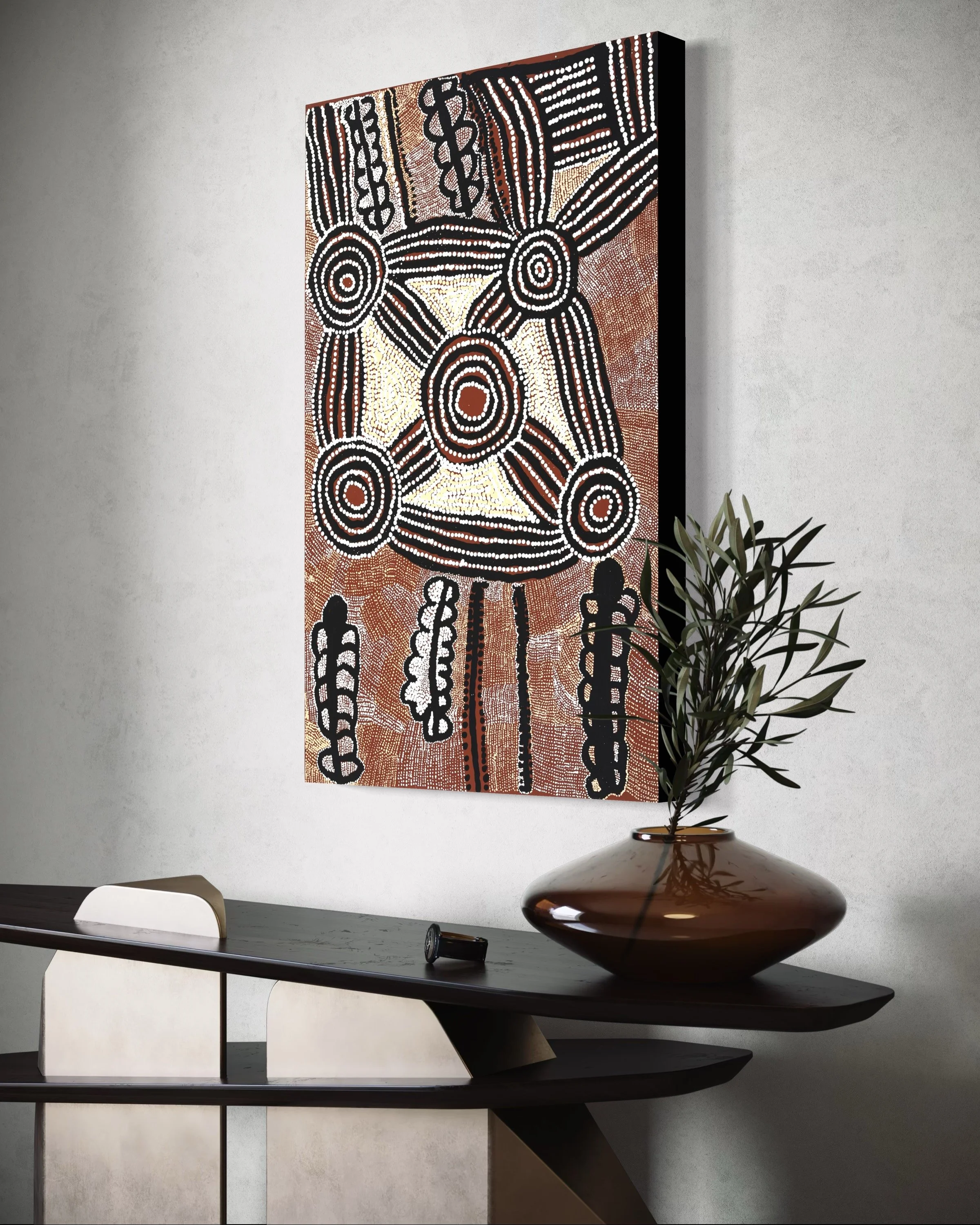

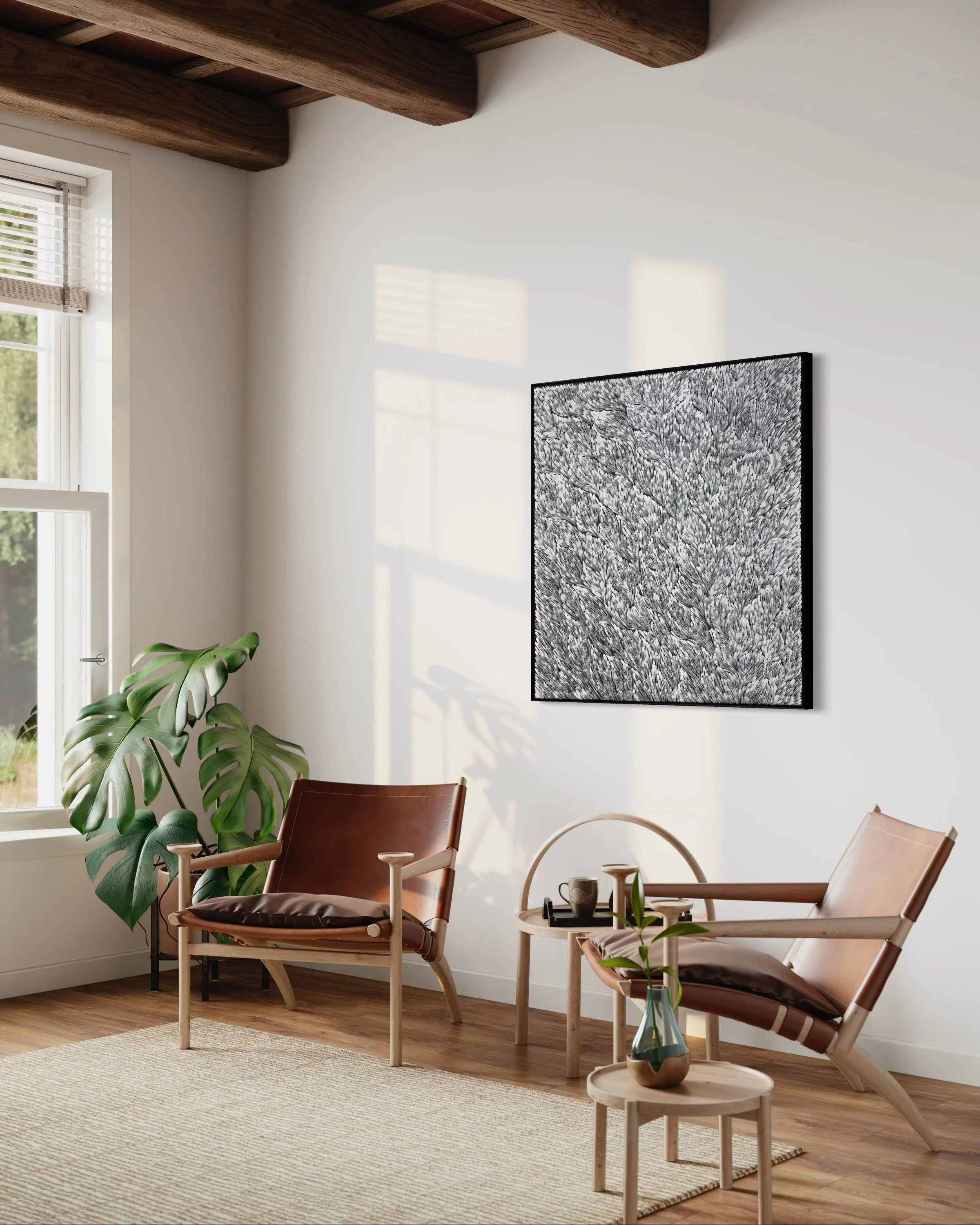


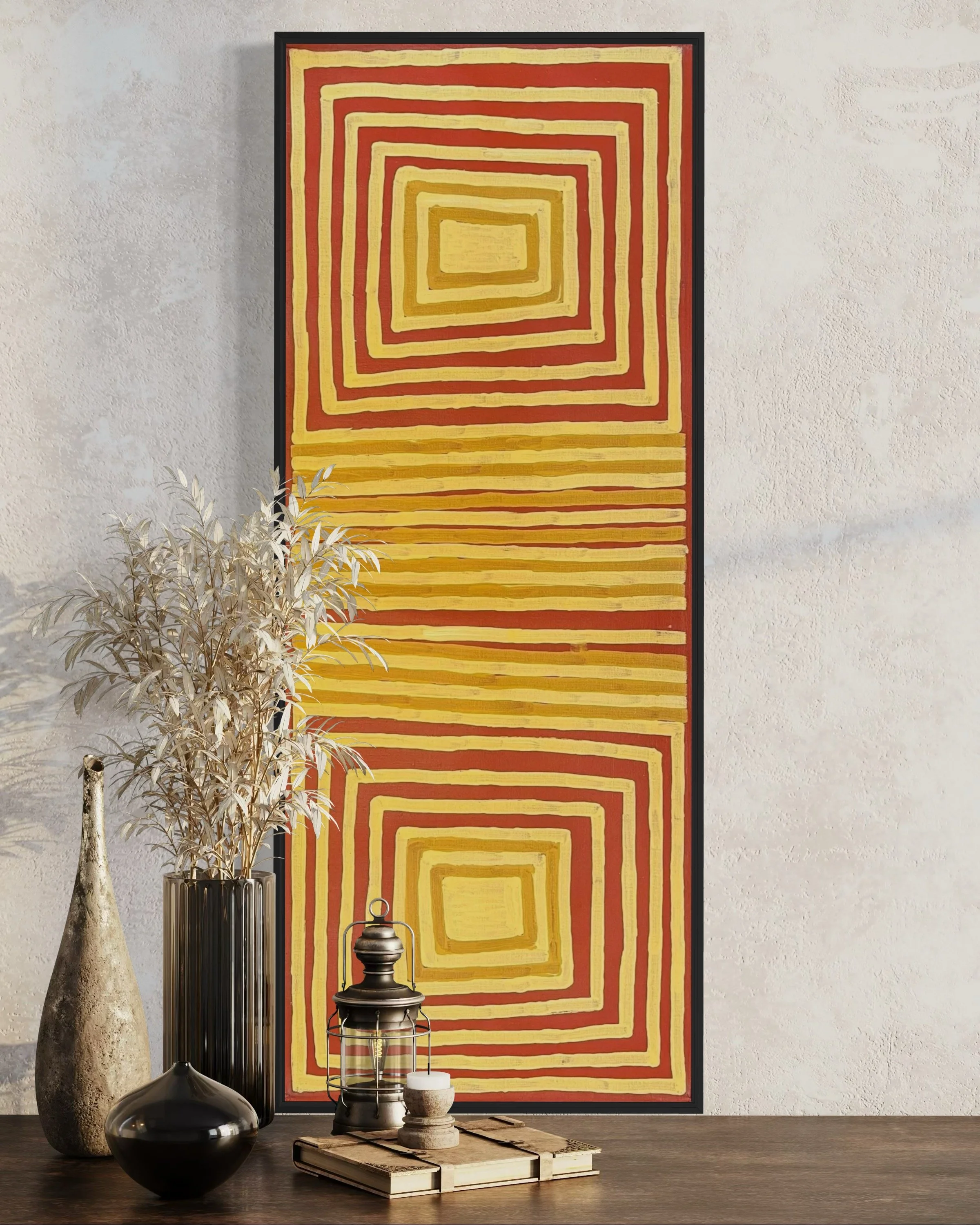
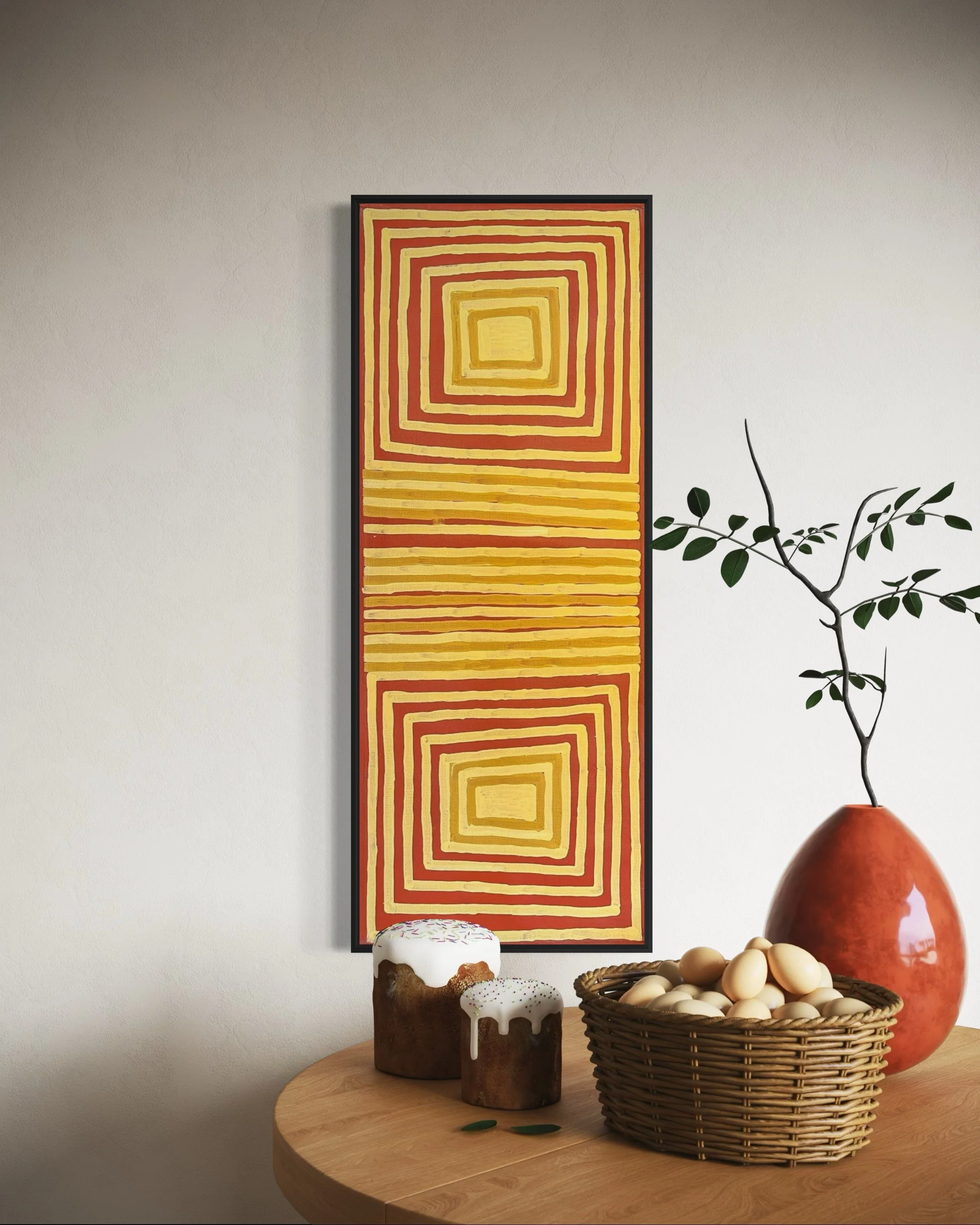

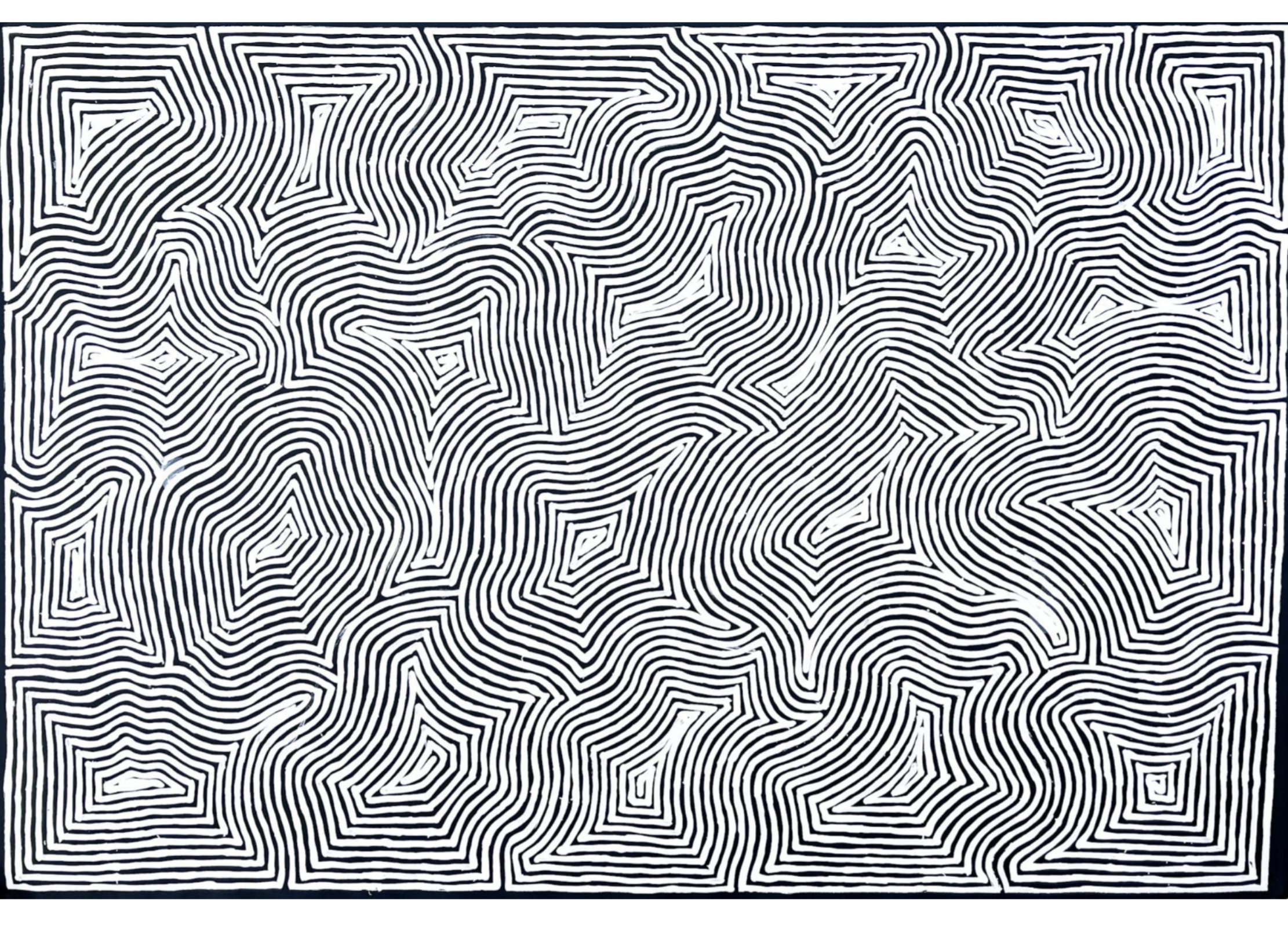





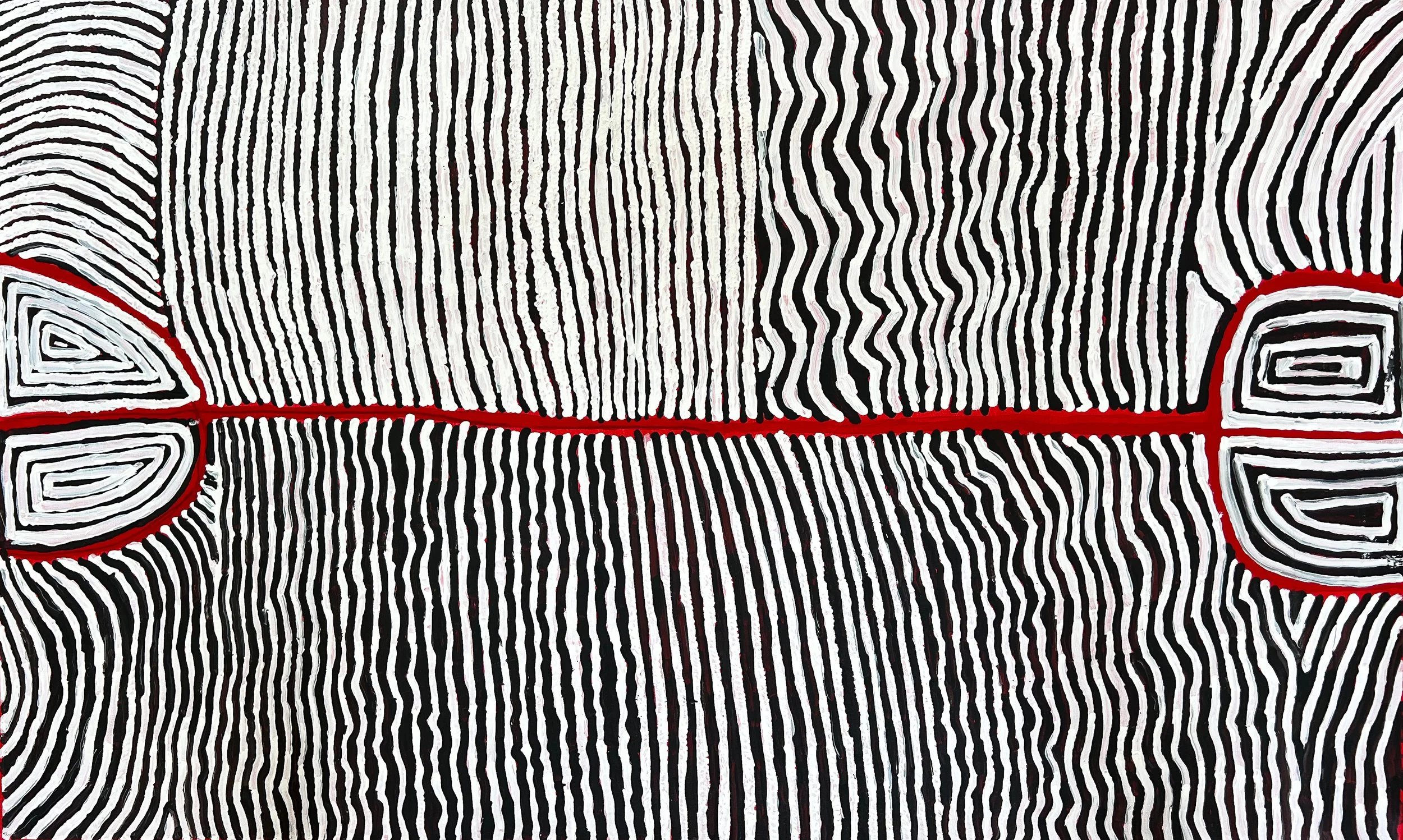
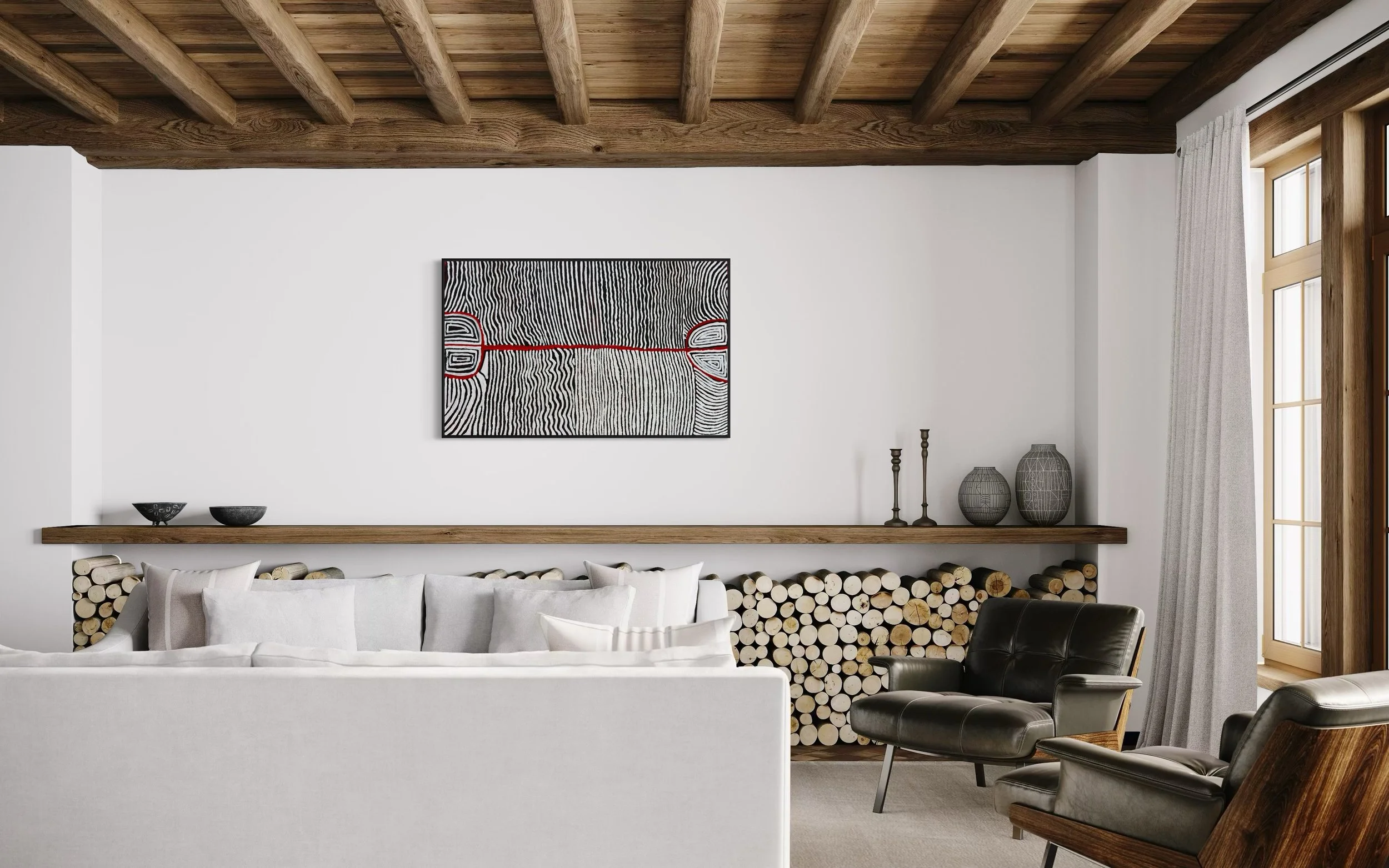
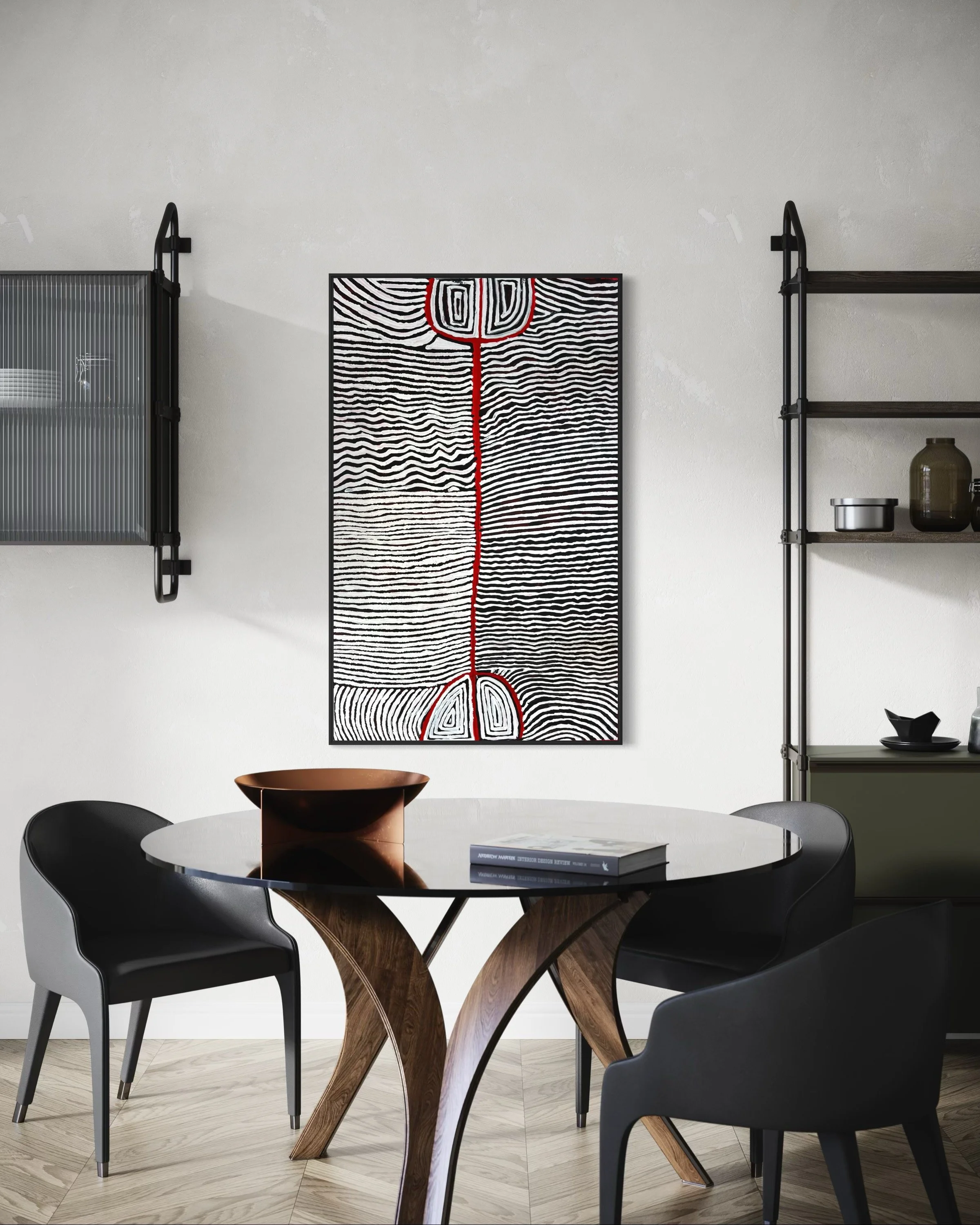
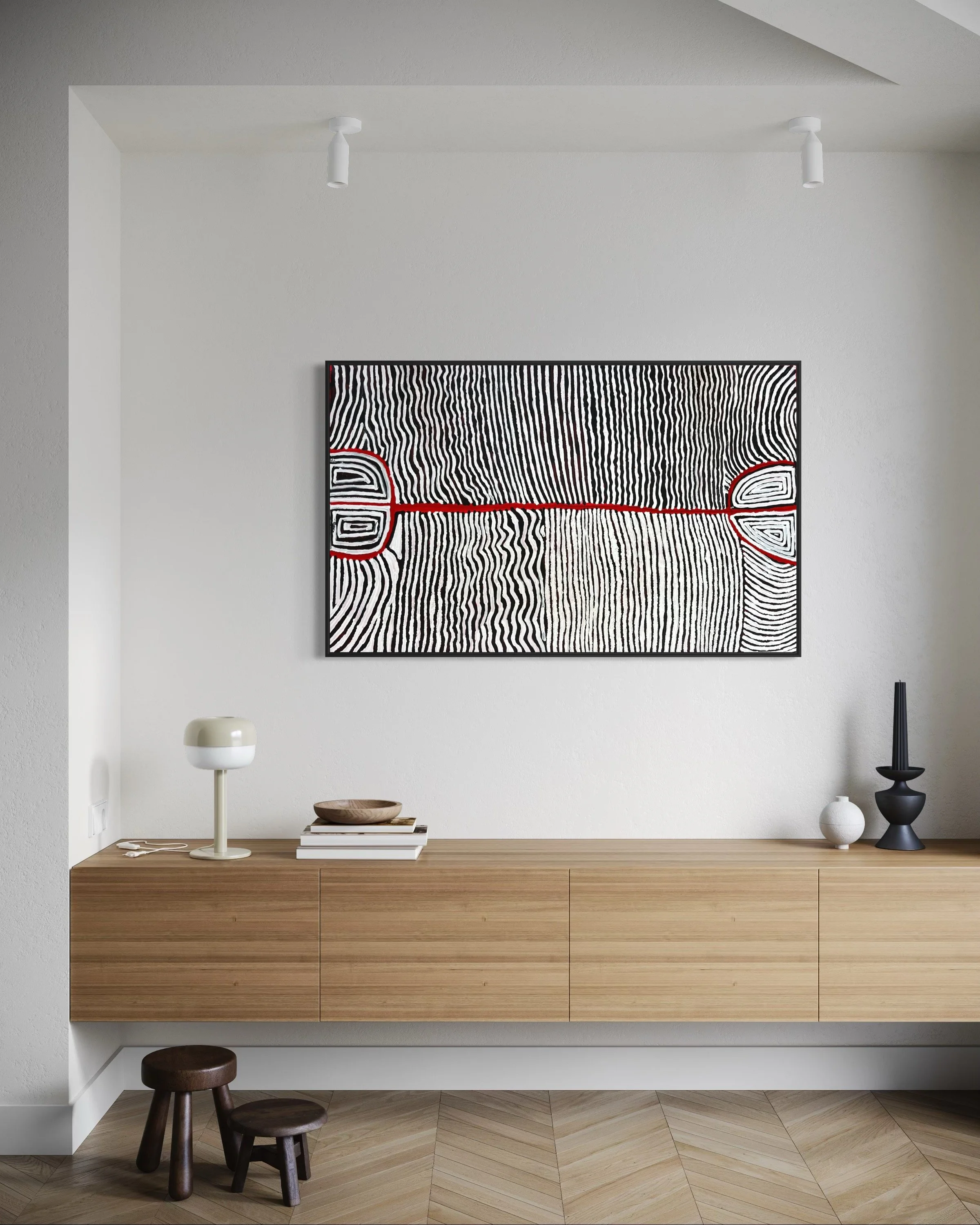




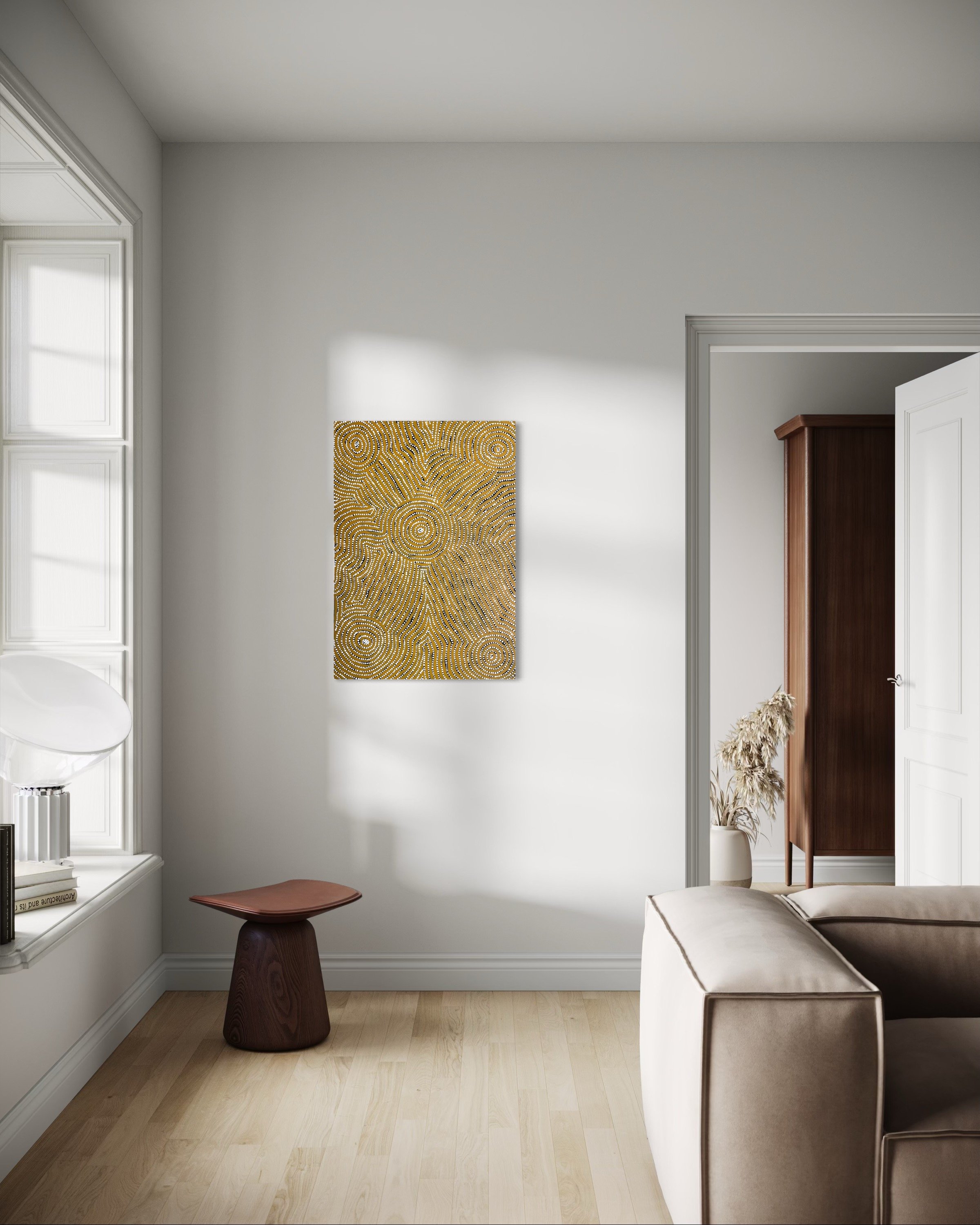
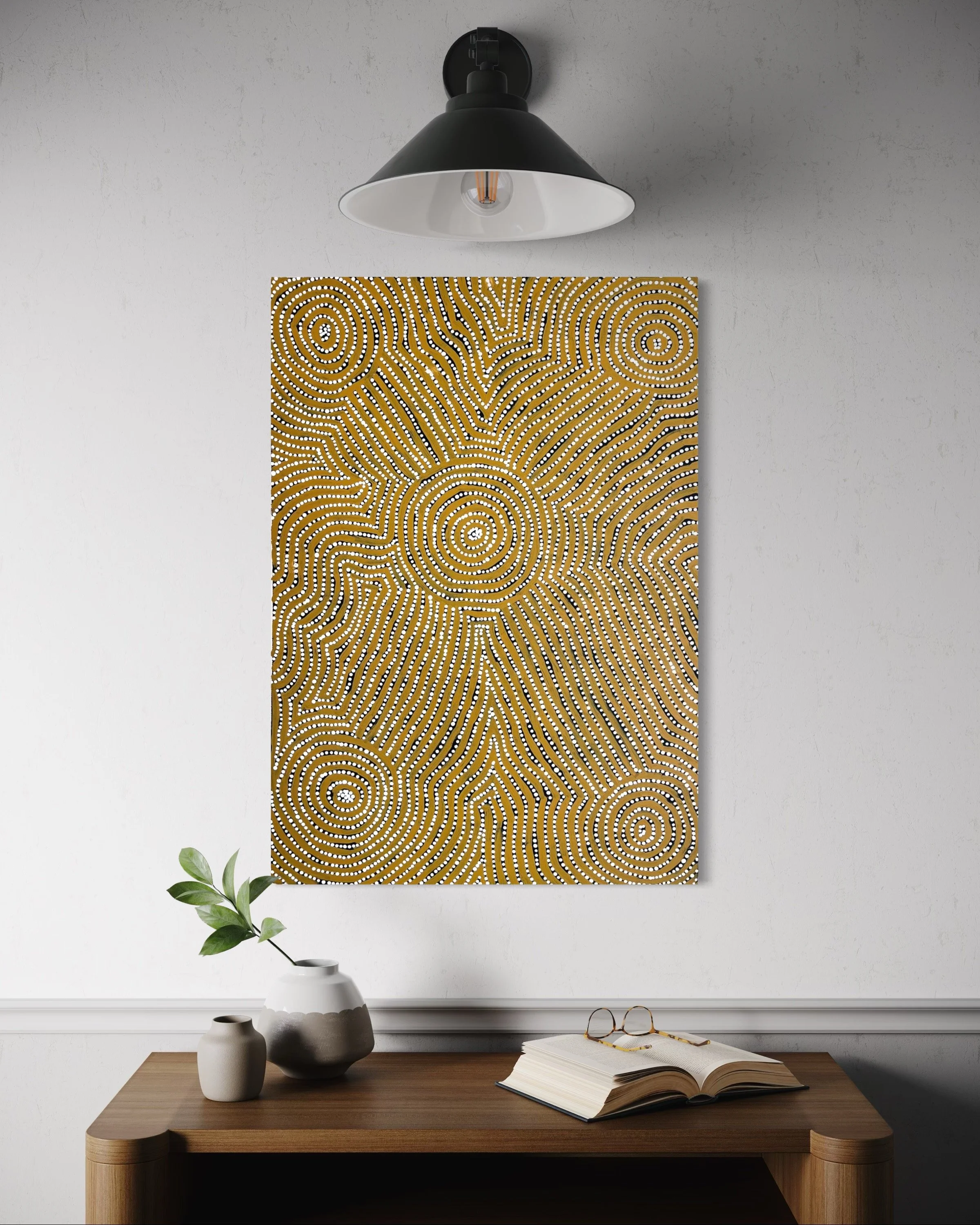
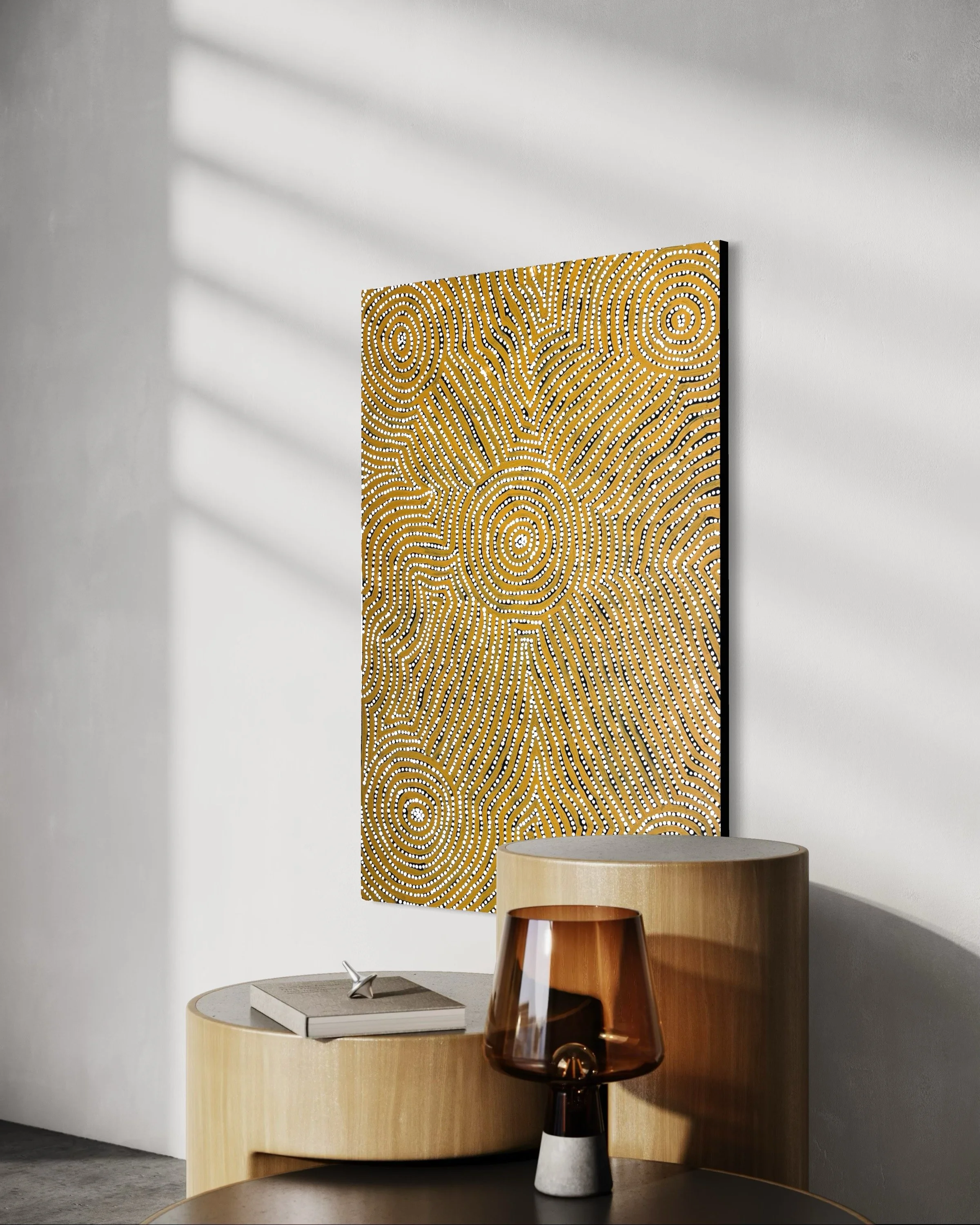
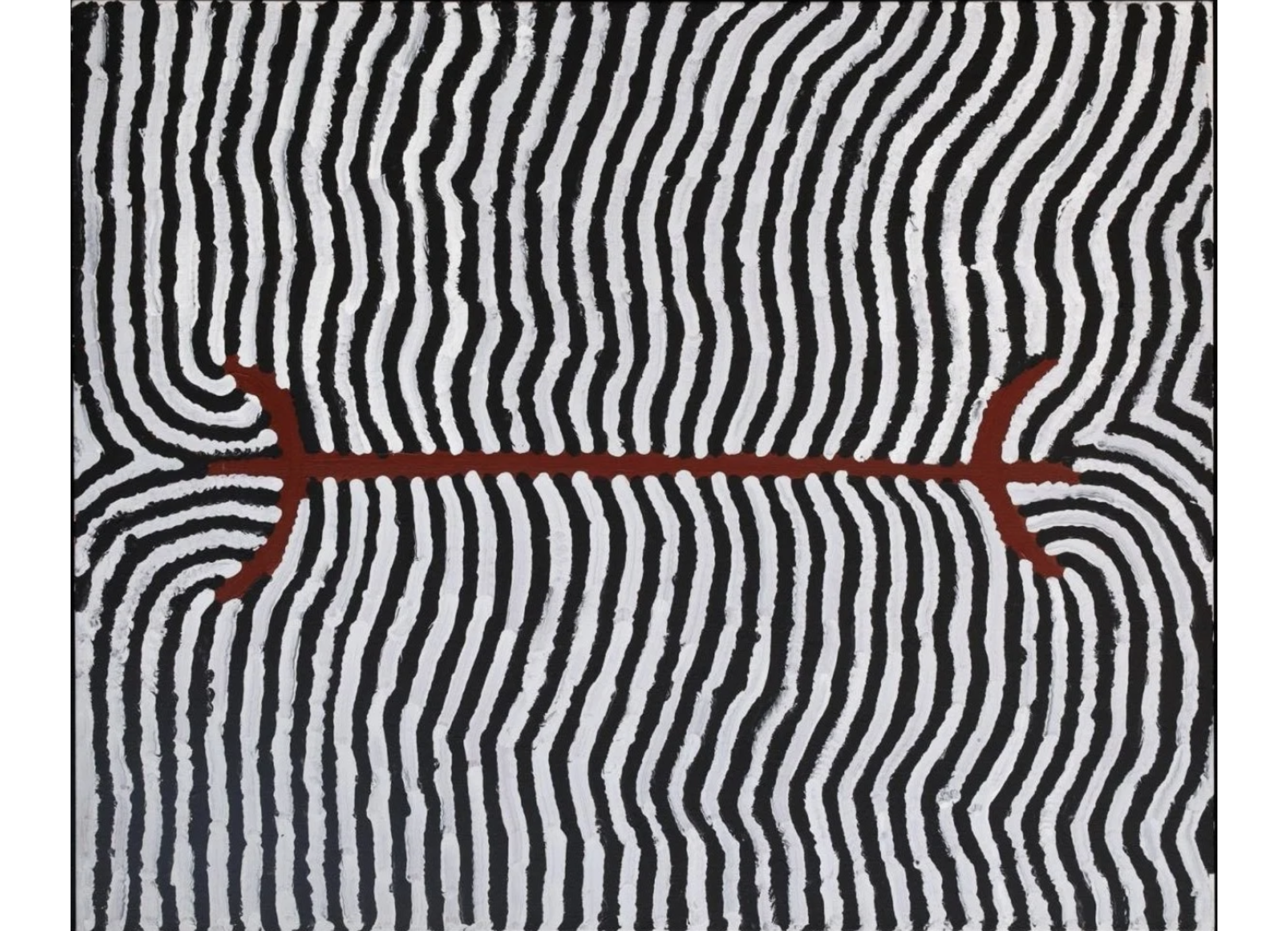














Questions about our artworks?
-
The artists whose works we present are Australian Aboriginal creators, custodians of a millennia-old cultural heritage and often members of recognized community art centers such as Papunya Tula, Warlukurlangu, or Iwantja Arts. Each artist possesses a unique personal history while sharing a deep attachment to their culture and traditional territory. Their paintings are not mere artistic creations but visual expressions of foundational narratives (Tjukurrpa), testifying to their spiritual connection to ancestral lands and perpetuating knowledge passed down through generations.
-
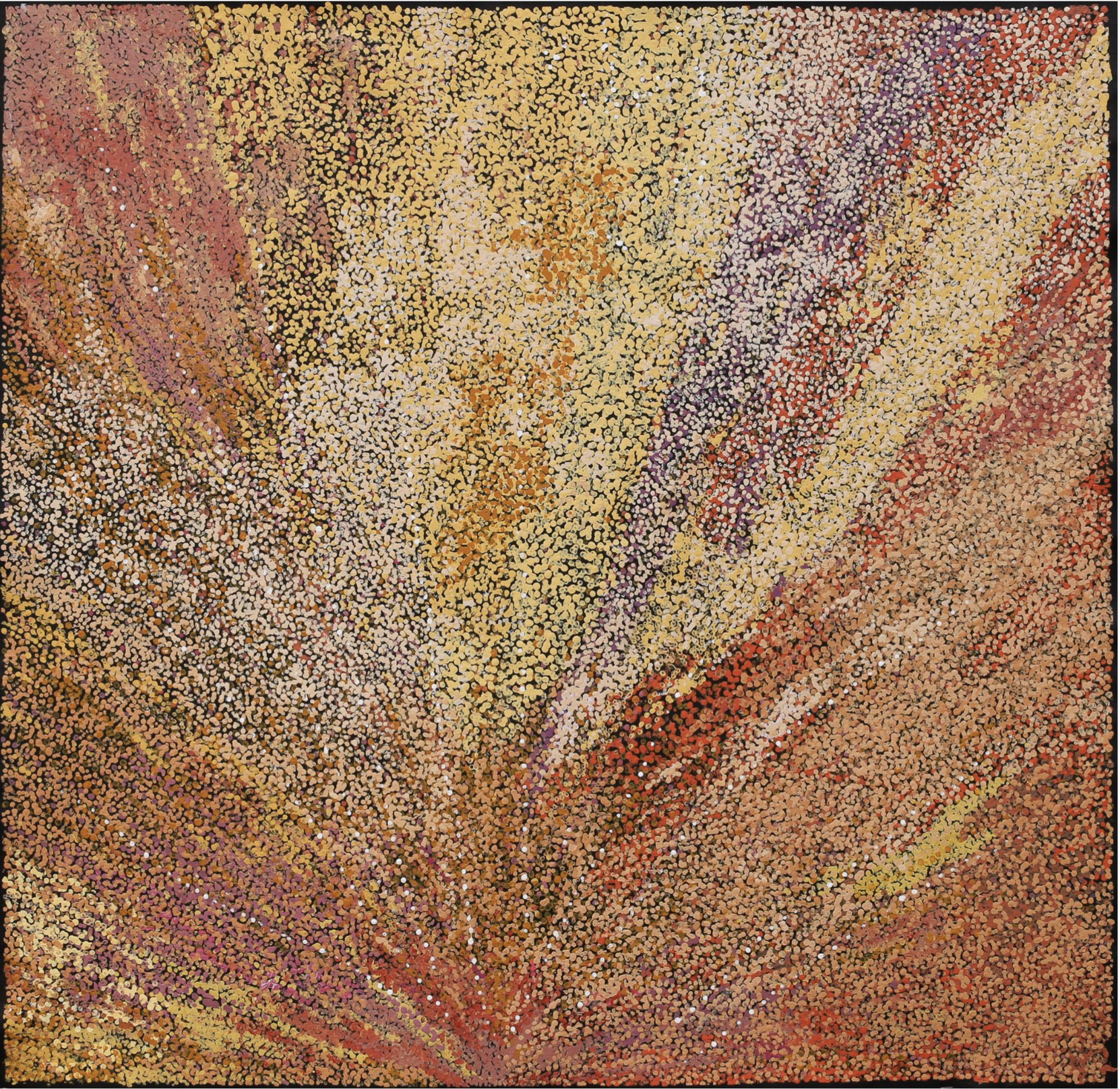
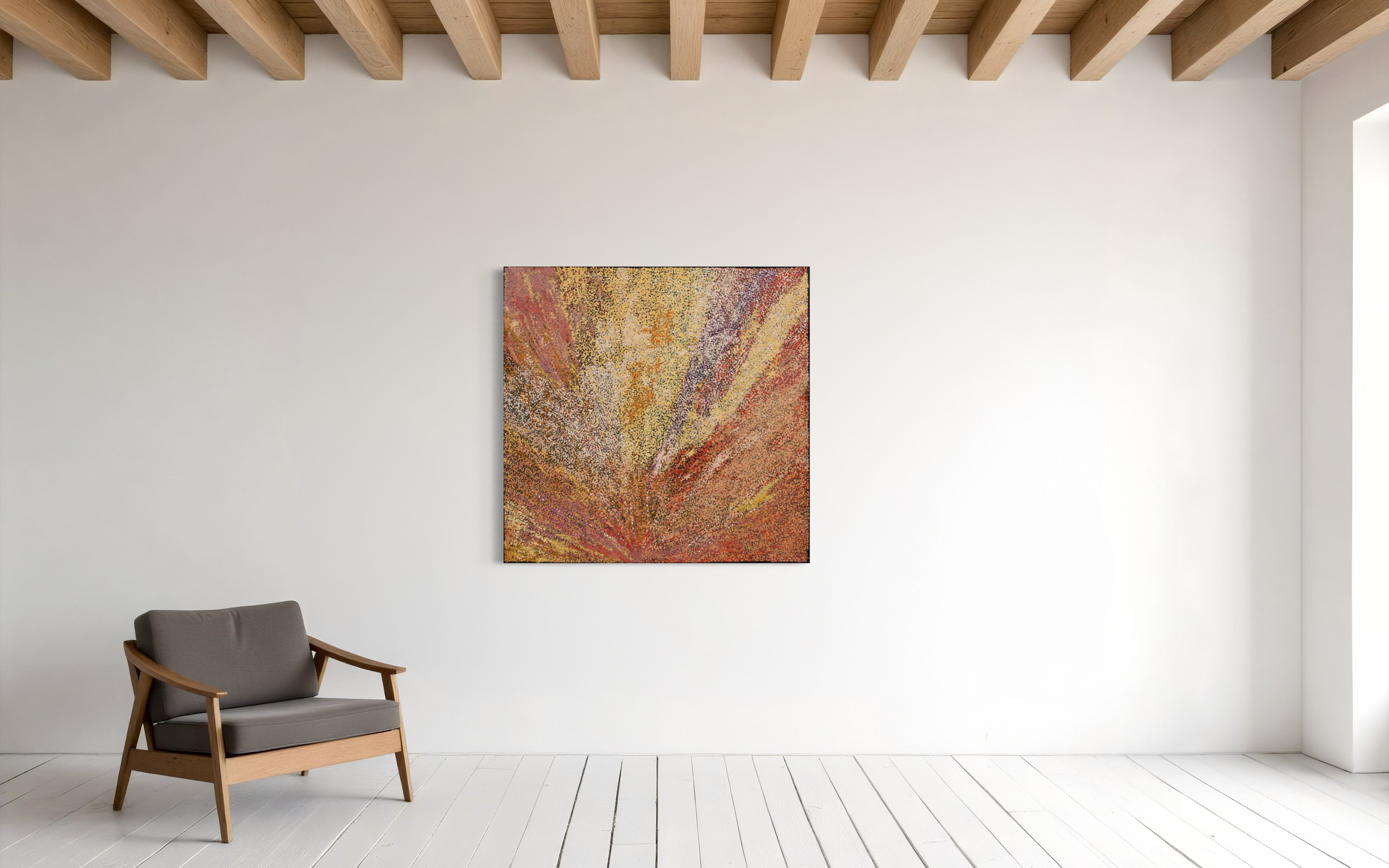
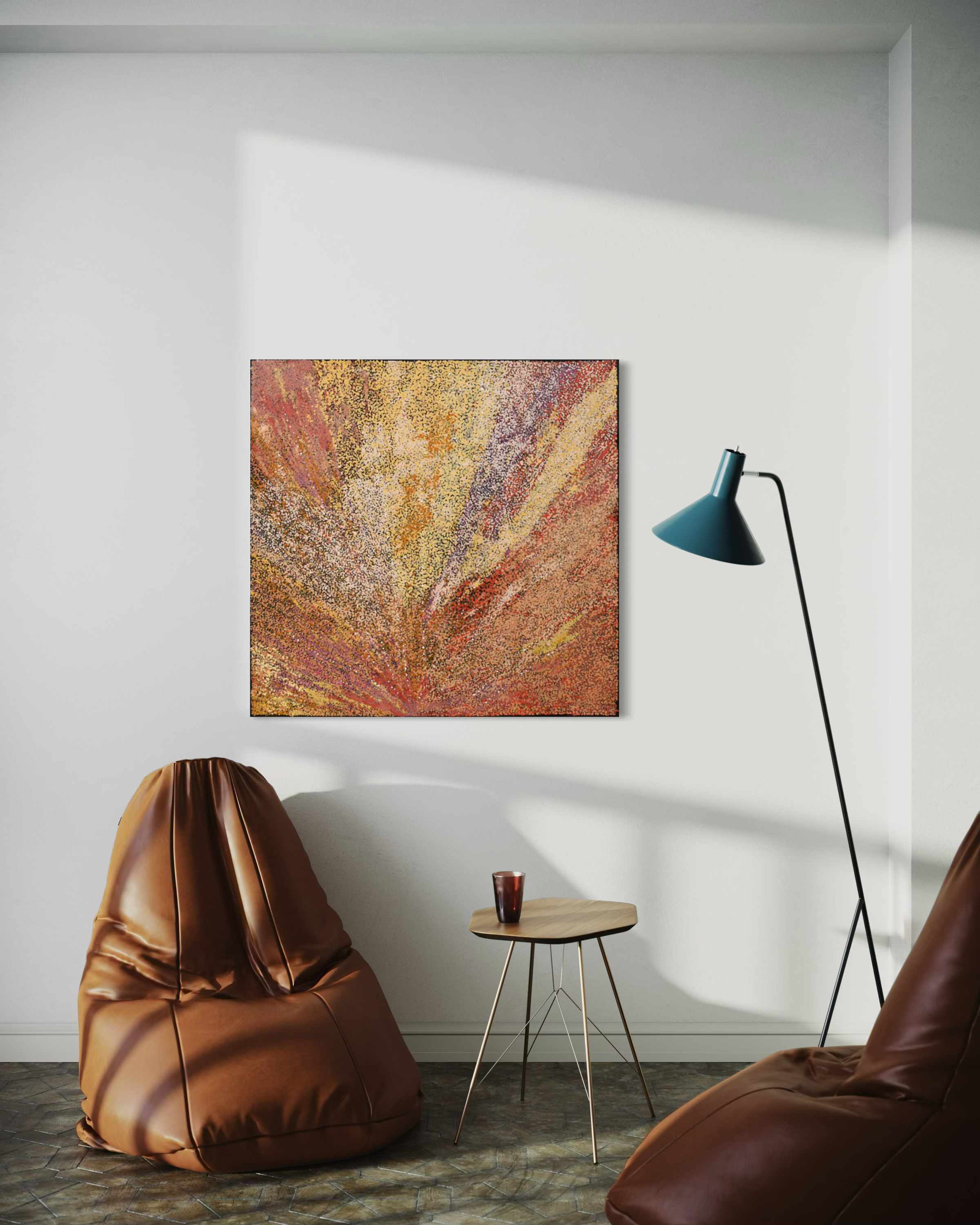
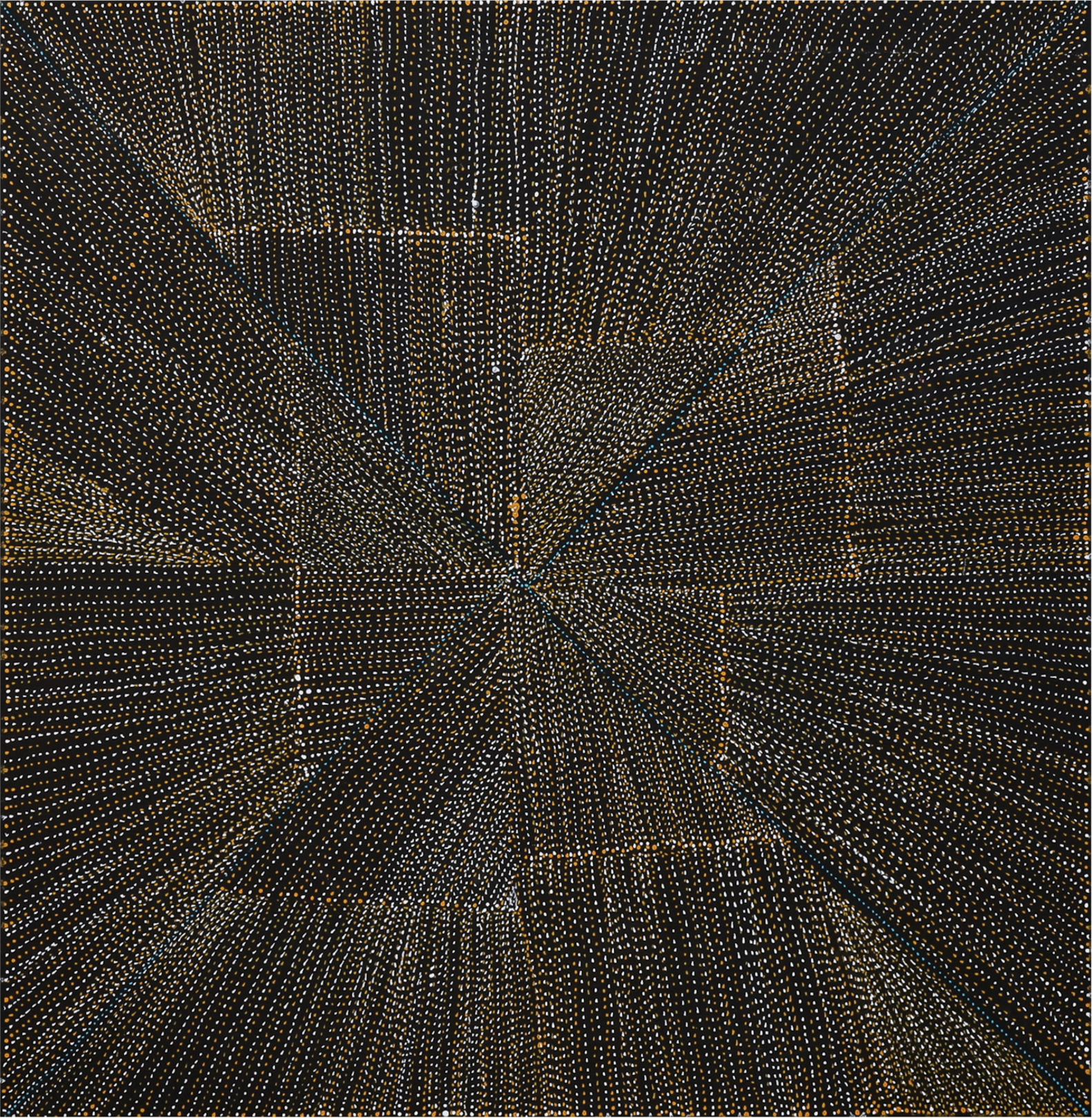
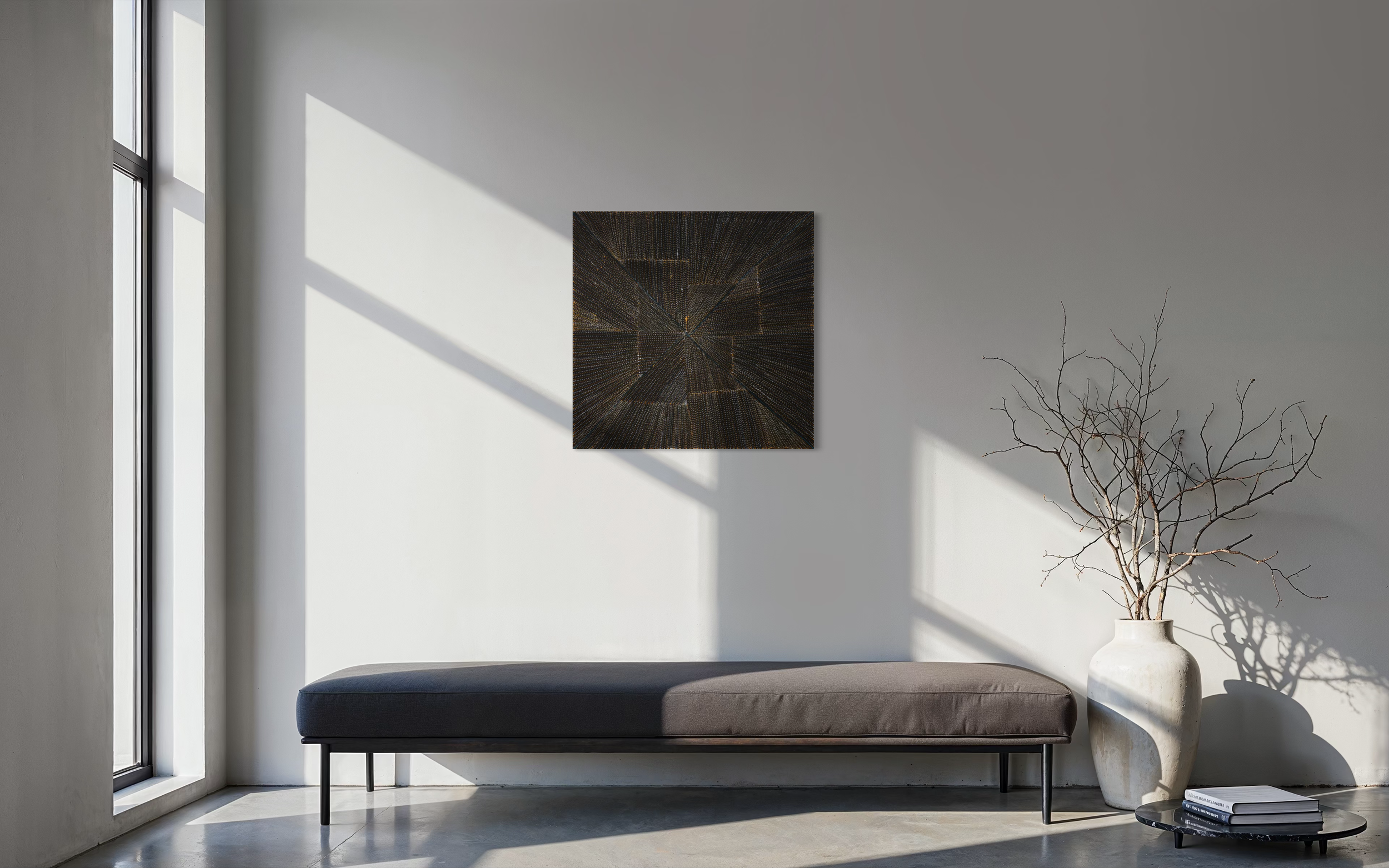
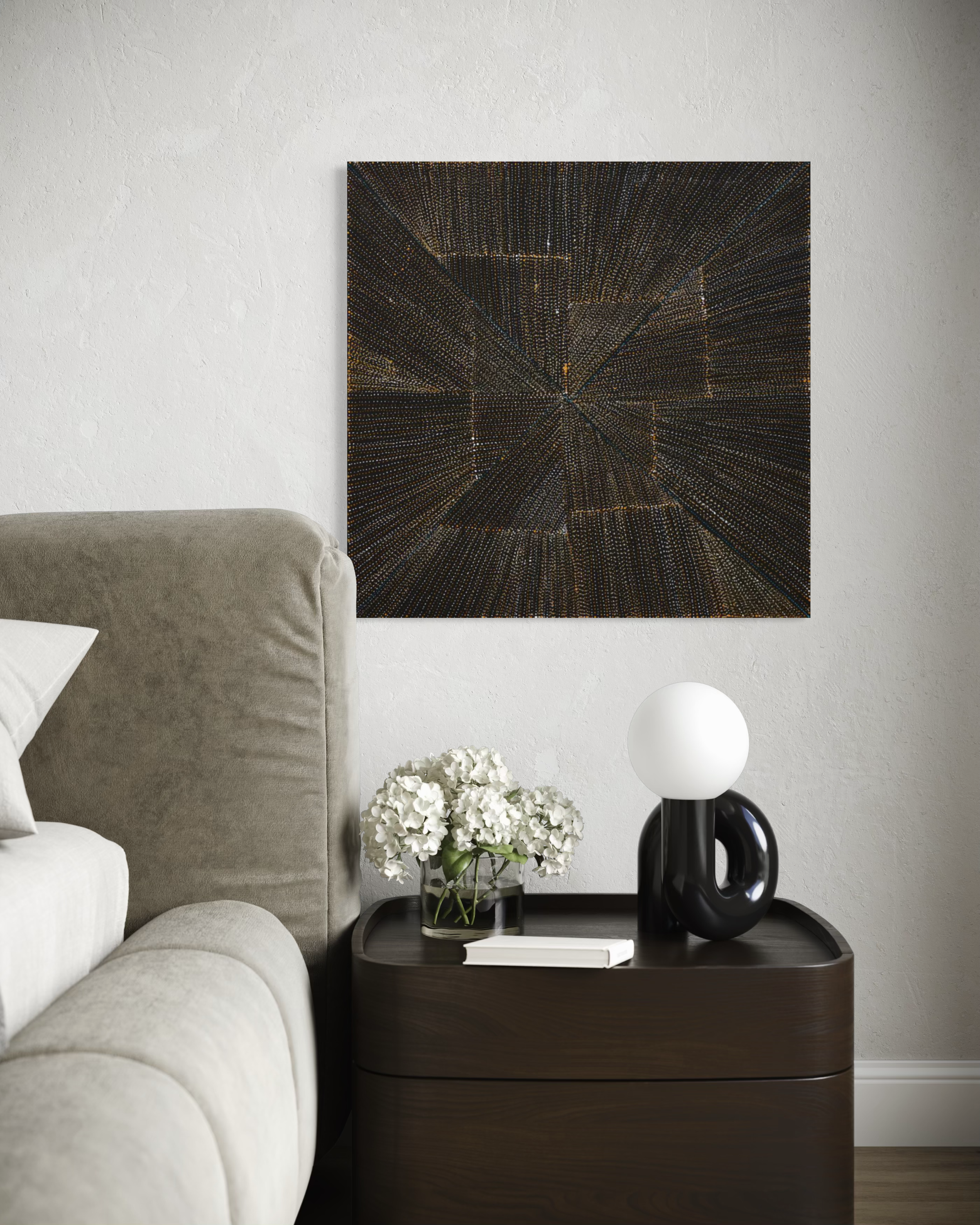
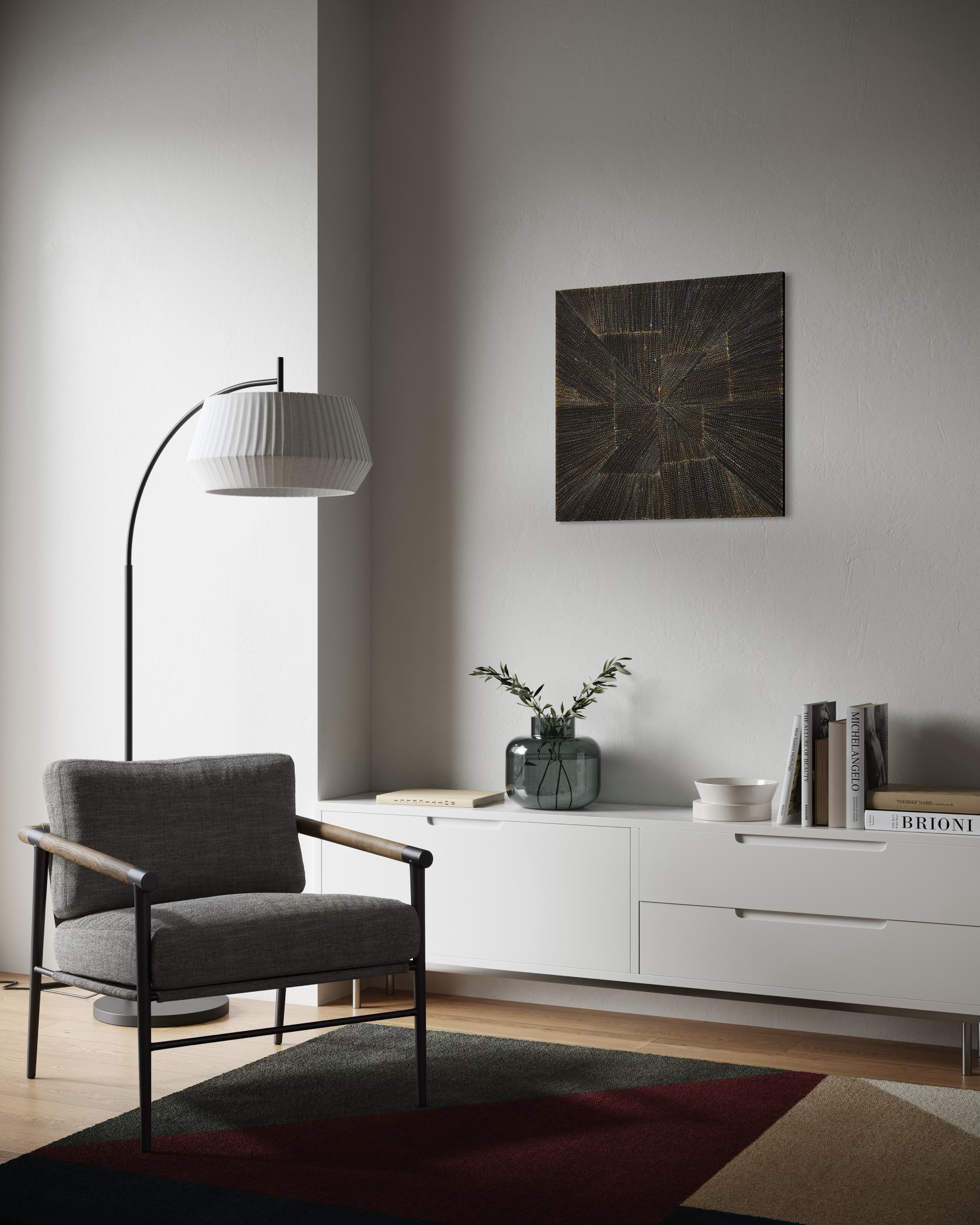
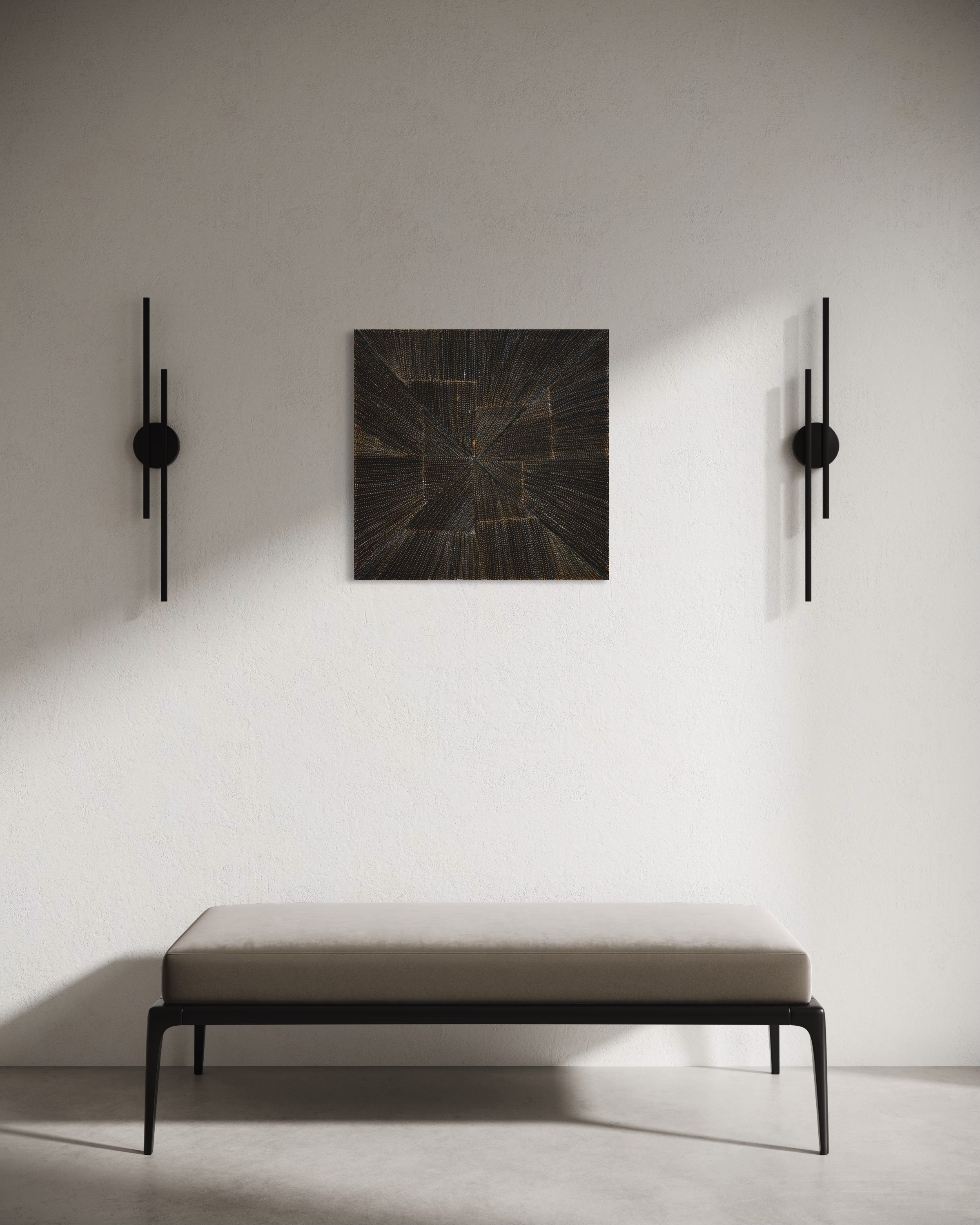
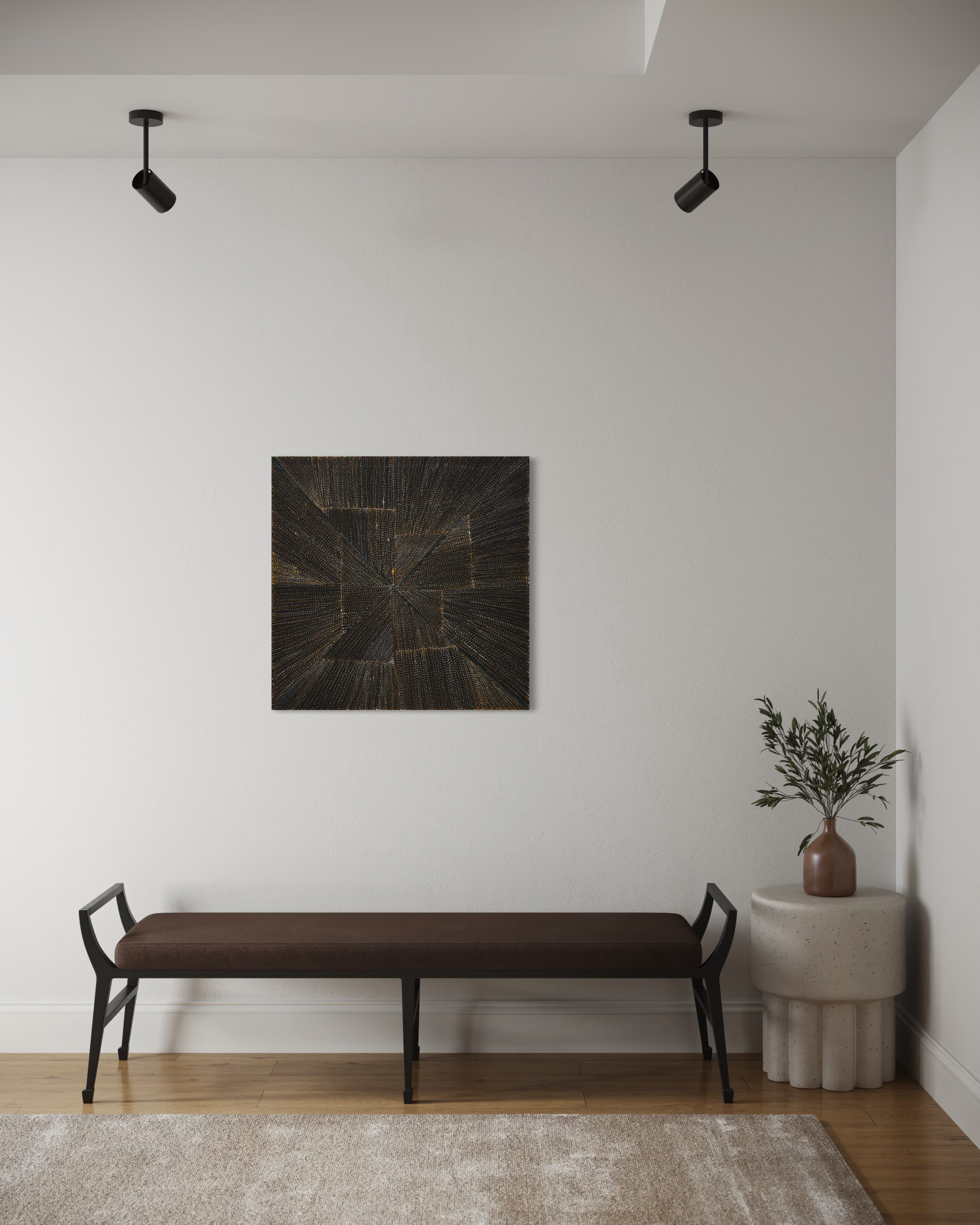
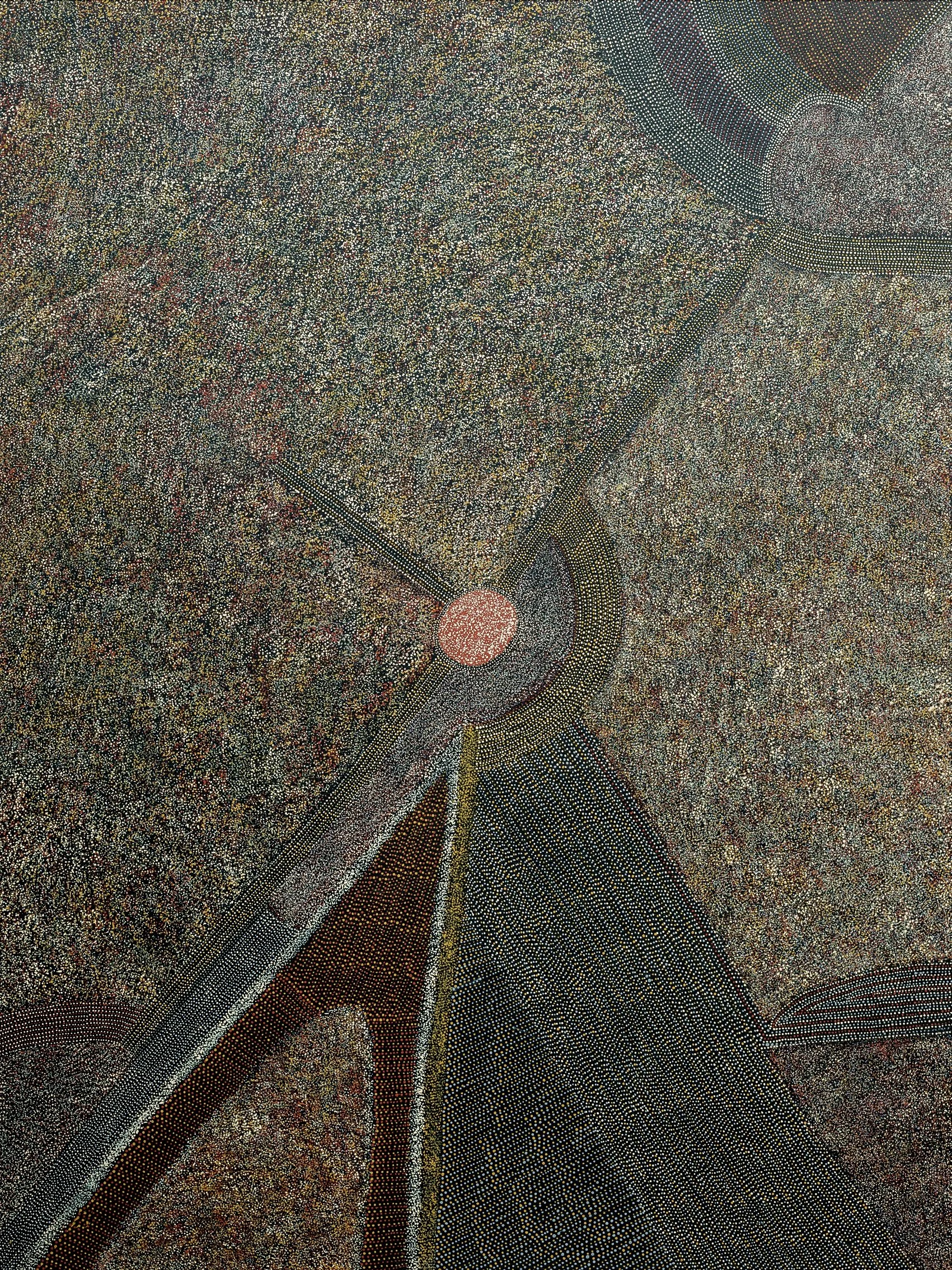
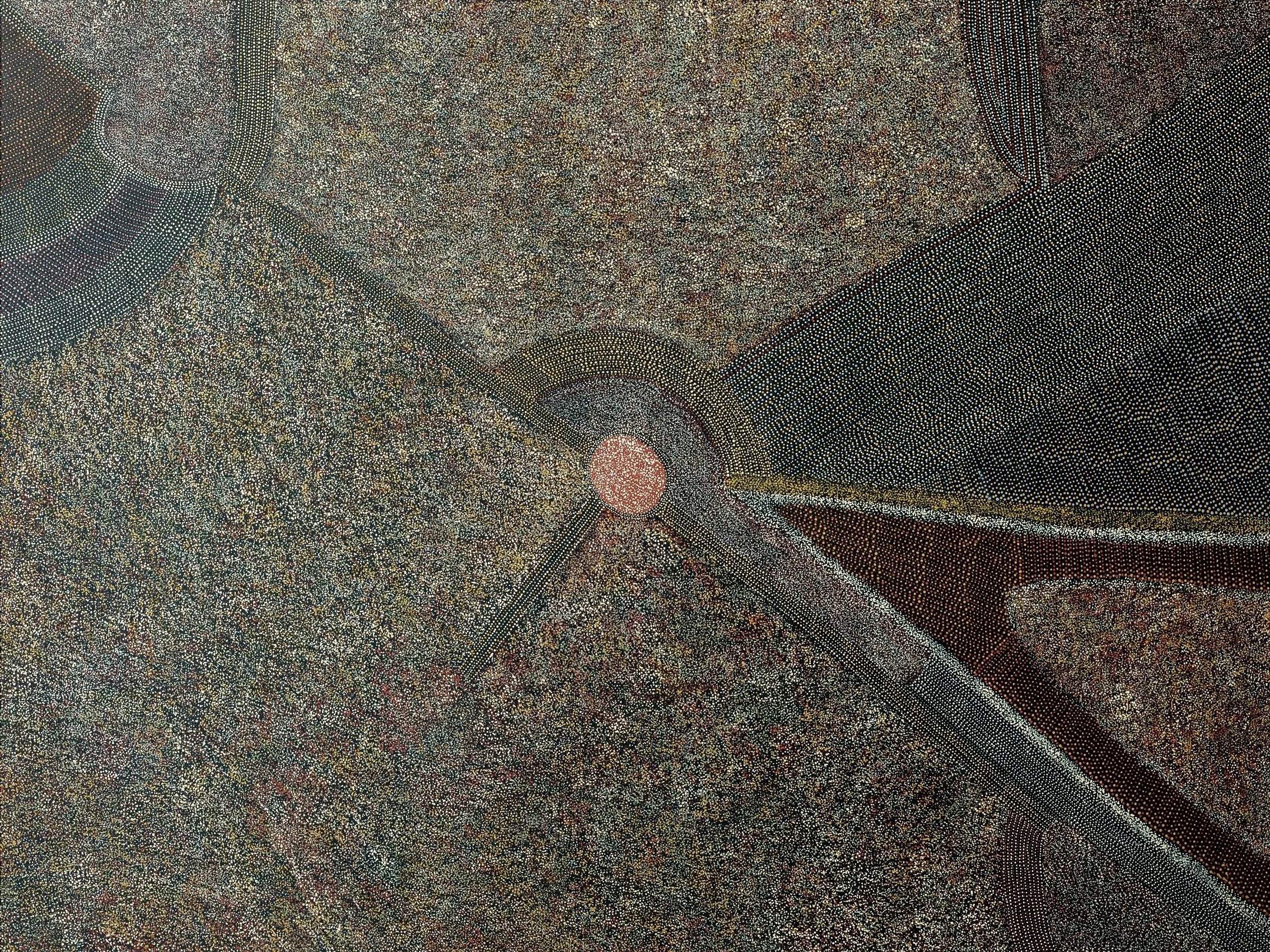
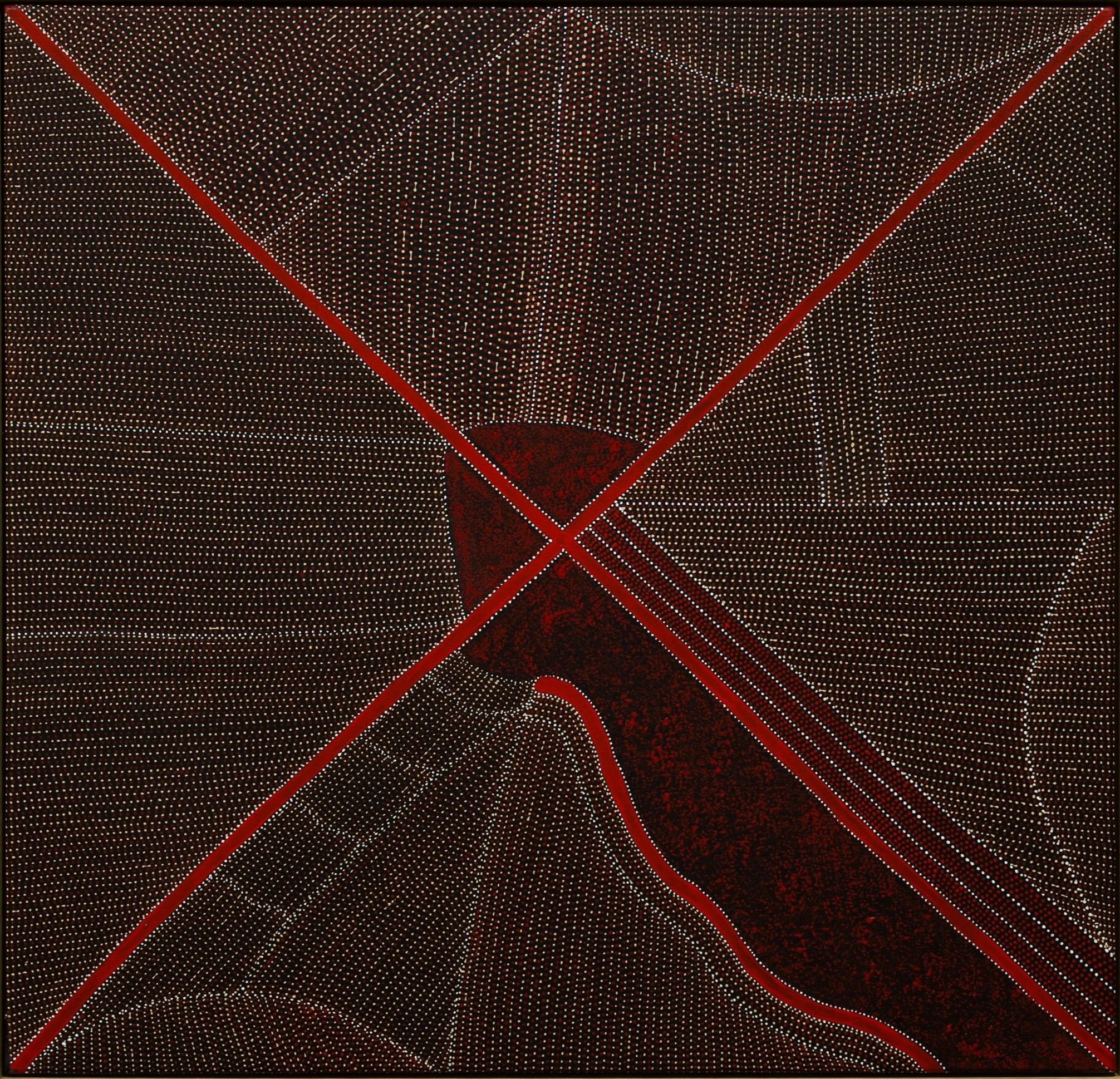
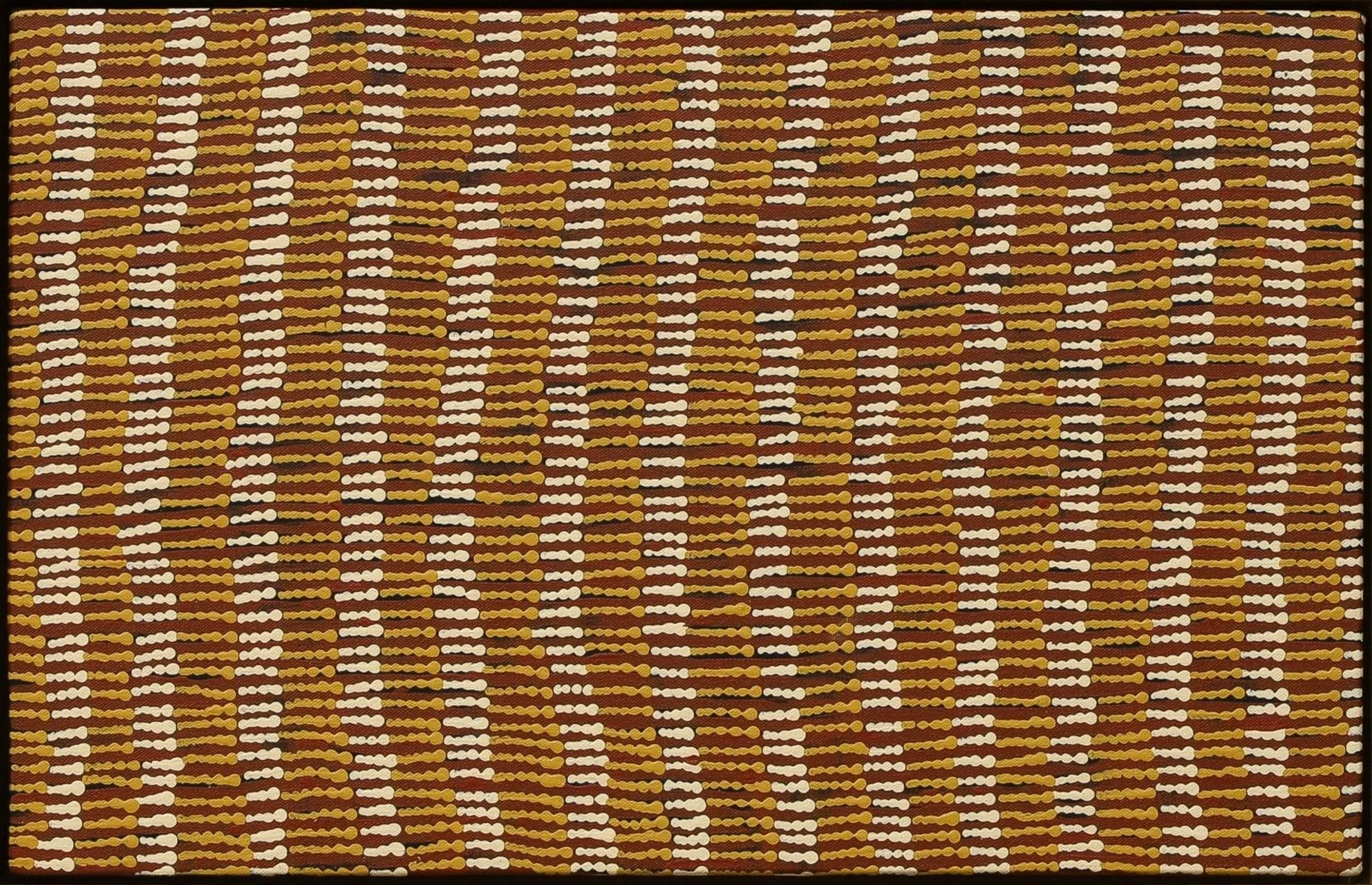
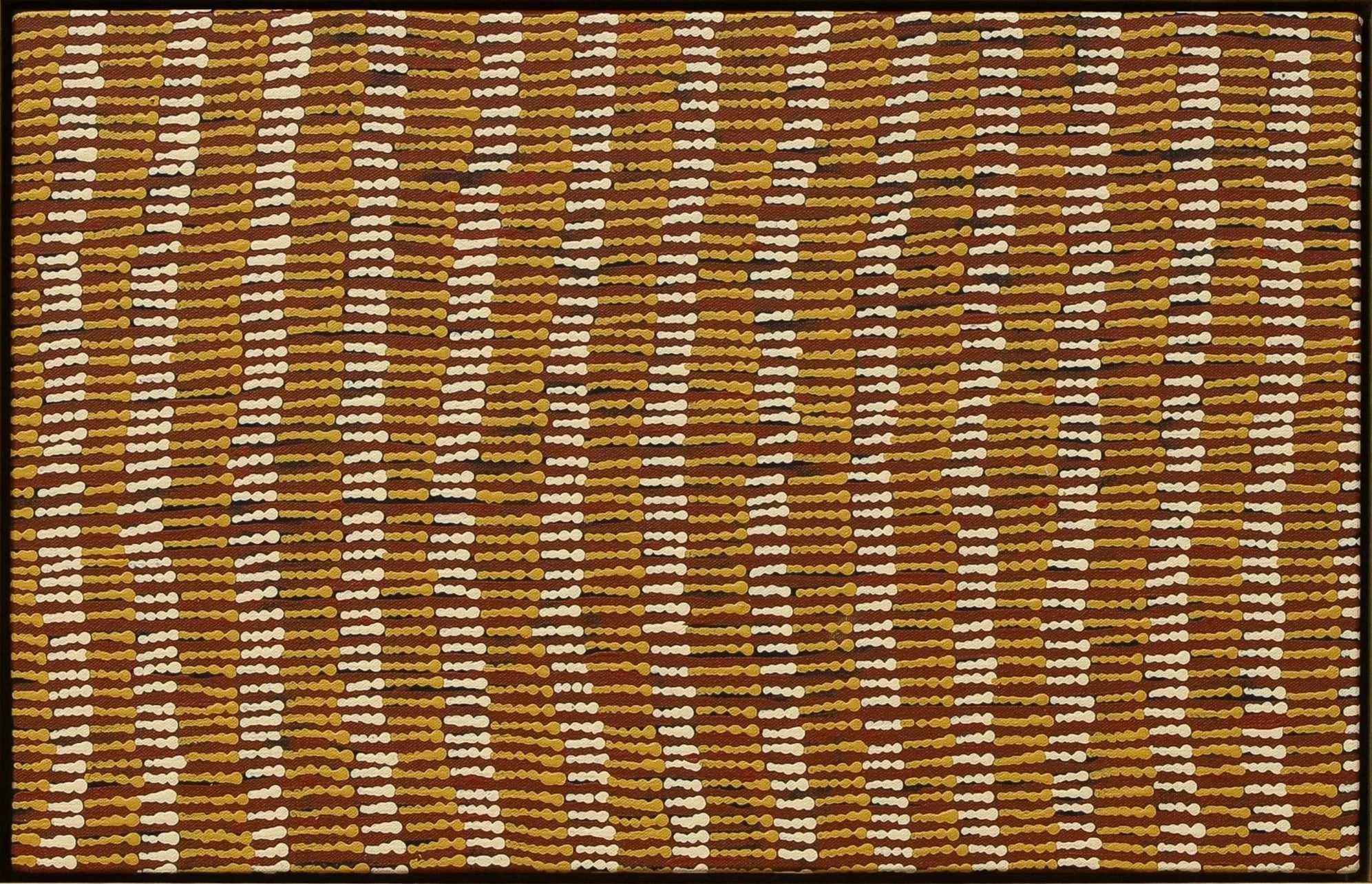
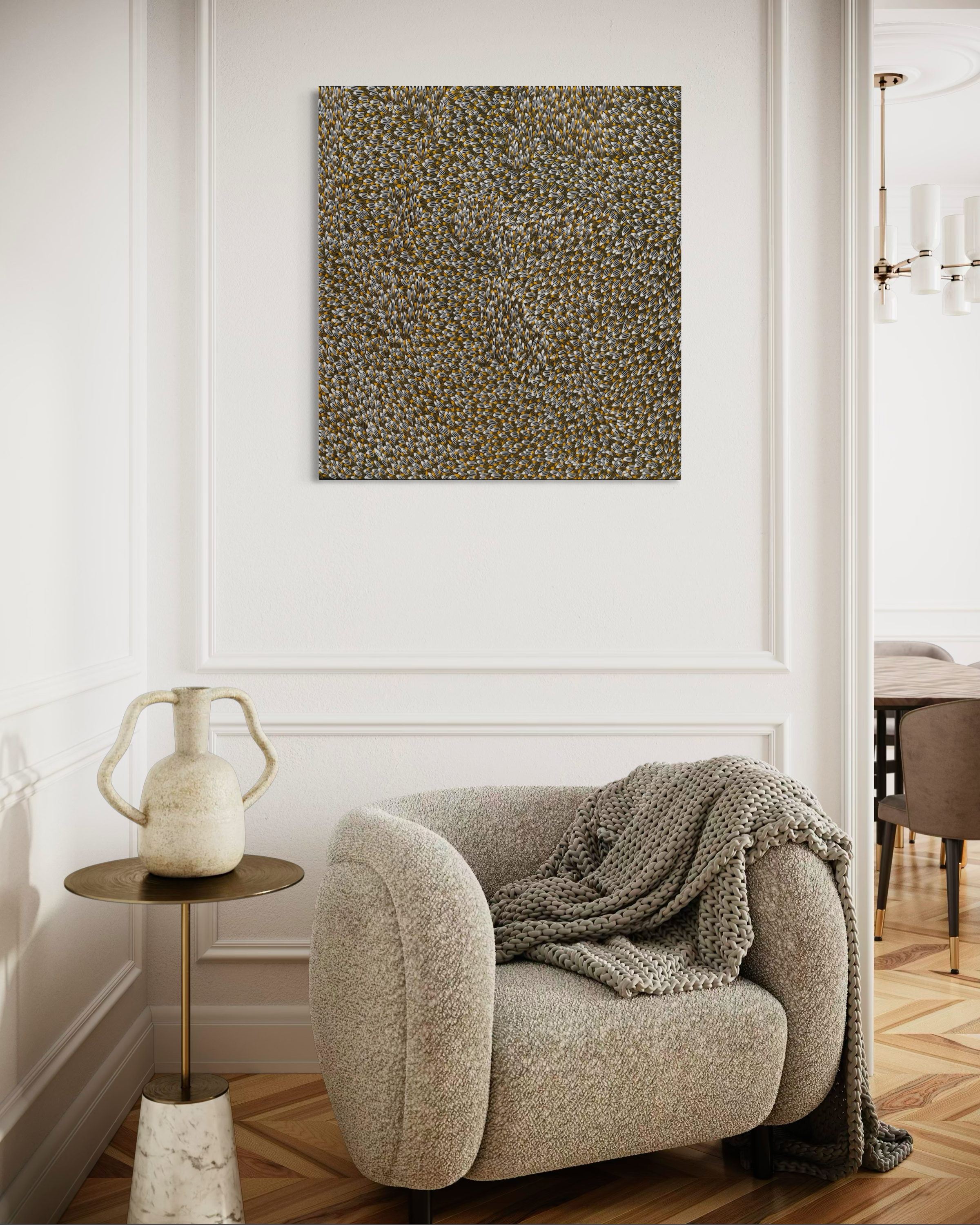
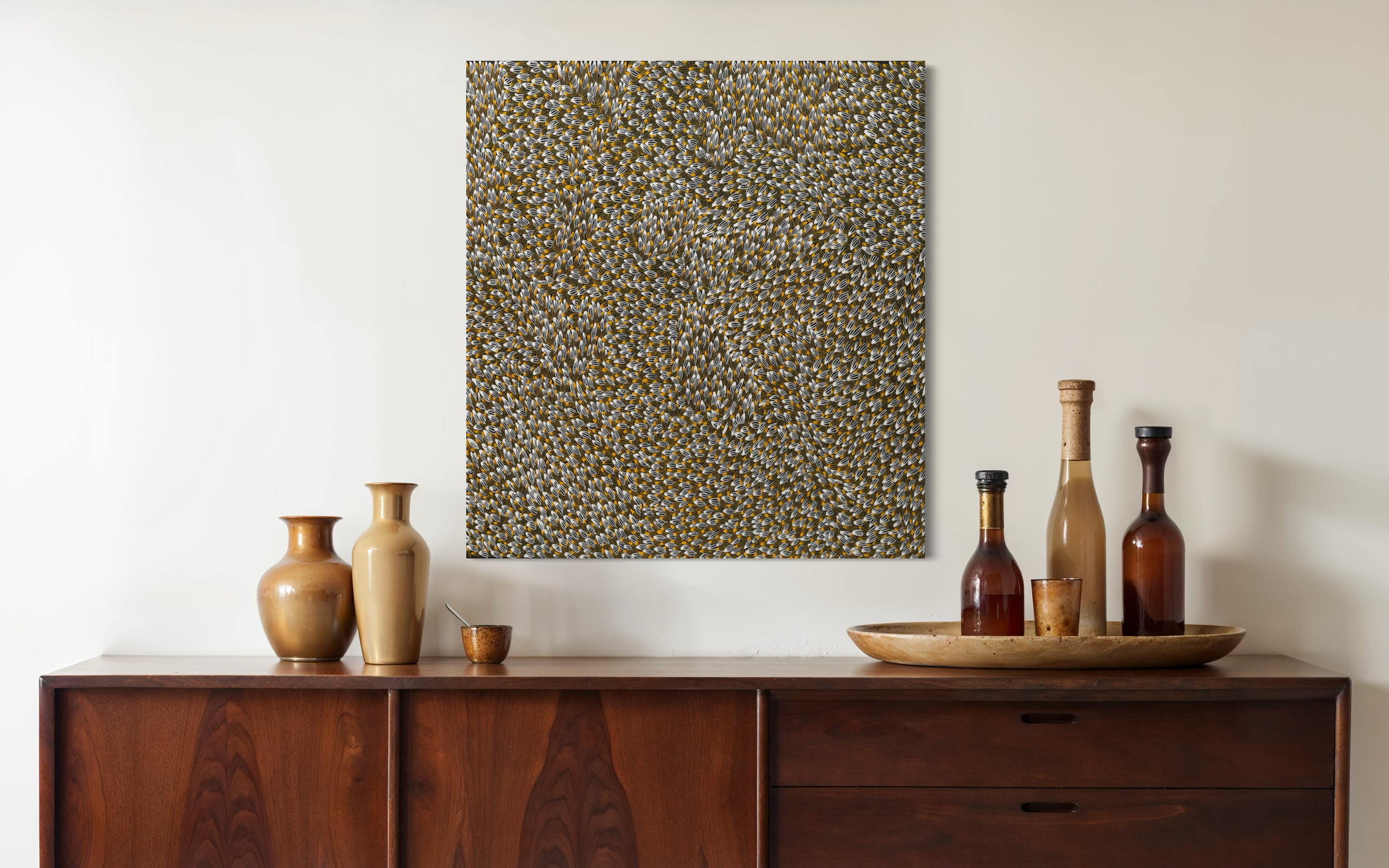
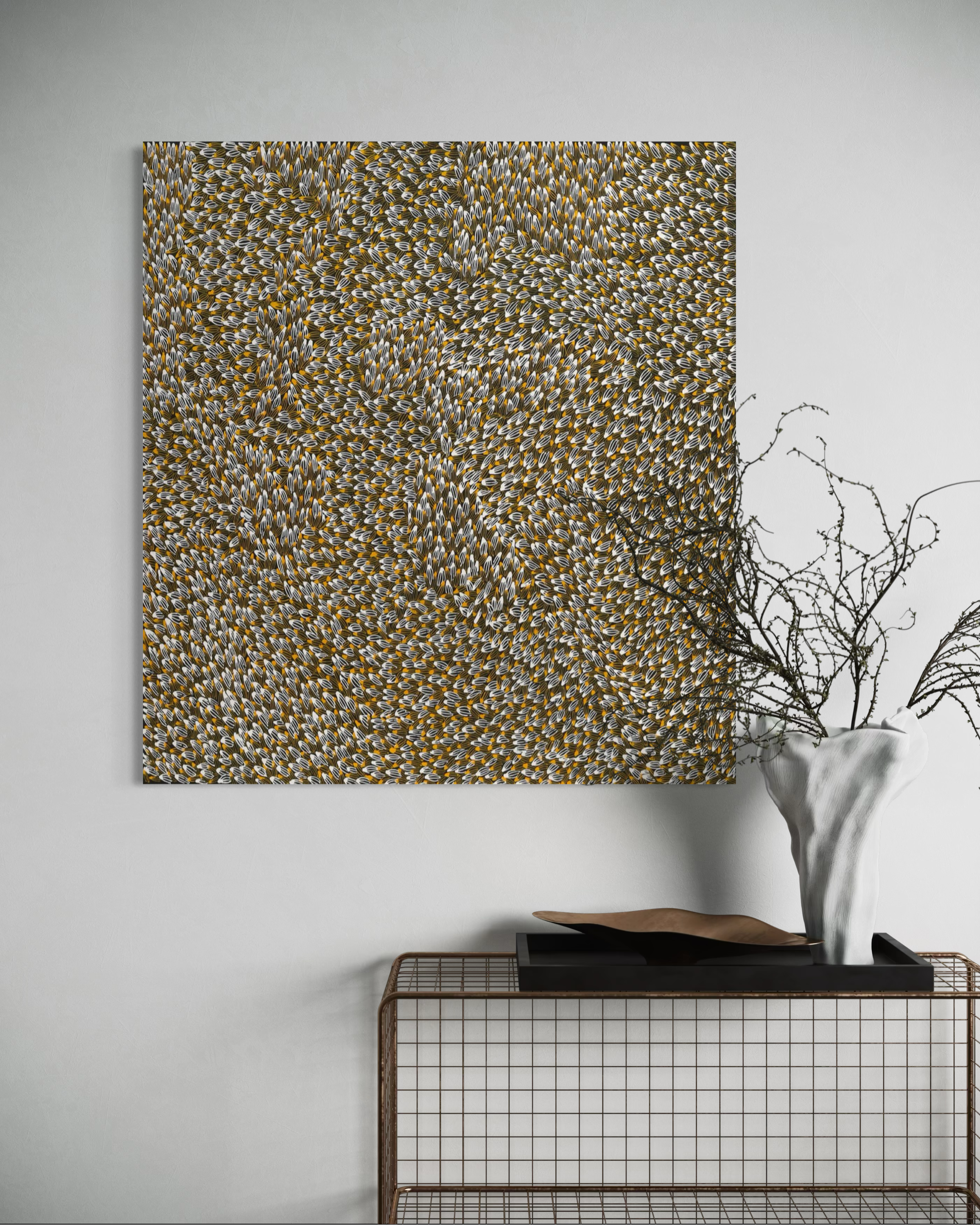
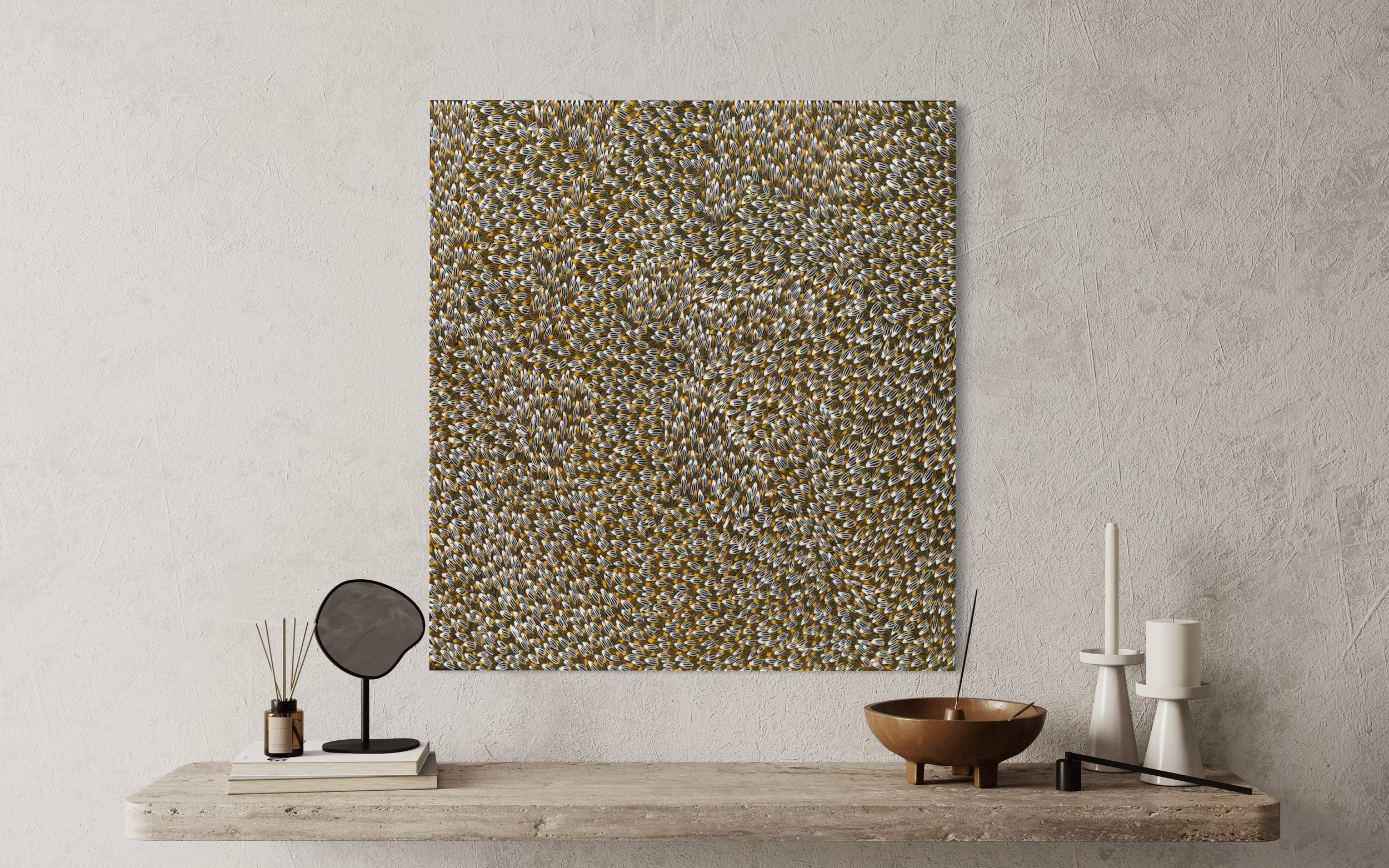
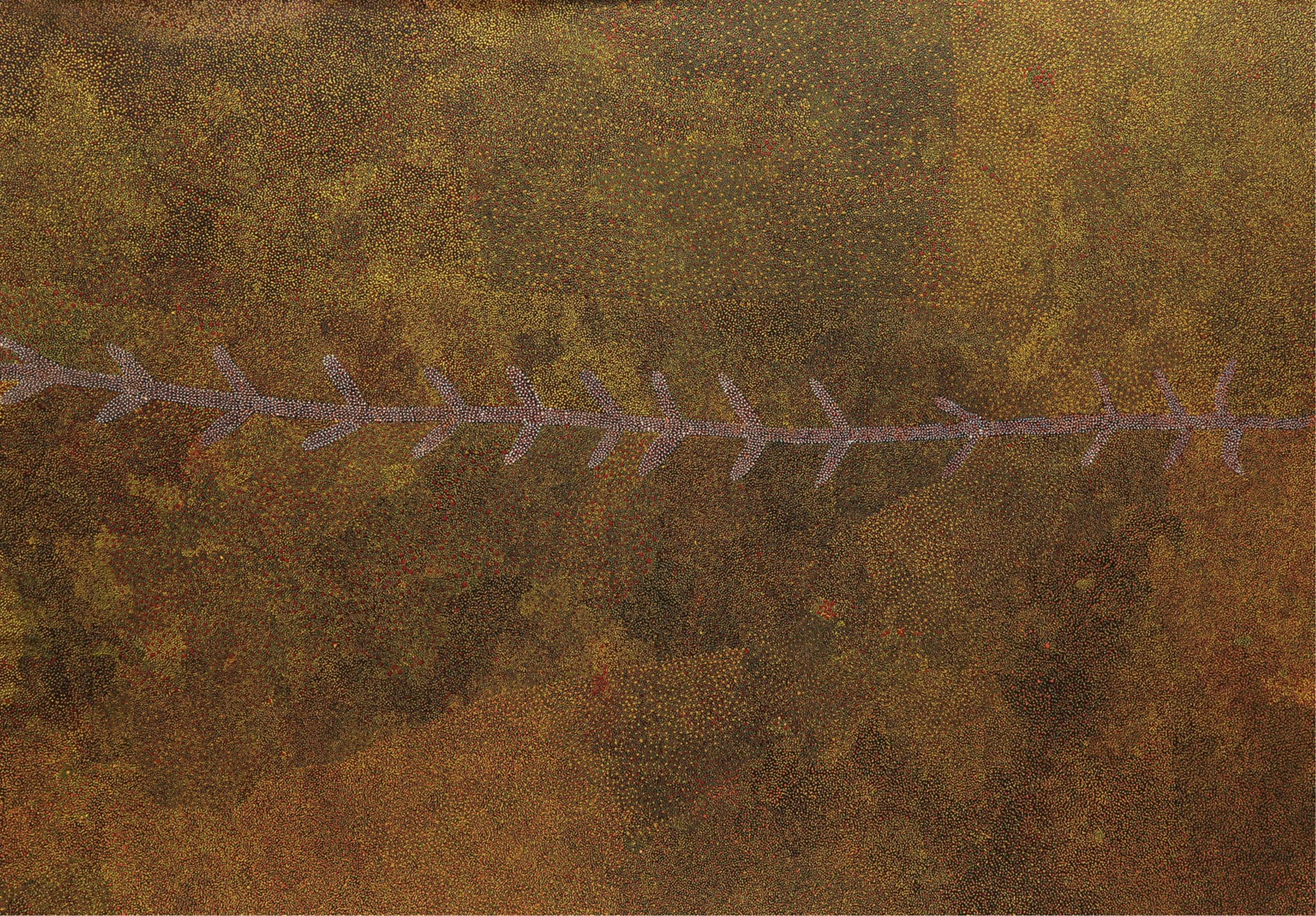
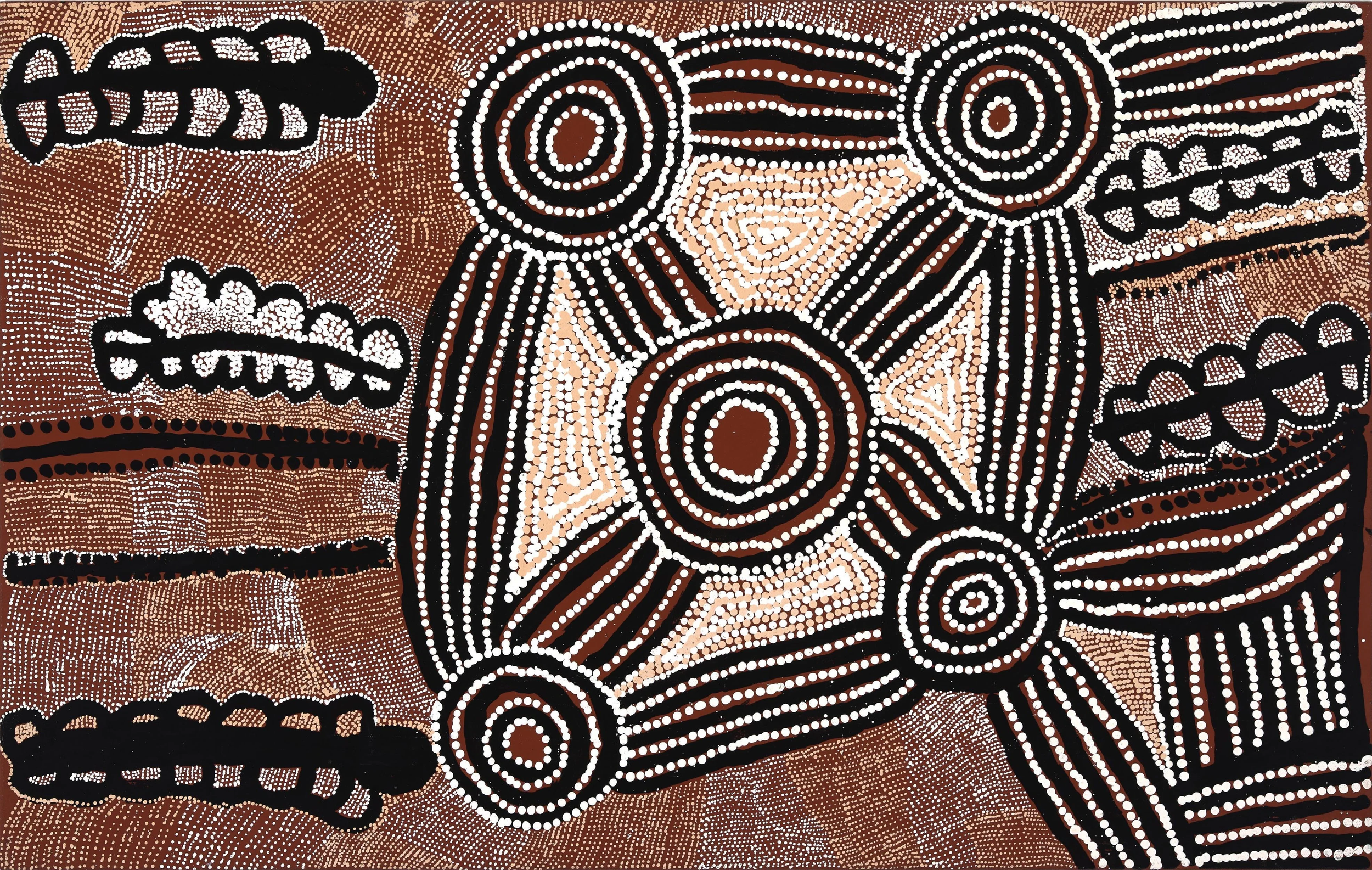
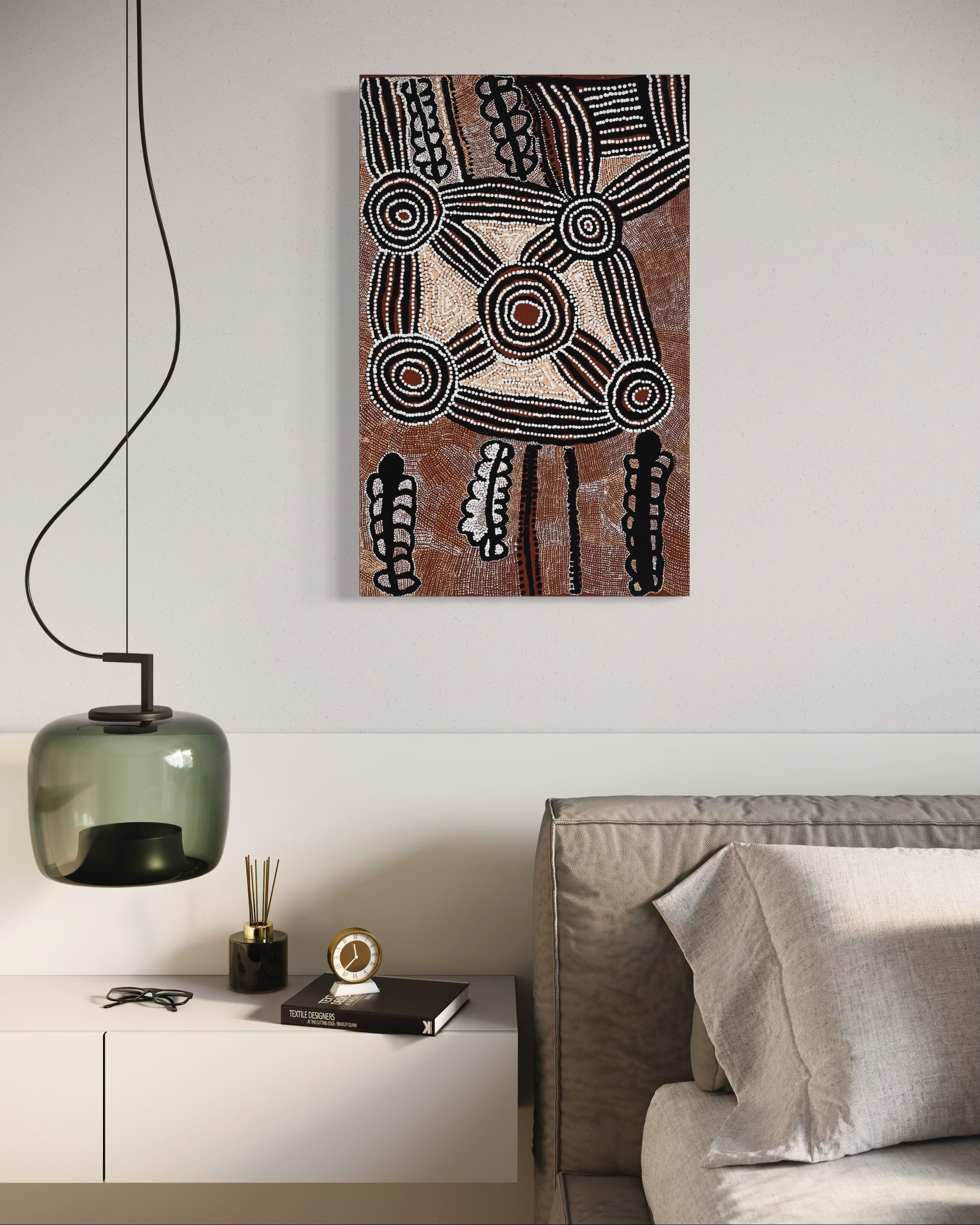
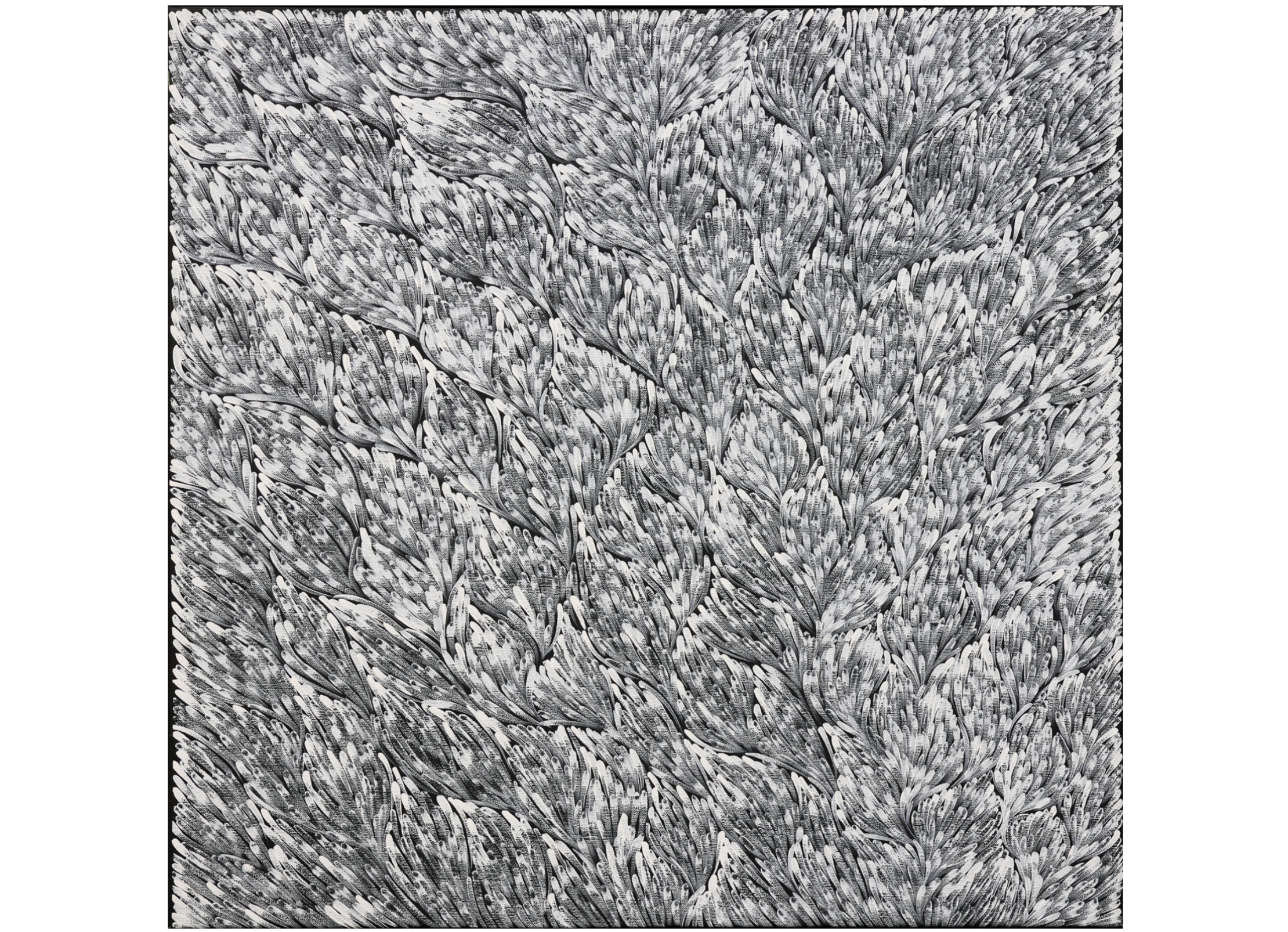
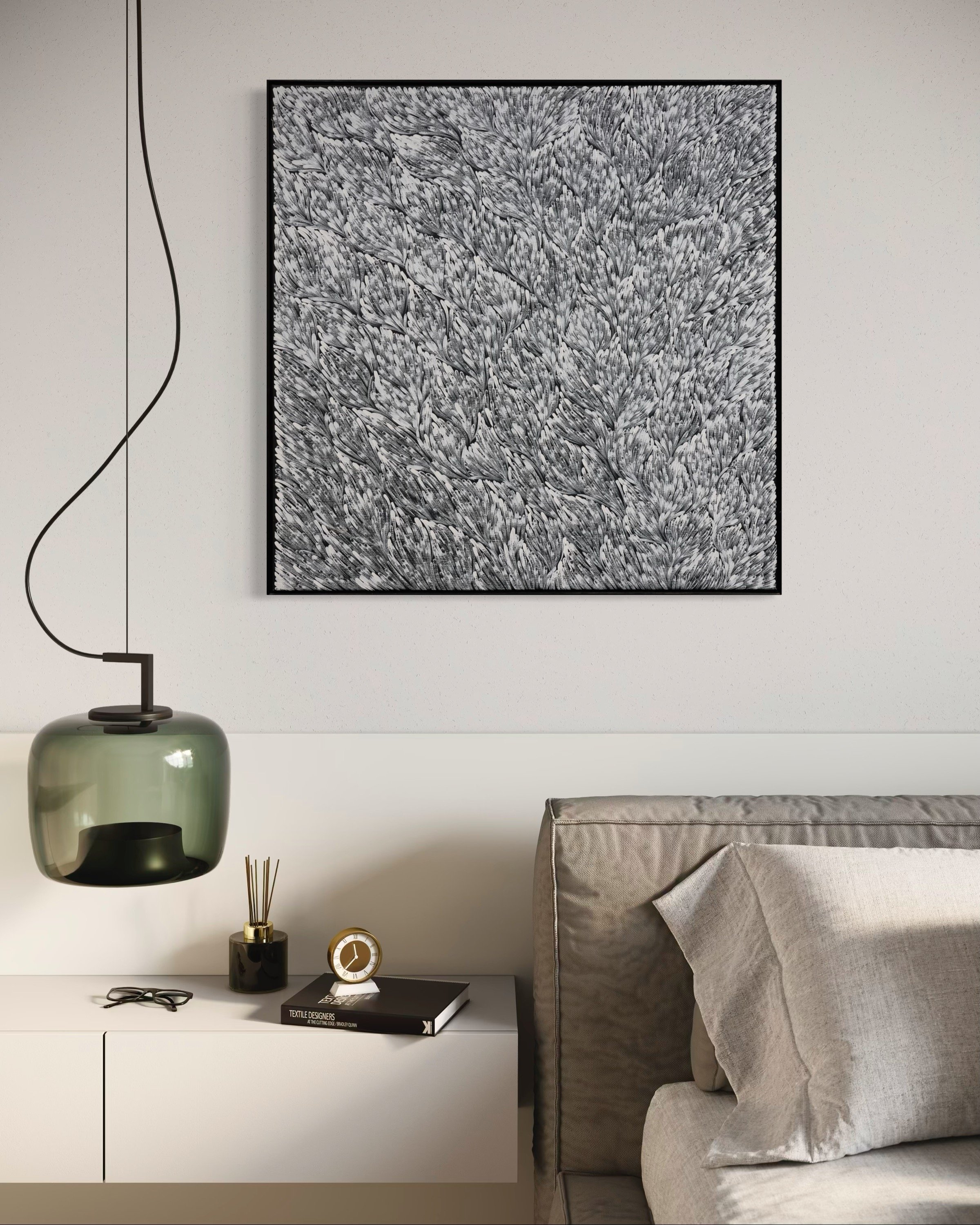
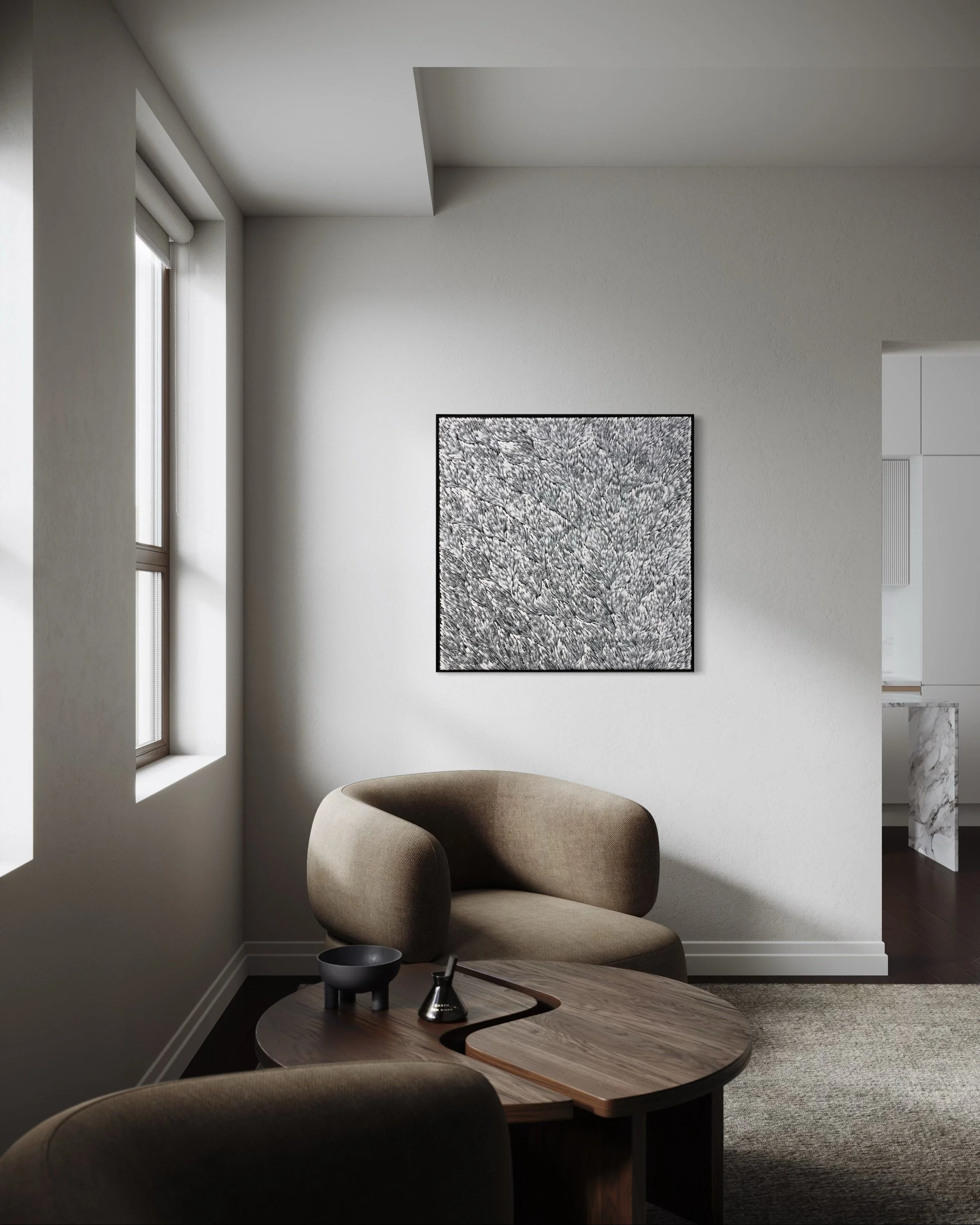
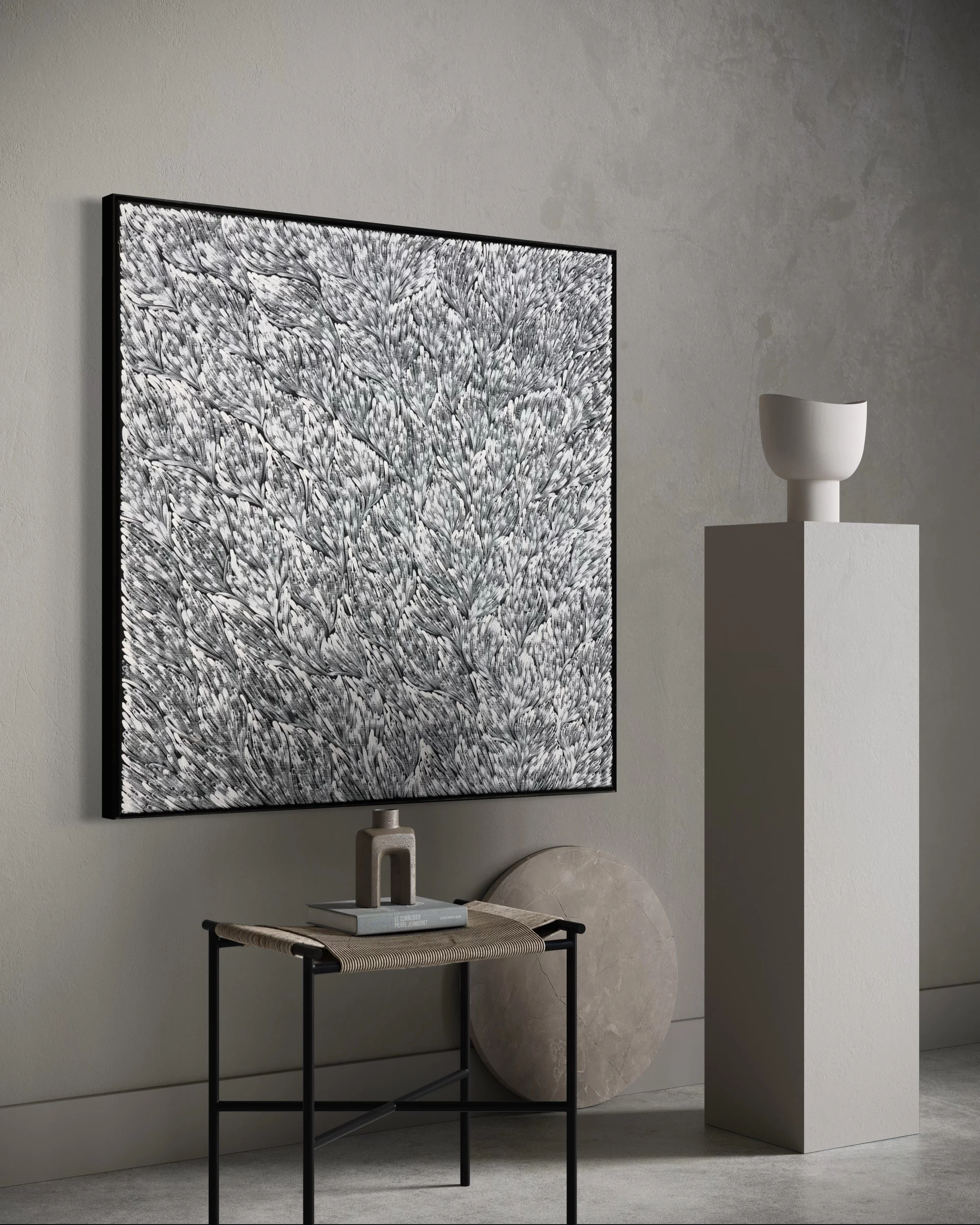
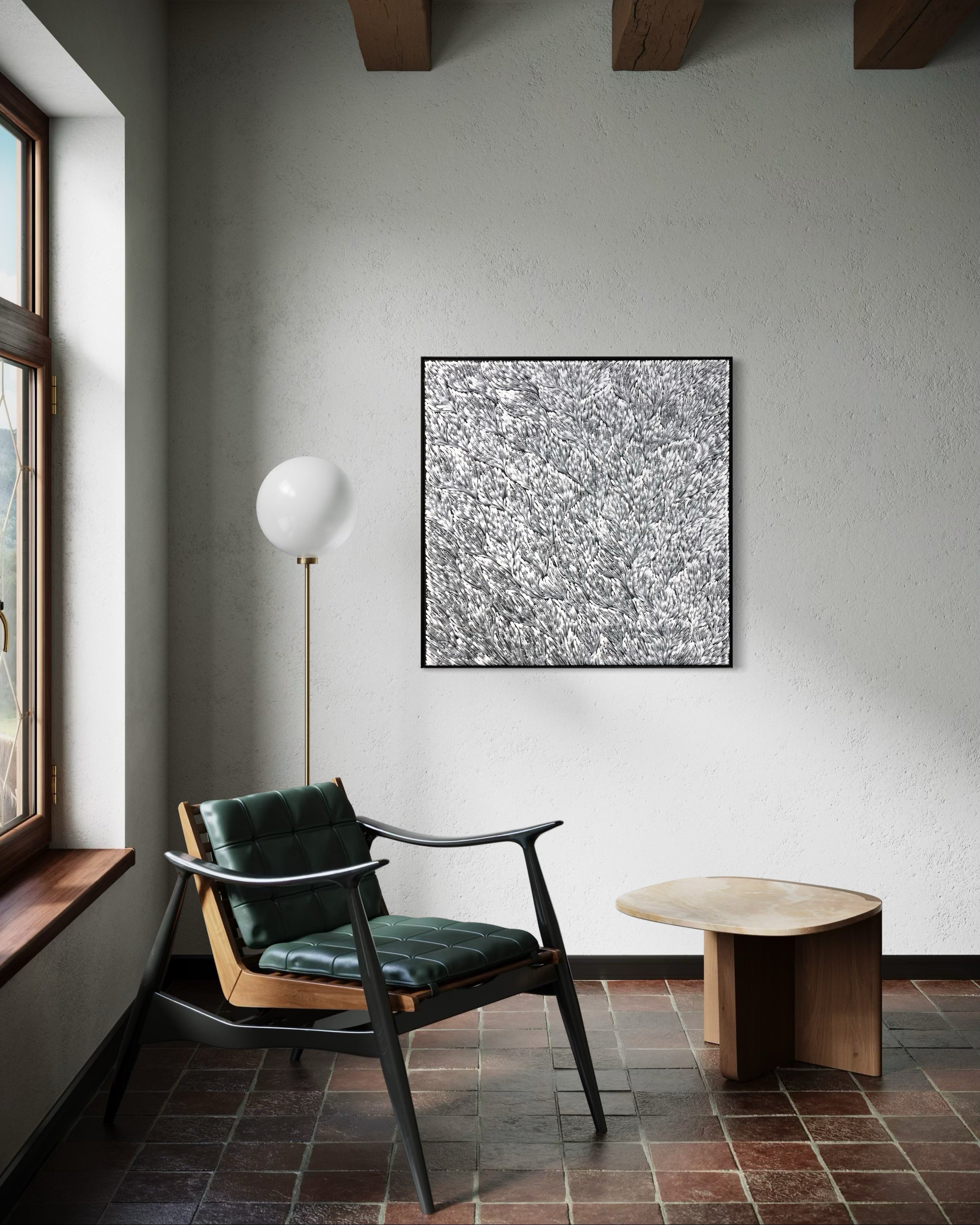
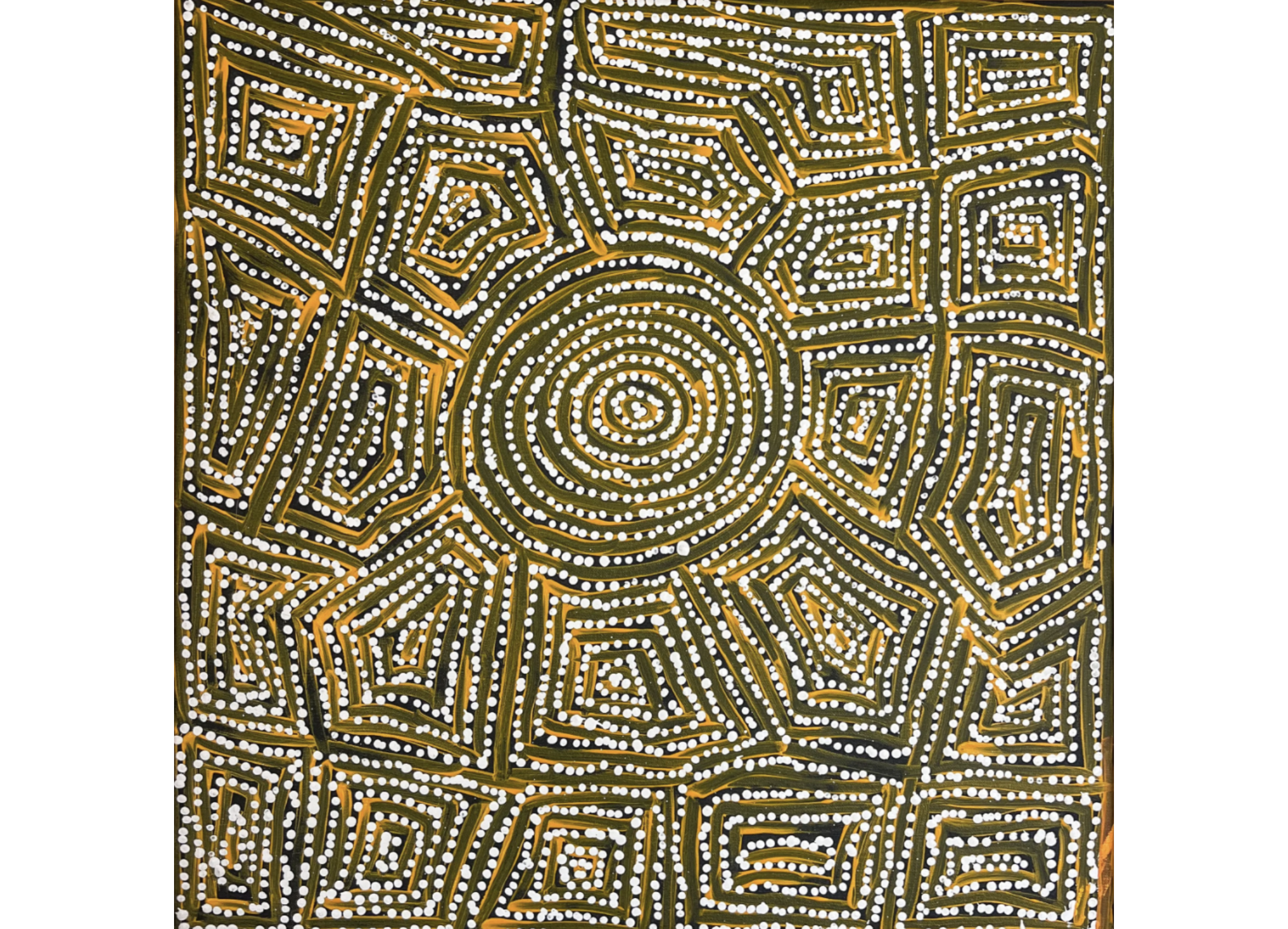
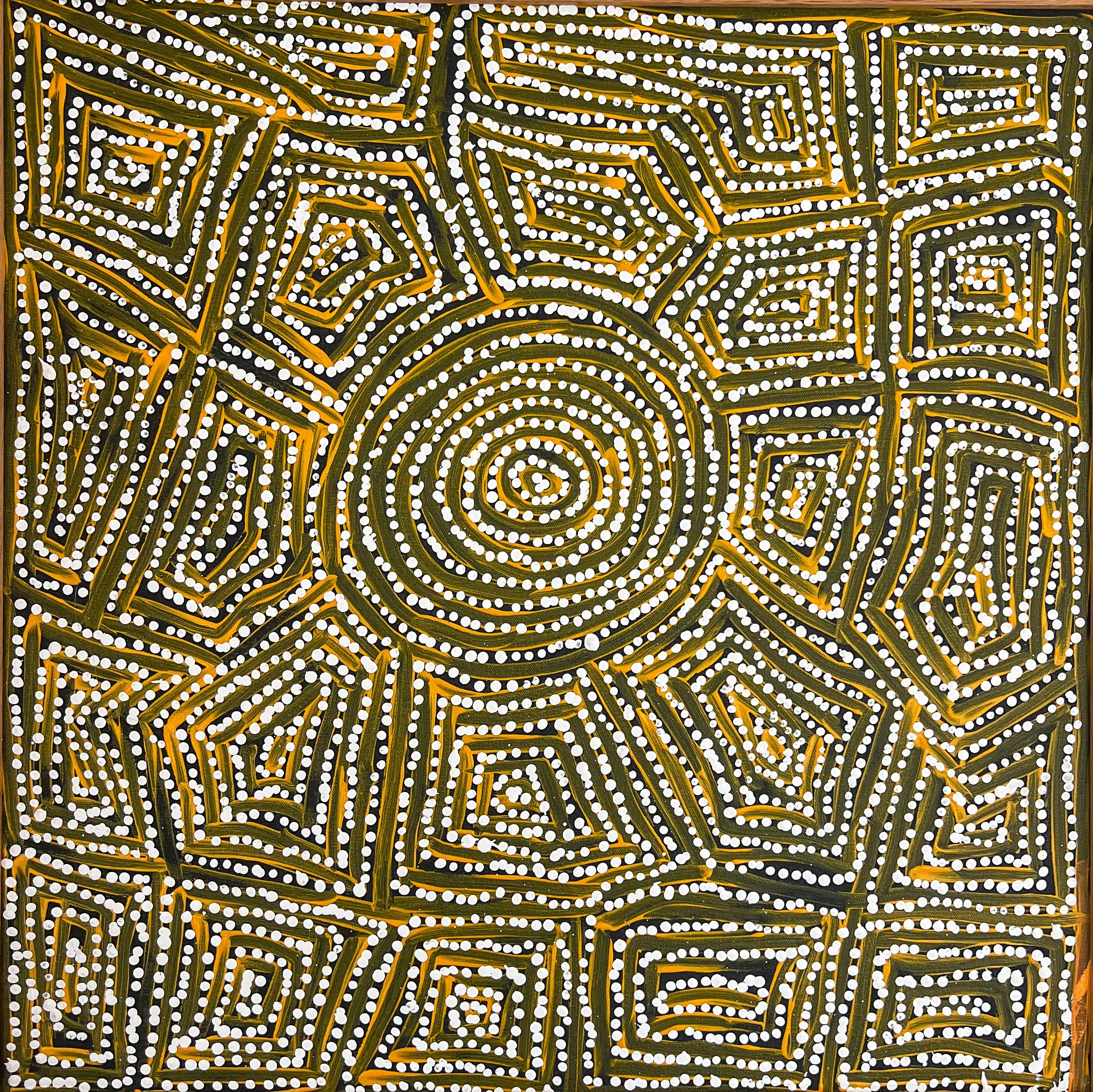
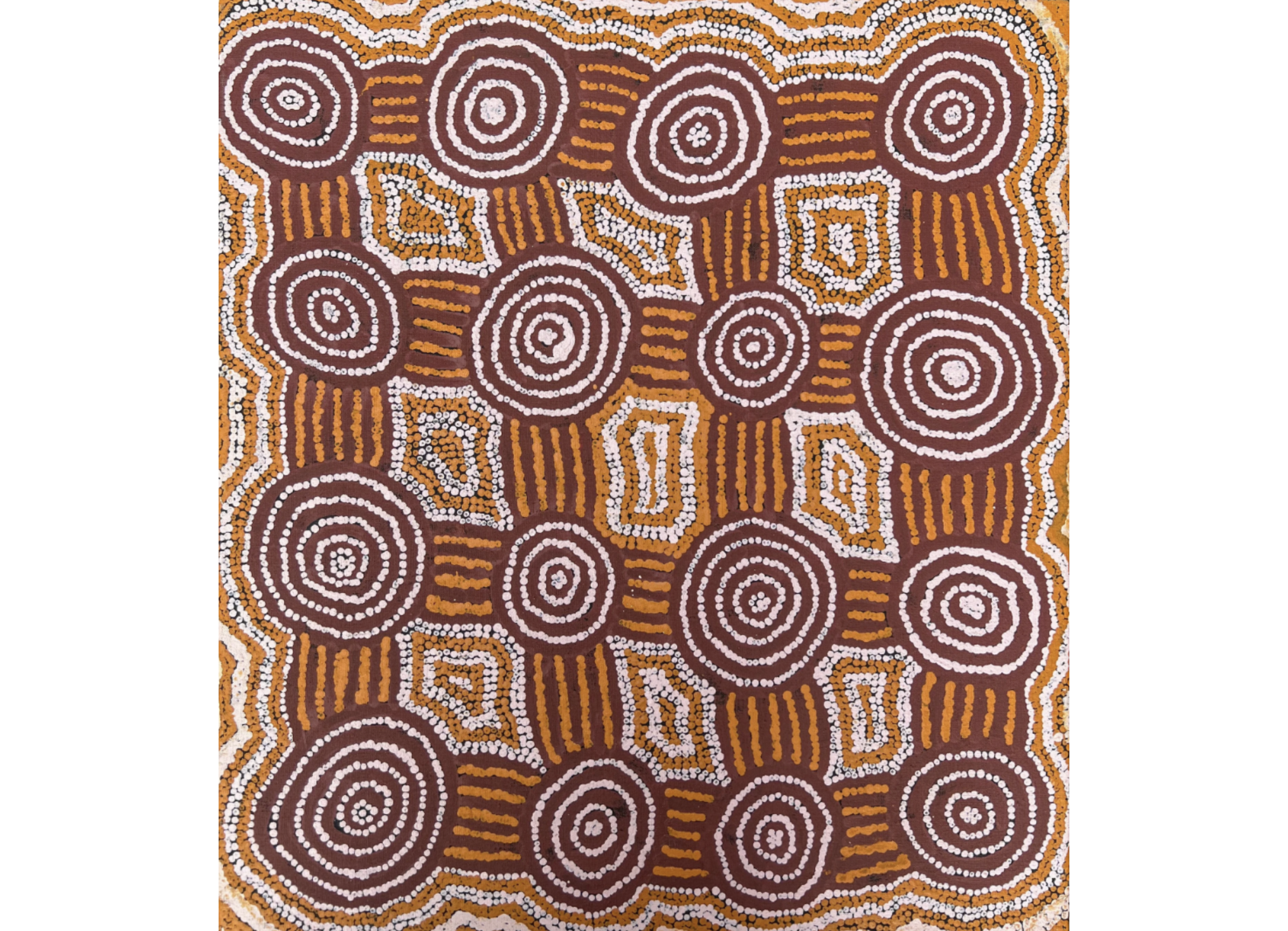
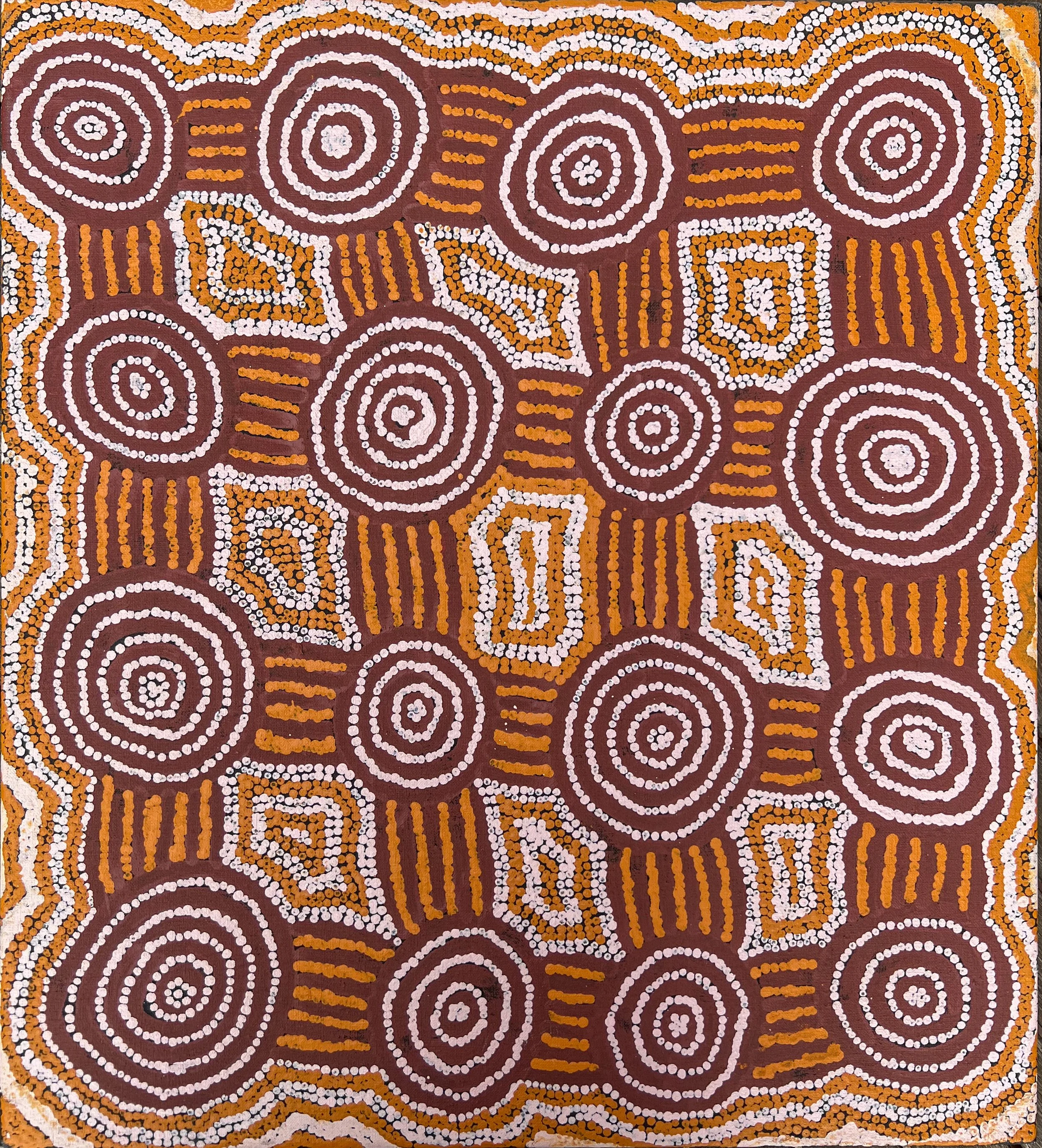
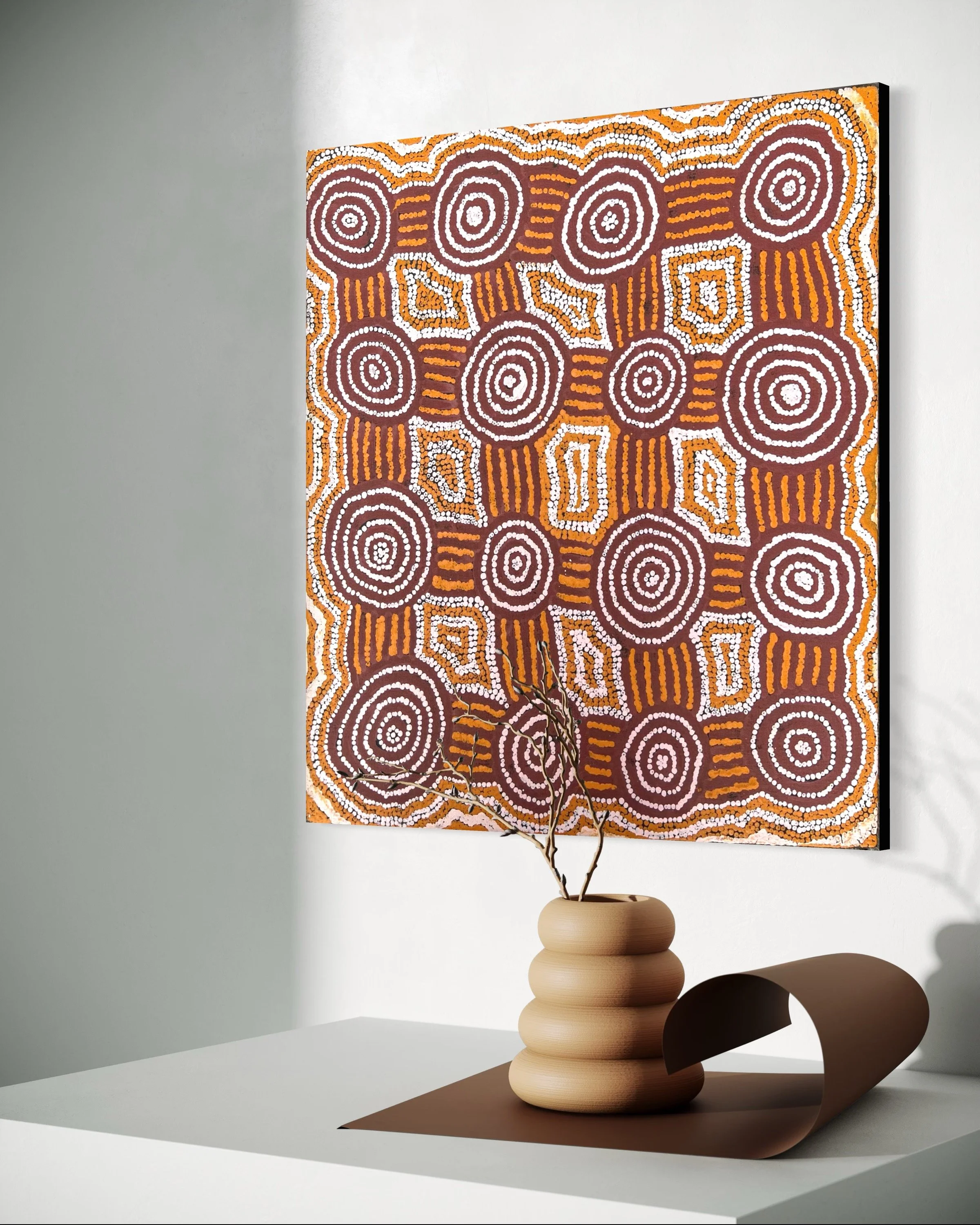
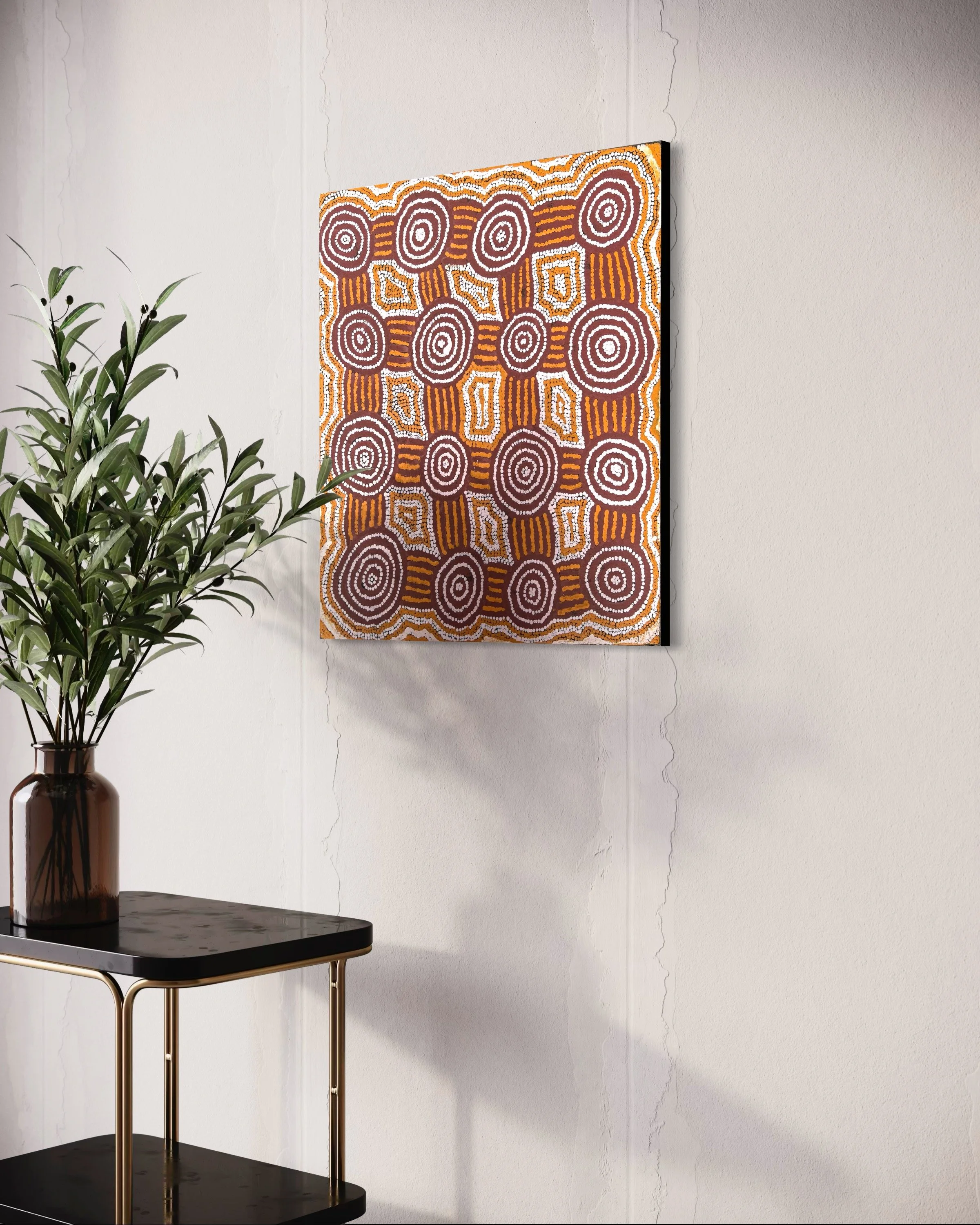
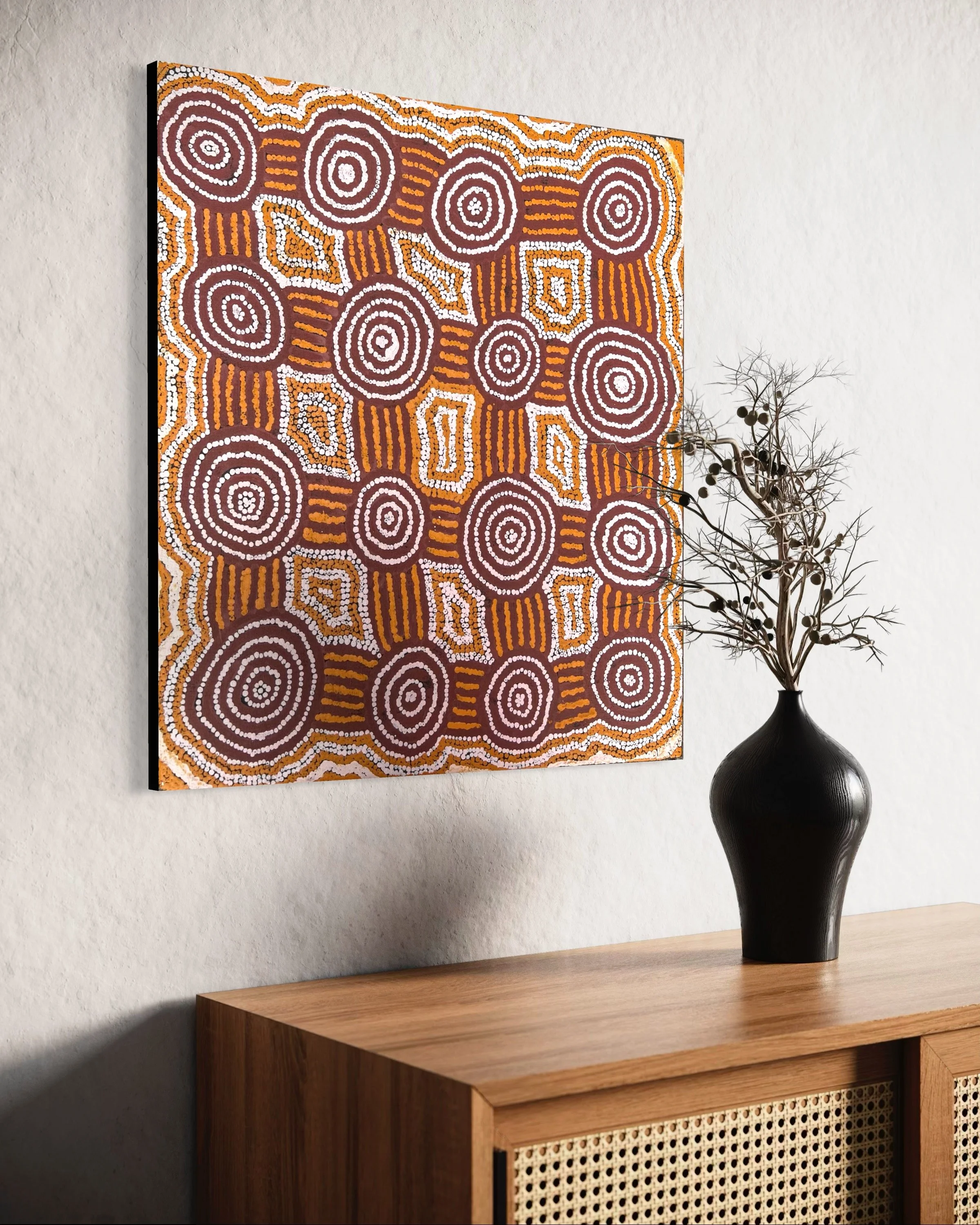
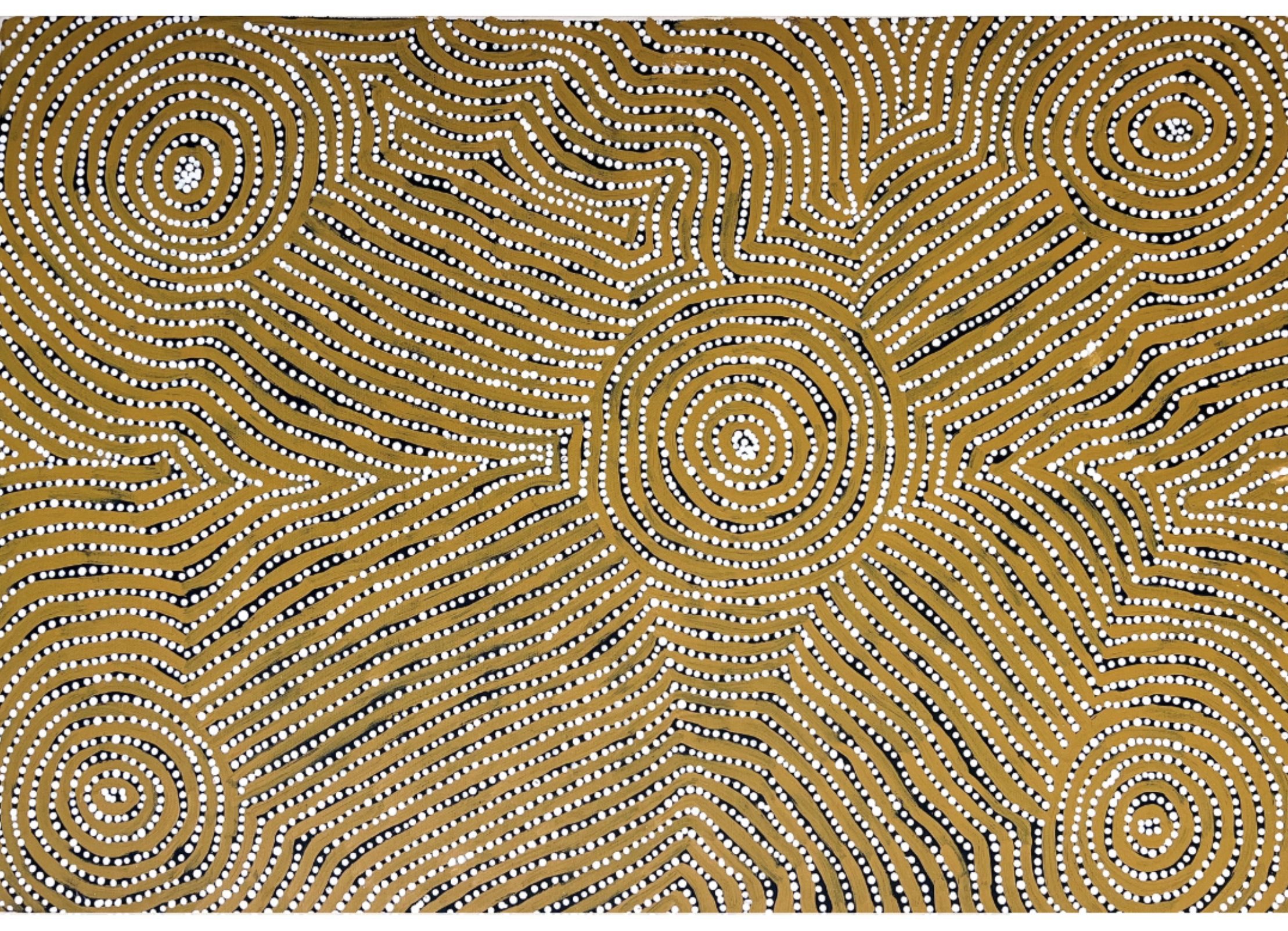
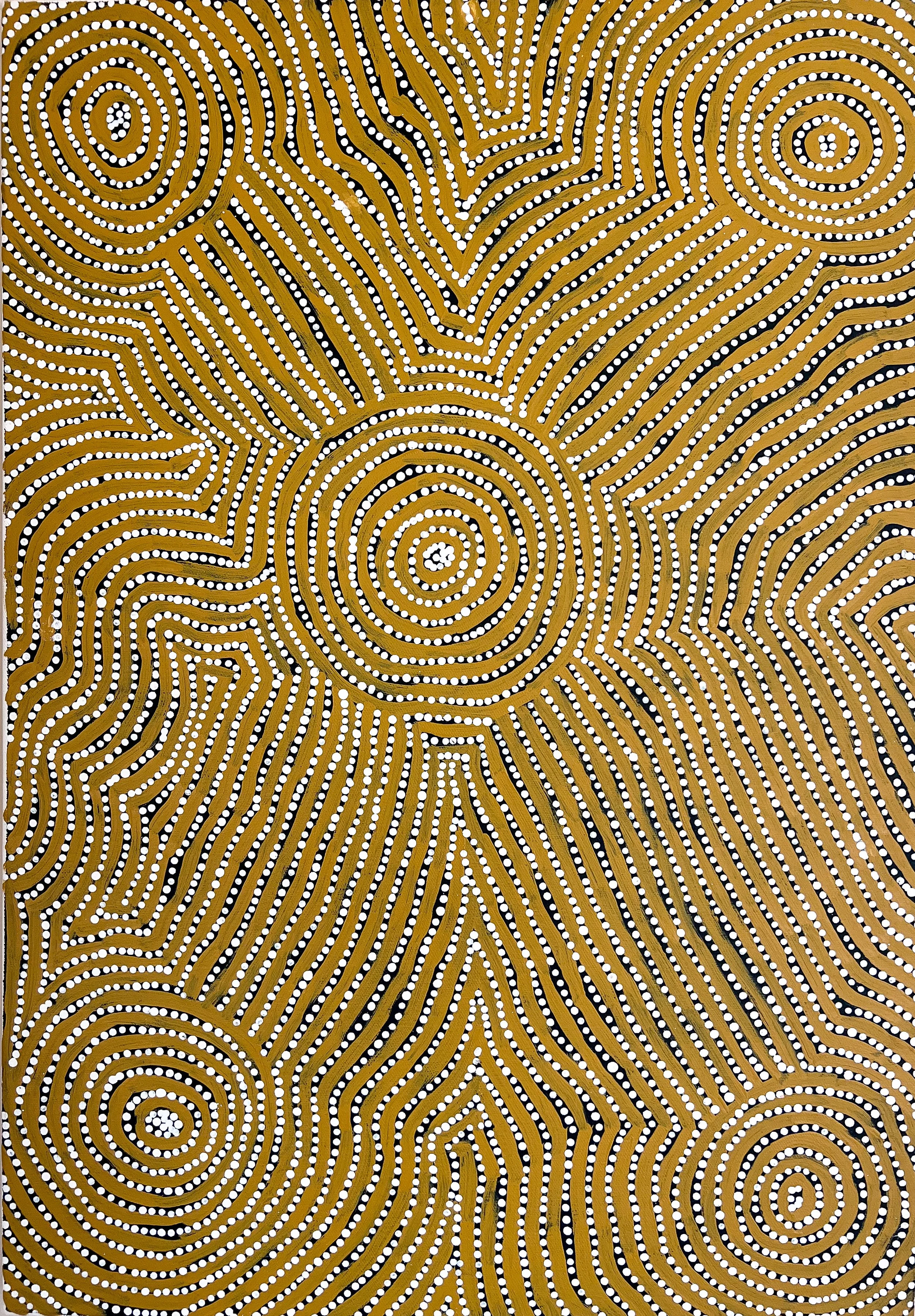
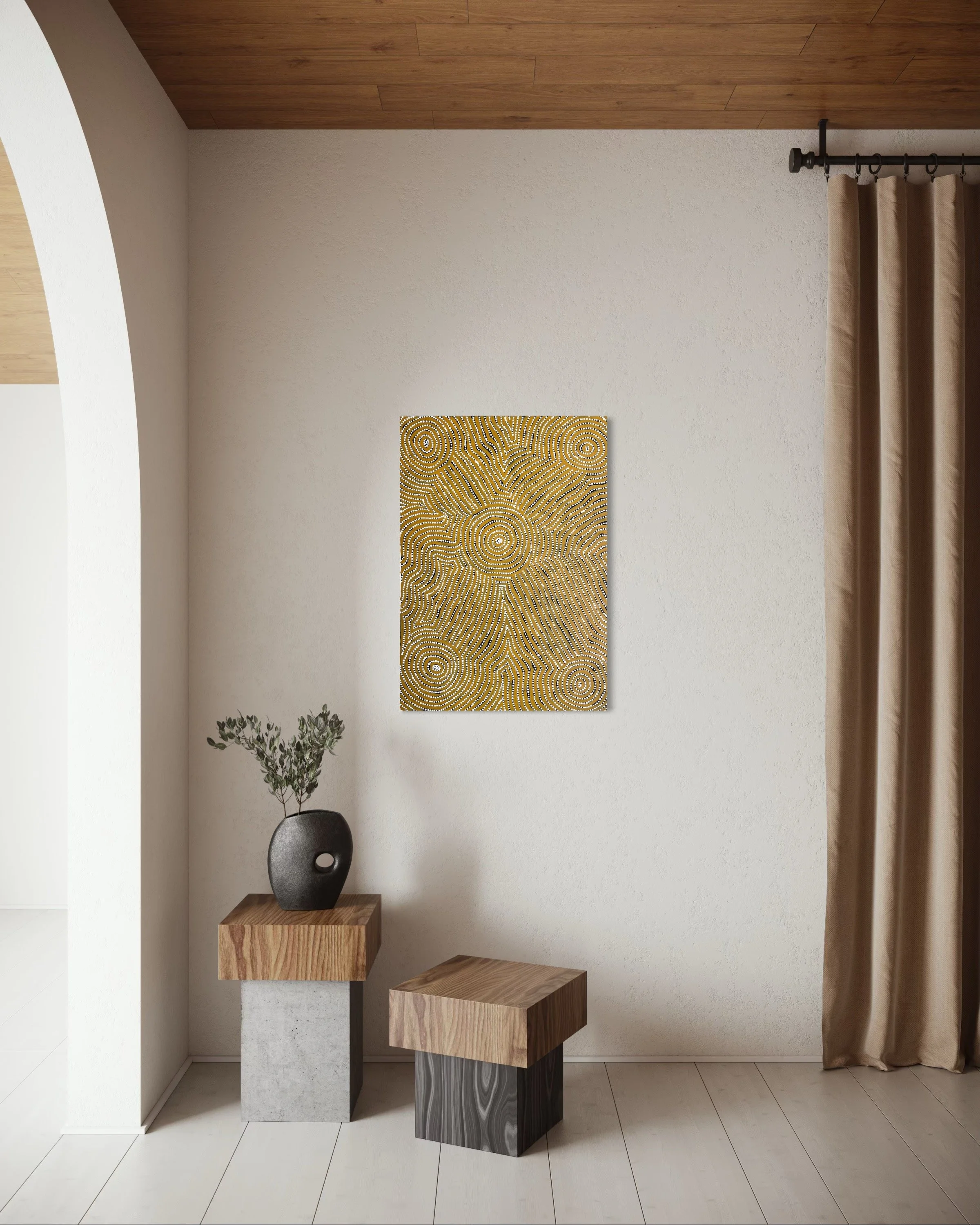
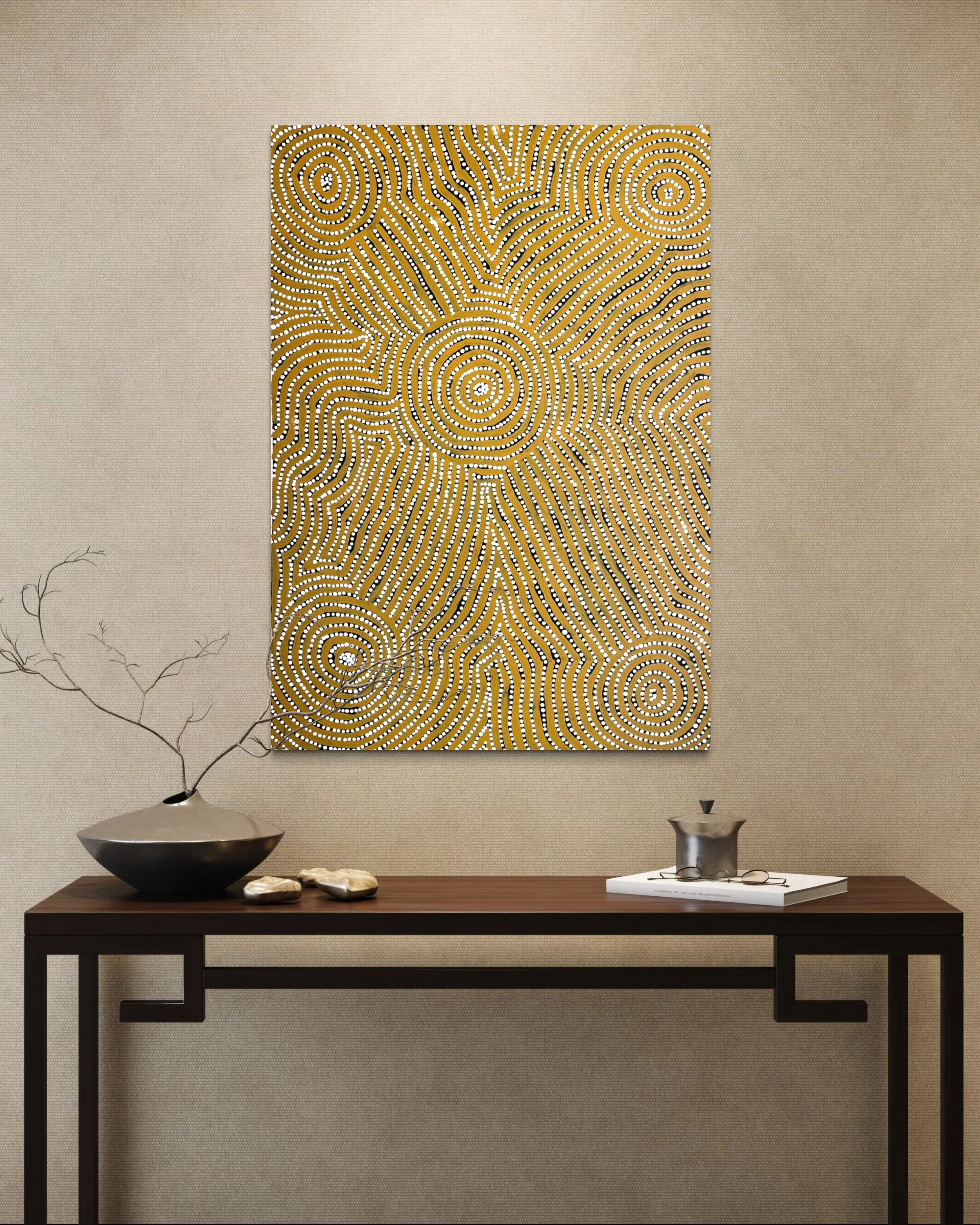
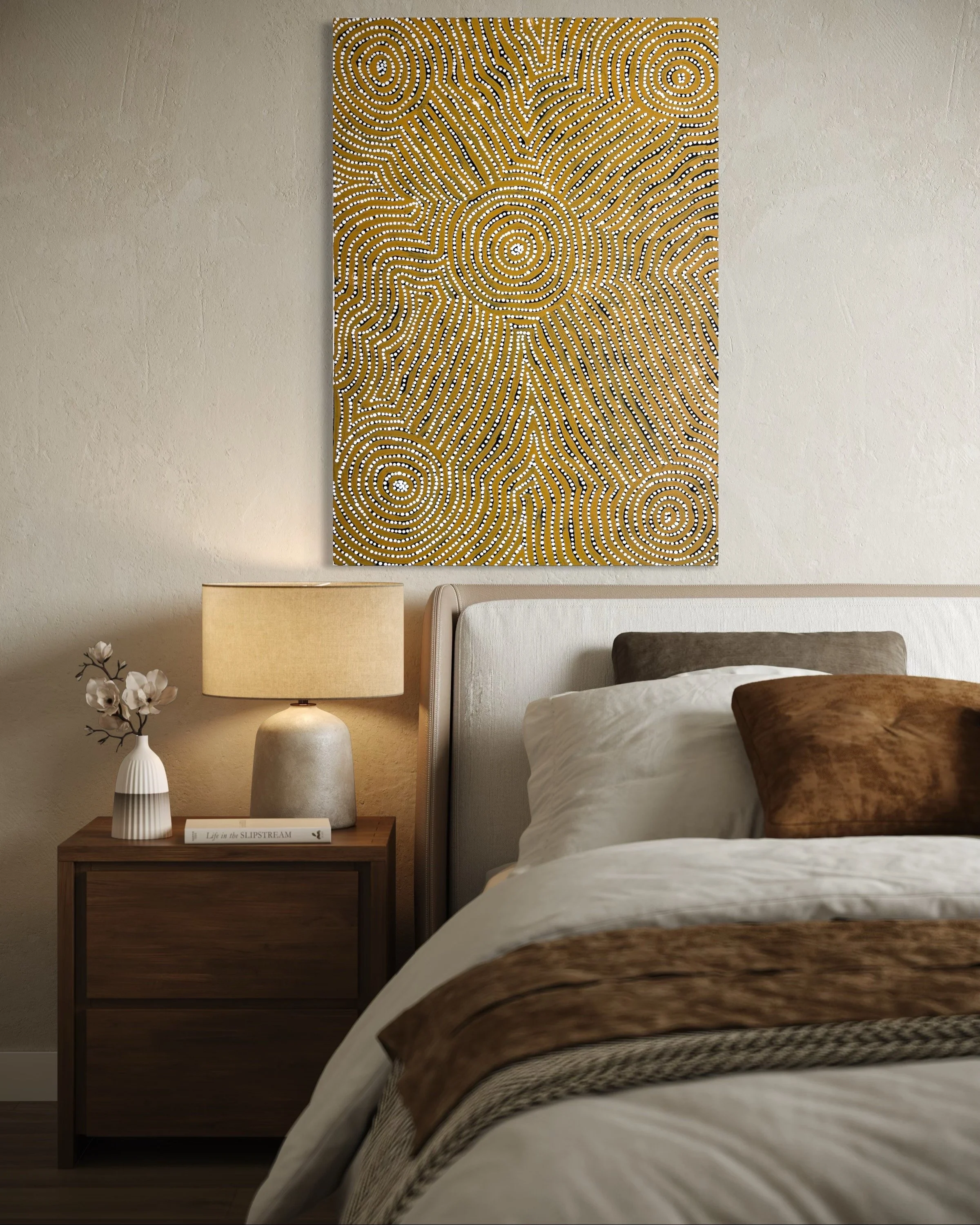
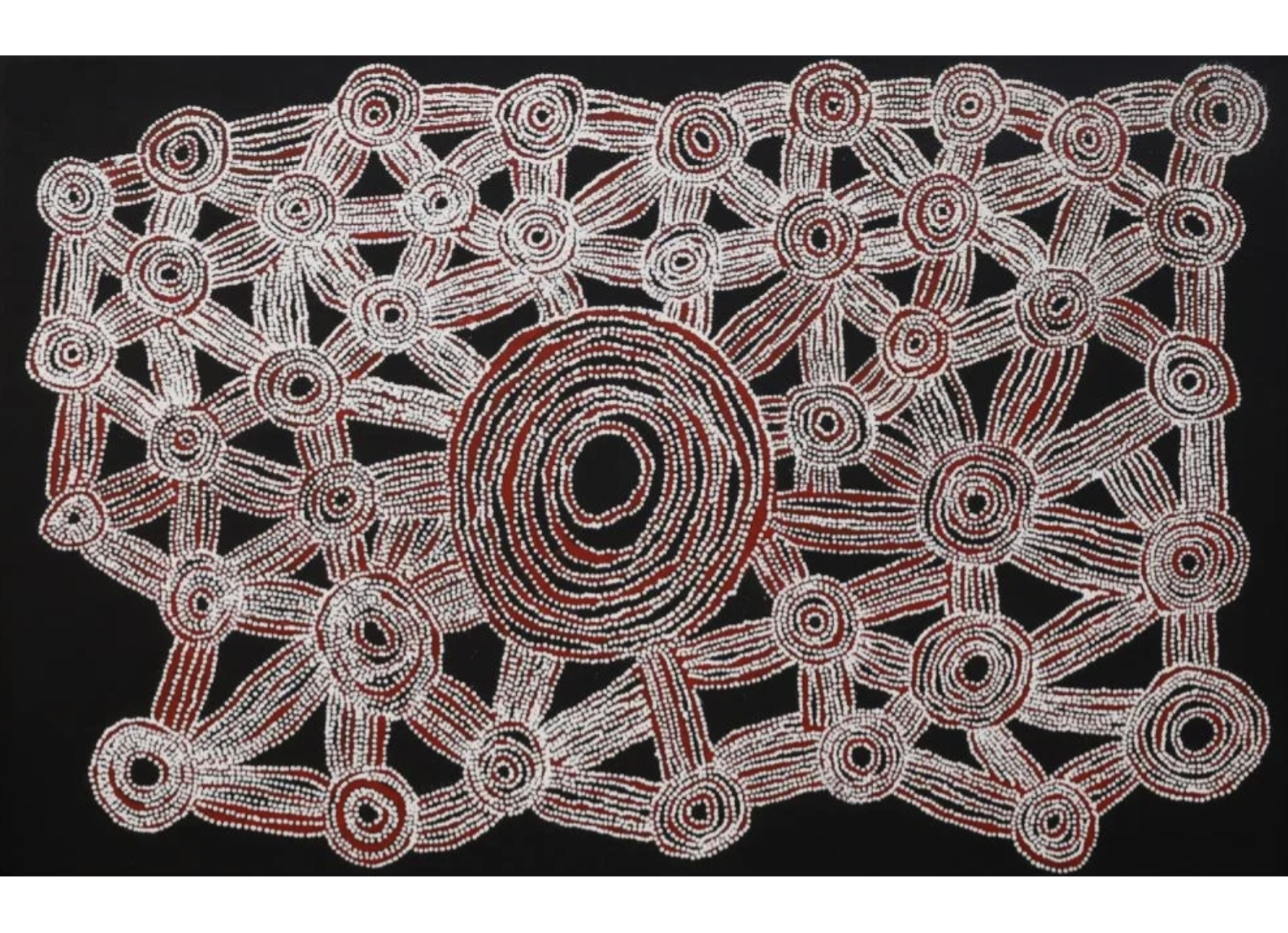
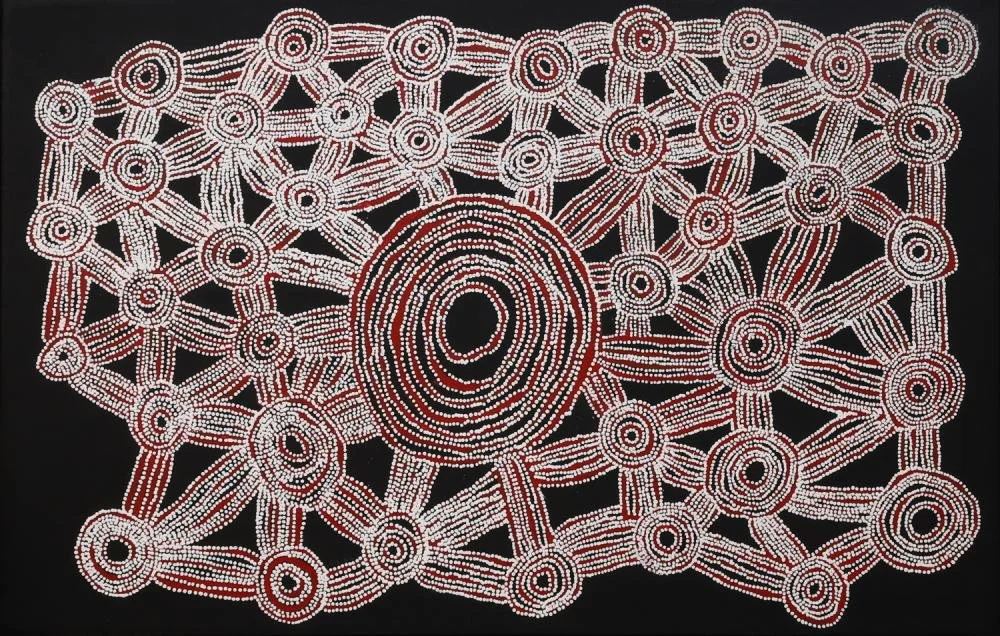
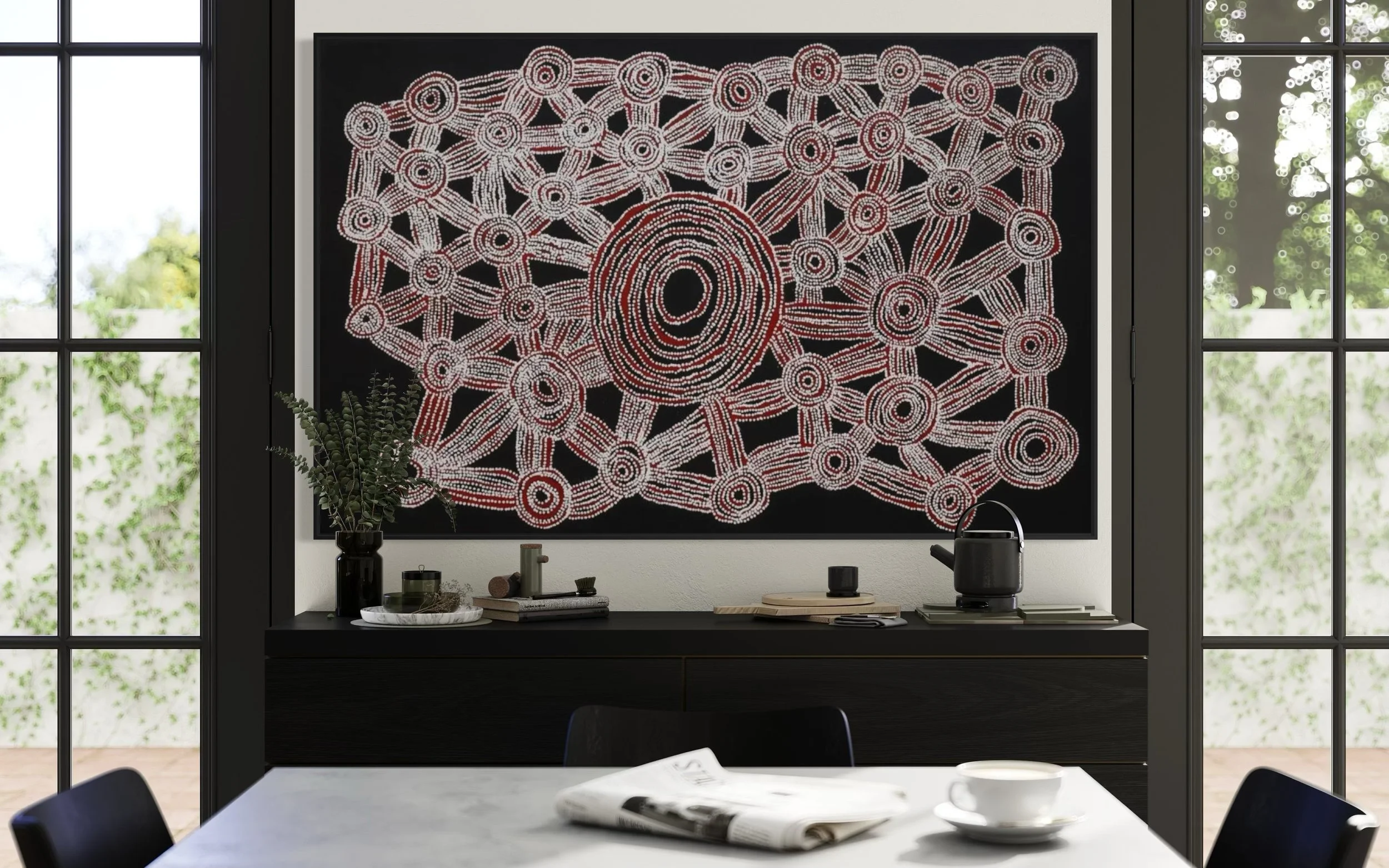
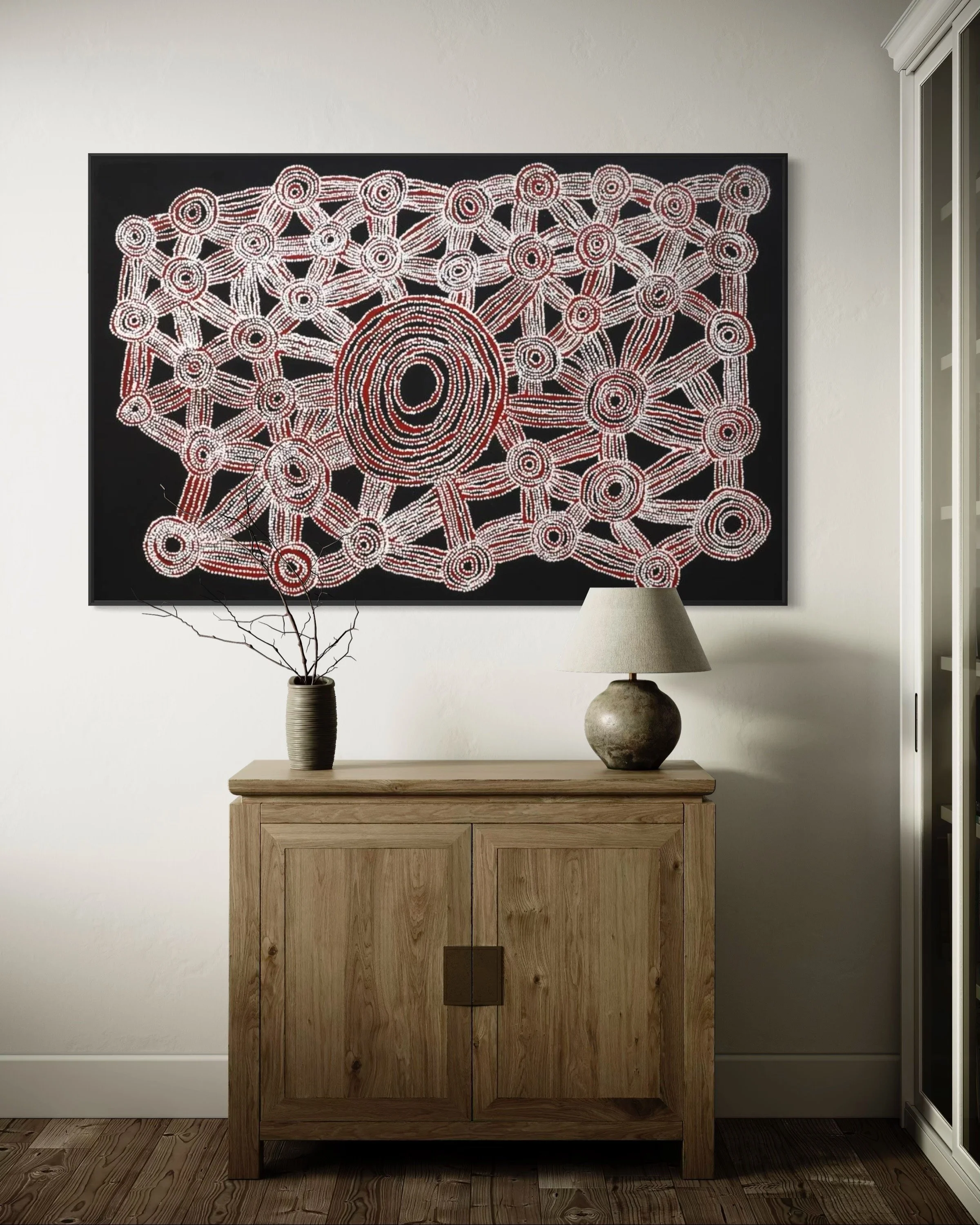
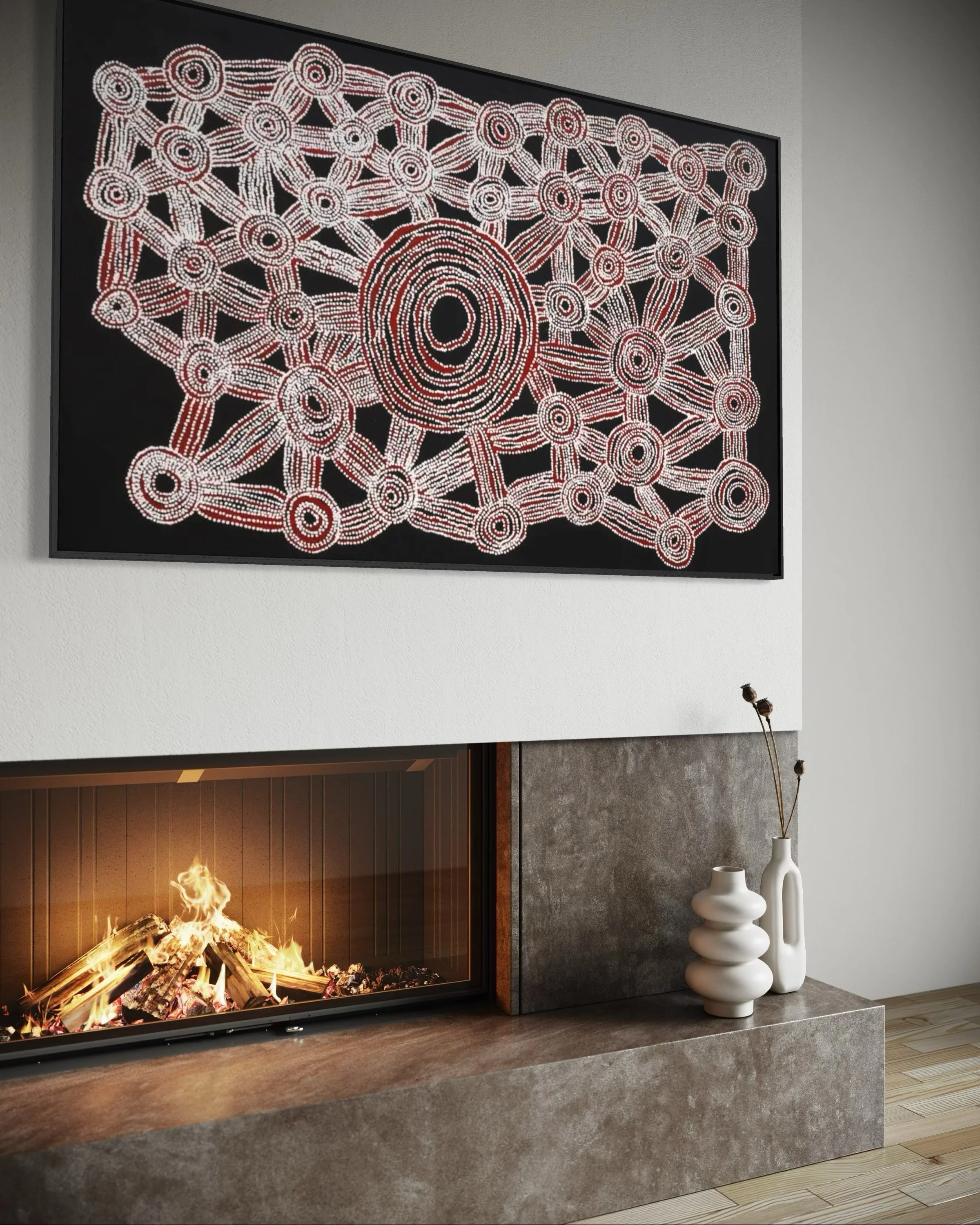
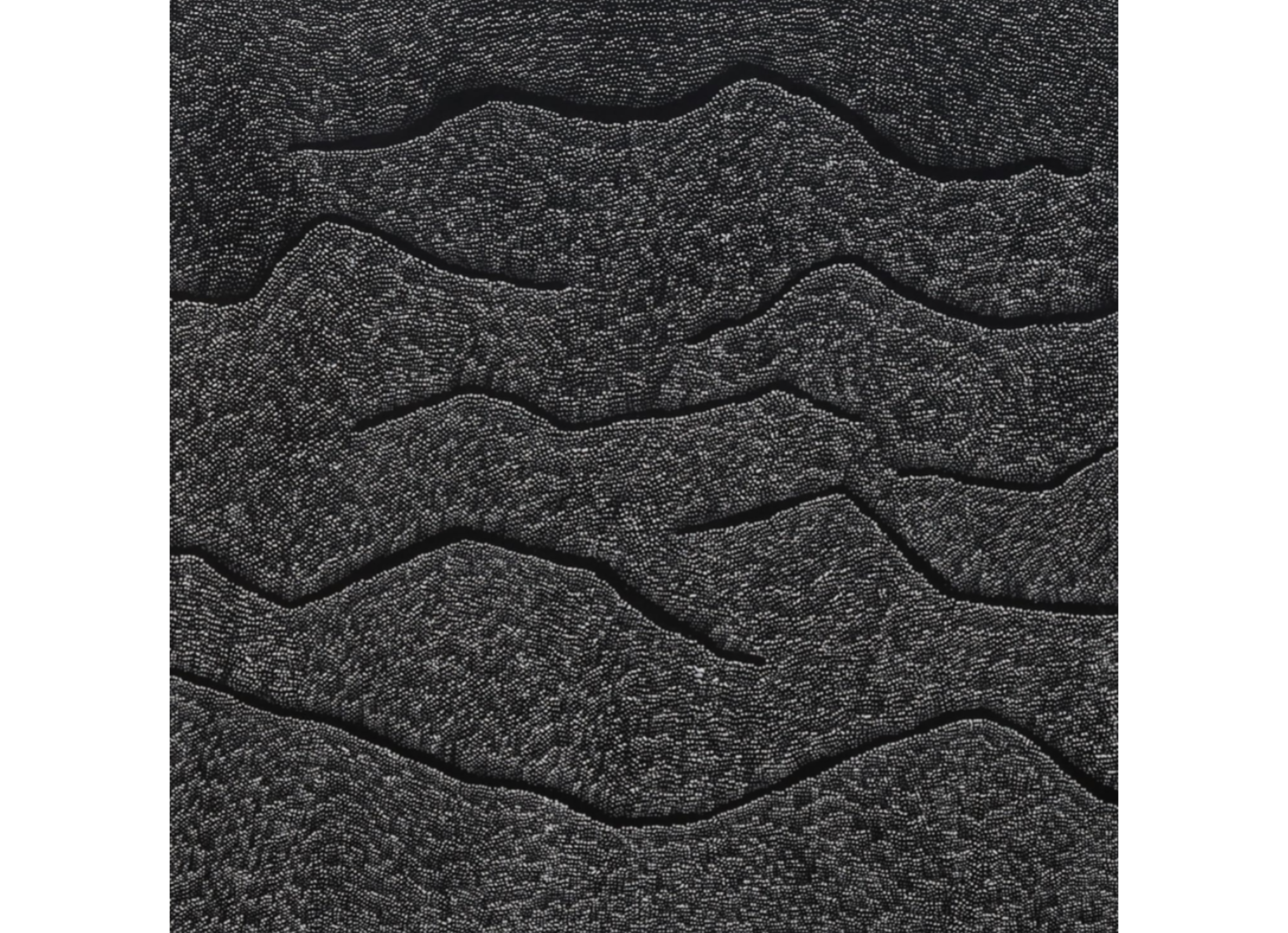
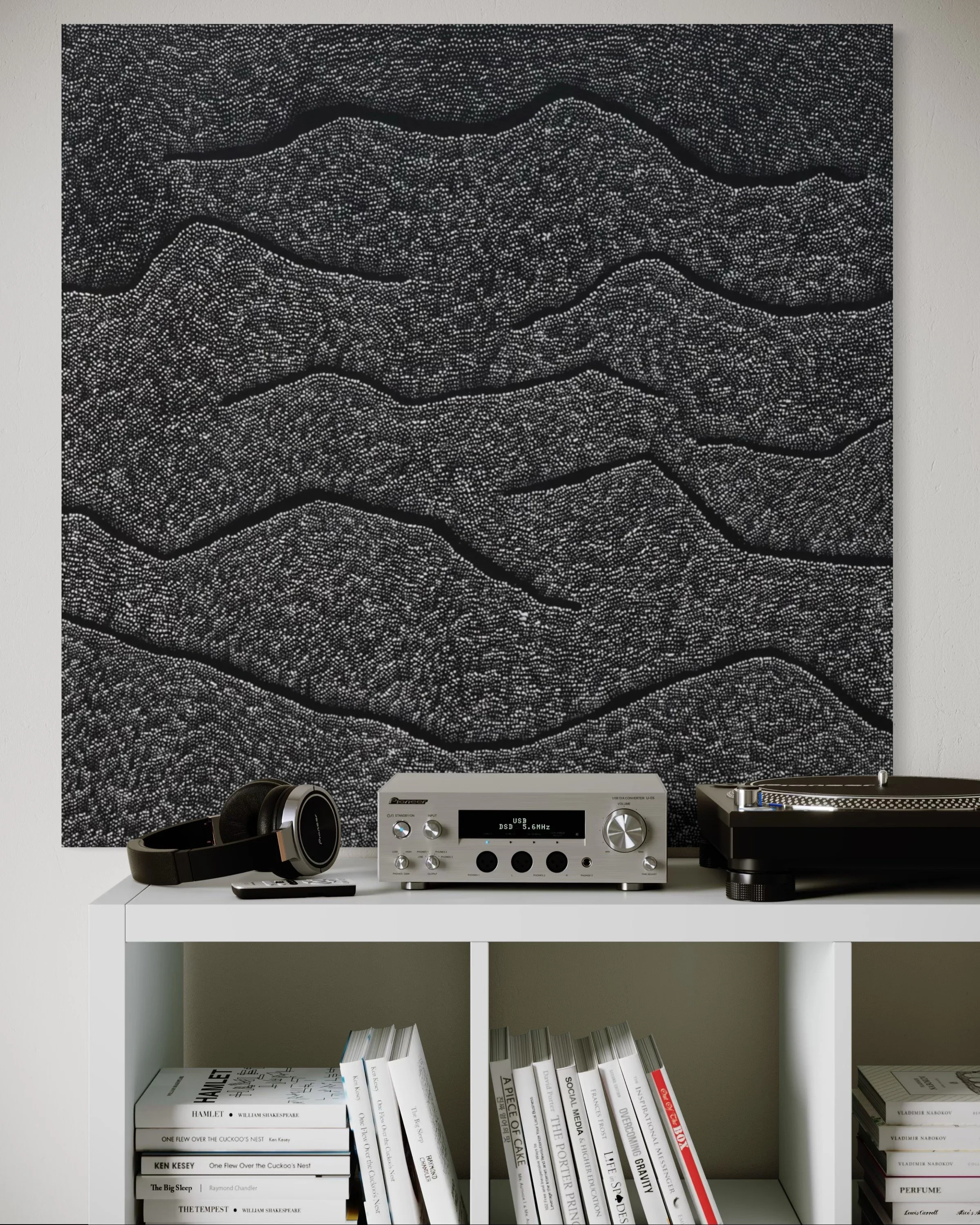
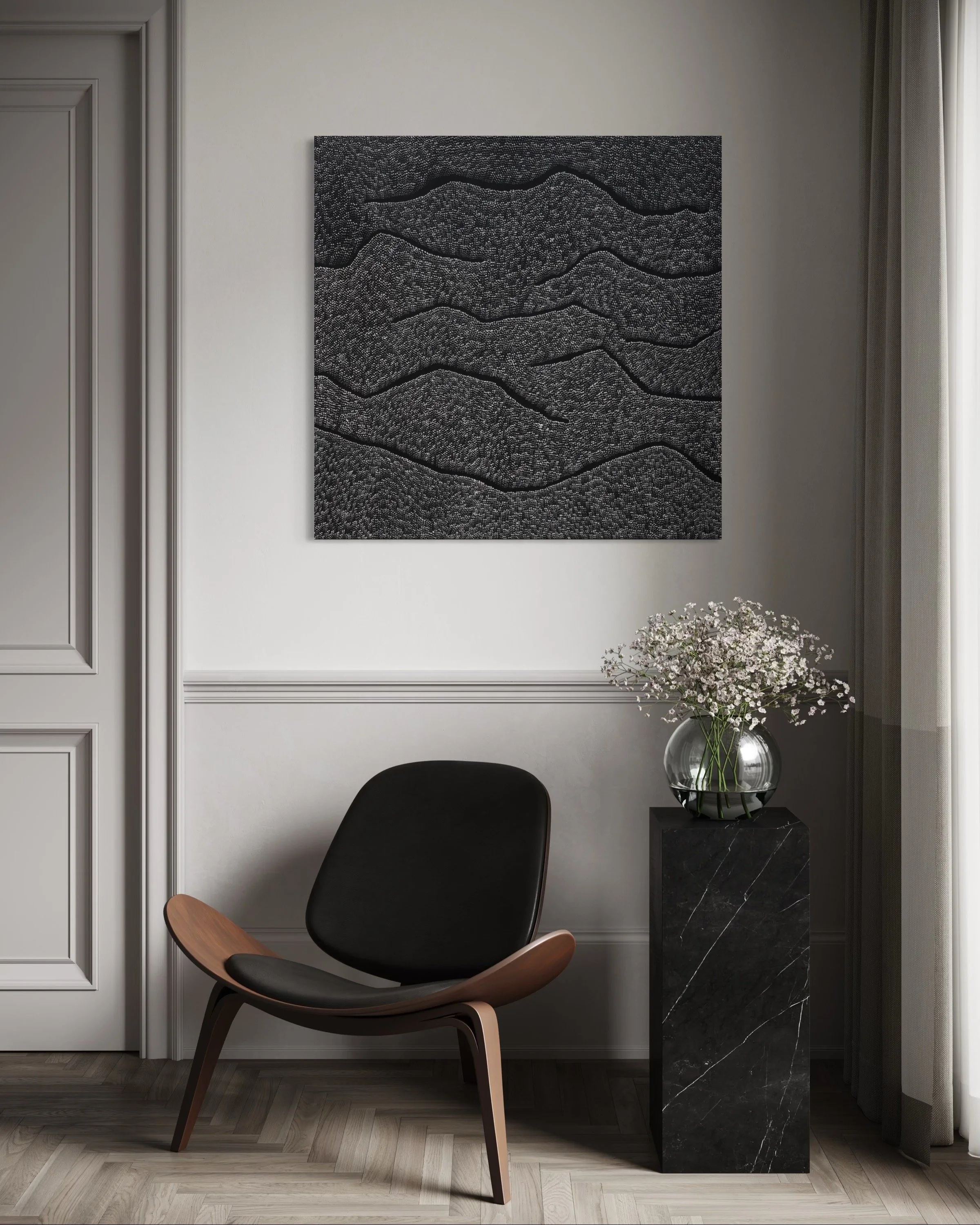
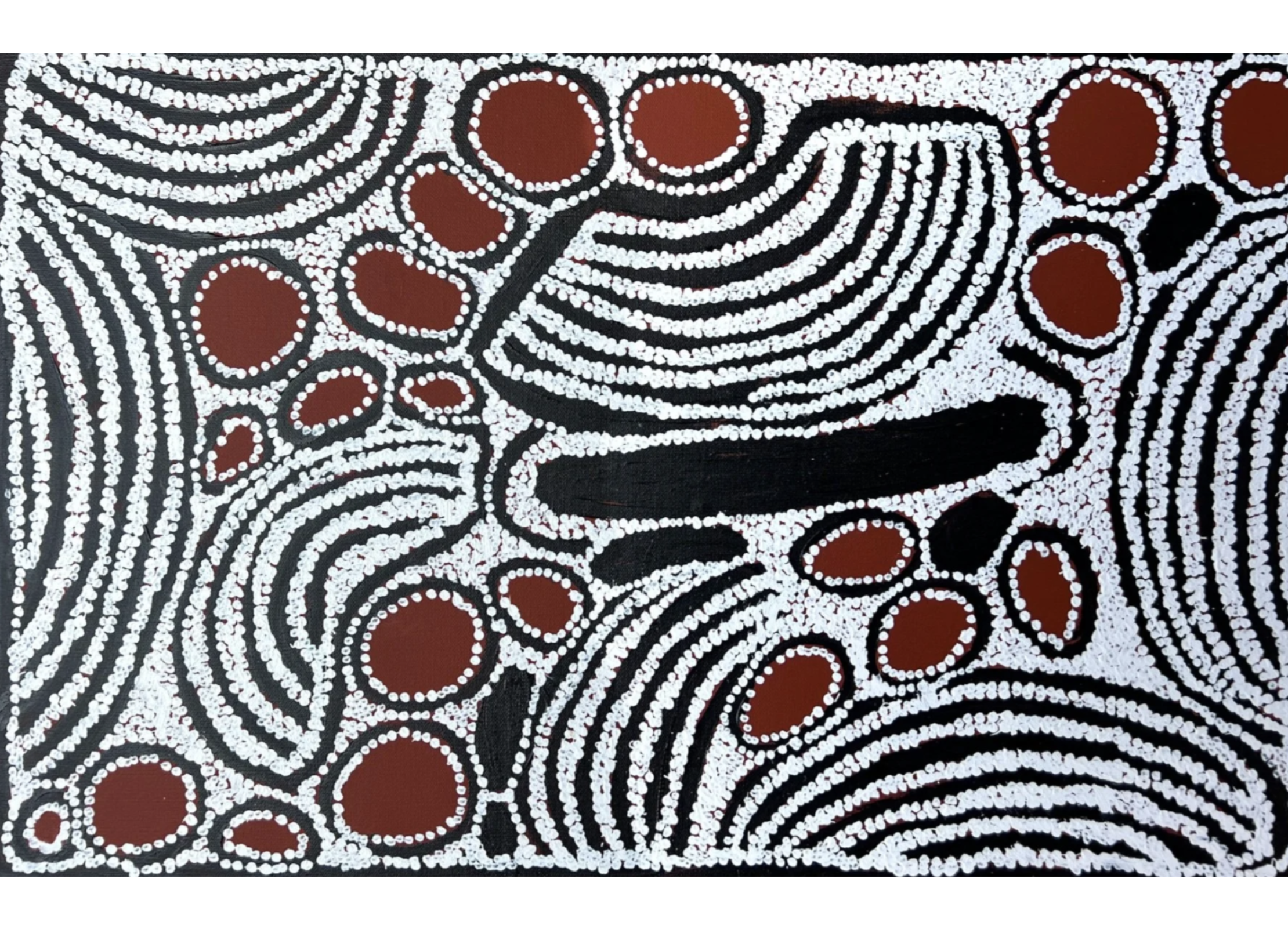
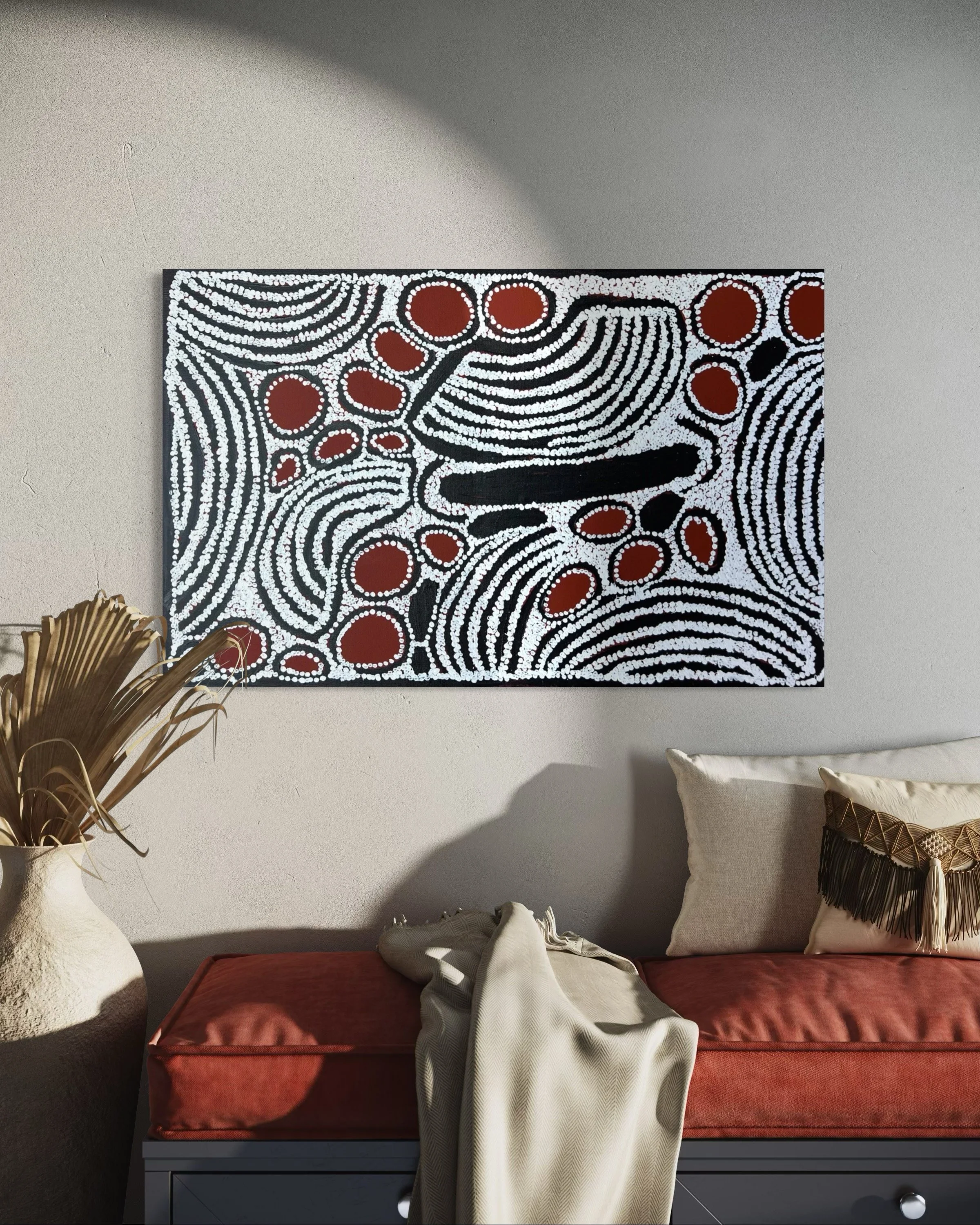
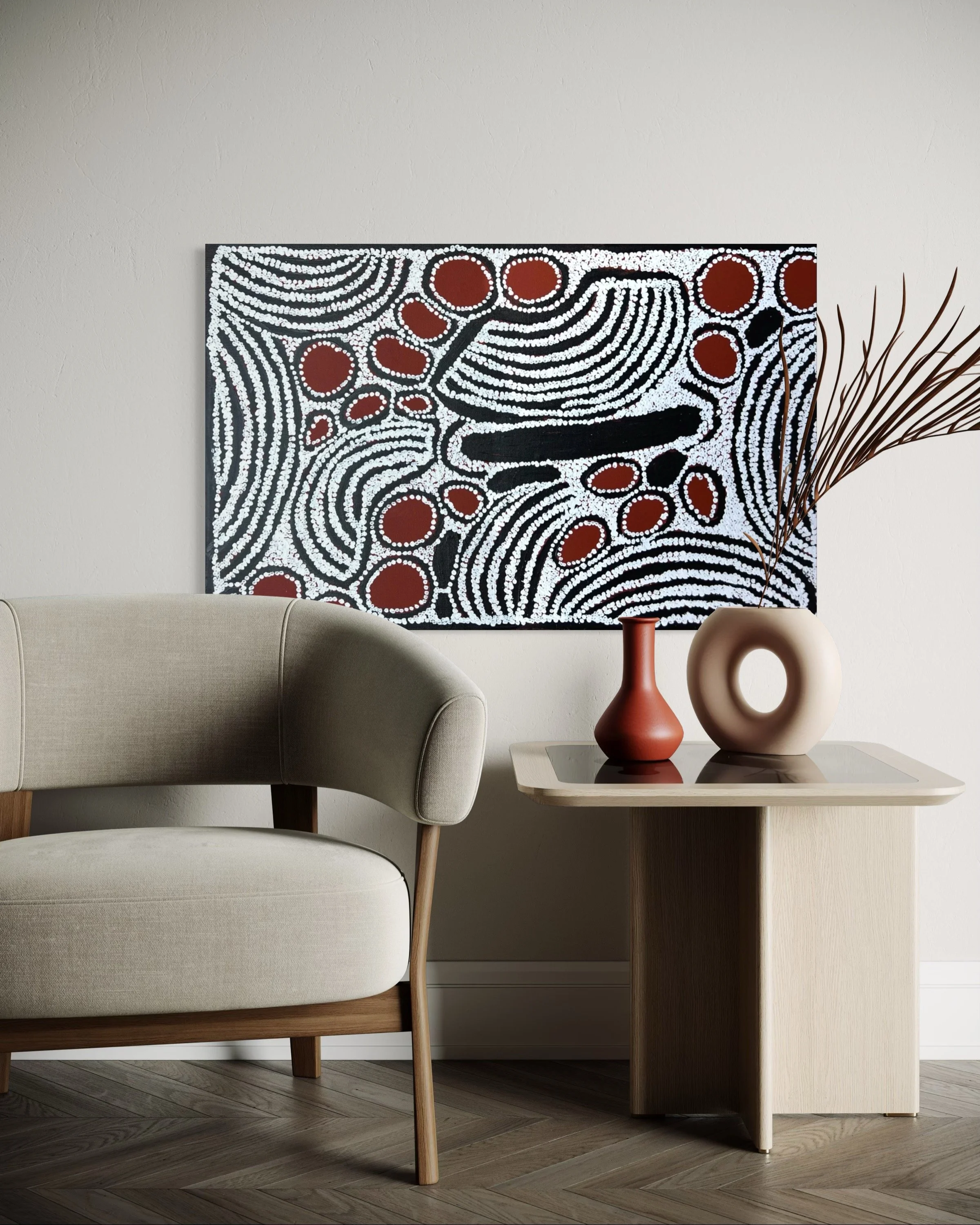
Australian Aboriginal dot painting, or "pointillism," is one of the most emblematic artistic techniques of Australian Indigenous art, characterized by the meticulous application of thousands of colored dots forming complex patterns. Unlike Western pointillism, this method does not aim for an optical effect but creates a codified visual language where each dot contributes to the narration of sacred stories or the cartographic representation of ancestral territories. Developed primarily in the central Australian desert in the 1970s, this technique, requiring patience and precision, is a privileged means of cultural transmission. Artists traditionally used wooden sticks or natural pigments, now often supplemented by vibrant acrylics.
-
Absolutely. The paintings we offer are fully part of the movement recognized as "contemporary Australian Aboriginal art," one of the most dynamic cultural expressions in global art today. These works are distinguished by their unique ability to draw upon millennia-old visual traditions while reinterpreting them in a contemporary pictorial language, thus creating a fascinating bridge between ancestral heritage and the modern world. Our selection includes works by established and emerging artists from different regions of Australia (Arnhem Land, Central Desert, Kimberley), representing the diversity of current Aboriginal artistic expressions, with each acquisition accompanied by a certificate of authenticity detailing the work's provenance.
-
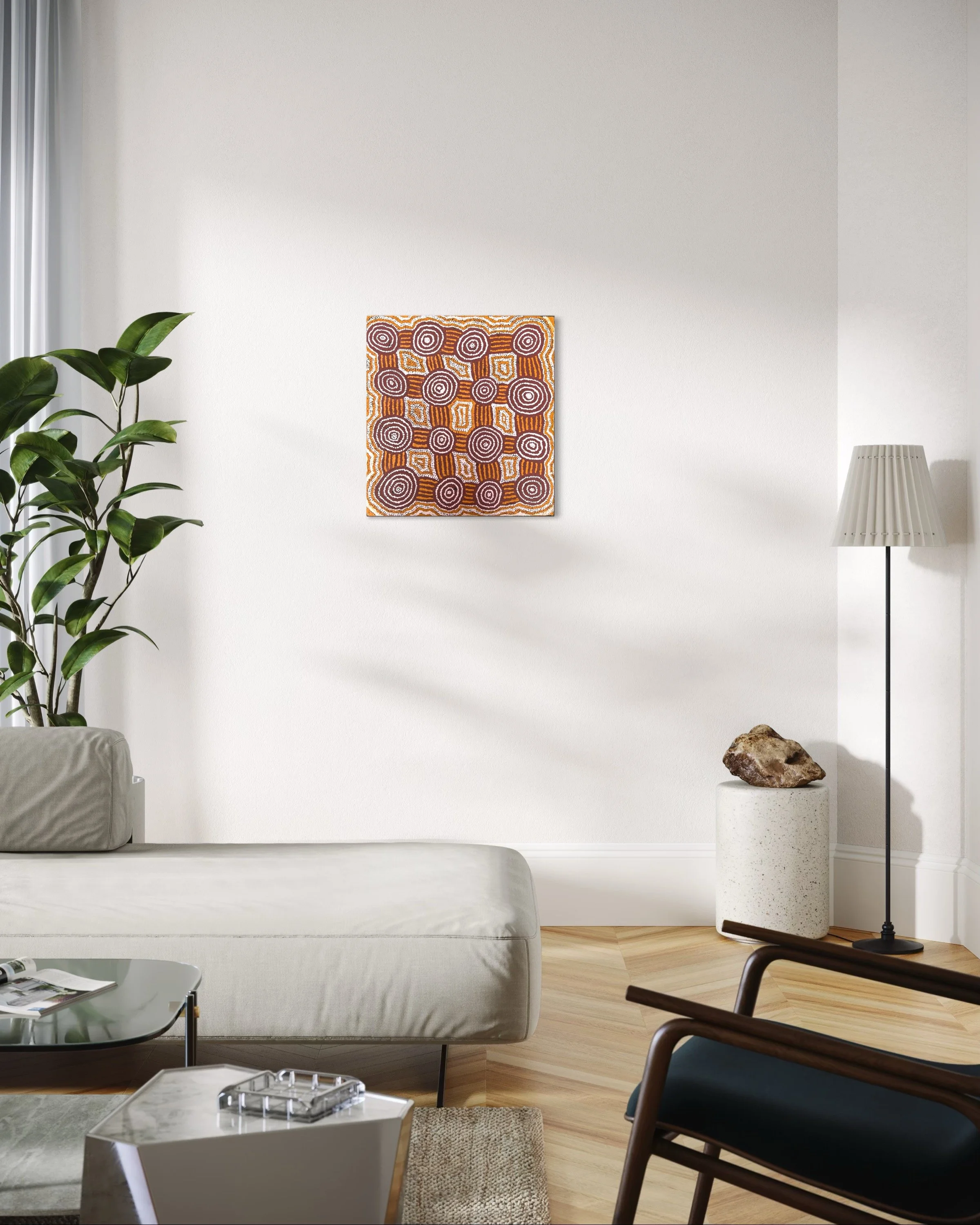
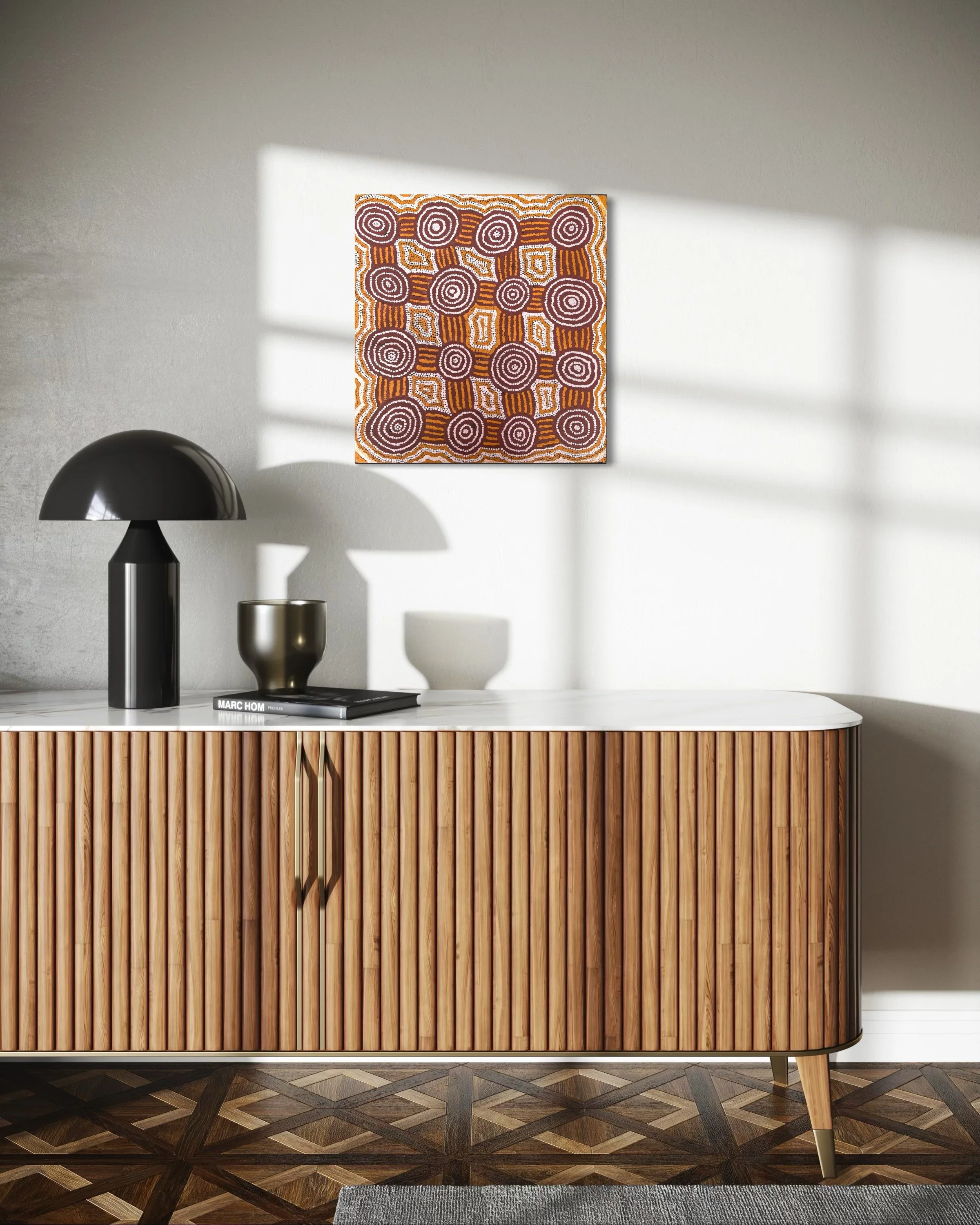
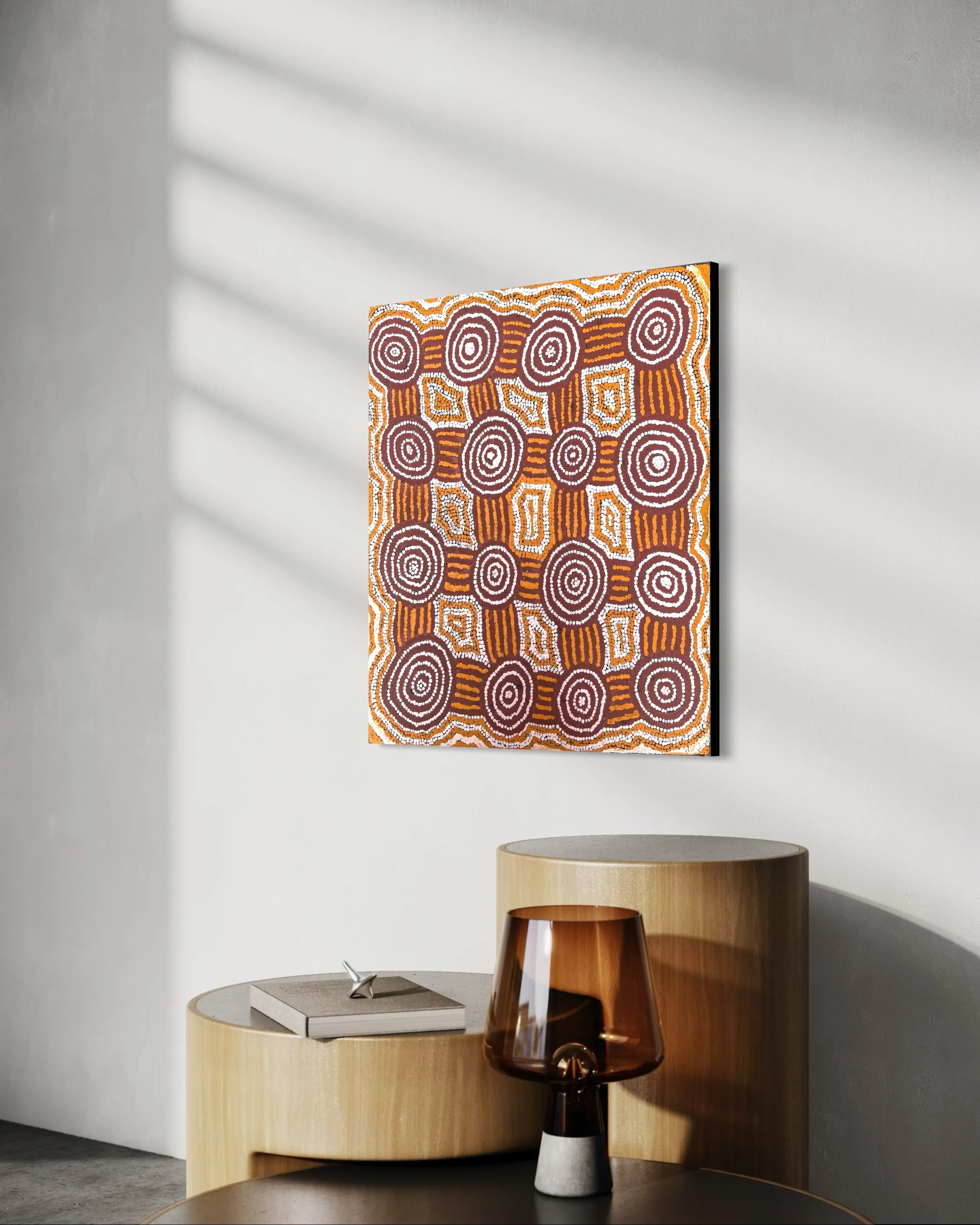
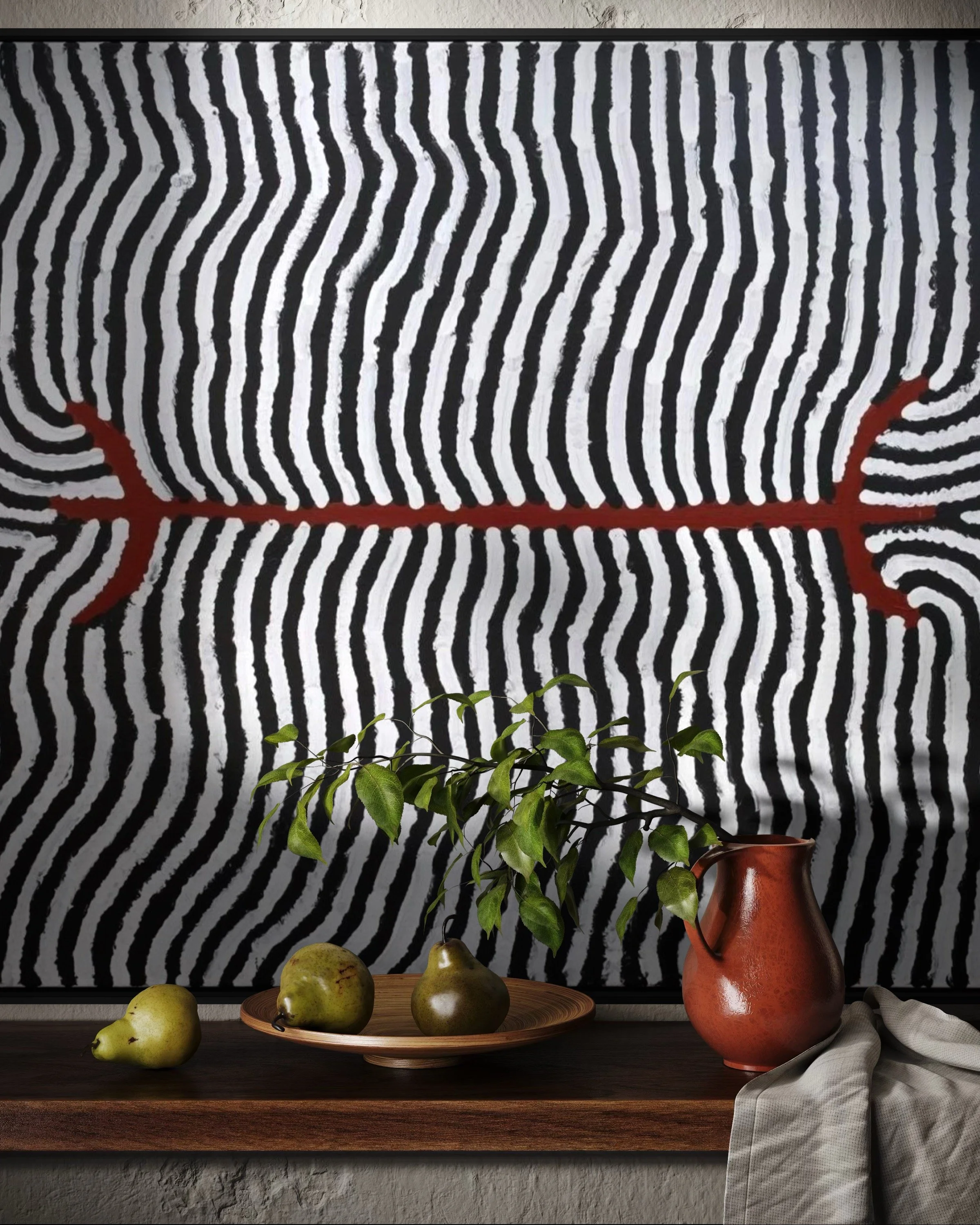
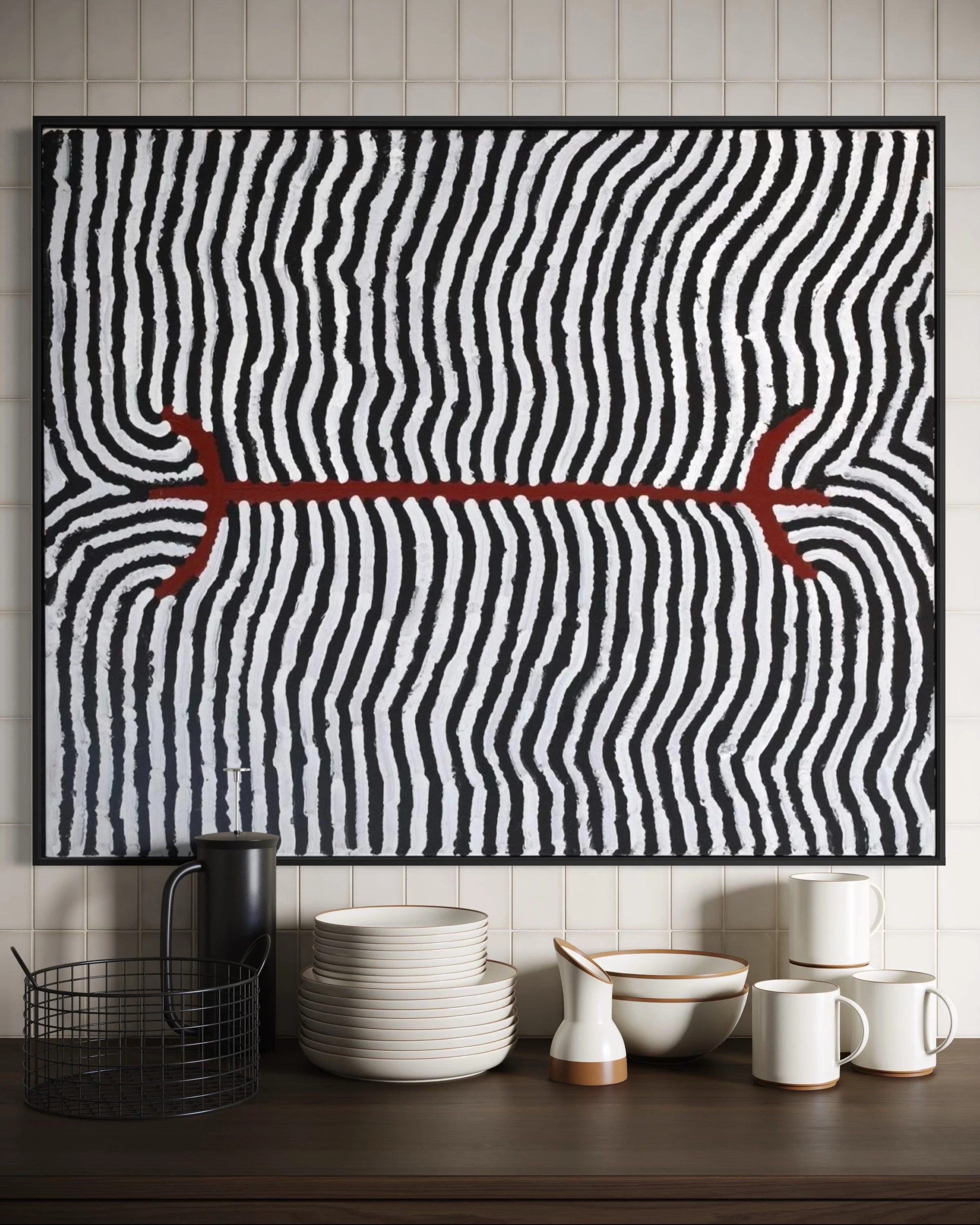
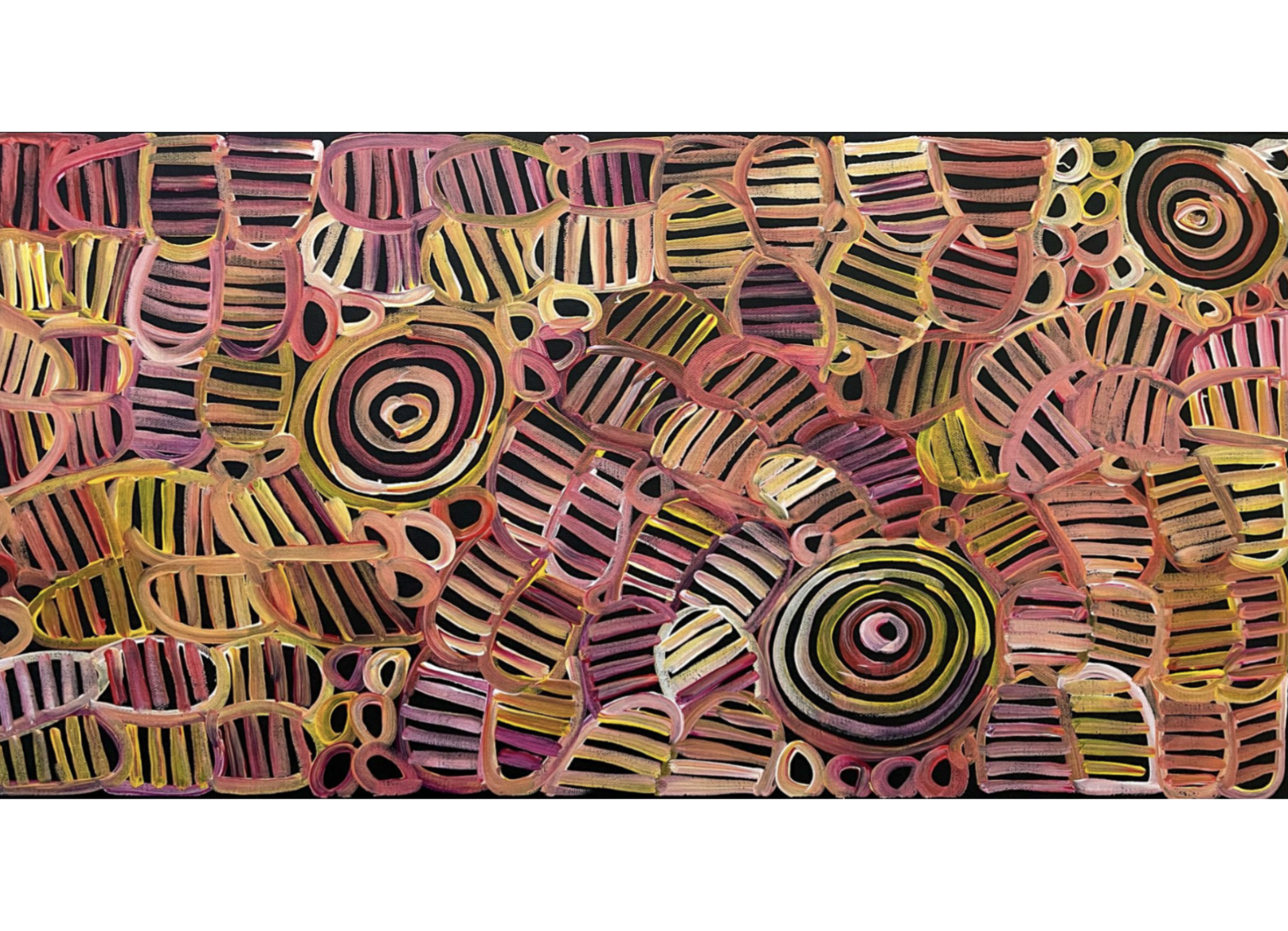
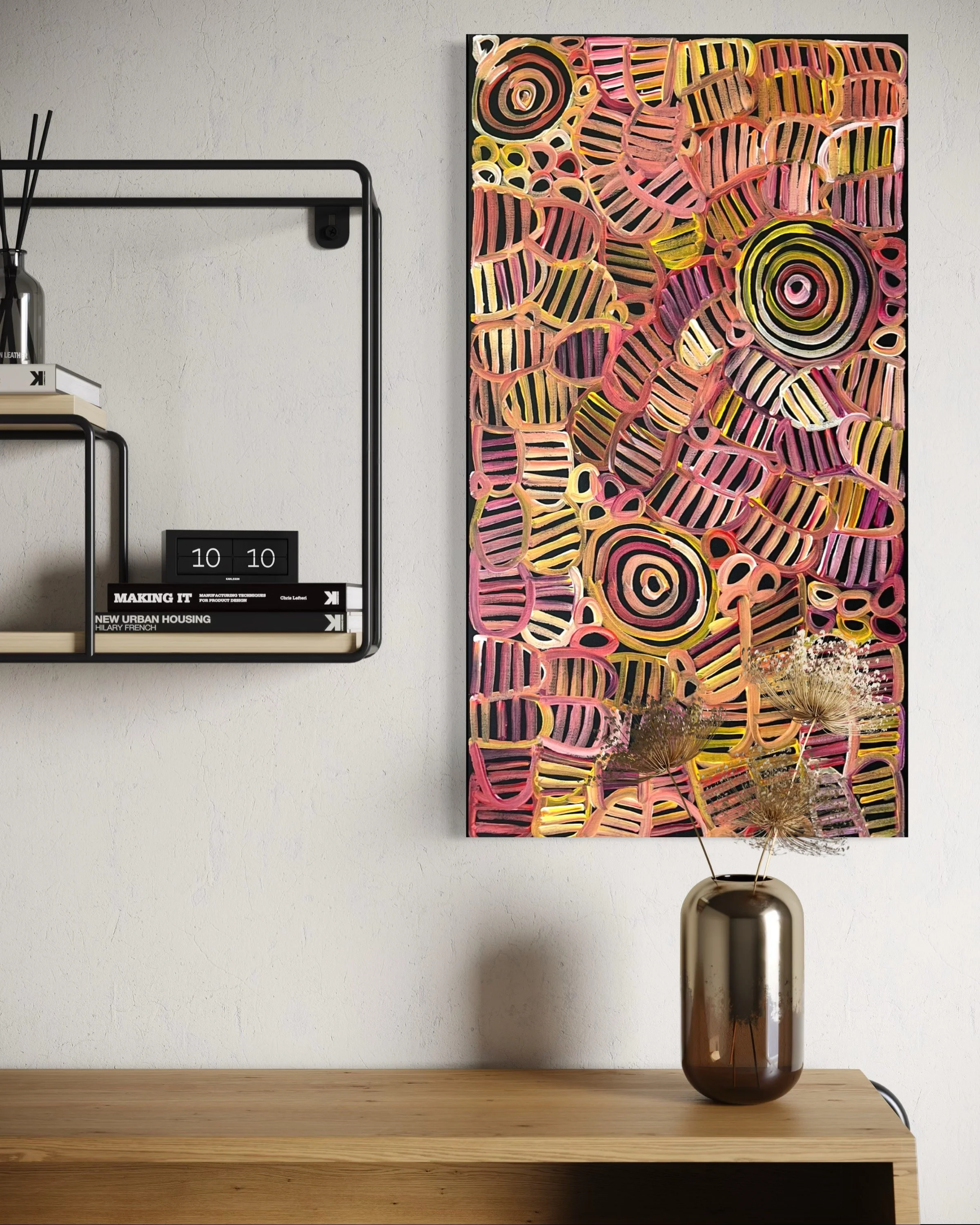
Australian Aboriginal art transcends simple aesthetic expression to embody the very foundation of the identity and spirituality of Australia's First Peoples, representing one of humanity's oldest uninterrupted artistic traditions. Each painting constitutes a codified visual narrative simultaneously fulfilling several functions: spiritual (materializing sacred narratives related to the creation of the world), cultural (transmitting knowledge and customary laws), territorial (representing "spiritual mappings" of specific territories), and identity-based (affirming Aboriginal identity in the contemporary context). The seemingly abstract motifs are in reality charged with rich symbolism where concentric circles and sinuous lines evoke waterholes, sacred sites, or ancestral journeys, testifying to a worldview where humans, land, and cosmos are intrinsically linked.
-
The "Dreamtime" (or "Tjukurrpa", "Jukurrpa", "Altyerre" depending on the Aboriginal languages) constitutes the fundamental concept of Australian Aboriginal spirituality and cosmology. Contrary to what its translation suggests, it is not a dream state but a complex spiritual dimension transcending our linear conception of time. It simultaneously represents the primordial era of Creation where Ancestral Beings shaped the landscape and established social laws, a permanent and parallel reality always accessible through certain ritual practices or art, and a holistic belief system encompassing law, ethics, and relationship to land. When creating works related to their specific Dreaming, Aboriginal artists do not simply represent a story: they reactivate the spiritual power of these ancestral narratives, transforming each painting into a "story-object" imbued with exceptional cultural depth.
-
The authenticity of an Australian Aboriginal painting relies on several essential criteria that our gallery scrupulously respects: documented provenance with a certificate detailing the artist's identity and community affiliation; an acquisition ethic ensuring that artworks come from sources that respect artists' rights (recognized community art centers); a characteristic quality of execution in the fineness of the dot work or the precision of the motifs; and regional stylistic coherence (the Central Desert favoring geometric dot painting motifs, Arnhem Land cross-hatching and emblematic figures). Our selection includes only Aboriginal paintings that meet these authenticity criteria, in respectful adherence to cultural traditions.
-
Australian Aboriginal art has experienced a remarkable rise in the international market since the 1980s, evolving from an ethnographic curiosity to a highly valued form of artistic expression by collectors and global cultural institutions. This growing recognition is due to its aesthetic uniqueness offering a distinctive visual language, its legitimation through major exhibitions in prestigious museums (Musée du quai Branly, MoMA, Tate Modern), its integration into important public and private collections, and the significant auction performances of artists such as Emily Kame Kngwarreye, Clifford Possum Tjapaltjarri, and Rover Thomas. Acquiring an Australian Aboriginal painting today represents both cultural enrichment and an investment in an art form whose importance and value continue to grow on the international art scene.
-
To ensure the longevity of your Australian Aboriginal painting, a few essential precautions are necessary: avoid exposure to direct sunlight or intense light sources that alter the pigments, maintain stable environmental conditions (temperature between 18°C and 22°C, relative humidity between 45% and 55%), handle the artwork with cotton gloves to prevent the transfer of natural oils, opt for professional framing with conservation-grade materials for works on paper or bark, occasionally dust the surface with a soft-bristle brush without using liquid products, ensure secure hanging, and carefully preserve the certificate of authenticity and all documentation related to your acquisition. We remain available to advise you on the best conservation practices tailored to your specific Aboriginal painting.
Contact Us
Are you looking to acquire a piece of Australian Aboriginal art that deeply resonates with you? Are you seeking an exceptional piece to enhance a space or to give a unique and meaningful gift? Or perhaps you simply wish to learn more about the history, symbols, and meaning of a painting?
Whatever your specific needs, we are here to listen, assist you, and answer all your questions.